Revia (Naltrexone) – Patient Information (Australia)
Revia is a medicine containing naltrexone. It is used to help reduce harmful alcohol use and to support treatment of certain types of opioid dependence. This page explains how Revia works, how it is taken, what to expect, and important safety information for people in Australia.
Note: Always follow the instructions provided for you. If you have questions about your individual situation, speak with a pharmacist or doctor.
Quick facts
- Active ingredient: Naltrexone
- Brand example: Revia
- Medicine type: Opioid receptor antagonist
- Common uses: Alcohol use disorder and opioid dependence management (as part of a broader treatment plan)
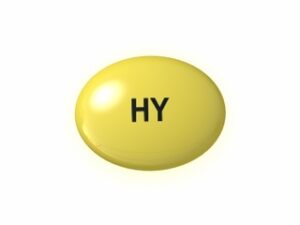
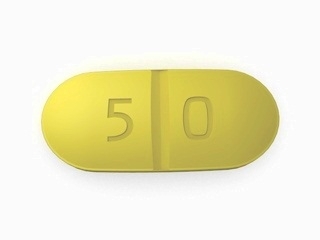
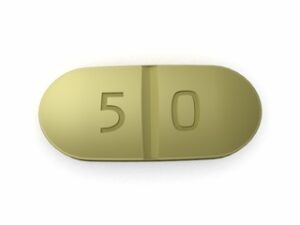
- Form: Oral tablet (strengths vary by product presentation)
- Key safety point: Naltrexone can block the effects of opioids and may precipitate withdrawal in people with opioids in their system
What is Revia?
Revia (naltrexone) is an oral medicine designed to change how your brain responds to opioids and alcohol. It does not “detox” or treat withdrawal symptoms by itself. Instead, it can help reduce cravings and harmful use when used alongside appropriate counselling and support.
Revia is generally used as a long-term or ongoing treatment option once a person is stabilised in their care plan.
How Revia works (mechanism of action)
Naltrexone is an opioid receptor antagonist—meaning it blocks opioid receptors in the brain. It has an affinity for the main opioid receptors involved in reward and reinforcement.
- Opioid receptors: By blocking these receptors, naltrexone reduces the rewarding effects of opioids.
- Alcohol-related effects: Alcohol can increase endorphin activity in the brain, which then stimulates opioid receptors. By blocking those receptors, naltrexone may reduce alcohol-induced reward and cravings.
In simple terms, Revia works by “turning down” the brain pathways associated with reward from opioids and, for many people, alcohol.
Pharmacokinetics (how the body processes naltrexone)
Pharmacokinetics describes what the body does to the medicine—absorption, distribution, metabolism, and elimination.
- Absorption: Naltrexone is absorbed after oral administration.
- Metabolism: It is metabolised primarily in the liver.
- Active metabolite: The main metabolite is 6β-naltrexol, which also contributes to drug activity.
- Distribution: Naltrexone and its metabolite distribute through the body, including the central nervous system.
- Elimination: Metabolites are mainly excreted via the kidneys.
- Onset and duration: Effects typically begin after taking the dose and persist for much of the day, supporting once-daily use for many treatment regimens.
Because metabolism involves the liver and elimination involves the kidneys, liver and kidney health can influence how naltrexone should be used.
Typical uses of Revia
Revia is used for:
- Alcohol use disorder: To help reduce heavy drinking and support abstinence goals for some people.
- Opioid dependence: As part of a comprehensive treatment plan, after opioids have been ceased and withdrawal is resolved (to avoid precipitated withdrawal).
Important: Naltrexone is not a substitute for medical assessment and ongoing support. It is most effective when used with counselling and relapse-prevention strategies.
Who should consider Revia?
Revia may be appropriate for some adults when:
- The treatment goal is to reduce problematic alcohol use (with appropriate support).
- The treatment goal is to manage opioid dependence after opioids have been stopped and withdrawal has resolved.
- You are able to avoid opioids while taking naltrexone (including opioid pain medicines and some cough medicines).
Not suitable for everyone. People with certain medical conditions, or those currently using opioids, require special care.
Dosing and timing (general guidance)
Dosing should be tailored by your healthcare professional. Below are commonly used approaches.
Adults – Alcohol use disorder (typical regimen)
- Starting dose: Often begins with a standard daily dose.
- Maintenance: Continued daily dosing may be recommended depending on response and tolerability.
Adults – Opioid dependence (typical regimen)
- Before starting: A person must be opioid-free for a period to reduce the risk of withdrawal.
- Starting dose: Often begins once the person is stabilised and opioid withdrawal has resolved.
- Maintenance: Ongoing daily therapy is typically used as part of the treatment plan.
How to take
- Take Revia once daily at about the same time each day if prescribed this way.
- You can usually take it with or without food (see food interactions section for more).
- If you miss a dose, follow the advice given by your pharmacist or prescribing clinician. In general, do not double up without guidance.
Practical tip: If you struggle with daily adherence, choose a routine time that fits your day (for example, after breakfast), and consider using a reminder on your phone.
Food interactions
There are no major, widely expected food-related interactions for naltrexone. In many cases, you can take Revia with food or on an empty stomach depending on comfort.
- If you experience nausea or stomach upset, taking it with food may help.
- Avoid making large changes to diet or supplement routines solely to manage side effects without asking your pharmacist.
If you are taking other medicines, check each one individually for interaction risk.
Alcohol interactions
Revia is commonly used to support alcohol reduction or abstinence. However, it is still important to understand the interaction:
- Effect on alcohol: Naltrexone may reduce the pleasurable or rewarding effects of alcohol for some people, which can help reduce cravings.
- Safety: Drinking alcohol while on Revia may still carry risks related to impairment, accidents, and medical complications.
- Liver considerations: Naltrexone has known potential to affect liver function. Heavy alcohol use can also stress the liver, increasing the importance of monitoring and medical review.
If you are currently drinking heavily or have liver disease, it’s especially important to talk to a healthcare professional before starting and to discuss monitoring plans.
Medicine interactions (important)
Naltrexone interacts most significantly with medicines that contain opioids.
Opioids – the key interaction
- Blocking effect: Naltrexone blocks opioid receptors, which can reduce or eliminate the effect of opioid medicines.
- Withdrawal risk: If you still have opioids in your system, starting naltrexone can precipitate withdrawal, which can be serious and distressing.
- Emergency pain relief: If you need treatment for severe pain or surgery, inform medical staff that you take Revia. They may need to use non-opioid options or plan care carefully.
Non-opioid medicines
Most non-opioid medicines do not have a major interaction with naltrexone. However, the overall medication list should be reviewed for:
- Liver metabolism burden: Medicines that affect the liver may require additional caution or monitoring.
- Side effect overlap: If another medicine causes nausea, dizziness, or fatigue, you may notice additive effects.
Always tell your pharmacist about all medicines you use, including:
- Prescription medicines
- Over-the-counter pain relief
- Cold and cough products (some contain opioid-like ingredients in certain formulations)
- Herbal supplements
Indications (when Revia is used)
In Australia, naltrexone is used for the following main indications:
- Alcohol dependence / alcohol use disorder: to help reduce alcohol consumption and support recovery goals.
- Opioid dependence: as part of a comprehensive relapse prevention strategy following opioid cessation and appropriate clinical stabilisation.
Clinical suitability depends on your medical history, current medication use, and treatment goals.
Safety profile and side effects
Like all medicines, Revia can cause side effects. Many people experience mild effects that improve with time, but some effects require medical attention.
Common side effects
- Nausea
- Headache
- Fatigue or tiredness
- Dizziness
- Sleep disturbances
- Reduced appetite
- Stomach discomfort
Less common but important effects
- Changes in liver function: This can be detected by blood tests. Seek medical advice if you develop symptoms suggestive of liver problems (see below).
- Mood changes: Report persistent low mood, agitation, or concerning changes to your healthcare professional.
Seek urgent medical help if you get
- Severe allergic reaction: swelling of face/lips, difficulty breathing, rash with swelling
- Signs of severe liver injury: yellowing of the skin/eyes (jaundice), dark urine, severe abdominal pain, persistent vomiting, intense itching, or marked loss of appetite
- Severe withdrawal symptoms (if you took opioids recently and started naltrexone): severe agitation, vomiting, diarrhoea, muscle aches, chills, sweating, or inability to manage symptoms
Who needs extra caution?
- Liver disease or significant alcohol-related liver problems
- Kidney impairment
- People taking multiple medicines that may affect the liver
- People who have recently used opioids or might have opioids in their system
- People with unstable medical or mental health conditions—requires careful planning and monitoring
Practical use tips
The following tips can improve comfort and reduce the chance of complications.
- Plan before you start: Make sure opioid use has been stopped for the required period as advised by your healthcare professional.
- Be opioid-free: Avoid taking opioid pain medicines while on naltrexone unless specifically planned with medical care.
- Keep follow-up appointments: Regular review helps assess benefits, side effects, and liver function where needed.
- Stay connected to support: Medicines work best alongside counselling, behavioural therapy, and peer support.
- Track drinking or cravings: Keeping a simple diary can help you and your clinician adjust the plan.
- Hydrate and eat regularly: If nausea occurs, small meals and water may help.
- Know your “pain plan”: If you get pain, ask your clinician or pharmacist which non-opioid options are suitable for you.
Alternative treatment options
There are alternative medicines and non-medicine options depending on whether the goal is alcohol reduction or opioid dependence management.
For alcohol use disorder
- Psychosocial interventions: counselling, cognitive behavioural therapy (CBT), motivational interviewing, and relapse prevention programs.
- Other medicines may be considered by your doctor, depending on your history and suitability (availability and appropriateness vary).
For opioid dependence
- Opioid agonist treatment (for eligible patients) may be used in comprehensive care plans.
- Non-pharmacological support: counselling, harm reduction support, and structured follow-up.
- Specialist approaches for relapse prevention and coping strategies.
Your healthcare professional can help compare options based on medical history, prior treatment response, and risk factors.
Market and legal context in Australia
In Australia, medicines are regulated by the Therapeutic Goods Administration (TGA). Revia (naltrexone) is an established medicine and is subject to Australian prescribing, dispensing, and safety requirements.
Australian accessibility: Availability can depend on supply chain factors and stock levels at participating pharmacies. Ongoing public health programs may support treatment for alcohol and opioid dependence through general practice and specialist services.
For safe care: Clinicians may require baseline history, medication review (especially opioids), and sometimes blood tests—particularly in people at risk of liver issues.
Recent guidance and monitoring (high-level)
While guidance evolves over time, Australian and international clinical practice commonly emphasises:
- Careful selection of patients and clear goals for treatment
- Avoiding opioid exposure while on naltrexone due to both reduced effect and withdrawal risk
- Assessment of liver risk where relevant, with monitoring when clinically indicated
- Combination with psychosocial treatment for better outcomes
If you have liver disease, a history of heavy alcohol use, or are taking other medicines that may affect the liver, ask your healthcare professional whether monitoring is appropriate for you.
Delivery and availability
Availability of Revia can vary by pharmacy and supply schedules. To help you plan, it is useful to check stock with your selected pharmacy.
- Online ordering: Many Australian pharmacies offer online ordering with secure payment and home delivery (where permitted).
- Processing times: Delivery timing depends on whether the item is in stock and the pharmacy’s courier schedule.
- Packaging: Medicines are typically dispatched in manufacturer or pharmacy packaging.
If you require it urgently, contact the pharmacy before ordering to confirm lead times and alternatives.
FAQ about Revia (naltrexone)
1) What is Revia used for?
Revia (naltrexone) is used to support treatment for:
- Alcohol use disorder (to reduce harmful drinking and cravings for many people)
- Opioid dependence as part of an overall management plan after opioids have been stopped and withdrawal is resolved
2) Will Revia cure addiction?
Revia helps reduce cravings and the reinforcing effects of opioids and, for many people, alcohol. Addiction treatment usually requires a broader plan that can include counselling, behaviour change support, and relapse prevention strategies.
3) Can I take pain relief while on Revia?
Many people can use non-opioid pain relief (such as paracetamol or certain anti-inflammatory medicines) if appropriate for them. However, avoid opioids unless your doctor and the treating team have planned it carefully. Always tell healthcare staff that you take naltrexone.
4) What happens if I drink alcohol while taking Revia?
Revia may reduce alcohol’s rewarding effects, but drinking can still be risky. If you’re trying to reduce or avoid alcohol, Revia may support that goal—however, safe decisions and support are still essential.
5) What happens if I take opioids while on Revia?
Naltrexone blocks opioid receptors, so opioid medicines may not work as expected. In some cases, especially if opioids are still in your system, starting or continuing naltrexone can lead to withdrawal symptoms. If you think you may need opioids, talk to a healthcare professional immediately.
6) How long does it take to feel the effects?
Some effects on cravings or reward may be noticed relatively early, but treatment benefits often develop over time with consistent use and support. Your clinician can guide expectations based on your goals.
7) Can I take Revia with food?
Usually yes. If nausea occurs, taking it with food may help.
8) Are there warnings about liver health?
Yes. Naltrexone can affect liver function in some people. If you have liver disease, drink heavily, or take other medicines that affect the liver, discuss monitoring and safety measures with a healthcare professional.
9) What should I do if I miss a dose?
Follow the advice provided by your pharmacist or prescriber. In many cases, you may take it when you remember unless it’s close to the next dose. Do not double doses without guidance.
10) Is Revia suitable for everyone?
No. Suitability depends on factors such as current opioid use, liver health, other medicines, and your treatment goals. A healthcare professional can help determine if Revia is appropriate for you.
Summary
Revia (naltrexone) is a tablet medicine used to support recovery from alcohol use disorder and, in certain circumstances, opioid dependence management as part of a comprehensive plan. It works by blocking opioid receptors, which can reduce the rewarding effects of opioids and may reduce alcohol cravings. Because it can interact strongly with opioids and has potential liver-related considerations, it is important to take it safely, avoid opioids, and discuss monitoring with your healthcare team.
If you want, share your situation with a pharmacist (for example, your goal—alcohol reduction or opioid dependence support—and any liver concerns or current medicines). They can help explain how Revia fits into your broader treatment plan.