Naltrexone (Naltrexone Hydrochloride) — Patient Guide (Australia)
Naltrexone is a medicine used in certain conditions where reducing the effects of opioid medicines or alcohol-related urges can help. This guide is designed to be patient-friendly and practical, with clear information about how naltrexone works, how it behaves in the body, how it’s usually taken, and what to watch for. It also covers important safety issues and interactions with alcohol and other medicines.
Please note: this information is general and may not cover every situation. Always follow the directions provided with your specific medicine and speak with a healthcare professional if you have questions or concerns.
Basic product information
| Item | Details |
|---|---|
| Generic name | Naltrexone (as naltrexone hydrochloride) |
| Medicine type | Opioid receptor antagonist |
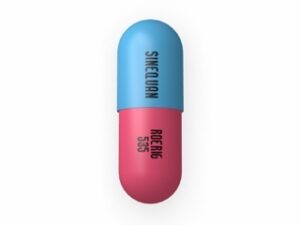
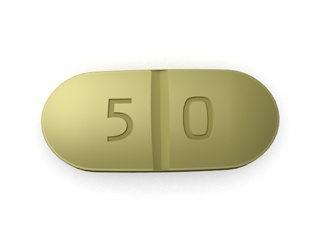
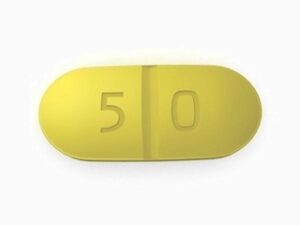
| Common forms | Oral tablet (strengths vary by brand) |
| Typical use | Alcohol dependence support and opioid dependence relapse prevention (where applicable) |
| How it’s taken | Usually once daily by mouth (exact regimen depends on the condition) |
| Key cautions | Must be opioid-free before starting; may precipitate withdrawal if opioids are still in the body |
How naltrexone works (mechanism of action)
Naltrexone blocks opioid receptors in the brain, particularly the mu opioid receptor. By occupying these receptors, it reduces (or blocks) the effects of opioid medicines and—importantly—helps reduce the rewarding “high” associated with opioids.
In alcohol dependence, naltrexone is thought to help by reducing reinforcement pathways related to alcohol use. While it is not an “alcohol blocker” in the same way as some people imagine, it can decrease cravings or the pleasurable effects for some individuals, supporting abstinence or reduced drinking when used as part of a broader treatment plan.
Pharmacokinetics (what the body does to naltrexone)
Pharmacokinetics describes absorption, distribution, metabolism, and elimination. Understanding this can help explain timing, consistency, and why it’s important not to miss doses.
- Absorption: Naltrexone is absorbed after oral dosing. Food does not generally prevent absorption, but individual responses may vary.
- Distribution: It spreads through the body and acts primarily via opioid receptor blockade in the central nervous system.
- Metabolism: Naltrexone is metabolised mainly in the liver. A key active metabolite is 6β-naltrexol.
- Elimination: The parent drug and metabolites are eliminated primarily via the kidneys (urine).
- Half-life: The elimination half-life can vary, with the metabolite often persisting longer than the parent drug. This contributes to sustained receptor blockade for many patients.
Practical takeaway: consistent daily dosing helps maintain steady receptor blockade. If you stop abruptly, the effects will gradually wear off as drug levels decline.
Typical uses
Naltrexone is used in selected situations, most commonly:
- Alcohol dependence: To support reduction in alcohol consumption and help maintain abstinence in people who are ready to address alcohol use, typically alongside counselling and behavioural support.
- Prevention of relapse in opioid dependence: To help prevent relapse after opioid dependence has been addressed and a person is opioid-free. It blocks opioid effects, which may help reduce the risk of returning to opioid use.
- Other specialist-directed indications: In some settings, healthcare professionals may consider naltrexone for specific off-label or guideline-supported uses. Your clinician can discuss appropriateness for your circumstances.
It’s important to remember that naltrexone is a tool—not a stand-alone cure. It works best when combined with psychosocial support, relapse prevention planning, and—where relevant—treatment for underlying mental health needs.
When to take naltrexone (timing and dose routine)
Many people take naltrexone once daily. The exact timing depends on the individual regimen and the condition being treated. The goal is to keep opioid receptor blockade relatively stable.
- Choose a consistent time: Taking it at the same time each day improves adherence.
- If you miss a dose: Take it as soon as you remember on the same day. If it’s close to the time for the next dose, skip the missed dose—don’t double up.
- After starting: Some people notice early changes in cravings or drinking behaviour (for alcohol use), while opioid-blocking effects may become apparent immediately after dosing.
- Assess response: Treatment plans typically review progress after several weeks and adjust support strategies if needed.
If you’re starting naltrexone because of opioid-related relapse prevention, timing and readiness are particularly important (see “Safety profile” and “Alcohol and medicine interactions” sections).
Food interactions
Naltrexone can generally be taken with or without food. There are no widely established major food restrictions for most patients.
- With food: May reduce the likelihood of stomach upset for some people.
- Without food: Some people tolerate it well, while others may feel mild nausea.
Practical tip: If you have nausea or stomach discomfort, taking the dose with a meal or snack may help.
Alcohol and medicine interactions
Alcohol
Naltrexone is used to help with alcohol dependence, but it does not “neutralise” the harmful effects of alcohol. Drinking alcohol while taking naltrexone may still lead to alcohol-related harm such as accidents, impaired driving, liver strain, and worsening health.
- Cravings/pleasure may change: Some people find alcohol feels less rewarding, while others still experience urges.
- Still avoid risky drinking: Because alcohol can cause significant harm regardless of naltrexone, safe drinking guidance and relapse prevention strategies are still essential.
Seek urgent medical help if you experience severe vomiting, confusion, yellowing of the skin/eyes, chest pain, fainting, or severe agitation.
Opioids (critical interaction)
Naltrexone blocks opioid receptors. This means opioids may not work for pain relief, cough relief, or other opioid-related effects while naltrexone is active.
- Opioid medicines may be ineffective: If you need pain relief, tell the treating team that you take naltrexone so they can plan alternatives.
- Opioid withdrawal risk: If you still have opioids in your body (for example, if you have recently used heroin, oxycodone, morphine, or have taken opioid-containing medications), naltrexone can precipitate withdrawal. This is one of the most important safety issues with naltrexone.
Other medicines
Naltrexone has relatively limited drug-drug interaction potential compared with some medicines, but interactions can still occur. Always review your complete medicine list with a healthcare professional, especially if you take:
- Medicines that affect liver function: Naltrexone is metabolised in the liver, so caution is important if you have liver disease or take other hepatotoxic medicines.
- Opioid-containing medicines: Even some cough preparations may contain codeine; ensure your pharmacist checks ingredients.
- Other treatments for mental health or substance use: Combining strategies may be beneficial, but dose adjustments and monitoring may be needed.
If you are unsure whether a product contains an opioid (including “over-the-counter” items), check the ingredients or ask a pharmacist.
Indications (conditions for which it is used)
In Australia, naltrexone is used for specific indications depending on your clinical history. Common indications include:
- Alcohol dependence: Helping support abstinence or reduction of harmful drinking as part of a broader treatment plan.
- Opioid dependence (relapse prevention): After achieving an opioid-free period, to help prevent relapse by blocking opioid effects.
Eligibility and readiness are crucial. For opioid-related relapse prevention, your clinician will determine whether you’re appropriately opioid-free to minimise the risk of withdrawal.
Dosing information (general guidance)
Dosing depends on the condition being treated and individual factors. Exact instructions may vary by product strength and clinical circumstances. Below is general information commonly used for patient education.
General dosing principles
- Once-daily routine: Many regimens are once daily.
- Start carefully for opioid-related use: A supervised approach may be required to reduce withdrawal risk.
- Liver considerations: People with liver impairment may need additional caution or monitoring.
Typical dosing patterns (education only)
- Alcohol dependence: Often starts at a standard daily dose and continues with regular review of progress and adherence.
- Opioid dependence relapse prevention: Requires that opioids are fully cleared before starting. Your clinician may use a stepwise or carefully timed approach.
Important: Do not start or restart naltrexone if you have used opioids recently, unless instructed by your healthcare professional.
Safety profile and precautions
Who should be extra cautious
- Liver disease or abnormal liver tests: Naltrexone can affect liver enzymes. Monitoring may be advised.
- Current or recent opioid use: Starting too soon can cause withdrawal. If you’ve taken opioid medicines or used opioids, discuss timing with your clinician.
- Any medical condition affecting wellbeing: Your clinician should assess risk/benefit if you have other complex health issues.
- Pregnancy and breastfeeding: Discuss with a healthcare professional. The decision depends on the condition being treated and risk to mother and baby.
Common side effects
Side effects can vary between individuals. Some commonly reported effects include:
- Nausea or stomach discomfort
- Headache
- Dizziness
- Fatigue or sleep disturbance
- Decreased appetite
- Muscle or joint aches
Less common but important adverse effects
- Liver-related issues: Report symptoms such as yellow skin/eyes (jaundice), dark urine, unusual tiredness, or upper abdominal pain.
- Mood changes: If you experience severe anxiety, agitation, depression worsening, or thoughts of self-harm, seek urgent help.
- Withdrawal symptoms (if opioids are present): Agitation, sweating, cramps, diarrhoea, nausea, yawning, rapid heartbeat, and chills can occur if opioids haven’t fully cleared.
When to seek urgent medical help
- Severe allergic reaction signs: swelling of face/lips, difficulty breathing, rash with swelling
- Severe vomiting, confusion, fainting, or severe agitation
- Signs of liver injury (jaundice, severe abdominal pain, dark urine)
- Withdrawal that is severe or rapidly worsening
Practical use tips for success
- Plan the “what if” moments: If you drink or feel cravings, have a written plan (support person, coping strategy, safe location, and how to get help).
- Keep track of response: Consider a simple weekly note: cravings intensity, drinking episodes (if relevant), and side effects.
- Use reminders: Apps, phone alarms, and blister packs can help you stay consistent.
- Tell healthcare providers you take naltrexone: This includes dentists and emergency services—opioid pain medicines may not work.
- Avoid opioid-containing products: Check labels for codeine and other opioids in combination products.
- Support matters: Counselling, group support, and relapse prevention strategies significantly improve outcomes.
Alternative options
Depending on the condition being treated and your medical history, healthcare professionals may consider other options. Alternatives may include:
For alcohol dependence
- Acamprosate: Helps maintain abstinence for some people.
- Disulfiram: Creates an adverse reaction if alcohol is taken (requires strong adherence and motivation).
- Psychosocial treatments: Counselling, cognitive behavioural therapy (CBT), motivational interviewing, and support groups.
For opioid dependence
- Medication-assisted treatment: Methadone or buprenorphine/naloxone are commonly used where appropriate.
- Psychosocial supports: Structured counselling, relapse prevention programs, and harm reduction strategies.
The “best” option depends on factors such as the substance involved, health status, previous treatment history, and personal preferences. A healthcare professional can guide you toward the most suitable approach.
Australia: market and legal context
In Australia, medicines are regulated by the Therapeutic Goods Administration (TGA). Availability and classification (for example, whether a product is prescription-only or restricted) depends on the specific product and formulation.
Access to naltrexone commonly occurs via pharmacy supply pathways consistent with Australian medicine scheduling and prescriber requirements. Always ensure you obtain naltrexone from reputable sources and only use it for the purpose discussed with a healthcare professional.
National safety focus: Because naltrexone interacts with opioid medicines and can contribute to withdrawal if started at the wrong time, guidance and careful assessment are important. Australian prescribers and pharmacists also consider liver safety and overall risk/benefit.
Recent guidance and monitoring (what patients should expect)
Guidance can evolve as more evidence becomes available and as safety updates are communicated. While local protocols vary, patients in Australia can generally expect:
- Assessment before starting: Confirmation of current opioid use status (for opioid-related indications) and review of liver history.
- Monitoring: Periodic check of symptoms and, when relevant, liver function tests.
- Review of adherence and side effects: Adjusting the plan if side effects become problematic or if response is limited.
If you’re unsure what monitoring is appropriate for you, ask your pharmacist or doctor what checks they recommend before and during treatment.
Delivery and availability (online pharmacy information)
Naltrexone availability in Australia depends on the product brand and strength, as well as medicine classification and supply rules. If you’re ordering through an online pharmacy, delivery processes typically include:
- Product availability checks: The pharmacy confirms stock and correct item/strength.
- Secure dispensing: The pharmacy may require information to ensure supply is appropriate and safe.
- Shipping: Delivery timing depends on location, carrier, and processing time. Many pharmacies offer standard and express shipping options.
- Packaging: Medicines should arrive in secure, tamper-evident packaging with clear labelling.
If you need the medicine urgently, contact the pharmacy to ask about turnaround time and alternative options if stock is limited.
FAQ
1) Can I take naltrexone if I still use opioids sometimes?
Naltrexone can block opioid effects and may precipitate withdrawal if opioids are still in your system. Do not start or restart naltrexone after opioid use without discussing timing with a healthcare professional.
2) Will naltrexone stop me from feeling drunk if I drink alcohol?
Naltrexone is used to support alcohol dependence, but it does not make alcohol safe. Alcohol can still impair judgment, cause accidents, and harm your liver and health. Avoid risky drinking regardless of naltrexone.
3) How long does naltrexone take to work?
For alcohol-related support, some people notice changes in cravings within days, while others need longer and require additional psychosocial support. For opioid receptor blockade, effects can occur after dosing and then gradually diminish as the medicine wears off.
4) What should I do if I miss a dose?
Take it when you remember on the same day. If it’s near your next scheduled dose, skip the missed dose and continue your normal routine. Do not double the dose.
5) Does naltrexone cause cravings to get worse at the start?
Some people experience side effects early in treatment, and cravings can fluctuate. If symptoms worsen significantly, contact your healthcare professional to review your plan and supportive strategies.
6) Can I use opioid pain relief while taking naltrexone?
Opioid pain medicines may be less effective while naltrexone is active. Always inform clinicians that you take naltrexone so they can consider non-opioid pain strategies or an appropriate plan.
7) Are there dietary restrictions?
Generally, no. Naltrexone can usually be taken with or without food. If stomach upset occurs, taking it with a meal may help.
8) Is naltrexone safe for people with liver problems?
Caution is required. Naltrexone is processed by the liver and may affect liver enzymes. Your healthcare professional may recommend blood tests and careful monitoring, or choose another option depending on the severity of liver impairment.
9) What side effects are most concerning?
Seek medical advice urgently for signs of allergic reaction, severe mood changes, severe withdrawal symptoms (if relevant), or signs of liver injury (such as jaundice, dark urine, or severe abdominal pain).
10) How should I store naltrexone?
Store at room temperature in a cool, dry place, away from moisture and heat. Keep it out of reach of children. Follow the storage instructions on the pack.
Summary
Naltrexone (naltrexone hydrochloride) blocks opioid receptors and is used to support treatment goals in alcohol dependence and—when appropriate—for opioid relapse prevention after opioid-free readiness. It is typically taken once daily, with food usually not a major issue. The most important safety consideration is avoiding opioid exposure at the time of starting, as this can trigger withdrawal. Patients should also consider liver health and report concerning symptoms promptly.
If you’re starting naltrexone or have questions about interactions, side effects, or whether it’s right for your situation, speak with a healthcare professional or pharmacist for personalised advice.