Bicalutamide (Oral) – Patient-Friendly Product Information (Australia)
Bicalutamide is a medicine used in the treatment of certain cancers that depend on androgens (male hormones), most commonly prostate cancer. It works by blocking the effects of testosterone and other androgens at the level of the androgen receptor. This page explains what bicalutamide is, how it works, how it behaves in the body, how it is typically used, and what to expect in terms of safety and interactions.
This information is designed to be patient-friendly and general in nature. Always follow the instructions provided with your medicine and consult a qualified healthcare professional if you have questions.
Basic Product Information
- Generic name: Bicalutamide
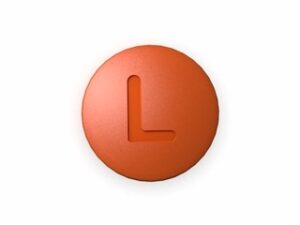
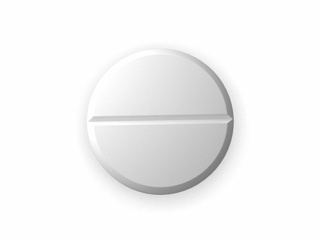
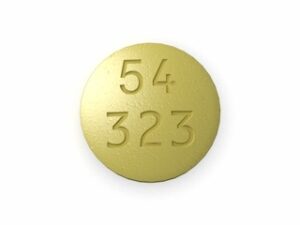
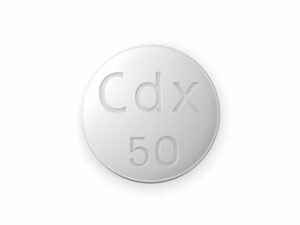
- Medicinal form: Oral tablets (strengths may vary by product)
- Common brand examples: (Brand availability can vary; your product label will confirm the exact brand)
- Therapeutic group: Androgen receptor antagonist
- Typical use context: Prostate cancer treatment plans, often in combination with other hormone therapies
How Bicalutamide Works (Mechanism of Action)
Bicalutamide belongs to a class of medicines called androgen receptor antagonists. Prostate cancer growth is frequently driven by androgens such as testosterone and dihydrotestosterone (DHT). These hormones can bind to the androgen receptor inside prostate cancer cells and activate growth-related processes.
Bicalutamide blocks the androgen receptor, which helps prevent androgen-driven signalling. In many treatment regimens, this leads to tumor response or disease control, including slowing progression or reducing PSA (prostate-specific antigen) levels.
Pharmacokinetics (How the Body Handles Bicalutamide)
Pharmacokinetics describes how a medicine is absorbed, distributed, metabolised, and eliminated. Understanding these factors helps explain dosing schedules and timing.
- Absorption: Bicalutamide is absorbed after oral administration. Absorption is not usually considered highly dependent on food, though individual product labelling and patient tolerance may vary.
- Metabolism: The medicine is primarily metabolised in the liver.
- Elimination: Bicalutamide and its metabolites are eliminated mainly via the body’s clearance pathways, including excretion through bile and urine.
- Half-life: Bicalutamide has a long half-life, meaning it remains in the body for an extended period. This contributes to the convenience of once-daily dosing in many regimens.
Because bicalutamide is processed by the liver, liver health is an important consideration for safety monitoring.
Typical Use and Treatment Timing
Bicalutamide is used for prostate cancer in multiple settings, depending on disease stage and treatment goals. It may be used alone in some cases or, more commonly, as part of combination therapy (for example, with surgical or medical castration).
Common timing considerations
- Once daily dosing: Many patients take bicalutamide once per day at approximately the same time each day.
- Consistency matters: Taking it at a regular time supports stable medicine levels in the body.
- Let your healthcare team guide start/stop dates: Treatment duration varies widely by the clinical situation (e.g., early-stage disease vs. advanced disease, and whether therapy is given before, during, or after other treatments).
If you miss a dose, follow the instructions provided with your medicine or consult a pharmacist. In general, do not double the next dose unless advised.
Food Interactions
Most patients can take bicalutamide with or without food. However, real-world tolerance can differ. If food helps prevent stomach discomfort or nausea for you, taking it with a meal may improve comfort.
- General approach: Take bicalutamide the way your product information instructs (with or without food).
- Grapefruit and similar citrus products: While grapefruit interactions are a common concern with some medications, always check your specific product information and confirm with a pharmacist if you use grapefruit regularly.
- Stomach upset: If you experience nausea or indigestion, try taking your dose with food and tell your healthcare professional if symptoms persist.
Alcohol and Medicine Interactions
Alcohol is not typically listed as a direct interaction for bicalutamide in standard patient information, but alcohol can still affect safety—especially concerning the liver. Bicalutamide is processed by the liver, and heavy alcohol use may increase the risk of liver-related side effects.
- Moderation is advised: If you drink alcohol, keep it moderate and discuss your pattern of alcohol use with your clinician.
- Report liver symptoms: Seek medical advice promptly if you notice symptoms such as unusual fatigue, dark urine, yellowing of the skin/eyes, or persistent nausea.
- Other medicines: Alcohol may worsen side effects like dizziness or fatigue when combined with other treatments.
Because individual circumstances differ, always review your full medication list with a pharmacist, particularly if you take medicines that also affect the liver.
Indications (What Bicalutamide Is Used For)
Bicalutamide is indicated for prostate cancer where androgen receptor blockade is considered beneficial. The exact use depends on the cancer stage and overall treatment plan.
In practice, bicalutamide may be used for:
- Locally advanced prostate cancer: Often as part of androgen deprivation strategies.
- Metastatic prostate cancer: Commonly in combination with other hormone therapies.
- Other specific regimens: Your specialist may recommend bicalutamide in particular clinical scenarios based on response and tolerability.
Dosing (Typical Regimens)
Dosing is based on the treatment plan and the specific formulation supplied. In general, bicalutamide is commonly prescribed as a once-daily tablet.
Common adult dosing pattern
- Typical starting dose: often 150 mg once daily (commonly used in many indications); however, individual dosing can vary based on the product and regimen.
- Alternative doses: Some regimens may use different strengths; always check your exact tablet strength and instructions on your pack.
Important: Do not change your dose without medical advice. If you believe your dose is incorrect, verify the strength on the box and speak with a pharmacist.
Missed dose guidance
- If you miss a dose, take it when you remember unless it is close to the next dose.
- Do not take two doses at the same time to make up for a missed tablet.
- If you frequently miss doses, ask your pharmacist about practical options to improve adherence.
Safety Profile (What to Watch For)
Like all medicines, bicalutamide can cause side effects. Not everyone will experience them, and many effects are manageable with supportive care and monitoring.
Common side effects
- Hot flushes
- Breast tenderness or breast enlargement (gynaecomastia)
- Decreased libido
- Erectile dysfunction
- Fatigue or reduced energy
- Reduced exercise tolerance in some people
Less common but important risks
- Liver problems: Bicalutamide can cause liver enzyme changes in some patients. Monitor as directed by your healthcare professional.
- Shortness of breath or swelling: If you develop symptoms that could suggest fluid retention or other complications, seek medical assessment promptly.
- Blood count changes: Less commonly, other lab abnormalities may occur; periodic blood tests may be part of ongoing care.
When to seek urgent medical advice
Contact urgent care or seek immediate medical help if you experience:
- Signs of severe allergic reaction (e.g., swelling of face/lips, trouble breathing, widespread rash)
- Yellowing of the skin or eyes (jaundice), dark urine, or severe persistent nausea/vomiting
- Severe shortness of breath, chest pain, or fainting
Practical Use Tips (Getting the Best Results)
- Take it at the same time each day: Choose a time you can consistently remember.
- Keep tablets in original packaging: Store as directed on the label (typically away from moisture and heat).
- Attend follow-up tests: Depending on your treatment plan, your clinician may check PSA and perform periodic blood tests (including liver function tests).
- Manage hormone-related effects: Hot flushes, sexual side effects, and fatigue are common in androgen-targeting therapies. Discuss options such as lifestyle measures, symptom management, or supportive therapies.
- Track symptoms: Keep a brief diary of side effects (severity, timing, triggers) to help your healthcare team tailor care.
- Avoid sudden medication changes: If you feel unwell or want to stop, consult first. Stopping hormone therapy unexpectedly can affect disease control.
Alternative Options (If Bicalutamide Isn’t Suitable)
Treatment for prostate cancer depends on stage, tumour characteristics, previous therapies, and overall health. There are several alternative androgen-targeting strategies and prostate cancer treatments.
Common categories of alternatives include:
- Other androgen receptor pathway inhibitors: e.g., agents in the same therapeutic family used in specific settings.
- Androgen deprivation therapy (ADT): medications that reduce testosterone levels (via medical castration) or surgical options.
- Other cancer treatments: radiotherapy, chemotherapy, and newer systemic therapies may be considered depending on risk and stage.
If you are considering an alternative, the best choice depends on your disease profile and your side-effect tolerance. Discuss options with your oncology team.
Drug Interactions (Medicine-to-Medicine Considerations)
Interactions can occur when another medicine affects how bicalutamide is metabolised or when side effects overlap. It is important to provide your pharmacist with a complete list of: prescription medicines, over-the-counter medicines, vitamins, herbal supplements, and occasional therapies.
Alcohol-related considerations
- Moderate use only: Avoid heavy alcohol intake due to liver considerations.
- Inform your clinician: If you consume alcohol regularly or heavily, your clinician may want closer monitoring.
Liver-metabolism considerations
Because bicalutamide is metabolised in the liver, medicines that strongly affect liver enzymes may change bicalutamide levels. This is one reason not to start or stop other medicines without advice.
Always check the labels of your medications and ask a pharmacist about interactions, especially if you take:
- Medicines for fungal or bacterial infections
- Some heart rhythm medicines
- Antidepressants and other central nervous system medicines
- Herbal products, particularly those with known interactions
Market and Legal Context for Australia
In Australia, medicines are regulated under the Therapeutic Goods Administration (TGA) and must meet strict requirements for safety, quality, and supply. Availability and classification (for example, whether a medicine is prescription-only or otherwise restricted) can vary by product and strength.
For online pharmacies, supplying and dispensing of medicines must follow Australian legal and regulatory requirements, including appropriate patient assessment processes. Product availability, packaging, and supporting documents (such as consumer medicine information) may vary depending on supplier and supply channel.
If you are unsure about eligibility, supply timing, or documentation needed to purchase your medicine online, contact customer support before placing an order.
Recent Guidance and Monitoring (Patient-Focused Overview)
Clinical care for prostate cancer evolves as new evidence becomes available. Ongoing practice typically emphasises:
- Regular PSA monitoring and symptom review
- Liver function monitoring where indicated, particularly during early months or if risk factors exist
- Management of side effects to improve quality of life and adherence
- Review of co-morbidities (e.g., cardiovascular risk factors, diabetes, liver disease)
Your clinician will decide the monitoring schedule that fits your specific situation.
Delivery and Availability (Online Pharmacy Information)
Availability may vary by strength and supplier. Many pharmacies provide:
- Standard delivery: to metro and regional areas (delivery times vary)
- Tracking updates: for most shipping methods
- Discrete packaging: to support privacy
To estimate delivery time, check the shipping information at checkout (postcode-based estimates are commonly used). If you require urgent delivery, contact support prior to ordering where possible.
Storage requirements can be important—confirm how your medicine should be stored when it arrives, and keep it out of reach of children.
FAQ – Common Questions About Bicalutamide
1) What is bicalutamide used for?
Bicalutamide is used for prostate cancer where blocking androgen signalling is part of the treatment plan. It may be used alone or with other therapies depending on disease stage and clinical goals.
2) How do I take bicalutamide?
Take it once daily at approximately the same time each day, according to the instructions on your medicine label. You can usually take it with or without food (follow the pack directions).
3) What should I do if I miss a dose?
Take the missed dose when you remember unless it is close to your next scheduled dose. Do not double doses. If you’re unsure, ask your pharmacist for advice.
4) Can I take bicalutamide with food?
In most cases, yes. If food helps reduce stomach discomfort, taking it with a meal may be beneficial. Always follow the instructions provided with your specific product.
5) Is it safe to drink alcohol?
Moderate alcohol intake may be acceptable for many people, but heavy or frequent alcohol use may increase liver-related risk. If you drink alcohol, discuss your habits with your healthcare provider and seek advice if you develop liver symptoms.
6) What are the most common side effects?
Common side effects include hot flushes, breast tenderness/enlargement, decreased libido, erectile dysfunction, and fatigue. Many symptoms can be managed with lifestyle strategies and supportive care.
7) Does bicalutamide affect the liver?
Bicalutamide can be associated with changes in liver enzymes and, less commonly, liver problems. Your clinician may request blood tests to monitor your liver function. Stop and seek medical advice if you develop signs of liver injury (e.g., yellowing of the skin/eyes).
8) Will bicalutamide affect my sexual function?
Yes. Because it blocks androgen effects, it commonly reduces libido and can cause erectile dysfunction. These changes are a known part of androgen-targeting therapy; speak with your doctor about coping strategies.
9) Are there alternatives to bicalutamide?
Yes—there are other hormonal therapies and prostate cancer treatments, depending on your specific situation. Your oncology team can discuss alternatives if bicalutamide is not suitable or if side effects are difficult to manage.
10) How long does it take to work?
Response varies among individuals. Some people see PSA changes relatively early, while tumour response and disease control may take longer. Ongoing monitoring is used to evaluate effectiveness.
Quick Reference Table
| Category | Information |
|---|---|
| Medicine | Bicalutamide |
| Type | Androgen receptor antagonist (hormone therapy) |
| Main use | Prostate cancer (as part of treatment plans) |
| How it works | Blocks androgen receptor signalling |
| Typical dosing schedule | Often once daily (strength depends on regimen and product) |
| Food | Usually can be taken with or without food |
| Alcohol | Moderation advised; heavy use may increase liver risk |
| Key safety focus | Liver monitoring may be needed; watch for signs of liver injury |
Talk to a pharmacist or clinician if you have existing liver disease, take other medicines (including herbal products), or want help managing side effects such as hot flushes, fatigue, or breast tenderness. With appropriate monitoring and supportive care, many patients can continue treatment comfortably and safely.