
Tasigna (Nilotinib) – Patient-Friendly Guide (Australia)
Tasigna is a prescription cancer medicine containing nilotinib. It is used to treat certain types of leukaemia by targeting specific abnormal proteins that drive cancer growth. This guide explains what Tasigna is, how it works, how it behaves in the body, typical use, key safety considerations, and practical tips for everyday use in Australia.
Important: Always follow the treatment plan provided by your treating team. Cancer medicines can have serious side effects and require careful monitoring.
1) Basic product information
- Medicine name: Tasigna
- Active ingredient: Nilotinib
- Medicine type: Targeted therapy (a tyrosine kinase inhibitor)
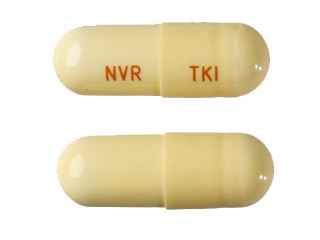
- Common dosage strengths: Available in capsule form (strengths may vary by market packaging)
- How it is taken: By mouth, as capsules
- Who it is for (broadly): People with certain forms of Philadelphia chromosome–positive chronic myeloid leukaemia (CML) and, in some circumstances, related conditions
2) What Tasigna is used for
Tasigna is used to treat cancers driven by the BCR‑ABL tyrosine kinase protein. This includes:
- Chronic myeloid leukaemia (CML) that is Philadelphia chromosome positive (Ph+ CML), including:
- Chronic phase CML
- Accelerated phase or blast phase CML in appropriate situations
- Gastrointestinal stromal tumour (GIST): Tasigna is not a standard treatment for GIST; other targeted medicines are used for that condition.
Which exact phase and treatment line applies to you depends on your diagnosis, prior treatments, genetic testing results, and response monitoring.
3) Mechanism of action (how Tasigna works)
Nilotinib is a tyrosine kinase inhibitor (TKI). It blocks abnormal signalling caused by the BCR‑ABL fusion protein.
- BCR‑ABL is produced by a genetic change called the Philadelphia chromosome.
- This abnormal protein activates signals that help leukaemia cells grow and survive.
- By inhibiting BCR‑ABL, nilotinib helps reduce the number of leukaemia cells and can achieve and maintain deep remissions in many patients.
Tasigna works by targeting the cancer at a molecular level, rather than broadly killing rapidly dividing cells like some chemotherapy approaches.
4) Pharmacokinetics (how the medicine moves through the body)
Pharmacokinetics (PK) describes absorption, distribution, metabolism, and elimination.
Absorption
- Nilotinib is taken by mouth as capsules.
- Food can significantly affect absorption. This is why Tasigna must be taken with specific timing around meals.
Distribution
- Nilotinib is highly protein bound in the bloodstream.
Metabolism
- Nilotinib is primarily metabolised in the liver, involving enzyme systems such as CYP3A4.
Elimination
- The medicine and its metabolites are mainly removed through hepatobiliary pathways (bile and faeces).
Clinical significance: Because metabolism involves liver enzymes and because food strongly affects absorption, correct administration timing and careful medicine interaction checks are essential.
5) Typical use and treatment timing
Tasigna is commonly taken twice daily for many CML treatment regimens, but your exact schedule depends on your phase and your treating plan.
How to time your doses with meals
One of the most important practical rules with Tasigna is meal spacing. Food (especially certain meals) can increase drug exposure and raise risk of side effects.
- Take Tasigna capsules on an empty stomach.
- For typical guidance, dosing is separated from food by a period before and after meals.
- A common approach is to take your dose and then wait at least 2 hours after finishing food before taking Tasigna again, and to wait at least 1 hour after taking Tasigna before eating.
Follow your local instructions from your healthcare team, because schedules may vary depending on your regimen and product specifics provided in Australia.
Missed dose guidance (general)
- If you miss a dose, do not double up to catch up.
- Take the next scheduled dose instead and contact your care team or pharmacist for advice.
6) Food interactions (very important)
Nilotinib exposure can change markedly with food. This can affect both effectiveness and safety.
Key points
- Avoid taking Tasigna with food.
- Use meal spacing exactly as advised.
- If you need to adjust eating patterns (e.g., shift work, nausea, or altered appetite), discuss this with your pharmacist or treating team.
Which foods matter most?
- The main issue is that food generally increases absorption.
- Because the magnitude of effect can vary, strict empty-stomach timing is recommended rather than relying on “safe” food types.
Practical tip: Many patients find it easiest to build routines, such as taking Tasigna at consistent times between breakfast and lunch, and between dinner and bedtime.
7) Alcohol interactions
Nilotinib itself is metabolised in the liver. Alcohol can also affect the liver and may worsen side effects such as fatigue or nausea. Heavy drinking can increase strain on liver metabolism pathways.
- If you drink alcohol, discuss an appropriate limit with your doctor.
- A cautious approach is to avoid heavy or binge drinking during treatment.
- If you develop symptoms such as yellowing of the skin/eyes, unusual dark urine, or severe fatigue, seek medical advice promptly.
8) Medicine interactions (important)
Tasigna can interact with other medicines, especially those affecting liver enzymes and heart rhythm.
Contact your pharmacist before starting/stopping:
- Strong or moderate CYP3A4 inhibitors (may increase nilotinib levels and side effects)
- CYP3A4 inducers (may reduce nilotinib levels and effectiveness)
- Medicines that prolong the QT interval (affecting heart rhythm)
- Acid-reducing medicines (timing may be affected; discuss specifics)
- Herbal products (e.g., St John’s wort can significantly affect metabolism)
Common interaction categories to watch:
- Antifungals and some antibiotics (can inhibit drug-metabolising enzymes)
- Some anti-nausea medications and other supportive medicines
- Migraine medicines and others that may affect heart rhythm in combination
Always provide your pharmacist with a full list of prescription medicines, over-the-counter products, vitamins, and supplements. If you use a “webster pack” or have multiple clinicians, ask for a medication review.
9) Dosing (general information)
Dosing schedules for Tasigna depend on:
- Your CML phase (chronic, accelerated, blast phase)
- Your prior treatments
- How your body tolerates the medicine
- Laboratory results (e.g., blood counts, liver tests, lipid levels)
- Other risk factors (including heart rhythm considerations)
Common schedule: Many regimens use twice-daily dosing. Your care team will specify the exact strength and timing.
What to do if side effects occur
- Your doctor may adjust the dose, pause treatment, or switch therapy depending on your safety labs and symptom severity.
- Do not change dosing by yourself without guidance.
Monitoring is part of dosing: Regular blood tests and heart monitoring may be required, especially early in treatment and after dose changes.
10) Safety profile (what to watch for)
Tasigna can cause side effects. Some are common and manageable; others require prompt attention and monitoring. People vary in how they respond.
Common side effects
- Fatigue
- Nausea
- Headache
- Constipation or diarrhoea
- Rash
- Muscle or joint aches
- Some patients may experience fluid retention or changes in taste
Important risks (require monitoring)
- QT prolongation / heart rhythm changes: Tasigna may affect the electrical activity of the heart. Risk can increase with certain interacting medicines, low potassium/magnesium, or existing heart conditions.
- Laboratory changes: including low blood counts, raised liver enzymes, and elevated lipids.
- Pancreatitis: may occur; symptoms can include severe abdominal pain.
- Vascular events: report new symptoms urgently (e.g., chest pain, sudden shortness of breath, one-sided weakness, severe headache).
- Cardiovascular risk: your doctor may assess baseline risk factors.
Seek urgent medical help immediately if you experience symptoms such as fainting, severe chest pain, sudden breathlessness, signs of stroke (face drooping, arm weakness, speech difficulty), or severe allergic reactions.
Regular monitoring may include
- ECG (heart tracing) and monitoring of electrolytes (potassium, magnesium)
- Blood tests for liver function and blood counts
- Lipid tests (cholesterol and triglycerides)
- Assessment of treatment response (e.g., molecular tests for BCR‑ABL)
11) Practical use tips (making treatment easier)
Take it consistently
- Use the same times each day to help maintain steady levels.
- Set reminders for your twice-daily schedule.
Follow empty-stomach instructions carefully
- Plan meals around your dose timing.
- If you miss the timing, speak with your pharmacist about how to adjust your next dose.
Manage nausea and fatigue
- Ask your doctor or pharmacist about anti-nausea options suitable for you.
- Stay hydrated and prioritise light meals (but always respect the empty-stomach rules).
Keep track of symptoms and labs
- Keep a list of side effects and when they occur.
- Bring it to clinic visits so your team can make safe decisions about dose adjustments.
Heart-rhythm precautions
- Tell your doctor if you have a history of heart rhythm issues or fainting.
- Report palpitations, dizziness, or new shortness of breath.
- Ask about medication interactions before using new medicines (including some cold/flu products).
12) Alternative options (when Tasigna isn’t suitable)
For Ph+ CML, multiple targeted therapies (TKIs) exist. Whether an alternative is appropriate depends on the phase of disease, previous response, tolerability, genetic factors, and safety profile.
Examples of other TKIs your doctor may consider
- Imatinib
- Dasatinib
- Bosutinib
- Ponatinib (used in specific circumstances)
Your treating team chooses based on your treatment goals, response history, side effect risks (including heart rhythm risk), and interaction potential.
Supportive care also matters: managing side effects, infection prevention strategies where relevant, and monitoring treatment response.
13) Market and legal context for Australia
In Australia, cancer medicines like Tasigna are regulated under the Pharmaceutical Benefits Scheme (PBS) and/or private supply pathways, depending on eligibility and product listing. Availability and subsidisation can vary.
- Regulatory framework: medicines must be supplied according to Australian rules, including prescribing and dispensing requirements.
- Supply considerations: stock availability may vary by strength and packaging.
- Quality and authenticity: reputable pharmacies source products through authorised channels.
If you are managing long-term therapy, ask your pharmacist about consistent supply options, repeat dispensing arrangements (where applicable), and how to plan around holidays or delivery cut-offs.
14) Recent guidance and ongoing monitoring
Guidance for TKIs evolves as new safety data and clinical monitoring recommendations become available. In practice, ongoing treatment with nilotinib typically involves:
- Regular ECG and electrolyte checks where indicated
- Periodic blood tests (including liver enzymes and blood counts)
- Lipid monitoring due to the potential for raised cholesterol and triglycerides
- Periodic BCR‑ABL testing to confirm response and guide continuation or changes
Your specialist will tailor monitoring frequency based on your response and safety profile. Always attend scheduled monitoring appointments.
15) Delivery and availability (Australia)
Availability of Tasigna can depend on ongoing supply and the capsule strength requested. Many online pharmacies can facilitate delivery across Australia, subject to standard regulatory requirements and stock status.
What to expect
- Stock checks: orders may be confirmed once stock is allocated.
- Packaging: medicines are typically supplied in original manufacturer packaging.
- Delivery timeframes: vary by location and service level.
- Cold-chain storage: Tasigna does not usually require refrigeration under normal conditions—however follow the label instructions.
Plan ahead: Because nilotinib is often taken long term, avoid running out by ordering before your current supply ends.
16) Storage and handling
- Store Tasigna as directed on the product label (commonly at room temperature away from moisture and heat).
- Keep capsules in their original packaging.
- Keep out of reach of children.
- Do not use beyond the expiry date.
17) FAQ
Can I take Tasigna with food?
No. Tasigna is generally taken on an empty stomach. Food can significantly change absorption. Follow the meal timing instructions provided by your care team.
What if I accidentally eat close to my dose?
If you eat too close to a scheduled dose, don’t try to “make up” the dose without guidance. Contact your pharmacist or treating team for advice tailored to your situation.
How long does treatment usually last?
Tasigna is often used as long-term therapy in CML to maintain remission. Duration depends on your response and tolerability, guided by regular molecular testing.
Are there any alcohol-related precautions?
Moderate to heavy alcohol use may increase strain on the liver and may worsen side effects. Discuss what is safe for you with your doctor, particularly if you have liver test abnormalities.
Does Tasigna interact with over-the-counter medicines?
Yes. Some over-the-counter products can affect heart rhythm, liver enzymes, or electrolyte balance. Ask your pharmacist before taking new products, including cold/flu medicines, antacids, herbal supplements, or pain medicines.
Can I take herbal supplements or vitamins?
Some supplements can interact with nilotinib. Tell your pharmacist about all supplements, even “natural” products. Avoid St John’s wort unless your doctor specifically advises it.
What monitoring will I need?
Monitoring often includes ECG, blood tests (including liver function and blood counts), lipid tests, and molecular response testing for BCR‑ABL. The exact schedule depends on your treatment phase and risk factors.
What side effects are most concerning?
Seek urgent help for severe chest pain, fainting, sudden shortness of breath, signs of stroke, or severe abdominal pain. Also report symptoms such as palpitations or persistent dizziness, and any signs of liver problems.
What should I do if I miss a dose?
Do not double up. Take the next scheduled dose and contact your pharmacist or treating team if you’re unsure.
Are there alternatives if I cannot tolerate Tasigna?
Yes. Other TKIs may be considered depending on your disease phase, past response, and side effect profile. Your specialist will recommend the best option.
Summary
Tasigna (nilotinib) is a targeted therapy used for certain types of Philadelphia chromosome–positive CML. It works by inhibiting the BCR‑ABL protein that drives leukaemia cell growth. Because Tasigna absorption is affected by food and because it can have important safety considerations—especially around heart rhythm and liver-related monitoring—successful treatment relies on correct timing, careful interaction checks, and regular clinical monitoring.
If you’d like help preparing a list of your current medicines for an interaction check, or you want guidance on meal timing routines, speak with your pharmacist.