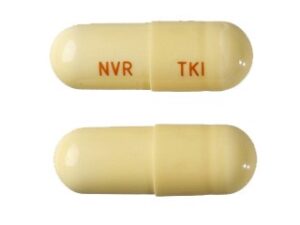


Capecitabine (Capecitabine) — Patient Guide (Australia)
Capecitabine is a prescription anti-cancer medicine used to treat several types of cancer, most commonly cancers of the colon and rectum, and breast cancer. Many people find it helpful to understand how it works, how it’s taken, what to expect during treatment, and when to seek urgent medical help.
This page provides patient-friendly information about capecitabine for readers in Australia. It explains common uses, timing with meals, possible interactions, safety considerations, and practical tips.
Key Product Information (Overview)
| Category | Details |
|---|---|
| Generic name | Capecitabine |
| Medicinal form | Oral tablets (swallowed whole with water) |
| What it’s used for | Cancers including colorectal and breast cancer (depending on regimen) |
| How it’s taken | Usually in cycles with rest periods; exact schedule varies by treatment plan |
| Main side effects | Hand–foot syndrome, diarrhoea, nausea, fatigue, low blood counts |
| Important monitoring | Blood tests (full blood count, liver function), assessment of symptoms |
How Capecitabine Works (Mechanism of Action)
Capecitabine is a “prodrug,” meaning it’s converted in the body into its active form. The active drug targets rapidly dividing cancer cells by interfering with DNA production.
After absorption, capecitabine is metabolised through several steps. The final active metabolite is 5-fluorouracil (5‑FU), which works by:
- Inhibiting thymidylate synthase, an enzyme needed to make DNA building blocks.
- Disrupting DNA and RNA formation, reducing cancer cell growth and replication.
Because conversion occurs more in tumour tissue than in healthy tissue (though not exclusively), capecitabine is designed to provide targeted anti-cancer activity when taken as directed.
Pharmacokinetics (How the Body Handles Capecitabine)
Pharmacokinetics describes what happens to the medicine in the body—absorption, metabolism, distribution, and elimination.
- Absorption: Capecitabine is absorbed from the gastrointestinal tract and then converted to active compounds.
- Metabolism: The drug undergoes multi-step metabolism, ultimately producing 5‑FU in the body.
- Protein binding: Some metabolites bind to plasma proteins to varying extents.
- Elimination: Metabolites are mainly cleared by the kidneys and excreted in urine.
Practical takeaway: because clearance involves the kidneys, kidney function can influence dosing and safety. Your clinician may adjust treatment if kidney function is reduced.
Typical Use in Australia (Indications)
The exact use of capecitabine depends on the cancer type, stage, and treatment regimen. Common indications include:
- Breast cancer: Often used in certain settings, including combinations or specific patient groups as determined by oncology specialists.
- Colorectal cancer: Treatment for cancers of the colon and rectum, including metastatic disease in some regimens.
- Adjuvant or neoadjuvant strategies: In some circumstances, capecitabine is used around surgery or after surgery to reduce recurrence risk, depending on guideline and patient factors.
Your care team will specify the goal of therapy (e.g., cure/curative intent, disease control, or symptom control) and the schedule best suited to you.
Dosing and Timing (What “How to Take” Usually Looks Like)
Capecitabine is typically taken by mouth on a defined schedule (often described as “cycles,” such as days on treatment followed by days off). The dose may be based on your body surface area (BSA) and adjusted for safety, age, and organ function.
Important: Always follow the specific dosing schedule provided by your treating clinician or the written treatment plan. Doses may change during treatment.
Typical schedule concept (general)
- Many regimens use two times daily dosing with a rest period between cycles.
- Treatment days and the number of tablets per dose depend on your prescribed dose.
Taking capecitabine with food
Capecitabine absorption is affected by food. A commonly used instruction is:
-
Take a dose
. -
Take doses about
(unless your clinician specifies otherwise).
Tip: Try to keep meal times consistent. Missing doses or taking them at the wrong time can reduce effectiveness or increase side effects.
If you miss a dose
- Do not take extra tablets to “catch up.”
- Contact your oncology team for advice on the next steps if you miss a dose.
Food Interactions and Dietary Considerations
Food is the most important “interaction” to understand for capecitabine.
- With meals: Taking capecitabine after a meal helps with appropriate absorption.
- Without food: Taking it on an empty stomach may alter drug exposure, potentially affecting safety and effectiveness.
There are no universal dietary restrictions like those for some other medications, but you should consider:
- Stay well hydrated, especially if you experience diarrhoea.
- Manage nausea with small, frequent meals if recommended.
- Avoid large alcohol intake (see below).
Alcohol Interactions
Alcohol doesn’t usually have a single direct “forbidden” interaction with capecitabine, but it can significantly affect side effects and safety.
- Alcohol may worsen nausea, diarrhoea, fatigue, and dehydration.
- If you develop mouth sores or stomach irritation, alcohol can make these worse.
- Alcohol may also affect liver function, which is relevant since your clinician will monitor blood tests during treatment.
Many patients are advised to limit or avoid alcohol during chemotherapy. If you’d like personalised guidance, ask your oncology team, especially if you have liver disease, heavy alcohol use history, or prior treatment-related toxicity.
Medicine Interactions (Including Common Categories)
Capecitabine can interact with other medicines by changing drug levels, increasing toxicity, or affecting side-effect risk. Always provide your pharmacist and oncology team with a complete list of:
- All prescription medicines
- Over-the-counter products
- Herbal supplements and vitamins
Notable interaction considerations
- Warfarin and other vitamin K antagonists: Capecitabine can increase bleeding risk by affecting coagulation (higher INR). If you take warfarin, you will need close INR monitoring.
- Phenytoin: Capecitabine may alter phenytoin levels, affecting seizure control.
- Leucovorin (folinic acid): This may be used in some regimens and can increase the effect of 5‑FU.
- Other chemotherapy agents: Combination therapy may increase risks such as bone marrow suppression and diarrhoea.
- Medications affecting kidney function: Since capecitabine is cleared via the kidneys, drugs that impact renal function may require extra caution.
Herbal and “natural” products
Supplements are not always safe during cancer treatment. Examples of products that may require caution include those affecting liver enzymes or blood clotting (e.g., certain herbal products marketed for “blood thinning” or immune boosting). Check with your pharmacist before starting anything new.
Safety Profile: Common and Serious Side Effects
Capecitabine’s most important side effects are related to the way it affects fast-growing cells in healthy tissues, including skin, the gut lining, and the bone marrow. Side effects are often manageable with dose adjustments, supportive medicines, and careful monitoring.
Common side effects
- Hand–foot syndrome (palmar-plantar erythrodysaesthesia): redness, swelling, pain, or peeling of palms/soles.
- Diarrhoea (sometimes can become severe—report promptly).
- Nausea and/or vomiting.
- Fatigue and weakness.
- Mouth sores or inflammation of the mouth.
- Low blood counts (including anaemia, low white blood cells, and low platelets), which can increase infection or bleeding risk.
- Rash or dry skin.
Serious side effects (seek urgent medical help)
Contact your oncology team urgently or seek emergency care if you experience:
- Fever (especially if you might have low white blood cells).
- Severe or persistent diarrhoea, dehydration, or inability to keep fluids down.
- Severe hand–foot syndrome affecting daily activities, blistering, or ulcers.
- Uncontrolled vomiting or severe abdominal pain.
- Signs of infection (e.g., chills, feeling very unwell).
- Bleeding or unusual bruising, particularly if you’re on blood thinners.
When dose adjustment may be needed
Depending on toxicity and blood test results, clinicians may recommend:
- Temporarily stopping treatment
- Reducing the dose
- Delaying the next cycle
- Using supportive medicines
Practical Use Tips (How to Stay Safer Day-to-Day)
Hand–foot syndrome prevention tips
- Keep hands and feet moisturised with a fragrance-free emollient (unless your clinician advises otherwise).
- Avoid friction and heat: minimise hot water soaks, strenuous walking/running, and tight footwear.
- Protect skin during daily activities (e.g., gloves for cleaning).
- Report early symptoms (tingling, redness) so treatment can be adjusted quickly.
Diarrhoea management tips
- Start reporting diarrhoea early rather than waiting for it to become severe.
- Use the anti-diarrhoea plan provided by your oncology team.
- Maintain hydration: oral rehydration solutions can be useful.
- Eat bland foods if nausea or bowel changes occur (follow any diet advice from your team).
Mouth care
- Perform gentle mouth hygiene and use non-alcohol mouthwash if recommended.
- Avoid spicy, acidic, or rough-textured foods if mouth sores develop.
- Ask about preventive or therapeutic mouth treatments early.
Blood test monitoring
Capecitabine treatment typically includes regular blood tests. These help detect low blood counts and liver/kidney changes early, allowing safer continuation.
Pregnancy and contraception (important)
Capecitabine can harm an unborn baby. People of childbearing potential should use effective contraception during treatment and for the period your clinician advises after treatment ends. Your oncology team will also advise on contraception for partners where relevant.
Pharmacist and Patient Checklist: Before You Start and During Treatment
- Kidney function: ensure your clinician has recent kidney test results (creatinine/eGFR).
- Medication list: include warfarin, seizure medicines, and any supplements.
- Allergies: mention any history of reactions to chemotherapy agents.
- Plan for side effects: ask what to do for diarrhoea, fever, mouth sores, or skin changes.
- Storage: follow the packaging instructions for safe storage away from moisture and heat.
- Adherence: set reminders for morning/evening doses and meal timing.
Alternative Options (Depending on Cancer Type and Stage)
If capecitabine is not suitable, there are alternative treatments that may be considered. The best option depends on your diagnosis, prior treatments, overall health, and treatment goals.
Possible alternatives (examples)
- Other oral or intravenous fluoropyrimidines: e.g., different 5‑FU-based strategies.
- Different chemotherapy regimens: chemotherapy combinations may be used depending on the cancer.
- Targeted therapy: medicines aimed at specific cancer markers (only if appropriate).
- Immunotherapy: in selected cancers and based on biomarkers.
- Supportive care / symptom management: alongside cancer treatment.
Discuss options with your treating oncology team. They can explain what’s most suitable for your specific cancer profile and how alternatives compare in terms of benefit and side effects.
Market, Legal, and Quality Context in Australia
In Australia, cancer medicines are regulated under the Therapeutic Goods Administration (TGA) system. Medicines must meet quality, safety, and manufacturing standards, and supply can be subject to prescribing, monitoring, and dispensing rules.
Capecitabine is generally supplied through approved channels and is dispensed in accordance with Australian requirements, including appropriate patient counselling and pharmacy record-keeping.
Availability can vary depending on brand, tablet strength, and supply chain timing. Your pharmacy can usually advise on:
- Tablet strengths and how many tablets are required for your dose
- Expected supply timeframes
- Substitution rules (if any) for equivalent strengths
Recent Guidance and Ongoing Updates
Cancer treatment recommendations can change as new clinical evidence becomes available. In Australia, clinicians commonly follow guidance published by recognised bodies and use evidence from international trials and local consensus for supportive care.
Because capecitabine dosing and safety management may evolve (for example, thresholds for dose reduction or supportive medications), it’s important to:
- Use the most recent instructions from your treating team.
- Attend scheduled blood tests and monitoring appointments.
- Report symptoms early so your team can respond quickly.
Delivery and Availability (What to Expect)
Availability of capecitabine tablets can vary by strength and packaging. When ordering through an online pharmacy service, delivery options depend on local regulations and the pharmacy’s operational arrangements.
- Stock status: Some strengths may be routinely available while others can take longer.
- Dispatch time: Delivery time often depends on when the order is processed.
- Packaging: Medications are typically dispatched with patient information labels and storage instructions.
If you need your tablets urgently (e.g., starting a new cycle), speak with the pharmacy to confirm stock and delivery time before the next treatment day.
Safety in Special Situations
Kidney impairment
Because capecitabine metabolites are cleared through the kidneys, kidney impairment may increase risk of toxicity. Your clinician may adjust the dose and monitor you more closely.
Liver impairment
Liver function can be affected by cancer or other conditions. Your oncology team will review liver tests and may adjust treatment accordingly.
Older adults
Older age can increase the chance of side effects. Your care team may choose a conservative dosing strategy or provide more frequent monitoring and supportive care.
FAQ (Frequently Asked Questions)
1) What is capecitabine used for?
Capecitabine is used to treat certain cancers, including colorectal and breast cancer, depending on your specific diagnosis and treatment regimen.
2) How should I take capecitabine?
Follow your personalised schedule. Many regimens use doses about 12 hours apart and instruct taking capecitabine within 30 minutes after finishing a meal.
3) Can I take capecitabine with food or does it matter?
Food timing matters. Taking it after a meal helps achieve more consistent absorption. Avoid taking doses on an empty stomach unless your clinician specifically instructs otherwise.
4) What should I do if I vomit after taking a dose?
Don’t take an extra dose without guidance. Contact your oncology team for advice, especially if vomiting happens repeatedly or soon after dosing.
5) What side effects are most important to watch for?
Report early symptoms of hand–foot syndrome, diarrhoea, fever, and signs of infection. Prompt reporting allows your team to adjust treatment and reduce complications.
6) Is it safe to drink alcohol while on capecitabine?
Many people are advised to limit or avoid alcohol because it can worsen nausea, diarrhoea, dehydration, and fatigue. Ask your oncology team for guidance tailored to your health and treatment plan.
7) Are there interactions with common medicines?
Yes. Notably, capecitabine may interact with medicines like warfarin and some seizure medicines such as phenytoin. Always share your full medication list with your pharmacist.
8) How long does one treatment cycle last?
Cycle length varies by regimen. Your oncology team will explain the exact days you take capecitabine and the days you rest.
9) Can capecitabine be stopped if side effects are bad?
Don’t stop capecitabine on your own. Your team may temporarily pause, reduce the dose, or prescribe supportive medicines depending on severity. Contact them early.
10) What should I do about hand–foot syndrome?
Start moisturising and protect hands and feet from heat/friction. Report symptoms at the first sign of redness, swelling, tingling, or pain so dose adjustment can be considered.
Summary
Capecitabine is an oral chemotherapy medicine that works by converting in the body to an active form that disrupts DNA synthesis in cancer cells. It is used for certain cancers, most commonly colorectal and breast cancer, and is taken on a structured schedule with important timing around meals.
During treatment, monitoring and early symptom reporting are crucial. Common side effects include diarrhoea and hand–foot syndrome, while serious complications—such as fever in the setting of low white blood cells—require urgent attention. In Australia, capecitabine is available through approved supply channels and is supported by structured pharmacy counselling and clinical monitoring.
If you have questions about how to take capecitabine or how to manage side effects, speak with your oncology team or pharmacist.