Trandate (Labetalol) – Patient Information (Australia)
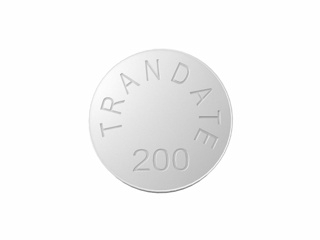
Trandate contains labetalol, a medicine used to treat certain conditions where lowering blood pressure (and in some cases reducing heart strain) is important. This guide is written to be patient-friendly and focuses on how the medicine works, how it’s used, and what to consider for safety and everyday life in Australia.
Important: Always follow the instructions provided by your healthcare professional. Your dose may be different from general information below.
Quick Facts
- Active ingredient: Labetalol
- Brand name: Trandate
- Medicine type: Beta-blocker with alpha-blocking activity
- Common uses: High blood pressure (hypertension), including situations where rapid control is needed (as directed)
- How it works: Lowers blood pressure by blocking certain receptors in the heart and blood vessels
- Key precautions: Asthma/wheezing, slow heart rate, certain heart rhythm problems, and careful use in diabetes
Basic Product Information
| Category | Details |
|---|---|
| Brand | Trandate |
| Generic name | Labetalol |
| How it is supplied | Available in different formulations depending on the market and prescribing practices (commonly tablets; injectable forms may be used in hospital settings) |
| Class | Beta-blocker (non-selective) with alpha-1 blocking activity |
| Typical indication (general) | Hypertension; in specific clinical situations where both heart rate and blood vessel tone need management |
Note on formulations: Trandate may be available as tablets and may also be used as an injection under medical supervision. The exact timing and dose schedule you follow will depend on your specific product and condition.
How Trandate Works (Mechanism of Action)
Labetalol is designed to reduce blood pressure using a combined effect on two receptor types:
- Beta (β) blockade: Helps slow the heart rate and reduces the force with which the heart pumps, lowering the overall workload on the heart.
- Alpha-1 blockade: Relaxes blood vessels, helping improve blood flow and reduce peripheral resistance.
By reducing both heart output and blood vessel resistance, labetalol helps lower blood pressure and can be useful when a more balanced effect is desirable.
Pharmacokinetics (How the Body Handles Labetalol)
Pharmacokinetics describes how a medicine is absorbed, distributed, metabolised, and eliminated. While individual responses vary, the general pattern for labetalol includes:
- Absorption: Labetalol is absorbed after oral administration, though the extent can vary between people.
- Distribution: It spreads throughout the body and can reach tissues involved in blood pressure control.
- Metabolism: Labetalol is metabolised mainly by the liver.
- Elimination: It is cleared from the body through metabolism and excretion, with metabolites contributing to the overall effect.
Clinical implication: Because liver function plays a role in metabolism, some patients may need closer monitoring or dose adjustments, especially if liver disease is present.
Typical Use and Indications
Trandate (labetalol) is used to treat high blood pressure (hypertension). Depending on the formulation and clinical situation, it may also be considered for situations requiring controlled reduction of blood pressure.
Indications may include:
- Hypertension (including chronic management in some cases, as decided by your clinician)
- Situations requiring blood pressure control where both heart rate and vascular tone may be relevant (hospital-directed protocols for specific scenarios may use injectable labetalol)
What it is not for: Labetalol is not intended as a quick “as-needed” treatment for all blood pressure readings. Any dose changes should be guided by a healthcare professional.
Dosing – General Guidance
Dosing depends on the condition being treated, your response, age, other medical conditions, and other medicines you take.
Common principles of dosing
- Start low, then adjust: Clinicians often begin at a dose intended to reduce side effects and then titrate based on blood pressure and heart rate.
- Regular schedule: For tablet therapy, doses are typically taken at set times to maintain steady effect.
- Do not stop suddenly: Beta-blockers should generally be reduced gradually under medical guidance to avoid rebound effects (such as increased heart rate or blood pressure).
Example dosing schedule (illustrative only)
Exact dosing varies. Many beta-blocker regimens for hypertension involve splitting doses through the day. Your label directions are the authoritative source.
- Tablets: Usually taken in divided doses (e.g., morning and evening, or morning, afternoon, and evening depending on your prescription).
- Injection: Used only under medical supervision (e.g., in a hospital/clinic environment), with careful monitoring.
Always check your medication label: The specific strength (e.g., mg per tablet) and the timing instructions may differ between products.
Timing – When to Take Trandate
For most patients, maintaining regular dosing is important for stable blood pressure control.
- Consistency matters: Try to take each dose around the same times each day.
- If you miss a dose: Take it when you remember unless it is close to the time for the next dose. Do not take double doses to make up for a missed one.
- Monitoring: Regular blood pressure checks can help your healthcare team fine-tune your regimen.
Practical tip: Set phone reminders or link doses with daily routines (e.g., after breakfast and dinner) to reduce missed doses.
Food Interactions (With and Without Meals)
Labetalol can generally be taken with or without food, but tolerability may differ among individuals.
- With food: May help reduce stomach upset for some people.
- Without food: Some patients find it easier to maintain schedule; if it causes nausea or dizziness, consider taking it with a meal.
- Be consistent: Taking it the same way each day may help you predict how you feel.
Salt and diet: While not a direct “food interaction,” high salt intake can make blood pressure harder to control. A heart-healthy diet (e.g., DASH-style patterns) often supports overall treatment goals.
Alcohol and Medicine Interactions
Alcohol can affect blood pressure and may increase the risk of side effects such as dizziness or light-headedness.
Alcohol
- Potential effect: Alcohol may lower blood pressure and can intensify labetalol’s effect.
- In practice: If you drink alcohol, do so in moderation and monitor how you feel (especially when starting treatment or adjusting dose).
Other medicine interactions (common considerations)
Labetalol can interact with other medicines that influence heart rate, blood pressure, or heart rhythm.
- Other blood pressure medicines: May add together to lower blood pressure more than expected.
- Medicines that slow the heart: Such as some anti-arrhythmics or certain calcium channel blockers (depending on the specific agent) may increase risk of slow heart rate.
- Diabetes medicines: Beta-blockers can mask some warning signs of low blood sugar (like fast heartbeat). People using insulin or tablets for diabetes should monitor glucose closely.
- Some asthma medicines: Beta-blockers may interfere with symptom relief in asthma or some breathing conditions.
- Other drugs affecting liver enzymes: Because labetalol is metabolised by the liver, some medicines can alter levels (your pharmacist can check your list).
Always check: Provide your pharmacist or clinician with a complete list of medicines, including over-the-counter products and herbal supplements.
Safety Profile and Side Effects
Like all medicines, Trandate can cause side effects. Many are mild and improve as your body adjusts, but some require medical attention.
Common side effects
- Dizziness or light-headedness (especially when standing up)
- Tiredness or low energy
- Nausea or stomach discomfort
- Headache
- Slow heart rate (bradycardia) or feeling your heart beat less strongly
Less common but important side effects
- Wheezing or breathing difficulty (particularly in people with asthma or chronic wheeze)
- Low blood pressure that causes fainting
- Cold hands/feet or circulation changes
- Sleep disturbance or mood changes (reported by some patients)
Seek urgent medical help if
- You experience fainting, severe dizziness, or symptoms of shock
- You develop severe shortness of breath, swelling of face/lips, or signs of an allergic reaction
- You have a very slow pulse with weakness, confusion, or chest discomfort
Special caution groups
- Asthma/wheezing conditions: Beta-blockade can worsen breathing symptoms in some patients.
- Heart rhythm or conduction problems: Regular monitoring may be needed, particularly if you already have bradycardia or conduction disease.
- Diabetes: Low blood sugar symptoms may be less noticeable. Do not reduce diabetes monitoring.
- Peripheral circulation issues: It may worsen cold extremities or reduce circulation in some people.
- Liver disease: Because metabolism involves the liver, monitoring may be required.
Practical Use Tips (Getting the Best Results Safely)
1) Check your pulse and blood pressure
- Use a reliable home blood pressure monitor.
- Record readings (including pulse) at similar times each day.
- If you feel dizzy or unwell after doses, note the timing and inform your clinician.
2) Stand up slowly
If dizziness happens, rising slowly from lying or sitting positions can help reduce light-headedness.
3) Don’t stop abruptly
Stopping beta-blockers suddenly can cause rebound symptoms. If you need to stop, ask for a taper plan.
4) Keep a full medicine list
Include prescriptions, over-the-counter medicines, and supplements. This helps avoid interactions (especially with other heart-rate or blood pressure medicines).
5) Manage diabetes carefully
If you have diabetes, monitor blood glucose as advised. Beta-blockers can hide some low-blood-sugar warning signs.
Alternative Options for Hypertension
There are many medicines used to manage high blood pressure. The “best” option depends on your medical history, other conditions, age, and response.
Common classes of blood pressure medicines include:
- ACE inhibitors (e.g., perindopril, enalapril)
- Angiotensin receptor blockers (ARBs) (e.g., losartan, valsartan)
- Calcium channel blockers (e.g., amlodipine)
- Thiazide-like diuretics (e.g., indapamide)
- Other beta-blockers (depending on suitability)
Discussion with your clinician: If labetalol is not tolerated or not effective enough, your healthcare provider may adjust the dose or consider alternatives or combination therapy.
Market and Legal Context (Australia)
In Australia, medicines are regulated through the TGA (Therapeutic Goods Administration) and supplied through pharmacies. For online pharmacy services, products must be sourced and handled according to relevant requirements, and customers are typically guided to complete relevant information for safe supply.
Availability: Trandate/labetalol availability can vary by formulation and strength. Some products may be stocked regularly in community pharmacies, while others may require order-in depending on demand and supply chain conditions.
Safety and compliance: Because labetalol affects cardiovascular function, suppliers may require additional patient information to ensure it is appropriate and safe to provide.
Recent Guidance and Monitoring Considerations
Blood pressure management guidance evolves over time. In Australia, clinicians commonly use cardiovascular risk assessment and evidence-based treatment targets. Monitoring practices often include:
- Regular blood pressure measurement (home and/or clinic)
- Heart rate monitoring where beta-blockers are used
- Review of side effects after dose changes
- Medication review to reduce interaction risk, especially in patients taking multiple cardiovascular medicines
If you have concerns: Contact your healthcare professional for advice before changing dose schedules.
Delivery and Availability (Online Pharmacy)
When buying Trandate online in Australia, delivery options and availability may depend on stock status, your location, and courier services.
What to expect
- Stock checks: The product may be despatched quickly if in stock.
- Order in: If out of stock, some suppliers may place an order to fulfil your request.
- Packaging: Medicines should arrive in secure packaging with clear labelling and expiry information.
- Delivery timelines: Timelines vary by state/territory and courier schedules.
Tips for receiving your medicine: Ensure your delivery address is correct and someone can receive the parcel if required. If you have temperature-sensitive storage instructions (most tablets are room-temperature stable), store as directed on the label.
FAQ – Trandate (Labetalol)
1. What is Trandate used for?
Trandate (labetalol) is used to treat high blood pressure (hypertension). In some clinical settings, it may be used where careful control of blood pressure is required under specialist supervision.
2. How long does Trandate take to work?
Many people notice blood pressure effects within hours of a dose, but steady control usually develops over days to weeks with regular use. Your clinician may adjust the dose based on readings.
3. Can I take Trandate with food?
In general, labetalol can be taken with or without food. If it upsets your stomach, taking it with meals may help. Keep the method consistent.
4. Will Trandate cause dizziness?
Dizziness or light-headedness can occur, particularly when you first start or after dose increases. Stand up slowly and monitor your blood pressure and pulse. If dizziness is severe or you faint, seek urgent medical help.
5. Can I drink alcohol while taking Trandate?
Alcohol may increase the chance of dizziness or low blood pressure. If you drink, keep it moderate and pay attention to how you feel—especially after starting or changing dose.
6. Is Trandate safe for people with asthma?
Beta-blockers can sometimes worsen wheezing. People with asthma or breathing problems should discuss this with their doctor/pharmacist before using labetalol.
7. What should I do if I miss a dose?
If you miss a dose, take it when you remember unless it’s close to the next dose. Do not take a double dose. If you’re unsure, ask your pharmacist for advice.
8. Can I stop Trandate suddenly?
Stopping beta-blockers abruptly is generally not recommended. If you need to stop, ask your healthcare professional about tapering.
9. What drug interactions are important?
Tell your pharmacist about all medicines, including those for heart rhythm, blood pressure, diabetes, asthma, and any herbal supplements. Interactions can affect heart rate, blood pressure, or how glucose symptoms appear.
10. What monitoring should I do at home?
If you’re able, monitor blood pressure and consider recording pulse as well. Bring your log to appointments. Also note any symptoms like dizziness, breathlessness, or unusual tiredness.
Summary
Trandate (labetalol) is a blood pressure medicine that works by blocking both beta and alpha-1 receptors, helping relax blood vessels and reduce the heart’s workload. It is typically used for hypertension and requires regular dosing and careful monitoring of blood pressure and pulse. As with all cardiovascular medicines, it’s important to consider safety factors (such as asthma, diabetes, and heart rhythm conditions) and to review interactions with alcohol and other medicines.
If you’d like, you can share your current medicine list (and any medical conditions such as asthma or diabetes), and I can help you create a checklist of questions to ask your pharmacist about safe use and interactions.