Microzide (Hydrochlorothiazide) — Patient Information
Microzide contains hydrochlorothiazide, a medicine commonly used to help manage high blood pressure and fluid retention (swelling). It belongs to a group of medicines called thiazide diuretics (“water tablets”).
This page is designed to be patient-friendly and to help you understand how Microzide works, how to take it safely, and what to expect. Always follow the instructions given by your healthcare professional or on the product label.
Quick overview
- Active ingredient: Hydrochlorothiazide
- Type: Thiazide diuretic (water tablet)
- Common uses: High blood pressure; fluid retention due to heart, kidney, or liver conditions (as advised)
- How it helps: Helps the kidneys remove excess salt and water, lowering blood pressure and reducing swelling
- Typical dosing frequency: Often once daily (timing may vary by your regimen)
Basic product information
| Category | Details |
|---|---|
| Medicine name | Microzide |
| Generic name | Hydrochlorothiazide |
| Medicinal class | Thiazide diuretic |
| How it works (summary) | Reduces sodium reabsorption in the kidney → increases urine output → helps lower blood pressure and fluid retention |
| Typical route | Oral (by mouth) |
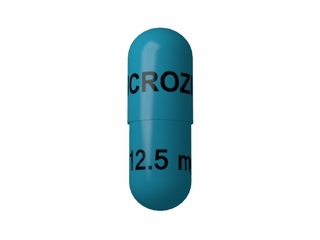
Note: Available strengths and brand presentations may vary. Check your pack for exact strength (for example, 12.5 mg or 25 mg tablets) and the instructions on the label.
How Microzide works (mechanism of action)
Hydrochlorothiazide works in the kidneys. Specifically, it reduces the reabsorption of sodium (and chloride) in a part of the kidney called the distal convoluted tubule. This leads to:
- Increased excretion of sodium and water → decreased fluid volume
- Lower blood pressure over time
- Possible electrolyte changes, including lowered potassium and sodium (in some people)
With long-term use, lowering blood pressure is not only due to fluid loss; it also involves improvements in vascular tone and reduced peripheral resistance.
Pharmacokinetics (what the body does to the medicine)
Pharmacokinetics describes how the body absorbs, distributes, metabolises, and eliminates a medicine.
- Absorption: Hydrochlorothiazide is absorbed from the gastrointestinal tract after oral dosing.
- Distribution: It circulates in the bloodstream and distributes to body tissues. It crosses the placenta and can be present in breast milk.
- Metabolism: Hydrochlorothiazide is not significantly metabolised.
- Excretion: Most of the medicine is excreted unchanged by the kidneys.
- Duration: The diuretic effect generally begins within hours and persists long enough for once-daily dosing for many people.
Your individual response can vary depending on kidney function, age, other medicines, diet, and fluid balance.
Typical uses and indications
Microzide is used for conditions where reducing fluid and/or lowering blood pressure is beneficial. Common indications include:
- Hypertension (high blood pressure): Often used alone or more commonly as part of combination therapy.
- Oedema (fluid retention): Sometimes prescribed for swelling related to certain heart, kidney, or liver conditions, depending on the cause and overall treatment plan.
- Adjunct therapy: May be used alongside other blood pressure medicines (such as ACE inhibitors, angiotensin receptor blockers, or calcium channel blockers) as advised.
Important: The best use depends on your diagnosis and overall risk profile. If you are unsure why you were given Microzide, speak with your clinician.
Dosing — what is typical?
Dosing is individualised. Your healthcare professional will determine the starting dose and whether it should be adjusted based on your blood pressure, kidney function, symptoms, and blood tests.
General guidance (typical patterns)
- Hypertension: Commonly started at a low dose once daily, with adjustments as needed.
- Oedema/fluid retention: Often started once daily, and sometimes adjusted depending on response and electrolytes.
How to take it:
- Take the tablet at the same time each day for consistency.
- If your prescriber has advised a specific schedule (for example, morning only), follow that advice.
- Do not stop or change your dose without medical guidance.
Missed dose: If you forget a dose, take it when you remember unless it is close to the time of your next dose. Avoid doubling up. If you’re unsure, ask a pharmacist.
Timing — when should Microzide be taken?
Because Microzide increases urine production, timing can affect comfort and sleep.
- Common recommendation: Take it in the morning.
- Avoid late dosing: Late evening doses may cause frequent urination at night, disrupting sleep.
- If your regimen is twice daily: Follow the schedule provided—often with the second dose earlier in the afternoon.
If you experience significant nighttime urination, consult your pharmacist or doctor about adjusting the timing.
Food interactions and diet considerations
Microzide can be affected by certain dietary factors.
Salt (sodium) and fluid intake
- Salt intake: High salt diets can reduce the blood pressure–lowering effect of diuretics.
- Fluid balance: Dehydration can increase the risk of side effects, especially dizziness and kidney-related issues.
Electrolyte balance
Hydrochlorothiazide can lower potassium. Dietary potassium may help some people, but potassium supplements should only be used if advised (because potassium needs can differ and interactions exist).
Grapefruit and other foods
Hydrochlorothiazide is not typically known for major grapefruit interactions. However, overall diet quality and electrolyte balance matter.
Practical tip: Maintain a consistent diet and avoid large, sudden changes in salt intake without discussing with your clinician.
Alcohol and medicine interactions
Alcohol can increase the chance of side effects such as dizziness, light-headedness, or low blood pressure—particularly when starting Microzide or after dose increases.
- Hydration: Alcohol may contribute to dehydration in some situations.
- Safety: Be cautious with standing up quickly, especially if you feel faint.
If you drink alcohol: Consider moderate intake and discuss your drinking habits with a healthcare professional, especially if you also take other blood pressure medicines.
Other medicine interactions
Microzide can interact with other medicines. Tell your pharmacist about all medicines you use, including over-the-counter products and supplements.
Medicines that may increase potassium loss
- Corticosteroids (e.g., prednisone)
- Some laxatives (if used regularly)
- Other diuretics or medicines that affect electrolytes
Medicines that may affect kidney function or electrolyte balance
- NSAIDs (ibuprofen, naproxen, etc.): may reduce the blood pressure–lowering effect and can affect kidney function, particularly in dehydrated individuals or older adults.
- Lithium: thiazide diuretics can raise lithium levels and increase toxicity risk.
Blood pressure medicines
- When combined with other blood pressure medicines (ACE inhibitors, ARBs, calcium channel blockers), blood pressure may drop more—this is often intended, but monitoring for dizziness or faintness is important.
Diabetes medicines
- Microzide may affect blood glucose in some people, potentially requiring closer monitoring if you have diabetes.
Gout medicines
- Thiazides can raise uric acid, which may worsen gout or trigger flares in susceptible individuals. Your clinician may monitor and adjust treatment.
Other considerations
- Calcium supplements or vitamin D: If you use these, discuss with your clinician since thiazides can increase calcium levels in some people.
- Cholestyramine and colestipol: may alter the absorption of hydrochlorothiazide.
Safety note: Because interactions vary by person, confirm with a pharmacist if you are starting or stopping any medicine.
Safety profile and side effects
Like all medicines, Microzide can cause side effects. Many people tolerate it well, especially with appropriate monitoring.
Common or expected effects
- Increased urination (especially after the first doses)
- Dizziness, particularly when standing up quickly
- Muscle cramps or weakness (may relate to electrolyte changes)
Electrolyte and lab changes to watch for
Hydrochlorothiazide can lower:
- Potassium (hypokalaemia)
- Sodium (hyponatraemia)
It can also increase:
- Uric acid (may affect gout risk)
- Calcium (in some cases)
- Cholesterol or triglycerides (sometimes slightly, especially with long-term use)
Kidney function considerations
In some people—especially those with existing kidney disease, dehydration, or those taking certain interacting medicines—kidney function can be affected. Blood tests help monitor this.
Serious side effects (seek urgent medical advice)
Get urgent help if you develop:
- Severe weakness, confusion, fainting, or persistent severe dizziness
- Signs of dehydration (very dry mouth, extreme thirst, reduced urination)
- Rash, swelling of face/lips, trouble breathing (possible allergic reaction)
- Severe muscle pain or irregular heartbeat
- Vision changes or severe eye pain (rare, but important)
If you’re worried about symptoms, contact your clinician or local urgent care service.
Practical use tips
- Take in the morning: Helps reduce nighttime urination.
- Hydrate appropriately: Aim for steady fluid intake unless you have been advised to restrict fluids.
- Check blood pressure: If you monitor at home, keep a log to share with your clinician.
- Have regular blood tests: Your doctor may monitor electrolytes (sodium, potassium) and kidney function.
- Be careful with position changes: Stand up slowly, especially early in treatment.
- Know your risk factors: Older adults, those with kidney disease, and people taking multiple medicines may need closer monitoring.
- Report gout symptoms early: If you feel a gout flare coming, contact your clinician promptly.
Who should be cautious? (key safety considerations)
Microzide may not be suitable for everyone. Extra caution is often needed for:
- Kidney disease (requires dose and monitoring considerations)
- History of electrolyte disturbances (low sodium or potassium)
- Gout or high uric acid
- Allergy or prior reaction to sulphonamide-derived medicines (discuss with your pharmacist)
- Pregnancy and breastfeeding: diuretics are generally not first-line in pregnancy and should only be used when specifically recommended by a healthcare professional
Important: If you are pregnant, planning pregnancy, or breastfeeding, discuss risks and benefits with your clinician.
Alternative options
There are several alternatives depending on the reason you take Microzide. These may include other diuretics or different classes of blood pressure medicines.
Other diuretics
- Chlorthalidone (a thiazide-like diuretic)
- Indapamide (thiazide-like)
- Loop diuretics (for some types of fluid retention—used selectively)
Non-diuretic blood pressure medicines
- ACE inhibitors (e.g., perindopril, enalapril)
- ARBs (e.g., losartan, valsartan)
- Calcium channel blockers (e.g., amlodipine)
- Beta-blockers (in certain cases)
Medication choice depends on your blood pressure readings, kidney function, other health conditions, and side effect history. If you want alternatives, ask your pharmacist or clinician.
Market and legal context in Australia
In Australia, medicines like Microzide are supplied under Australian regulatory and quality standards. Availability and dispensing requirements may vary based on the product presentation and whether it is listed for pharmacist supply or prescription-only categories.
- Quality and regulation: Products on the Australian market are regulated through the Therapeutic Goods Administration (TGA).
- Pharmacy supply: Many blood pressure medicines are dispensed through community pharmacies with pharmacist counselling and patient education.
- Medication reviews: Your pharmacist may perform a medication review (e.g., to check interactions, duplication, and monitoring plans).
Recent guidance and monitoring: Management of hypertension generally emphasises regular blood pressure checks, lifestyle measures (such as reducing salt intake, healthy weight, exercise, and limiting alcohol), and appropriate laboratory monitoring when diuretics are used.
Recent guidance: what to expect in current practice
While specific recommendations can change, common themes in modern hypertension and diuretic use include:
- Start low and monitor: Especially in older adults, people with kidney impairment, or those at higher risk of electrolyte disturbances.
- Electrolyte monitoring: Regular testing for sodium and potassium, particularly after starting therapy or changing dose.
- Assess overall cardiovascular risk: Blood pressure targets and treatment plans typically depend on age, comorbidities, and overall risk.
- Review interacting medicines: NSAIDs, lithium, and certain supplements can require closer attention.
- Individualise dosing: The “best” timing and dose often depends on symptoms (such as nighttime urination) and test results.
Delivery and availability (Australia)
Online pharmacy availability can vary by state and by stock levels. When ordering Microzide online:
- Check product details: Confirm the strength and pack size match what you need.
- Delivery timelines: Delivery speed depends on your location and dispatch times.
- Cold-chain: Hydrochlorothiazide tablets do not generally require refrigeration.
- Substitutions: Some pharmacies may offer equivalent generic alternatives if the same active ingredient and strength are available and permitted.
If you have urgent timing needs (e.g., you are about to run out), contact the pharmacy to confirm dispatch and delivery options.
FAQ
1) What is Microzide used for?
Microzide (hydrochlorothiazide) is used mainly to treat high blood pressure and sometimes fluid retention (oedema) depending on the cause and your overall care plan.
2) How quickly does Microzide start working?
The diuretic effect (increased urination) often starts within hours. For blood pressure, improvements typically become clearer over days to weeks, and may continue with consistent use.
3) Should I take Microzide in the morning or at night?
Many people are advised to take it in the morning to reduce nighttime urination. Follow your own label instructions.
4) What foods should I avoid?
You do not usually need to avoid specific foods, but consider maintaining a consistent salt intake and staying appropriately hydrated. If your clinician has provided dietary advice (for example, about potassium), follow it.
5) Can I drink alcohol while taking Microzide?
You can, but alcohol may increase dizziness or lower blood pressure. Start cautiously, stay hydrated, and seek advice if you feel faint.
6) Will Microzide affect my potassium?
It can. Some people develop low potassium. Your clinician may monitor blood tests, and dietary or supplement strategies may be considered only if appropriate for you.
7) Can I take pain relief like ibuprofen with Microzide?
NSAIDs such as ibuprofen can interact with diuretics and may affect kidney function in some circumstances. It’s best to ask a pharmacist, especially if you have kidney disease, dehydration, or take other medicines that influence kidneys.
8) What should I do if I miss a dose?
Take it when you remember unless it is almost time for your next dose. Do not double up. If you are unsure, contact your pharmacist.
9) When should I seek urgent help?
Seek urgent medical advice for severe weakness, confusion, fainting, signs of dehydration, severe allergic reactions (rash, facial swelling, trouble breathing), or significant irregular heartbeat.
10) Are there alternatives if Microzide doesn’t suit me?
Yes. Depending on why you take it, alternatives may include other diuretics (like indapamide or chlorthalidone) or different classes of blood pressure medicines. Discuss options with your clinician.
Remember: Microzide can be effective and well tolerated when used correctly, with appropriate monitoring. If you have questions about your specific regimen, your pharmacist is a good place to start.