

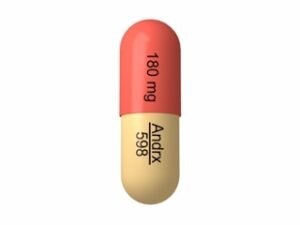
Candesartan: Patient-Friendly Guide (Australia)
Candesartan is a widely used medicine for treating certain cardiovascular conditions. It belongs to a group of medicines called angiotensin II receptor blockers (ARBs). In many people, it helps lower blood pressure and reduce strain on the heart and blood vessels.
This guide explains how candesartan works, how it’s taken, common side effects and safety considerations, and practical tips to help you use it effectively. It also includes an overview of alternative options and important Australia-specific information for consumers.
Basic product information
- Medicine name: Candesartan
- Medicine class: Angiotensin II receptor blocker (ARB)
- Common strengths: Available in tablet strengths depending on the brand (e.g., 4 mg, 8 mg, 16 mg, 32 mg)
- How it’s usually supplied: Oral tablets (sometimes with different brands/strengths)
- Therapeutic areas: High blood pressure (hypertension), heart failure, and related cardiovascular risk management
Note: Brand names and strengths vary in Australia. Always check your product label and the specific consumer medicine information (CMI) that came with your medicine.
How candesartan works (mechanism of action)
Candesartan blocks the action of angiotensin II, a hormone that narrows blood vessels and increases fluid retention. Under normal conditions, angiotensin II contributes to higher blood pressure and increased workload on the heart.
By blocking the angiotensin II type 1 (AT1) receptor, candesartan:
- Helps relax and widen blood vessels → lowers blood pressure
- Reduces resistance against which the heart must pump
- Supports kidney blood flow regulation (important in people with certain kidney conditions)
- May improve symptoms and outcomes in selected heart failure patients
Overall, candesartan reduces harmful cardiovascular stress while maintaining effective circulation.
Pharmacokinetics: how your body handles candesartan
Pharmacokinetics describes how the body absorbs, distributes, metabolises, and eliminates a medicine.
- Absorption: Candesartan is absorbed after oral dosing. Tablet strengths determine total dose.
- Distribution: It distributes throughout the body and acts primarily on vascular and cardiovascular targets.
- Metabolism: Candesartan is metabolised to a limited extent (some conversion to metabolites may occur).
- Elimination: It is eliminated via both renal and non-renal pathways.
- Onset and duration: Blood pressure effects are typically seen within hours, and effects may be sustained over a full day when taken once daily.
Practical takeaway: For many patients, candesartan is taken once daily and provides consistent symptom/pressure control across the day.
Typical uses of candesartan
Candesartan is used for:
- Hypertension (high blood pressure): Helps lower blood pressure to reduce risk of stroke, heart attack, and kidney damage.
- Heart failure: Often used in people with reduced heart function to improve outcomes and reduce symptoms.
- Other cardiovascular indications: Depending on your clinical situation, doctors may use candesartan as part of cardiovascular risk management strategies.
Important: The exact reason you’re taking candesartan depends on your individual health profile and treatment plan.
When to take candesartan (timing tips)
Candesartan is commonly taken once daily. It can generally be taken at the same time each day.
Choosing a time:
- Morning: Some people prefer mornings for convenience and routine.
- Evening: Others choose evenings, especially if it suits their daily schedule.
Consistency matters: Try not to miss doses. If you do miss one, follow the guidance in your product label or CMI (often: take it as soon as you remember unless it’s close to the next dose).
Example schedule: Many patients take candesartan in the morning with water, then continue normal daily activities.
Food interactions
Candesartan can usually be taken with or without food. Food is not expected to significantly interfere with effectiveness for most people.
- If food upsets your stomach, take it with a meal or after food.
- If you experience dizziness or lightheadedness, stand up slowly—especially after the first few doses or dose increases.
Tip: The most important thing is taking candesartan consistently each day.
Alcohol and medicine interactions
Alcohol may increase the blood-pressure-lowering effects of candesartan. In some people, this can lead to:
- Dizziness
- Lightheadedness when standing
- Increased fall risk
Safe approach:
- Keep alcohol intake moderate.
- Avoid heavy drinking, especially when you’re starting candesartan or after a dose change.
- If you feel unwell, do not drive and contact your healthcare professional for advice.
Other lifestyle considerations: Dehydration (for example, from vomiting/diarrhoea or heavy sweating) can worsen dizziness and kidney-related risks when using blood pressure medicines.
Indications: who candesartan may be suitable for
Depending on your healthcare assessment, candesartan may be prescribed for:
- Chronic hypertension to reduce long-term cardiovascular risk.
- Heart failure to improve outcomes and help manage symptoms.
- Protection of organs in people at higher risk, particularly where blood pressure or heart function is a concern.
Not everyone is suitable: People with certain conditions (for example, pregnancy, severe kidney artery narrowing, or specific electrolyte abnormalities) may not be able to take candesartan. Your clinician can guide suitability.
Dosing: typical approach and dose changes
Dosing can vary depending on the condition being treated, age, kidney function, and whether you take other blood pressure or heart medicines.
General principles (not a personal schedule):
- Start low, go slow: Many people begin at a lower dose and increase gradually to balance effectiveness and tolerability.
- Once daily dosing: Candesartan is usually taken once a day.
- Kidney function: Dose adjustments may be required if you have reduced kidney function.
- Electrolytes: Potassium levels may influence dose and monitoring frequency.
Common tablet strengths: 4 mg, 8 mg, 16 mg, and 32 mg are commonly available in Australia, but not every strength is used for every person.
Monitoring may include:
- Blood pressure measurements
- Blood tests for kidney function (e.g., creatinine/eGFR)
- Blood tests for potassium
Do not change your dose without speaking to your healthcare professional.
Safety profile: what to know before and during use
Candesartan is generally well tolerated. However, like all medicines, it can cause side effects in some people. The safety profile is best understood by considering common, less common, and urgent concerns.
Common side effects
- Dizziness (especially after starting or increasing dose)
- Low blood pressure symptoms (lightheadedness)
- Headache
- Tiredness
Less common but important effects
- Raised potassium (hyperkalaemia) — may be silent but can be detected on blood tests
- Changes in kidney function — monitoring is usually recommended
- Worsening kidney function during dehydration (e.g., vomiting/diarrhoea) in susceptible individuals
Seek urgent medical help if you have
- Swelling of the face, lips, tongue, or throat (possible allergic reaction)
- Severe dizziness or fainting
- Signs of very high potassium such as unusual muscle weakness or heartbeat changes (if advised, seek immediate care)
Who should be extra cautious
- People with kidney disease or reduced kidney function
- People with history of high potassium
- Older adults who are more likely to experience dizziness or dehydration
- People taking multiple medicines that affect kidney function or potassium
Practical use tips for best results
- Take it at the same time daily to maintain stable blood levels.
- Check your blood pressure if advised. Keep a simple log (date/time/reading).
- Stay hydrated, especially during hot weather or when unwell—unless your healthcare professional has restricted fluids.
- Be careful when standing. Dizziness can be more noticeable when starting.
- Don’t use potassium supplements or potassium-containing salt substitutes unless your clinician approves.
- Keep track of lab tests. If you have blood tests scheduled for kidney function and potassium, attend them.
“Sick day” guidance (general): If you develop significant vomiting/diarrhoea, severe dehydration, or cannot keep fluids down, you may need medication review. Contact your healthcare professional for personalised advice rather than stopping abruptly on your own.
Medicine interactions: what to be aware of
Candesartan can interact with other medicines, especially those affecting kidney function, potassium levels, and blood pressure.
Key interaction categories
| Medicine or substance | Why it matters | What may be done |
|---|---|---|
| Potassium supplements and potassium-containing salt substitutes | May increase potassium too much | Avoid or monitor closely |
| Diuretics (e.g., “water tablets”) | May change blood pressure and kidney function; potassium effects depend on the type | Monitoring of blood pressure, kidney function, and potassium |
| NSAIDs (e.g., ibuprofen, naproxen, diclofenac) and some pain medicines | Can reduce kidney blood flow, increasing risk of kidney issues, especially in dehydration | Use caution; discuss frequency and dose; ensure hydration |
| Other blood pressure medicines (including ACE inhibitors or other ARBs) | May add to blood pressure lowering | Often avoided with dual RAAS blockade unless specifically recommended; monitor closely |
| Medicines affecting potassium (some heart rhythm or other agents) | Can raise potassium levels | Blood tests may be needed |
Always tell your pharmacist or clinician about all medicines you take, including:
- Over-the-counter pain relievers
- Herbal supplements
- Vitamins or minerals
This helps prevent unwanted interactions.
Alcohol and medicine interaction summary
While there are no direct “banned” combinations for everyone, alcohol can increase dizziness and potentiate blood pressure lowering. If you drink alcohol, consider:
- Limiting quantity
- Taking candesartan as usual, but rising slowly from sitting/lying
- Seeking advice if you notice frequent lightheadedness
Alternative options to candesartan
If candesartan isn’t suitable, alternatives may include other medicine classes used to treat hypertension and heart failure. Choice depends on your condition, kidney function, and tolerability.
Hypertension alternatives
- ACE inhibitors (another common blood pressure class)
- Calcium channel blockers
- Thiazide-type diuretics
- Beta-blockers (often used depending on heart rhythm and overall cardiovascular profile)
Heart failure alternatives
- Other guideline-based heart failure medicines
- Combinations selected based on symptom severity, ejection fraction, and tolerability
Do not switch between medicine classes without clinician guidance, as doses and monitoring differ.
Market and legal context in Australia
In Australia, medicines are supplied under regulated frameworks. Candesartan products are prescription medicines for most consumers. Supply and use are typically guided by:
- Australian medicines regulatory requirements for quality, safety, and labelling
- Pharmacy dispensing rules and pharmacist counselling
- Clinical guidelines for cardiovascular treatment
Consumer responsibility: Always use medicines exactly as directed by your healthcare professional. If you have questions about suitability or interactions, speak with a pharmacist.
Availability: Candesartan is commonly available through Australian pharmacies and may be offered through various brands and generics depending on supply.
Recent guidance and clinical considerations (consumer overview)
Cardiovascular treatment guidance evolves as evidence improves. In general, for ARB-based therapy like candesartan, recent clinical emphasis commonly includes:
- Appropriate patient selection (including kidney function and potassium status)
- Monitoring after starting or changing dose (especially potassium and kidney function)
- Careful combination use to avoid duplicating RAAS blockade when not recommended
- Hydration and “sick day” awareness to reduce risk during dehydration
Important: Your personal plan should follow the latest advice from your treating healthcare professional and local clinical guidelines.
Delivery and availability (online pharmacy notes for Australia)
Many online pharmacies in Australia offer delivery for prescription medicines and provide packaging designed to protect tablets during transit. Availability depends on:
- Brand and strength requested
- Supply chain conditions
- Stock levels and order processing times
Typical steps when ordering online:
- Choose your brand/strength matching the one on your label
- Complete the order details
- Wait for pharmacy processing
- Receive delivery to your chosen address (delivery times vary by location)
Delivery safety tips:
- Check the parcel when it arrives
- Confirm tablet strength and brand
- Store safely as per label instructions (usually cool, dry conditions away from moisture and direct sunlight)
FAQ: Candesartan (Australia)
1. What is candesartan used for?
Candesartan is used mainly for high blood pressure and for heart failure, helping reduce cardiovascular risk and relieve strain on the heart and blood vessels.
2. How quickly does candesartan work?
Many people notice blood pressure improvements within hours. Full effects may take days to weeks, particularly with dose adjustments and ongoing treatment.
3. Can I take candesartan with food?
Yes. Candesartan is generally taken with or without food. If it upsets your stomach, take it after food.
4. What should I do if I miss a dose?
Check your specific product label/CMI for advice. In general, take it when you remember unless it’s close to the next dose—then skip the missed dose and continue as usual. Do not double up unless directed.
5. Will candesartan cause dizziness?
Some people experience dizziness, particularly after starting treatment or increasing the dose. Stand up slowly and avoid driving if you feel unsteady.
6. Does candesartan raise potassium?
It can. Candesartan may increase potassium in some people. Blood tests are often used to monitor potassium and kidney function.
7. Are there food restrictions?
There are no specific “food restrictions” for candesartan for most people. However, avoid potassium salt substitutes unless your clinician approves, because they can increase potassium intake.
8. Can I drink alcohol while taking candesartan?
Alcohol may increase dizziness and lower blood pressure further. If you drink, keep it moderate and be cautious—especially when you’re new to candesartan or after a dose change.
9. What medicines should I avoid combining with candesartan?
Extra caution is needed with:
- Potassium supplements/salt substitutes
- Frequent or high-dose NSAIDs (e.g., ibuprofen)
- Other blood pressure medicines that may compound effects
Always discuss your full medication list with a pharmacist.
10. Is candesartan suitable for everyone?
No. People who are pregnant, those with certain kidney or electrolyte issues, or those taking interacting medicines may need different treatment. Your clinician and pharmacist can confirm suitability based on your medical history and test results.
11. How should I store candesartan?
Store tablets according to the label/CMI, typically in a cool, dry place away from moisture and out of reach of children.
12. What monitoring might I need?
Your healthcare professional may check blood pressure and order blood tests to monitor kidney function and potassium, especially after starting or changing dose.
Disclaimer: This information is provided for general consumer education and does not replace medical advice. If you have questions about your specific situation, including interactions, suitability, or dosing, speak to your pharmacist or doctor.