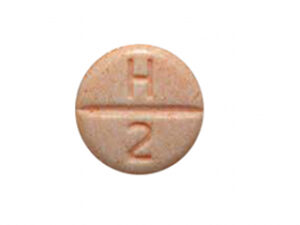
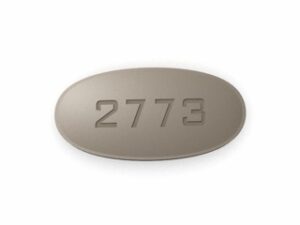

Bystolic (Nebivolol) — Patient-Friendly Information for Australia
Bystolic is a brand of nebivolol, a medicine used to help control heart-related conditions. This guide explains what nebivolol does, how it works in the body, typical uses, dosing considerations, key interactions (including alcohol), and practical tips for safe use in Australia.
This information is designed to be easy to read. Always follow the advice of your healthcare professional and the instructions on your medicine label.
Quick Overview
- Medicine name: Bystolic (nebivolol)
- Medicine type: Beta-blocker (selective)
- Common uses: High blood pressure; certain forms of chronic heart failure (in line with clinical guidelines)
- How it’s taken: Usually once daily; same time each day can help
- Typical onset: Blood pressure effects may appear within days, with maximum benefit often taking several weeks
Basic Product Information
Nebivolol is a beta-blocker with additional vascular effects. In many patients it helps lower heart rate and blood pressure, improving workload on the heart.
- Brand: Bystolic
- Active ingredient: Nebivolol
- Strengths: Available in different tablet strengths (exact strengths vary by product form and availability)
- Dosage form: Oral tablets
In Australia, medicines are regulated under national medicines frameworks. Your online pharmacy will typically provide product-specific details such as strength, pack size, and the full list of ingredients.
How Nebivolol Works (Mechanism of Action)
Nebivolol belongs to the group of medicines called beta-blockers. It works mainly by:
- Beta-1 blockade (selective): Nebivolol reduces stimulation of beta-1 receptors in the heart, which can lower heart rate and the force of contraction.
- Improved blood vessel function: It also enhances nitric oxide activity, which can help blood vessels relax (vasodilation). This supports lower blood pressure and improved circulation.
Together, these effects can help reduce the strain on the heart and improve cardiovascular outcomes in people who need ongoing control of blood pressure or who have certain heart failure diagnoses.
Pharmacokinetics — How the Body Processes Nebivolol
Pharmacokinetics describe what happens to a medicine after you swallow it: absorption, distribution, metabolism, and elimination. Understanding these points can help explain why timing, consistency, and interactions matter.
- Absorption: Nebivolol is absorbed after oral administration. Taking it regularly helps maintain steady effects.
- Distribution: It distributes through the body tissues and acts on target receptors in the heart and blood vessels.
- Metabolism: Nebivolol is metabolised mainly in the liver (involvement of enzyme pathways). Some people may metabolise nebivolol differently, which can affect how strongly it works.
- Elimination: It is cleared via metabolic routes and excretion of metabolites.
- Half-life and dosing: The design of nebivolol supports once-daily dosing for many patients.
If you have liver impairment, your clinician may adjust the approach to dosing or monitoring.
Typical Uses in Australia
Nebivolol is commonly prescribed for the following conditions, depending on your individual medical assessment and current clinical guidance.
- Hypertension (high blood pressure): Helps lower blood pressure and reduce cardiovascular risk.
- Chronic heart failure: Used in selected patients with stable, chronic heart failure (commonly as an add-on to standard heart failure therapies). The exact suitability depends on the cause and stability of your condition.
Not all patients are ideal candidates for a beta-blocker. Factors such as pulse rate, blood pressure, asthma/COPD history, heart rhythm, and other medications influence suitability.
Indications (When It May Be Prescribed)
| Condition | Why nebivolol may help | Notes |
|---|---|---|
| High blood pressure | Lowers heart rate and reduces vascular resistance | Often used alone or with other antihypertensive medicines |
| Chronic heart failure (stable) | Reduces workload on the heart and supports long-term control | Typically part of a broader heart failure regimen |
How to Take Bystolic — Timing and Practical Use
Bystolic is usually taken once daily. Many people find it easiest to take it at the same time each day. Consistency helps maintain steady medicine levels and predictable effects.
When should you take it?
- Morning or evening: Often either is acceptable. Choose a time that fits your routine and reduces side effects for you (e.g., dizziness). If your prescriber gives a specific time, follow that advice.
- Daily consistency: Try not to miss doses. If you do, follow the guidance from your healthcare professional or the pharmacy label.
Can you take it with food?
Nebivolol tablets can generally be taken with or without food. Some people prefer taking it with food to reduce stomach upset, if any occurs.
Do not stop suddenly
Do not stop nebivolol suddenly without medical advice. Beta-blockers can affect heart rhythm and blood pressure; stopping abruptly may cause symptoms or worsening control in some people.
Typical Dosing (General Guidance)
The appropriate dose depends on the condition being treated, your response, your blood pressure and pulse, age, and other medical factors. Doses below are general examples; your final dose should be determined by your clinician.
Adults — Hypertension
- Common starting doses are often in the range of 5 mg once daily.
- The dose may be adjusted based on blood pressure response, often up to 10 mg once daily (depending on local product guidance and patient factors).
Adults — Chronic heart failure
Dosing for heart failure is typically started low and titrated slowly to improve tolerance and reduce the risk of side effects such as low heart rate.
- Starting doses are usually very small (for example, 1.25 mg once daily depending on available tablet strengths).
- Your prescriber may increase the dose gradually at intervals based on symptoms, blood pressure, and heart rate.
Important: Heart failure titration should be guided by a clinician with monitoring. Never adjust your dose without medical advice.
Food Interactions
For many patients, food does not significantly change nebivolol’s usefulness. In practical terms:
- With meals: Generally acceptable.
- Consistency matters: Taking it the same way each day can help keep your routine steady.
If you notice that food or meal timing affects how you feel (e.g., dizziness), discuss it with your pharmacist or doctor.
Alcohol Interactions
Alcohol can affect blood pressure, heart rate, and the risk of dizziness—particularly during the first days of beta-blocker therapy or after dose changes.
- Potential effects: Alcohol may worsen light-headedness or faintness due to additive blood-pressure lowering.
- Practical guidance: If you drink alcohol, consider starting with small amounts and monitor your symptoms.
- Avoid if you feel unwell: If you experience dizziness, weakness, or unusual fatigue, avoid alcohol and seek advice.
Your prescriber can advise a safe approach based on your cardiovascular status and other medications.
Medicine Interactions — What to Tell Your Pharmacist
Nebivolol can interact with other medicines, which may increase side effects (like slow pulse) or reduce effectiveness. Always provide a complete list of medicines, including over-the-counter products and supplements.
Common interaction themes
- Other medicines that lower heart rate or blood pressure: Combining may increase the chance of low pulse, low blood pressure, or dizziness.
- Rhythm medicines: Some drugs that affect heart rhythm can add to beta-blocker effects.
- Liver-metabolised medicines: Drugs that affect liver enzymes involved in nebivolol metabolism can change blood levels.
Examples of interaction categories (not exhaustive)
- Other beta-blockers or heart-rate–slowing drugs (additive effect)
- Calcium channel blockers (especially those that slow heart rate) — dosing may need adjustment
- Antiarrhythmics — may increase effects on rhythm and conduction
- Medicines that affect CYP enzyme activity (examples include certain antifungals or antibiotics) — may increase nebivolol levels
- NSAIDs (ibuprofen, naproxen) — may affect blood pressure control in some patients; monitoring may be needed
If you are unsure whether a medicine could interact with nebivolol, ask your pharmacist before starting it.
Safety Profile — Possible Side Effects and When to Get Help
Like all medicines, nebivolol can cause side effects. Many people experience mild or temporary effects, especially after starting or after dose increases. However, some symptoms require urgent medical attention.
Common side effects
- Slow heart rate (bradycardia)
- Dizziness or light-headedness
- Fatigue or tiredness
- Headache
- Nausea or stomach discomfort
- Cold hands or feet
- Shortness of breath on exertion (can occur in some individuals)
Serious side effects — seek urgent advice
Contact emergency services or seek urgent medical help if you experience:
- Fainting or severe dizziness
- Very slow pulse with weakness or confusion
- Chest pain or symptoms of worsening heart failure (e.g., sudden breathlessness)
- Signs of an allergic reaction such as facial swelling, severe rash, or difficulty breathing
- Severe wheezing or breathing difficulty (especially relevant if you have asthma/COPD)
Special caution — who needs extra monitoring
- Asthma or COPD: Even “selective” beta-blockers can sometimes worsen breathing symptoms. Close monitoring is important.
- Diabetes: Beta-blockers can mask warning signs of low blood sugar (e.g., tremor or palpitations). People with diabetes should monitor glucose closely.
- Low blood pressure or slow heart rate: Your dose may need careful adjustment.
- Heart conduction problems: Conditions such as certain types of heart block require clinician supervision.
- Liver impairment: May affect drug handling.
If you experience persistent dizziness, extreme fatigue, or symptoms that concern you, talk to your pharmacist or doctor promptly.
Practical Use Tips (What Helps in Real Life)
- Check your pulse and blood pressure: If advised, monitor regularly—especially during the first few weeks or after dose changes.
- Stand up slowly: Dizziness can occur when moving from sitting/lying to standing. Use slow, gradual movements.
- Take consistently: A fixed daily time improves stability and helps you remember.
- Keep a symptom diary: Note dizziness, fatigue, breathlessness, or swelling. This helps your healthcare professional adjust therapy.
- Don’t double doses: If you miss a dose, follow label guidance. Do not take extra tablets to “catch up” unless instructed.
- Review all medicines: Include cold/flu products, pain relief, and herbal supplements—these can interact.
Alternative Options
If nebivolol is not suitable, there may be other beta-blockers or different blood pressure/heart failure treatments depending on your diagnosis and health profile. Alternatives may include:
- Other beta-blockers used for hypertension and/or heart failure (choice depends on evidence, dosing, and tolerability)
- ACE inhibitors, ARBs, diuretics, and other heart failure medicines (for heart failure regimens)
- Calcium channel blockers or other antihypertensives (for blood pressure control)
The “best” alternative depends on factors like your heart rate, blood pressure, kidney function, comorbidities, and current medication list. Your clinician can help choose the most appropriate option.
Market and Legal Context for Australia
In Australia, medicines are regulated by the Therapeutic Goods Administration (TGA) under the national framework. Availability depends on product approval status, prescribing rules, and dispensing requirements.
For online pharmacies, legitimate supply involves appropriate verification processes and adherence to Australian regulations. Availability may vary by location, stock levels, and product strength.
Recent Guidance and Monitoring Considerations
Ongoing clinical guidance in Australia emphasises safe cardiovascular prescribing and monitoring. Key themes relevant to nebivolol use include:
- Gradual titration in heart failure: Starting low and increasing slowly helps reduce risks like bradycardia and low blood pressure.
- Monitoring vitals: Blood pressure and pulse should be monitored during initiation and dose adjustments.
- Medication review: Checking for interacting medicines is particularly important for beta-blockers.
- Patient education: Patients are encouraged to recognise symptoms of low heart rate, dizziness, and worsening heart failure.
If you’re starting nebivolol, ask your pharmacist what monitoring is recommended for you and what symptoms to watch for.
Delivery and Availability (Australia)
Availability of Bystolic (nebivolol) can vary by strength and pack size. When ordering online through an Australian pharmacy service:
- Stock confirmation: Many pharmacies confirm stock levels before dispatch.
- Delivery timeframes: Delivery speed depends on your location and courier service availability.
- Tracking: Where available, tracking details may be provided after dispatch.
- Cold chain: Nebivolol tablets do not typically require refrigeration, but always follow the product label instructions.
Your order details page should show estimated dispatch and delivery timeframes. If you need the medicine urgently, contact customer support to confirm availability.
FAQ — Bystolic (Nebivolol)
1) What is Bystolic used for?
Bystolic (nebivolol) is used to treat high blood pressure and, in selected patients, stable chronic heart failure as part of an overall treatment plan.
2) How long does it take to work?
Blood pressure may begin to improve within days, but the full effect often takes several weeks. Heart failure treatment benefits typically develop over time as doses are titrated and the body adapts.
3) Can I take nebivolol with food?
Yes. Nebivolol can generally be taken with or without food. Taking it with food may help reduce stomach discomfort for some people.
4) What should I do if I miss a dose?
Follow the instructions on your medication label or the advice from your pharmacist. In general, if you remember soon after, take it when appropriate; if it’s close to the next dose, skip the missed dose and continue your regular schedule. Do not double up unless instructed.
5) Is it safe to drink alcohol while on Bystolic?
Alcohol may increase dizziness or lower blood pressure further. If you choose to drink, start cautiously and pay attention to symptoms such as light-headedness, faintness, or unusual fatigue.
6) Can nebivolol cause a slow pulse?
Yes. Nebivolol may lower heart rate. Your prescriber may monitor your pulse and blood pressure and adjust your dose if needed. Seek urgent help if you feel faint or very unwell.
7) Can nebivolol worsen asthma or breathing problems?
It can in some people. Even selective beta-blockers may affect breathing. If you have asthma, COPD, or wheezing history, discuss this with your clinician before starting and report new or worsening breathlessness promptly.
8) Will nebivolol affect diabetes symptoms?
Beta-blockers can mask some signs of low blood sugar, such as palpitations or tremor. If you have diabetes, monitor glucose regularly and discuss hypoglycaemia plans with your clinician.
9) What medicines should not be taken with nebivolol?
Several medicine types can interact, especially those that also slow the heart rate, affect blood pressure, or alter liver metabolism. Always give your pharmacist a full list of medicines, including over-the-counter products.
10) Can I stop Bystolic suddenly?
Do not stop suddenly unless your clinician instructs you to. Stopping abruptly may cause worsening symptoms in some patients. If you need to discontinue, your doctor will usually advise a safe tapering plan.
Need help choosing or ordering? If you have questions about dosage timing, side effects, or interactions, your local Australian pharmacy team can help you understand how nebivolol fits your treatment plan.