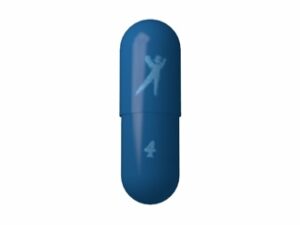
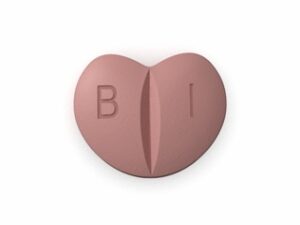
Bisoprolol (Beta-Blocker) — Patient-Friendly Guide (Australia)
Bisoprolol is a commonly used medicine in Australia that belongs to the beta-blocker class. It helps the heart beat more slowly and with less force, which can reduce strain on the heart and lower blood pressure. This guide explains how bisoprolol works, how it is typically taken, important food and medicine interactions, safety considerations, and what you can expect from treatment.
Always follow your healthcare professional’s instructions for your specific situation. This information is general and designed to be helpful for patients and carers.
Basic product information
| Item | Details |
|---|---|
| Generic name | Bisoprolol |
| Medicine class | Beta-1 selective beta-blocker (cardioselective) |
| Common forms | Tablets of varying strengths (formulation may be immediate-release; some brands may have modified release depending on product) |
| Typical dosing frequency | Often once daily (may vary by condition and product type) |
| Where it’s used | Conditions related to heart rate, blood pressure, and certain heart diseases |
How bisoprolol works (mechanism of action)
Bisoprolol primarily blocks beta-1 adrenergic receptors found mainly in the heart. This leads to:
- Lower heart rate (slower pulse)
- Reduced force of heart contraction
- Lower demand for oxygen by the heart
- Lower blood pressure over time
By reducing the workload on the heart, bisoprolol can help manage conditions such as high blood pressure, angina (chest pain due to reduced blood flow), and some forms of heart failure.
Pharmacokinetics (absorption, distribution, metabolism, elimination)
Pharmacokinetics describes what the body does to the medicine.
- Absorption: Bisoprolol is generally absorbed through the gastrointestinal tract after tablet intake.
- Onset: Many people notice effects on heart rate and blood pressure within hours; full clinical benefits can take days to weeks depending on the condition.
- Distribution: It distributes throughout the body and acts on beta-1 receptors in the heart.
- Metabolism: Bisoprolol is metabolised mainly by the liver (and also cleared via other pathways depending on individual factors).
- Elimination: The medicine is removed from the body over time; dosing is commonly structured to maintain consistent effects across the day.
Practical takeaway: Because bisoprolol is commonly taken once daily, consistent daily dosing helps maintain steady control of heart rate and blood pressure.
Typical uses in Australia (indications)
Bisoprolol is used for a range of heart-related conditions. Common indications include:
- High blood pressure (hypertension): Helps lower blood pressure and reduce cardiovascular risk.
- Angina (stable angina): Helps reduce the frequency and severity of chest pain by lowering the heart’s oxygen demand.
- Heart failure (chronic): Particularly in stable, long-term heart failure where a beta-blocker is part of guideline-based therapy.
- Heart rhythm control: In some cases, it may help manage a fast heart rate associated with certain rhythms, as decided by the treating clinician.
Important note: The exact indication and suitability depends on your diagnosis, overall health, and other medicines you take.
When and how to take bisoprolol (timing and dosing)
Typical timing
- Once daily dosing: Many people take bisoprolol once a day, ideally at the same time each day.
- With or without food: Bisoprolol can usually be taken with or without food (see “Food interactions” below for details).
- Don’t double up: If you miss a dose, take it when you remember unless it is close to the next dose. Follow your medicine label or clinician’s advice.
General dosing principles
Dose is individual. Clinicians typically start at a lower dose and adjust based on:
- Your heart rate and blood pressure
- Symptoms (e.g., dizziness, fatigue, chest pain)
- Other medical conditions (e.g., asthma, conduction problems)
- Kidney/liver function (as appropriate)
- How well you tolerate the medicine
Do not adjust your dose unless your healthcare professional instructs you to. In heart failure, dose titration is often gradual.
Common dosing ranges (general information)
Because products and indications vary, it’s not appropriate to provide a single “one-size-fits-all” dose. However, patients often start with low strengths and increase gradually until effective. Always confirm your exact dose on the packaging or instructions.
Food interactions
Food can affect how medicines are absorbed and tolerated. For bisoprolol:
- Generally: It can usually be taken with or without food.
- Consistency helps: If you prefer taking it with food, keep the habit consistent day to day.
- Grapefruit and strong citrus juices: While grapefruit interactions are more famous for some other medicines, it’s still wise to avoid major dietary changes without checking with your pharmacist if you are taking multiple medicines.
Tip: If you experience nausea, dizziness, or stomach discomfort, taking bisoprolol with a meal may improve comfort.
Alcohol interactions (and alcohol advice)
Alcohol can affect blood pressure and heart rate, which may increase the likelihood of side effects such as:
- Dizziness or light-headedness
- Feeling faint (especially when standing up quickly)
- Slower heart rate-related symptoms in sensitive individuals
Practical advice:
- Keep alcohol intake moderate and observe how you feel.
- Be extra careful when drinking for the first time after starting or changing dose.
- Avoid binge drinking.
If you have heart failure, low blood pressure, or episodes of fainting, discuss alcohol limits with your healthcare professional.
Medicine interactions (important combinations)
Some medicines can change bisoprolol levels, increase side effects, or affect heart rate and blood pressure in additive ways. Always inform your healthcare professional or pharmacist about all medicines and supplements you use.
Medicines that may increase bradycardia or low blood pressure
- Other rate-slowing medicines (for example, certain calcium channel blockers like verapamil or diltiazem)
- Other beta-blockers (should generally not be combined)
- Digoxin (can add to effects on heart rate)
- Anti-arrhythmics that also slow conduction (specific examples depend on your regimen)
Medicines affecting blood pressure
- Antihypertensives (additive blood pressure lowering may occur)
- Diuretics (may contribute to dizziness if volume becomes low)
- Nitrates (used for angina; can lower blood pressure)
Medicines that may alter metabolism
- Some antidepressants or medicines that affect liver enzyme systems
- Some antifungals or antibiotics (a few may interact via metabolism pathways)
Non-steroidal anti-inflammatory drugs (NSAIDs)
NSAIDs (such as ibuprofen or naproxen) may affect blood pressure control in some people and can influence kidney function, particularly when combined with other cardiovascular medicines. If you need pain relief regularly, ask your pharmacist about the safest option for your situation.
Diabetes medicines
Beta-blockers can sometimes mask symptoms of low blood sugar (like fast heartbeat). If you have diabetes, check your blood glucose more closely when starting bisoprolol or changing the dose.
Always check: If you begin a new medicine (prescription or over-the-counter), confirm it is safe with bisoprolol.
Safety profile: common and serious side effects
Most people tolerate bisoprolol well, particularly when started at a low dose and increased gradually when needed. However, like all medicines, it can cause side effects.
Common side effects
- Fatigue or tiredness
- Dizziness or light-headedness
- Slow heart rate (bradycardia)
- Cold hands and feet
- Sleep disturbances in some people
- Nausea or mild stomach upset
Less common but important
- Shortness of breath or wheezing (more relevant in people with asthma or reactive airway disease)
- Low blood pressure, especially when standing up
- Worsening symptoms of heart failure during dose initiation in susceptible individuals
Seek urgent medical help if
- Fainting, severe dizziness, or signs of a very slow heartbeat
- Severe shortness of breath, chest pain, or collapse
- Signs of an allergic reaction (swelling of face/lips, rash with breathing difficulty)
Who should take extra care?
- Asthma or COPD with bronchospasm (even though bisoprolol is beta-1 selective, caution is still needed)
- Slow heart rate or conduction problems (e.g., certain heart blocks)
- Very low blood pressure
- Diabetes (masking of hypoglycaemia symptoms)
- Peripheral circulation problems (may worsen coldness or discomfort)
Practical use tips
- Take it at the same time each day to maintain steady effect.
- Stand up slowly, especially after starting or dose increases, to reduce dizziness.
- Monitor your pulse and blood pressure if you’ve been advised to do so. Report unusually low heart rates or symptoms.
- Don’t stop suddenly: stopping abruptly can worsen angina or other heart conditions. If discontinuation is needed, it should be done gradually under medical guidance.
- Keep a symptom diary (e.g., dizziness, breathlessness, chest pain frequency) during the first weeks or after a dose change.
- Carry medication details (photo of your label or a list) in case you need urgent care.
Alternatives to bisoprolol
Depending on your diagnosis and tolerance, clinicians may consider other beta-blockers or different cardiovascular medicines. Alternatives may include:
- Other beta-blockers (examples depend on availability and indication, such as metoprolol or carvedilol)
- Calcium channel blockers for blood pressure or angina in some cases (specific choices depend on your heart rhythm and other conditions)
- Other antihypertensive classes (e.g., ACE inhibitors, angiotensin receptor blockers, or diuretics) depending on the condition and overall plan
- Heart failure-specific regimens may include multiple medicines tailored to severity and response
Choosing an alternative: The best option depends on your heart rate targets, blood pressure, lung history (asthma/COPD), kidney function, and current medication list.
Market and legal context for Australia (overview)
In Australia, access to medicines is regulated by the Australian Register of Therapeutic Goods (ARTG) and overseen by the Therapeutic Goods Administration (TGA). Medicines are classified as:
- Prescription-only or
- Pharmacy-only or other categories
Many medicines used for cardiovascular conditions are supplied under structured healthcare pathways. Online pharmacy services in Australia typically require appropriate eligibility checks, medication review, and compliance with local pharmacy and consumer laws.
Recent guidance: Healthcare guidance for cardiovascular medicines continues to evolve, with ongoing emphasis on:
- Individualised dosing and gradual titration
- Monitoring heart rate and blood pressure
- Careful consideration in people with asthma/COPD and conduction disease
- Adherence support to reduce missed doses and unsafe changes
Always consult trusted clinical sources or your treating team for the most up-to-date recommendations for your situation.
Delivery, availability, and what to expect
Availability can vary by brand and strength. Many online pharmacies in Australia offer:
- In-stock delivery for common strengths
- Backorder or sourcing if a specific strength is temporarily unavailable
- Discrete packaging for privacy
- Tracking updates where supported
Delivery considerations: Delivery times depend on your location (metro vs regional), weekends/public holidays, and courier schedules. When placing an order, check the estimated dispatch and delivery timeframe shown at checkout.
Storage: Keep tablets in a cool, dry place away from direct sunlight. Store out of reach of children. Follow the storage instructions on the pack.
FAQ — Bisoprolol
1) What is bisoprolol used for?
Bisoprolol is used for conditions such as high blood pressure, angina, and some cases of chronic heart failure. It helps slow the heart rate and reduce the heart’s workload.
2) How quickly will bisoprolol start working?
Some effects on heart rate and blood pressure can begin within hours. For conditions like blood pressure control or angina frequency, benefits may build over days to weeks.
3) Can I take bisoprolol with food?
In general, bisoprolol can be taken with or without food. If it upsets your stomach, taking it with a meal may help. Try to keep your routine consistent.
4) What should I do if I miss a dose?
Take it when you remember unless it’s close to your next dose. Do not double up. If you’re unsure, ask your pharmacist for advice based on your dosing schedule.
5) Should I stop bisoprolol suddenly?
No. Stopping suddenly can worsen heart-related symptoms in some people. If you need to stop, it should be done gradually under clinical guidance.
6) Does bisoprolol affect asthma?
Bisoprolol is beta-1 selective, but caution is still advised for people with asthma or reactive airway disease. If you notice wheezing or increased breathlessness, seek medical advice promptly.
7) Can I drink alcohol while taking bisoprolol?
Alcohol may worsen dizziness or low blood pressure. Keep intake moderate, avoid binge drinking, and monitor how you feel—especially when starting or changing dose.
8) What medicines should I avoid or be cautious with?
Be cautious with medicines that also slow heart rate or lower blood pressure, as well as certain drug combinations that can affect heart rhythm. Always review your full list with your pharmacist.
9) Will bisoprolol cause low blood sugar symptoms to be hidden?
In people with diabetes, beta-blockers can sometimes mask warning signs of hypoglycaemia (such as fast heartbeat). Regular blood glucose monitoring is important.
10) Are there any monitoring steps I should do?
Your clinician may recommend monitoring heart rate and blood pressure, especially during dose changes. Report symptoms such as fainting, significant dizziness, or unusually slow pulse.
Remember: If you have any concerns about bisoprolol—side effects, missed doses, interactions, or changes in your symptoms—speak with a pharmacist or healthcare professional as soon as possible.