
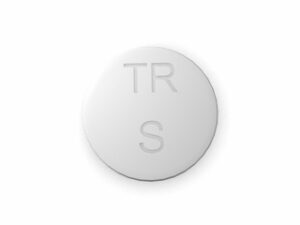
Plan B (Levonorgestrel) – Emergency Contraception (Australia)
Plan B containing levonorgestrel is an emergency contraceptive medicine used to help reduce the chance of pregnancy after unprotected sex or contraceptive failure (for example, a condom break or missed pills). It is intended for short-term, one-off use, not as regular contraception.
This patient-friendly guide explains how Plan B works, when to take it, what to expect, common side effects, practical tips, and how it fits into the Australian healthcare and legal context.
Key product information
- Active ingredient: Levonorgestrel
- Type: Emergency contraception (often referred to as “morning-after pill”)
- Best use: As soon as possible after unprotected sex
- Availability in Australia: Widely available through pharmacies; some products may be supplied with pharmacist advice
| Topic | What you should know |
|---|---|
| When to take | Ideally within 24 hours; can work up to 72 hours after unprotected sex (effectiveness decreases with time) |
| Typical dose | Commonly a single dose of levonorgestrel (exact strength depends on brand/product) |
| How it helps | Primarily delays or prevents ovulation |
| Not an abortion pill | It does not end an established pregnancy |
| Can it be used more than once? | It can be used when needed, but it is not a replacement for regular contraception |
How Plan B works (mechanism of action)
Levonorgestrel is a synthetic hormone related to progesterone. The medicine mainly works by:
- Delaying ovulation: If ovulation has not yet occurred, levonorgestrel can delay the release of an egg.
- Reducing the chance of fertilisation: By delaying ovulation, it helps reduce the window of time when pregnancy can occur.
- Effects on cervical mucus: It may also make it harder for sperm to reach the egg, depending on timing in the cycle.
Timing matters. If ovulation has already happened, Plan B is less likely to be effective.
Pharmacokinetics (how the body processes it)
After taking an oral dose, levonorgestrel is absorbed through the gastrointestinal tract. Key points include:
- Absorption: Rapid absorption typically occurs following oral administration.
- Distribution: The hormone distributes throughout the body; it binds to blood proteins.
- Metabolism: Levonorgestrel is metabolised primarily in the liver.
- Elimination: Metabolites are cleared mostly via bile/urine.
The practical takeaway is that earlier dosing provides the best chance of delaying ovulation.
Typical use (what it’s for)
Plan B is used as emergency contraception after:
- Unprotected sex
- Condom failure or breakage
- Missing or late hormonal contraception doses
- Misuse of contraception (for example, a pill taken too late)
- Sex without reliable contraception due to circumstances outside your control
Plan B is suitable for many people who need emergency contraception, but it may not work as well in every situation. If you have questions, a pharmacist can help you choose the most appropriate option.
When to take Plan B (timing guidance)
Take Plan B as soon as possible after unprotected sex. Effectiveness is higher the sooner you take it.
Recommended window
- Best: Within 24 hours
- Up to: Commonly indicated up to 72 hours (3 days) after unprotected sex
If you are close to the end of the 72-hour window, taking it immediately is still recommended if you can.
If you vomit
If you vomit within about 2–3 hours of taking the tablet, it may not have been fully absorbed. In that case, contact a pharmacist or healthcare professional for advice on whether you may need another dose.
Food interactions
Plan B can generally be taken with or without food. Food does not usually stop it from working.
However, if taking with food makes you more likely to keep the tablet down (and you are at risk of nausea/vomiting), that can be a practical advantage.
Alcohol and medicine interactions
Alcohol
Moderate alcohol is unlikely to directly cancel levonorgestrel’s effect, but alcohol can increase the risk of nausea and vomiting, which can affect absorption.
- If you drink alcohol, try to stay hydrated and watch for vomiting.
- If you vomit soon after taking Plan B, seek advice about whether another dose is needed.
Medicine interactions
Some medicines can reduce levonorgestrel levels and make emergency contraception less effective. These can include drugs that strongly affect liver enzymes (for example, certain anti-seizure medicines).
Examples of medicines to mention to a pharmacist include:
- Enzyme-inducing anti-epileptic medicines (antiepileptics)
- Rifampicin or similar antibiotics used for some infections
- Some treatments for HIV (depending on the regimen)
- St John’s wort (an herbal supplement)
If you take any regular medicines—especially those above—please speak to a pharmacist promptly. They can advise whether levonorgestrel is likely to work for you and whether another emergency contraception option is more suitable.
Indications (who it is intended for)
Plan B is indicated for use as emergency contraception to help reduce the likelihood of pregnancy after:
- Unprotected intercourse
- Contraceptive failure or incorrect use
It is intended for people of reproductive potential who are at risk of pregnancy from the timing of the unprotected event. If you already know you are pregnant, Plan B is not indicated.
Dosing (how to take it)
The dosing depends on the product you buy. Many Plan B products contain a single dose of levonorgestrel. Follow the label instructions exactly.
General dosing guidance
- Single dose: Typically taken once as soon as possible after unprotected sex.
- Do not delay: Even if you are unsure about timing, take it promptly to maximise benefit.
Missing doses or repeat dosing
Plan B is designed as a one-time emergency dose for the specific incident. If you have another unprotected sex event later during the same cycle, you may need a new dose or a different option. A pharmacist can advise based on your timing and health factors.
Important: Do not take more than the recommended single dose unless instructed by a pharmacist/health professional.
Safety profile (what to expect)
Plan B is generally well tolerated. Most side effects are short-lived and resolve within a day or two.
Common side effects
- Nausea
- Vomiting
- Headache
- Dizziness
- Fatigue
- Breast tenderness
- Lower abdominal cramps
- Changes in bleeding (spotting or lighter/heavier period)
Changes to your next period
- Your next period may arrive earlier or later than expected.
- Spotting or irregular bleeding can occur.
If your period is more than 7 days late (or you have unusual symptoms), take a pregnancy test.
When to seek urgent medical help
If you experience severe symptoms—particularly severe one-sided lower abdominal pain—seek urgent medical care. Though uncommon, ectopic pregnancy can still occur and requires prompt evaluation.
Practical use tips (making it work best for you)
- Take it immediately: The sooner you take Plan B, the better the chance of preventing pregnancy.
- Check the time: Note the time you had unprotected sex and the time you took the tablet.
- Don’t delay for perfection: If you’re not certain, take it anyway—waiting reduces effectiveness.
- Plan for nausea: If you’re prone to nausea, consider taking it with food (unless your product label says otherwise).
- Use ongoing contraception: Plan B does not provide protection against future sex in the same cycle.
- Consider a longer-term option: If you expect ongoing risk, discuss reliable contraception (for example, regular pills, patch, ring, injection, implant, or an IUD) with a clinician or pharmacist.
After emergency contraception, use condoms or avoid unprotected sex until you can restart or begin reliable contraception.
Alternative emergency contraception options
Levonorgestrel (Plan B) is one emergency contraception option. Depending on your timing, body weight/BMI, medication use, and personal preference, another option may be more suitable.
1) Ulipristal acetate
- Often effective up to 120 hours (5 days) after unprotected sex.
- May be preferred when the risk event is several days ago.
- May have specific interactions with hormonal contraception—pharmacist advice is helpful.
2) Copper intrauterine device (IUD)
- Can be used within up to 5 days after unprotected sex (and may be effective later depending on circumstances).
- Provides ongoing contraception after insertion if desired.
- Insertion requires a clinician appointment.
A pharmacist can help you compare options quickly based on your timeline and any medicines you take.
Market and legal context for Australia
In Australia, emergency contraception is widely accessible. Depending on brand and local supply arrangements, levonorgestrel emergency contraception products are commonly available through pharmacies. Pharmacists can provide advice on correct use, timing, and interactions with other medicines.
Australian guidance generally emphasises:
- Prompt access to emergency contraception
- Timely use (sooner is more effective)
- Correct counselling about pregnancy testing, side effects, and ongoing contraception
Availability can vary by brand and manufacturer, but emergency contraception products containing levonorgestrel have been part of the Australian market for many years.
Recent guidance and practical counselling points (Australia-focused)
While individual advice should always be tailored to you, common counselling themes in Australia include:
- Effectiveness declines with time, so taking the medicine as soon as possible is crucial.
- Consider alternative options if you are beyond the levonorgestrel window, are taking interacting medicines, or have factors that may reduce effectiveness.
- Pregnancy testing: if your period is more than a week late, test; if you have concerning symptoms, seek care.
- Fertility and cycle changes: bleeding changes after emergency contraception can be normal.
- Contraception continuity: emergency contraception does not prevent pregnancy from future sex in the same cycle.
If you have questions about timing, your cycle, or medication interactions, speak with a pharmacist as soon as possible.
Delivery and availability (online pharmacy)
Online pharmacies typically aim to make emergency contraception easy to access and discreet to receive. Availability may depend on stock levels and delivery regions.
What you can expect
- Discreet packaging where possible
- Delivery timeframes vary by location and carrier
- Stock availability can change—if the product you choose is unavailable, support staff may offer alternatives
If you need emergency contraception urgently, it’s important to order immediately and not wait for standard delivery if faster options exist. When time matters, earlier access improves the chance of effectiveness.
FAQ – Plan B (Levonorgestrel) for Australia
1) Is Plan B the same as abortion pills?
No. Plan B (levonorgestrel) is emergency contraception that primarily works by delaying ovulation. It does not end an established pregnancy.
2) How quickly does Plan B work?
Plan B needs to be taken soon after unprotected sex to help prevent pregnancy. It is not designed for “later prevention” once ovulation has already occurred. Earlier dosing improves effectiveness.
3) Can I take Plan B more than once?
You can use emergency contraception again in later cycles if needed, but it is not intended for routine use. If you frequently need emergency contraception, consider talking to a healthcare professional about ongoing reliable contraception.
4) Will Plan B affect my next period?
It might. Your period can come earlier or later than expected, and spotting or heavier bleeding can occur. If your period is more than 7 days late, take a pregnancy test.
5) What if I have unprotected sex again after taking Plan B?
Plan B does not protect against pregnancy from future sex during the same cycle. Use condoms or another reliable method until you can start/continue regular contraception.
6) Can I take it with other medicines?
Some medicines (especially enzyme-inducing drugs such as certain anti-seizure medications, rifampicin, and St John’s wort) can reduce the effectiveness of levonorgestrel. If you take regular medications, consider asking a pharmacist for advice.
7) Does food or alcohol change how Plan B works?
Food is generally fine, and Plan B can usually be taken with or without food. Alcohol may indirectly affect absorption if it causes vomiting or nausea. If you vomit within a few hours of taking it, seek advice.
8) What if I’m near my ovulation time?
Levonorgestrel is most effective before ovulation. If you’re very close to ovulation, another option (such as ulipristal acetate or a copper IUD) may be considered depending on timing and your circumstances. A pharmacist can help you choose the best option.
9) When should I do a pregnancy test?
If your period is more than 7 days late, take a pregnancy test. If you have symptoms of pregnancy or severe pain, seek medical advice promptly.
10) Is Plan B suitable for everyone?
Many people can use emergency contraception safely, but suitability can depend on factors such as medication interactions, timing in the menstrual cycle, and your health history. If you are unsure, contact a pharmacist.
Where to get help in Australia
If you need urgent advice about emergency contraception, side effects, or interactions, a pharmacist can help quickly. For emergencies or severe symptoms, seek urgent medical care.
If you’d like, share your timeline (how many hours/days since unprotected sex) and any current medicines with a pharmacist to discuss the most effective option available.