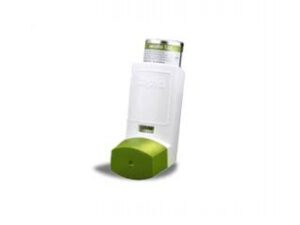
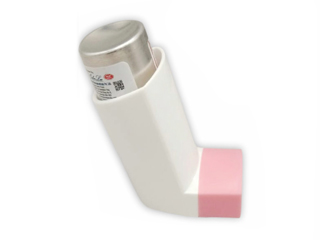


Budesonide + Formoterol Inhaler (Inhaled Corticosteroid / Long-Acting Bronchodilator)
Budesonide formoterol inhalers are commonly used in Australia to help control asthma and chronic obstructive pulmonary disease (COPD). They combine two medicines in one device:
- Budesonide: an inhaled corticosteroid (anti-inflammatory)
- Formoterol: a long-acting bronchodilator (works by relaxing airway muscles)
This guide explains what the medicine does, how it works in the body, typical uses, dosing and timing, practical tips for inhaling correctly, safety considerations, and frequently asked questions—written in a patient-friendly way for online pharmacy customers.
Basic product information
| Feature | What you should know |
|---|---|
| Common medicine names | Budesonide / formoterol |
| Medicine class | Inhaled corticosteroid (ICS) + long-acting beta2-agonist (LABA) |
| Typical conditions | Asthma; COPD (depending on local product approval and clinical direction) |
| How it’s taken | Inhaled using a pressurised metered-dose or dry powder device (varies by brand) |
| How it feels | Anti-inflammatory control over time; quick relief from bronchodilation is possible with formoterol |
Brand names, device types, and strength (micrograms per actuation/capsule) can vary. Always check the label for the exact strength and how many “puffs” or capsules to use.
How it works (mechanism of action)
Budesonide and formoterol work together to improve breathing:
- Budesonide (inhaled corticosteroid): reduces airway inflammation, swelling, and mucus production. This helps prevent symptoms and reduces flare-ups.
- Formoterol (beta2-agonist): relaxes smooth muscle in the airways, leading to bronchodilation (wider airways) and improved airflow. Formoterol can start acting fairly quickly compared with some other LABAs, which can be helpful for symptom relief in certain regimens.
Over time, controlling inflammation helps make the bronchodilator work better and helps reduce the frequency and severity of attacks.
Pharmacokinetics (what happens in the body)
Pharmacokinetics describes how the medicine moves through the body—how it is absorbed, metabolised, and eliminated. Actual absorption can vary based on inhaler technique and lung function.
Budesonide
- Absorption: delivered to the lungs; a portion may be swallowed and then absorbed from the gastrointestinal tract.
- Metabolism: extensively metabolised in the liver, largely through CYP3A4 enzymes.
- Elimination: metabolites are excreted primarily via the kidneys (through urine).
Formoterol
- Absorption: inhaled into the lungs, with some swallowed fraction.
- Distribution/metabolism: metabolised mainly in the liver (including via CYP2D6 and other pathways).
- Elimination: mostly cleared by renal and other routes depending on metabolism products.
Because both components are inhaled, the dose that reaches the lungs is the key driver of effectiveness. Correct inhaler technique improves lung deposition and reduces unwanted side effects.
Typical uses in Australia
Budesonide formoterol inhalers are used for long-term management of airway disease. The exact indication depends on the product and the patient’s diagnosis.
Common conditions
- Asthma: to help control persistent symptoms and reduce exacerbations.
- COPD: to help improve symptoms and reduce flare-ups in selected patients (as supported by local clinical guidance).
In some asthma regimens, formoterol’s relatively rapid onset may be used as part of an “as needed” strategy in addition to daily control. Your clinician may advise a specific plan based on your asthma severity and past flare-ups.
Timing and how to take your dose
The goal is to keep inflammation under control and to maintain open airways. Many patients use the inhaler regularly every day. Some people also use extra doses during symptoms if their plan allows.
General timing tips
- Regular dosing: use your prescribed (label-directed) schedule consistently—often morning and evening for control.
- Symptom episodes: if your asthma plan includes extra doses for symptoms, follow that written plan.
- Consistency: take your doses at similar times each day to maintain steady control.
Missed dose
If you miss a dose, take it when you remember unless it’s close to your next scheduled dose. Do not double up. If you’re unsure, check the product information leaflet or seek advice from a healthcare professional.
Food interactions
Food interactions are generally not a major concern with inhaled budesonide/formoterol, because the medicine is delivered directly to the lungs. However, swallowing some medication can occur, and swallowed components could be affected by overall gastrointestinal conditions.
- Normal meals: typically no special timing is required.
- General advice: if your clinician has provided dietary or medicine timing advice for other reasons (e.g., other medicines), follow that guidance.
If you experience stomach upset or reflux symptoms, tell your pharmacist or doctor—managing reflux can help reduce coughing and improve inhaler comfort.
Alcohol and medicine interactions
Alcohol does not usually have a direct interaction with inhaled budesonide/formoterol, but it can worsen breathing in some people by affecting airway tone and sleep, and it may increase risk if you become unwell.
Potential medicine interactions (important)
Tell your healthcare professional about all medicines you take, including over-the-counter products and herbal supplements. Some interactions can be clinically significant.
- Other medicines affecting beta-agonist pathways: using additional beta-agonists may increase effects such as tremor, heart palpitations, and low potassium risk.
- Corticosteroids: taking other steroid medicines (especially tablets) may increase overall steroid exposure and related side effects.
- Non-selective beta-blockers (e.g., some heart medicines): may reduce the effect of formoterol and can worsen bronchospasm. Ask your pharmacist if you use any beta-blocker medicines.
- Diuretics (“water tablets”) and other medicines that lower potassium: together with beta-agonists, they may increase the risk of low potassium.
- Ketoconazole, itraconazole and other strong CYP3A4 inhibitors: may increase budesonide levels.
- Some antidepressants and other medicines affecting metabolism: may influence formoterol metabolism.
- General caution with other inhalers: ensure you’re using each device in the right way and at the right time.
Alcohol
- Moderation: generally safe for many people, but avoid heavy drinking if it triggers breathlessness or worsens asthma/COPD symptoms.
- Be alert: alcohol can mask early symptoms of worsening breathing; seek medical advice if breathing becomes difficult.
Indications: what this inhaler is for
Budesonide formoterol inhalers are indicated for the management of obstructive airway disease. The exact indication depends on product strength and regulatory approvals in Australia, plus your diagnosis and severity.
Asthma
- Helps control symptoms and reduce exacerbations.
- In some treatment plans, may be used with additional doses during symptoms as part of an asthma action strategy.
COPD
- Helps improve lung function and reduce flare-ups in appropriate patients.
Your healthcare professional will advise whether you should use it only for maintenance, only for relief, or both—based on your condition.
Dosing guidance (how much to take)
Dosing varies by:
- your condition (asthma vs COPD)
- your age
- your current level of control
- the specific inhaler device and strength
- whether your plan includes extra doses during symptoms
Always follow the dose instructions on your product packaging or provided by your clinician. Below is patient-friendly general structure that many regimens follow (not a substitute for your specific plan).
Typical asthma regimen patterns (varies)
- Maintenance dosing: usually taken regularly (e.g., twice daily).
- Extra doses: some plans allow additional inhalations during symptoms. Follow your asthma action plan and maximum daily limits listed in the product information.
Typical COPD regimen pattern
- Maintenance dosing: taken regularly (often twice daily), with bronchodilation support and anti-inflammatory effect.
- Rescue medicines: patients may still use a separate short-acting reliever inhaler for sudden symptoms if prescribed.
Important: Do not increase doses beyond your action plan. If symptoms are not improving or you need frequent extra doses, seek medical advice promptly.
Safety profile: what to watch for
Like all medicines, budesonide formoterol can cause side effects. Many are mild and improve as your body adjusts. However, some symptoms may indicate poor control or excessive dosing.
Common side effects
- Throat irritation or hoarseness
- Cough after inhalation
- Oral thrush (candidiasis) (more likely if mouth isn’t rinsed)
- Headache
- Tremor and fast heartbeat (more linked to formoterol)
- Nervousness or feeling “on edge”
Less common but important risks
- Low potassium (hypokalaemia): may rarely occur, especially with high doses or with certain diuretics.
- Worsening asthma/COPD control: if you need your reliever frequently, your condition may be deteriorating.
- Systemic steroid effects: at typical inhaled doses these are much lower than with tablets, but long-term high-dose ICS can still contribute to issues such as cataracts or effects on bone health in some people.
When to get urgent help
Seek urgent medical assistance if you experience:
- severe difficulty breathing or inability to speak full sentences
- blue/grey lips or face
- no improvement after using your reliever plan
- worsening symptoms rapidly
Practical use tips (to get the best benefit and reduce side effects)
Correct inhaler technique is one of the most important factors for success. Below are practical tips that often improve outcomes.
After each use
- Rinse your mouth with water (and spit it out). This helps reduce thrush and hoarseness.
- Don’t swallow the rinse water if your leaflet advises spitting.
Inhalation technique (general checklist)
- Check the device type: pressurised metered-dose inhalers (pMDIs) and dry powder inhalers (DPIs) require different steps.
- Exhale fully first (before the inhaler dose), then inhale slowly and deeply as directed.
- Coordinate actuation and inhalation if you use a pMDI (many people benefit from a spacer).
- Hold your breath for a few seconds if possible (as advised by the device leaflet).
- Wait between puffs if you’re taking more than one dose, as the leaflet indicates.
- Clean and store the inhaler properly to avoid blockages and reduced dosing.
Spacers and technique aids
If your device is a pMDI, using a spacer can improve delivery to the lungs and reduce oropharyngeal side effects. Ask your pharmacist which accessories are compatible with your brand.
Alternative options
Depending on your diagnosis and current control, clinicians may consider other treatment approaches. Alternatives can include:
Other inhaler combinations
- Different ICS/LABA combinations (e.g., other inhaled corticosteroids with another LABA)
- ICS/LABA/LAMA options for some COPD patients
- ICS alone for select asthma patients
Reliever medications
- Short-acting beta2-agonists (SABA) for rapid symptom relief (commonly used in asthma action plans)
- Other relievers depending on the individual’s plan
The “best” option depends on your symptom pattern, risk of flare-ups, inhaler technique, and previous response. Do not switch medicines without medical guidance.
Market and legal context in Australia (what to expect)
In Australia, inhaled medicines are regulated through the Therapeutic Goods Administration (TGA). Availability and prescribing/dispensing requirements vary by product and consumer eligibility.
- Labelling and directions: Each product has an approved Consumer Medicines Information (CMI) leaflet and specific instructions.
- Support for safe use: Pharmacists provide counselling on inhaler technique, side effects, and action plans.
- Quality and authenticity: Online pharmacies typically dispense from licensed supply chains and provide clear product details.
If you’re purchasing online, ensure the product details (strength and device type) match what your healthcare professional intended.
Recent guidance and clinical approach (high-level)
Current Australian asthma and COPD management commonly emphasises:
- using inhaled anti-inflammatory treatment (ICS) to reduce exacerbation risk
- ensuring correct inhaler technique and adherence
- regular review of symptoms, lung function when appropriate, and ongoing need for step-up/step-down therapy
- personalised action plans for asthma symptoms and flare-ups
Because treatment plans can differ significantly between individuals, it’s important to follow your clinician’s specific dosing instructions and attend scheduled reviews.
Delivery and availability
Budesonide formoterol inhalers may be available through licensed pharmacy platforms in Australia. Availability can depend on:
- specific brand and strength
- current stock levels
- device type (pMDI vs DPI)
When ordering online, you may receive delivery options based on your location. Typical services include standard and express delivery. Delivery times can vary during peak periods or if stock requires replenishment.
Tip: Before ordering, double-check the strength (e.g., micrograms) and the number of doses in the device/carton.
FAQ
1) Is budesonide formoterol the same as a “reliever” inhaler?
It depends on your action plan. The combination includes formoterol, which can act relatively quickly for bronchodilation. However, it also contains budesonide, which works to control inflammation over time. Your clinician may advise it as: maintenance only, or maintenance plus additional doses during symptoms.
2) How long does it take to work?
Many patients notice improved breathing relatively quickly due to formoterol. The anti-inflammatory effect of budesonide helps control symptoms and reduce flare-ups over days to weeks. If you feel you’re not improving, review your inhaler technique and seek advice.
3) Should I rinse my mouth after using it?
Yes. Rinsing your mouth and spitting helps reduce the risk of thrush and hoarseness caused by the inhaled corticosteroid.
4) Can I use it if I’m having an asthma attack?
Follow your asthma action plan. Some regimens allow additional doses for symptoms, while others require a separate reliever inhaler. If symptoms are severe or not responding, seek urgent medical help.
5) What if I accidentally take extra puffs?
Accidental extra doses can increase side effects such as tremor, fast heartbeat, headache, and may worsen your situation if asthma/COPD control is poor. Contact your pharmacist or healthcare professional for advice, especially if symptoms worsen.
6) What side effects should concern me?
Seek urgent help if breathing becomes significantly worse, you cannot speak normally, or you have signs of severe asthma/COPD. For non-urgent concerns, talk to your pharmacist—particularly for persistent hoarseness, thrush, or ongoing palpitations.
7) Can I stop taking it once I feel better?
Usually, stopping suddenly can lead to loss of control because the anti-inflammatory effect needs ongoing dosing. Step-down should be discussed with your clinician when your condition is stable.
8) Are there any lifestyle tips that help?
Yes. Helpful measures include avoiding smoke and vaping exposure, staying active within tolerance, keeping vaccinations up to date when advised, and identifying triggers (such as allergens, exercise triggers, or respiratory infections). Good inhaler technique also makes a big difference.
9) Can I use it during pregnancy or breastfeeding?
Many inhaled medicines are used in pregnancy and breastfeeding when the benefits outweigh risks. Discuss your specific situation with a healthcare professional so the safest, most effective plan is chosen.
10) Does it interact with my other medications?
Potential interactions may include certain heart medicines (beta-blockers), strong enzyme inhibitors, and diuretics that can affect potassium. Share your medicine list with your pharmacist to check for compatibility.
Summary
Budesonide formoterol inhalers combine two complementary medicines: budesonide to reduce airway inflammation and formoterol to relax airway muscles and improve airflow. With correct inhaler technique, regular use, and appropriate follow-up, this combination can support long-term symptom control and help reduce exacerbations for many people with asthma or COPD.
If you have questions about dosing, inhaler technique, side effects, or whether your condition is improving, speak with your pharmacist or clinician. They can help tailor your plan and ensure you get the best results from your inhaler.