

Arcoxia (Etoricoxib) — Patient-Friendly Guide
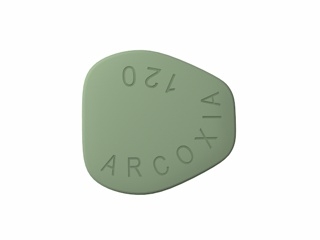
Arcoxia (etoricoxib) is a medicine used to reduce pain and inflammation in certain joint and muscle conditions. This guide explains how Arcoxia works, how it’s typically used, common interactions and safety points, and what to expect while taking it. It’s written for people in Australia and uses general information that may help you discuss treatment with your healthcare professional.
Important: This information is not a substitute for individual medical advice. Your dose and suitability depend on your medical history, kidney and liver function, cardiovascular risk factors, and the condition being treated.
Basic product information
- Brand name: Arcoxia
- Generic name: Etoricoxib
- Medicine class: COX-2 selective non-steroidal anti-inflammatory drug (NSAID)
- Common strengths (varies by market availability): Tablets are commonly available in several strengths.
- How it’s taken: Usually once daily, by mouth
How Arcoxia works (mechanism of action)
Etoricoxib belongs to the NSAID family and is described as a COX-2 selective inhibitor.
In the body, COX enzymes (cyclooxygenases) help produce prostaglandins—chemical messengers that contribute to pain, fever, and inflammation. By selectively inhibiting COX-2, Arcoxia reduces prostaglandin production in tissues involved in inflammation and pain.
- Less pain: reduces inflammatory pain signals
- Reduced swelling/inflammation: helps with symptom relief in joint conditions
- Effect on stomach lining: COX-2 selectivity may reduce some gastrointestinal side effects compared with less selective NSAIDs, but GI risk is not eliminated
Pharmacokinetics (how the body processes Arcoxia)
Pharmacokinetics describes absorption, distribution, metabolism, and elimination.
- Absorption: After oral dosing, etoricoxib is absorbed into the bloodstream. Peak levels typically occur within about 1 hour (timing can vary).
- Food effect: Food does not substantially change overall exposure for most people, though a full meal may delay the time to peak concentration.
- Distribution: Etoricoxib binds to plasma proteins.
- Metabolism: Mainly metabolised in the liver (predominantly via CYP pathways such as CYP3A4).
- Elimination: Metabolites are excreted primarily by the kidneys.
- Half-life: Often cited as approximately 10–twenty hours, supporting once-daily dosing for many indications.
Typical uses and indications
Arcoxia may be used to manage symptoms of inflammatory pain and stiffness in specific musculoskeletal conditions. The exact approved indications can vary by country and product labelling. Common clinical uses include:
- Osteoarthritis (pain relief)
- Rheumatoid arthritis (pain and inflammation)
- Ankylosing spondylitis (pain and stiffness)
- Acute gout (short-term symptom relief during flare-ups, under clinician guidance)
Note: Etoricoxib may not be the best first option for everyone. Treatment choice depends on the condition, severity, and your risk factors (especially heart, blood pressure, kidney, and stomach history).
When to take Arcoxia (timing and daily schedule)
Arcoxia is commonly taken , at about the same time each day to help maintain stable pain control.
- Consistency: Try not to skip doses.
- Duration: Use the lowest effective dose for the shortest possible time consistent with your goals.
- If you miss a dose: Take it when you remember unless it’s close to your next dose. Do not double up.
For acute flare-ups: Your clinician may specify a short course and review if symptoms persist.
Food interactions
Arcoxia can generally be taken with or without food.
- With food: May delay time to peak in some people, but overall effect is usually similar.
- On an empty stomach: Some people may feel the effect a little sooner.
Practical tip: Choose a routine that helps you remember—many people take it after a meal to reduce the chance of stomach discomfort (even though COX-2 selective medicines may be less irritating than some older NSAIDs).
Alcohol interactions and safety
Combining NSAIDs with alcohol may increase the risk of stomach irritation, ulcers, and bleeding, and can also increase strain on the kidneys in susceptible people.
- General guidance: Limit alcohol while taking Arcoxia.
- Avoid heavy drinking: If you drink regularly or heavily, discuss this with a healthcare professional before using etoricoxib.
- Seek urgent help if: you develop black/tarry stools, vomiting blood, severe abdominal pain, or light-headedness/fainting.
Medicine interactions (important)
Drug interactions can change how safe and effective a medicine is. Always tell a healthcare professional about all medicines and supplements you take, including herbal products.
Key interaction areas
- Other NSAIDs (e.g., ibuprofen, naproxen, diclofenac, indometacin): increased risk of GI bleeding and kidney problems. Avoid combining unless specifically directed.
- Blood thinners (e.g., warfarin): NSAIDs can increase bleeding risk; regular monitoring may be needed.
- Antiplatelet medicines (e.g., aspirin, clopidogrel): may increase bleeding risk, especially if combined with other NSAIDs.
- Diuretics (water tablets) and ACE inhibitors/ARBs (e.g., enalapril, lisinopril, losartan, valsartan): together can raise risk of kidney injury. This combination is sometimes referred to as a “triple whammy” when an NSAID is added.
- Blood pressure medicines: Arcoxia may reduce the effectiveness of some treatments and can raise blood pressure in some people.
- Lithium: NSAIDs may increase lithium levels—toxicity is a concern.
- Methotrexate: NSAIDs can increase methotrexate levels and toxicity risk.
- Corticosteroids (e.g., prednisone): may increase GI bleeding risk when combined with NSAIDs.
- SSRIs/SNRIs for depression (e.g., sertraline, fluoxetine, venlafaxine): may increase GI bleeding risk.
- Digoxin: NSAIDs can alter digoxin handling in some cases.
- Cyclosporine/tacrolimus: potential kidney risk increases with NSAIDs.
Specific note on aspirin
If you take low-dose aspirin for heart protection, the interaction risk with NSAIDs can differ from one NSAID to another. Discuss the safest plan for your situation with a healthcare professional.
Dosing (general guidance)
Because dosing depends on the condition, age, and risk factors, always follow the directions provided for your specific product and plan.
Common dosing approach
- Once daily dosing is typical for many indications.
- Lowest effective dose and shortest duration are recommended to reduce risk.
- Do not exceed the maximum daily dose listed on the product label for your condition.
Typical dose ranges (illustrative)
The exact dose schedule should be confirmed with your healthcare professional and your medicine’s label. Below are commonly referenced dose ranges for etoricoxib in clinical practice:
| Condition (common indication) | Typical once-daily dose range | Notes |
|---|---|---|
| Osteoarthritis | Often 30 mg once daily (may be adjusted) | Use the lowest effective dose for symptom control. |
| Rheumatoid arthritis | Often 60 mg once daily (may be adjusted) | May be higher if needed, under clinician review. |
| Ankylosing spondylitis | Often 60 mg once daily (may be adjusted) | Assess response and side effects periodically. |
| Acute gout (flare) | Often 120 mg once daily for a short course | Short-term use with careful monitoring for risks. |
Special populations:
- Kidney impairment: dosing may need adjustment; avoid or limit use in certain severe kidney conditions.
- Liver impairment: dose limitations apply. People with moderate to severe liver disease should follow stricter rules.
- Older adults: may have greater sensitivity to side effects; clinicians often start at the low end.
- Cardiovascular risk: in people with high risk of cardiovascular events, clinicians may be more cautious with dosing and duration.
If you’re unsure: confirm your specific dose and how long you should take it with a healthcare professional or check the packaging instructions.
Safety profile (what to watch for)
Like all medicines, Arcoxia can cause side effects. Many people tolerate it well, but some risks deserve careful attention—especially with higher doses, longer use, dehydration, or existing health conditions.
Common side effects
- Headache
- Dizziness
- Indigestion, abdominal discomfort, or nausea
- Fluid retention or swelling (oedema) in some people
- Elevated blood pressure
Serious risks (seek urgent help)
Stop use and seek urgent medical attention if you experience symptoms suggestive of the following:
- Allergic reaction: swelling of face/lips, trouble breathing, hives
- Heart or stroke warning signs: chest pain, sudden weakness on one side, speech difficulty, severe sudden headache
- Severe stomach bleeding: black/tarry stools, vomiting blood, severe persistent stomach pain
- Kidney problems: reduced urination, sudden weight gain from fluid retention, severe fatigue
- Severe liver problems: yellowing of eyes/skin, dark urine, severe upper abdominal pain
- Skin reactions: blistering rash, peeling skin, sores in mouth
Who should be extra cautious?
Discuss risk carefully if you have:
- A history of heart disease, stroke, or blood clots
- Uncontrolled high blood pressure
- History of stomach ulcers or gastrointestinal bleeding
- Chronic kidney disease or dehydration risk
- Moderate to severe liver disease
- Asthma triggered by aspirin/NSAIDs
- Current use of blood thinners or multiple interacting medicines
Practical use tips (to get the best results safely)
- Start low, go slow (with clinician guidance): If you need pain relief daily, ask whether the lowest dose can achieve control.
- Avoid combining NSAIDs: Don’t take ibuprofen, naproxen, or diclofenac on top of Arcoxia unless specifically advised.
- Hydration matters: Dehydration increases kidney risk. Drink adequate fluids, especially during hot weather or if you’re unwell.
- Monitor blood pressure: If you have hypertension or are at risk, check blood pressure regularly.
- Watch for stomach symptoms: Even if risk is lower than some other NSAIDs, report persistent indigestion or pain early.
- Use symptom relief as a guide: If pain is not improving, reassess with your healthcare professional rather than simply increasing dose.
- Be cautious during illness: If you develop vomiting/diarrhoea, reduced intake, or dehydration, contact a healthcare professional—your NSAID plan may need review.
Alternative options (depending on your condition and risk)
Your best alternative depends on the type of pain, how long you need treatment, and your medical history.
Non-medicine approaches
- Physiotherapy, exercise programs, mobility and strengthening plans
- Weight management (for osteoarthritis)
- Heat/cold therapy
- Assistive devices and activity modification
Medication alternatives
- Paracetamol (acetaminophen): may help with pain, particularly for mild to moderate symptoms (note liver safety limits).
- Topical NSAIDs: for some joint pain (lower systemic exposure than tablets).
- Non-COX-2 NSAIDs: some people tolerate them, but they may carry higher GI risk.
- Disease-modifying medicines (for RA): for rheumatoid arthritis, long-term control often involves targeted therapies rather than only NSAIDs.
- Gout-specific approaches: such as urate-lowering therapy and flare-management strategies chosen by clinicians.
Always ask: what alternatives are appropriate for you, especially if you have heart, kidney, stomach, or liver concerns.
Australia market & legal context (what it means for customers)
In Australia, medicines are regulated under the TGA (Therapeutic Goods Administration). Availability, prescribing requirements, and supply pathways depend on the product’s classification and local regulations at the time of dispensing.
- TGA-approved products: Arcoxia and etoricoxib-containing products are subject to Australian regulatory requirements.
- Supply rules: How you obtain the medicine (for example, whether it is restricted to prescription-only supply) depends on the product’s classification and current regulatory status.
- Pharmacy dispensing: Online pharmacy services in Australia typically follow legal supply and verification processes.
Because regulation and product availability can change, your online pharmacy listing should reflect the most current local information.
Recent guidance and evolving safety focus
Across many countries, safety guidance for NSAIDs—including COX-2 selective drugs—has focused on:
- Cardiovascular risk awareness (heart attack/stroke risk can increase with higher doses and longer duration)
- Gastrointestinal safety (ulcer and bleeding risk)
- Kidney protection (especially in dehydration or pre-existing kidney disease)
- Medication review to avoid multiple overlapping NSAIDs
Clinical decisions increasingly emphasise the principle of using the lowest effective dose for the shortest time and tailoring the plan to individual risk factors.
If you’re already taking etoricoxib: don’t stop suddenly without medical advice, but do review your regimen with a healthcare professional—particularly if your health status has changed (new heart problems, rising blood pressure, stomach symptoms, or reduced kidney function).
Delivery and availability (online pharmacy)
Availability of Arcoxia (etoricoxib) may vary by strength and region. When ordering online, delivery timeframes depend on:
- Stock availability at the pharmacy or wholesaler
- Your location (metro vs regional areas)
- Courier schedules
Many Australian online pharmacies provide options such as express delivery or standard shipping. Always check the product page for current estimated dispatch times, delivery costs, and minimum order conditions.
Packaging: Medicines are typically shipped in protective packaging and may include temperature considerations depending on product handling requirements.
Frequently Asked Questions (FAQ)
1) Is Arcoxia the same as other anti-inflammatory medicines?
Arcoxia contains etoricoxib, a COX-2 selective NSAID. It’s different from non-selective NSAIDs like ibuprofen or naproxen, but it still belongs to the broader NSAID class and shares similar safety considerations (heart, stomach, and kidney risks).
2) How quickly does Arcoxia work?
Many people notice symptom improvement within the first day. Because onset can vary, it’s helpful to follow your clinician’s plan and give a reasonable trial period to assess effectiveness—especially for chronic conditions.
3) Can I take Arcoxia with food?
Yes. Arcoxia can usually be taken with or without food. Food may delay peak levels slightly, but overall effect is typically similar.
4) Can I drink alcohol while taking Arcoxia?
It’s best to limit alcohol. Alcohol can increase the risk of stomach irritation and bleeding when combined with NSAIDs. If you drink regularly, discuss this with your healthcare professional.
5) What should I avoid combining with Arcoxia?
Avoid combining with other NSAIDs (e.g., ibuprofen, naproxen, diclofenac) unless a healthcare professional specifically instructs you. Also be careful with medicines that affect blood clotting, blood pressure, kidney function, or liver metabolism.
6) Are there people who should not use Arcoxia?
People with certain medical conditions—such as active stomach ulcer/bleeding, severe kidney or liver impairment, certain types of asthma triggered by NSAIDs, or those at high cardiovascular risk—may need to avoid it or use it only under close supervision.
7) What side effects are most concerning?
Seek urgent medical help for signs of allergy (breathing difficulty, facial swelling), heart/stroke symptoms (chest pain, sudden weakness, speech problems), severe stomach bleeding (black stools, vomiting blood), kidney issues (reduced urination, rapid swelling), or severe skin/liver reactions.
8) Does Arcoxia raise blood pressure?
It can. If you have high blood pressure or cardiovascular risk, monitoring is important. Your clinician may adjust your treatment if your blood pressure increases.
9) What if my pain returns when I stop?
For chronic conditions, symptoms may recur. Consider discussing non-medicine strategies, long-term management options, or alternative medication plans rather than extending NSAID use without review.
10) Where can I find the correct dosage for me?
Check the information on your medicine packaging and follow the dosing directions provided by your healthcare professional. If you’re unsure, contact the dispensing pharmacist or healthcare provider for clarification.
Summary
Arcoxia (etoricoxib) is a COX-2 selective NSAID used for inflammatory pain conditions such as osteoarthritis, rheumatoid arthritis, ankylosing spondylitis, and short-term management of acute gout flares in suitable patients. It works by reducing prostaglandin production involved in pain and inflammation. While it may provide effective symptom relief and is often taken once daily, it carries important safety considerations—particularly regarding cardiovascular risk, stomach bleeding, and kidney function.
For the safest outcome, use the lowest effective dose, avoid combining with other NSAIDs, be mindful of alcohol, and seek advice promptly if you develop concerning symptoms.