


Rheumatrex (Methotrexate) – Patient Guide (Australia)
Rheumatrex is a brand of methotrexate, a medicine used to treat certain inflammatory and autoimmune conditions. This guide is written to help you understand how it works, how it’s usually taken, what to watch for, and how to use it safely. It’s general information only—your treating team will tailor advice to your specific situation.
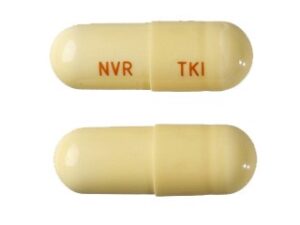
Common strengths and forms: Rheumatrex is typically available as tablets (oral). Some brands or markets may include other formulations; always confirm the product and strength you have.
Basic product information
- Medicine name: Methotrexate
- Brand: Rheumatrex
- Medicine type: Disease-modifying anti-rheumatic drug (DMARD) / immunomodulator
- How it’s taken: Usually as tablets taken once weekly (or as directed)
- Important note: Methotrexate is commonly prescribed on a weekly schedule. Taking it more often than intended can be dangerous.
How Rheumatrex works (mechanism of action)
Methotrexate affects the immune system and rapidly dividing cells. At the low doses used for inflammatory conditions, it primarily works through multiple mechanisms, including:
- Increasing adenosine, a signalling molecule that helps reduce inflammation
- Modulating immune activity that contributes to autoimmune disease
- Interfering with folate-dependent processes (methotrexate is a folate antagonist), which can reduce harmful inflammatory signalling over time
For many people, methotrexate helps reduce joint pain and swelling, morning stiffness, and other disease symptoms. It may also reduce markers of inflammation.
Pharmacokinetics: how the body handles methotrexate
Pharmacokinetics describes how the body absorbs, distributes, metabolises, and removes a medicine.
| Step | What generally happens |
|---|---|
| Absorption | Oral absorption is variable between individuals. Food can influence absorption for some people. |
| Distribution | Methotrexate distributes into body tissues. Higher levels can occur in certain cells and may persist intracellularly. |
| Metabolism | It is metabolised partly in the liver to active and inactive forms (including polyglutamates). |
| Elimination | Primarily eliminated through the kidneys. Kidney function strongly affects clearance. |
| Half-life (general) | Plasma levels decline over time, but active intracellular effects can last longer than the blood half-life. |
Why this matters: Because methotrexate is cleared through the kidneys, people with reduced kidney function may need dose adjustments and closer monitoring.
Typical use in inflammatory conditions
Methotrexate is commonly used as a long-term controller medicine. It does not usually provide immediate relief like a pain reliever might; instead, it helps reduce underlying disease activity over time.
Common indications (what it treats)
Depending on your diagnosis and local prescribing practices in Australia, methotrexate may be used for:
- Rheumatoid arthritis (RA)
- Psoriatic arthritis
- Severe psoriasis (often when other treatments are inadequate)
- Other inflammatory/autoimmune disorders in selected patients, as advised by specialists
Your clinician will explain the expected benefits and monitoring plan for your specific condition.
When and how to take it (timing)
Methotrexate is usually taken on a once-weekly schedule. A key safety point is that methotrexate must not be taken daily unless specifically instructed (for some other methotrexate formulations or specialised schedules, instructions differ).
- Choose a consistent day: Many people take it on the same day each week.
- Use a reminder: Phone alarms or a weekly pill organiser can help prevent dosing errors.
- Follow your directions for dose and number of tablets: Your dose may be adjusted over time.
Missed dose: If you miss a weekly dose, contact your pharmacist or prescriber for advice. Because the schedule is weekly, the “right” approach differs from many other medicines.
Food interactions
Food can affect absorption of methotrexate for some people. While many patients take it with food without problems, the most important advice is:
- Take consistently: If your healthcare team advised taking it with meals, keep the same routine each week.
- Stay hydrated: Adequate fluid intake supports kidney function.
- Report stomach upset: Nausea, mouth sores, or diarrhoea may require review.
If you experience persistent side effects, your clinician may adjust the dose, dosing time, or supportive measures.
Alcohol and medicine interactions
Alcohol can increase the risk of liver irritation in people taking methotrexate. In practice, many clinicians recommend limiting alcohol to reduce liver risk.
Alcohol
- Best approach: Discuss your alcohol intake with your prescriber or pharmacist.
- Consider avoiding alcohol if you have liver concerns, abnormal liver tests, fatty liver, or other risk factors.
- Do not “balance” alcohol: Avoid drinking more than advised, particularly around blood test schedules.
Common medicine interactions (important)
Several medicines can increase the risk of side effects or affect how methotrexate works. Always tell your pharmacist or prescriber about all medicines you take, including over-the-counter products and herbal supplements.
- Other folate antagonists or certain supplements: may increase toxicity risk.
- Trimethoprim-containing antibiotics (e.g., some co-trimoxazole products): can increase risk of blood count suppression and other adverse effects.
- Proton pump inhibitors and some anti-inflammatory medicines: may affect methotrexate clearance in certain situations (interaction risk varies).
- Non-steroidal anti-inflammatory drugs (NSAIDs): often used in rheumatology; in some settings, they can influence methotrexate levels and kidney strain—your team will consider this.
- Drugs affecting kidney function: anything that reduces kidney blood flow or function can increase methotrexate exposure.
- Live vaccines: immunosuppressive effects may affect vaccine safety.
Herbal/supplements: Some natural products may affect liver function or immune responses. Check with a pharmacist before starting new supplements.
Typical dosing approach (general information)
Because methotrexate dosing is tailored to your diagnosis, response, and safety monitoring, your prescriber may adjust the dose. Below is general information to help you understand common patterns.
Common dosing schedules
- Rheumatoid arthritis and psoriatic arthritis: often started at a low dose once weekly and gradually increased based on response and blood tests.
- Psoriasis: dose may vary depending on severity, prior treatments, and safety considerations.
- Folic acid or folinic acid “folate support”: many patients are prescribed folate supplementation to reduce certain side effects such as mouth sores and gastrointestinal symptoms.
Monitoring-based dose adjustment
Your clinician may increase or reduce your dose depending on:
- Disease activity and symptom response
- Blood test results (full blood count, liver enzymes, kidney function)
- Side effects such as nausea, fatigue, mouth ulcers, or infections
Do not self-adjust: Changing the weekly dose without clinical guidance can increase the risk of serious adverse effects.
Safety profile: what to expect and when to seek help
Most people experience side effects that are mild to moderate, especially early in treatment. However, methotrexate can cause serious harm in some circumstances, which is why regular monitoring is important.
Common side effects
- Nausea or stomach upset
- Fatigue
- Headache
- Mouth ulcers or sore gums
- Hair thinning (uncommon, varies by person)
Less common but important risks
- Infections due to immune effects
- Low blood counts (anaemia, low white cells, low platelets)
- Liver injury (risk may increase with alcohol or existing liver conditions)
- Kidney problems (especially if dehydrated or when combined with interacting medicines)
- Lung inflammation (rare but serious; symptoms require prompt assessment)
Seek urgent medical advice if you get
- Signs of serious infection (fever, chills, severe sore throat, shortness of breath)
- Unusual bruising, bleeding, or extreme tiredness
- Severe mouth ulcers or inability to eat/drink
- Yellowing of eyes/skin or severe upper abdominal pain
- New persistent cough, breathlessness, or chest pain (possible lung-related effects)
- Severe diarrhoea or vomiting leading to dehydration
Practical use tips for safer treatment
- Double-check the weekly day and dose each time you refill.
- Keep a medication record (dose, day, folate schedule).
- Plan blood tests as recommended—monitoring helps catch side effects early.
- Use folate support if prescribed. Do not start or stop supplements without asking your pharmacist or clinician.
- Stay well hydrated, particularly during heatwaves or if you’re unwell.
- Avoid dehydration and “crash dieting” if you feel unwell—kidney clearance matters.
- Tell dentists and surgeons that you’re taking methotrexate, especially for dental work or procedures.
Handling missed or extra doses: Because methotrexate is weekly, taking it too frequently is a key safety risk. If you think you’ve taken an incorrect dose, contact a pharmacist or local medical service immediately for advice.
Timing for symptom response
Many patients begin to feel improvement within several weeks, but full benefit may take longer.
- Early changes: sometimes within 2–6 weeks
- More noticeable benefit: often over 8–12 weeks
- Longer-term control: may require dose optimisation and sustained treatment
If symptoms are not improving or side effects occur, discuss with your clinician rather than stopping suddenly.
Alternative options (if methotrexate isn’t suitable)
Your doctor may consider other therapies depending on your diagnosis, disease severity, comorbidities, and response to methotrexate.
Medication alternatives
- Other csDMARDs/DMARDs: e.g., sulfasalazine or leflunomide (choice depends on diagnosis and monitoring requirements).
- Biologic therapies: targeted agents for specific inflammatory pathways.
- Targeted synthetic DMARDs: certain oral therapies that act on specific inflammatory signals.
- Symptom-relief medicines: such as corticosteroids or NSAIDs may be used short-term while DMARDs take effect (depending on your plan).
Non-medicine supports
- Physiotherapy and supervised exercise
- Weight management and smoking cessation
- Vaccination planning
- Regular monitoring for disease complications
Your clinician can help you compare options based on risks, benefits, and your monitoring capacity.
Market and legal context in Australia
In Australia, methotrexate products are supplied through regulated pharmaceutical channels. Availability, brand names, pack sizes, and reimbursement arrangements can vary. Medicines such as methotrexate may be subject to specific prescribing and dispensing rules, and supply may require appropriate clinical oversight.
Online pharmacies must comply with Australian regulations, including identity checks, medication safety requirements, and guidance about appropriate use. Always ensure you receive the exact medicine and strength you expect.
Recent guidance and monitoring practices (high-level)
Clinical practice for methotrexate in rheumatology and dermatology generally includes:
- Baseline assessment before starting (including blood tests and evaluation of liver/kidney status)
- Ongoing blood monitoring to detect blood count changes and liver/kidney effects early
- Medication review for interacting drugs and infection risk
- Folate supplementation for many patients to reduce side effects
Because recommendations may evolve with new evidence and local protocols, your prescriber may follow updated schedules for tests and dose changes.
Delivery and availability (Australia)
Rheumatrex (methotrexate) availability may depend on stock levels and the specific pack size. Online pharmacies in Australia typically offer:
- Order processing on business days
- Courier delivery with tracking
- Secure packaging appropriate for medicine handling
Tip: If you need regular refills, order ahead to allow for shipping time and potential delays.
Delivery options and timelines vary by provider and location within Australia.
FAQ
1) Is Rheumatrex taken once a week or daily?
For most inflammatory conditions treated with methotrexate, it is taken on a once-weekly schedule. Confirm your exact instructions with your healthcare professional and double-check the day and dose each week.
2) Why do I need regular blood tests?
Methotrexate can affect blood counts and liver and kidney function. Blood tests help detect problems early, before symptoms become severe.
3) What is the role of folic acid?
Many people are advised to take folate (commonly folic acid) alongside methotrexate to reduce certain side effects, such as mouth ulcers and gastrointestinal symptoms. Follow your prescribed folate schedule.
4) Can I take it with food?
Food may influence absorption in some cases. If you’ve been told to take methotrexate with meals (or without), keep the approach consistent. If you get nausea, ask your pharmacist whether timing or supportive strategies could help.
5) Can I drink alcohol while taking methotrexate?
Alcohol can increase the risk of liver irritation. Many clinicians recommend limiting alcohol or avoiding it, especially if you have liver test abnormalities. Discuss your individual situation with your healthcare team.
6) What medicines should I avoid?
Several medicines can interact with methotrexate, including some antibiotics and drugs that affect kidney function or blood counts. Do not start or stop any medicine without advice. Always inform your pharmacist about your full medication list.
7) What if I miss a weekly dose?
Because dosing is weekly, the correct response depends on your schedule and timing. Contact a pharmacist or your prescriber for guidance rather than trying to “make up” the dose.
8) How long does it take to work?
Some improvement may occur within weeks, but fuller benefit often takes 8–12 weeks (and sometimes longer) as your dose and monitoring plan are optimised.
9) Can I get vaccinated while on methotrexate?
Vaccination advice depends on the type of vaccine and your treatment level. In general, avoid live vaccines unless specifically approved by your clinician. Ask your pharmacist or doctor about which vaccines are safe for you.
10) When should I seek urgent help?
Seek urgent medical advice for serious infection symptoms, unusual bleeding/bruising, severe mouth ulcers, signs of liver problems (such as yellowing), or breathing symptoms like new persistent cough or breathlessness.
Need more help? If you’re unsure about your dosing day, interactions, or what to do after missing a dose, speak to a pharmacist. Taking methotrexate safely depends on correct weekly dosing and monitoring.