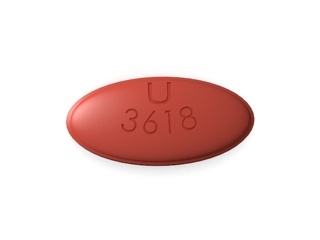

Vantin (Cefpodoxime) – Patient-Friendly Guide (Australia)
Vantin contains the antibiotic cefpodoxime, used to treat certain bacterial infections. This guide explains how Vantin works, how it is used in everyday practice, common safety considerations, and what to expect while taking it. It is written for general information and does not replace advice from a healthcare professional.
1) Basic product information
| Category | Details |
|---|---|
| Medicine | Vantin |
| Active ingredient | Cefpodoxime (as cefpodoxime proxetil) |
| Medicinal class | Cephalosporin antibiotic (beta-lactam) |
| Typical formulation | Oral tablets or oral suspension (availability may vary by brand/strength) |
| Common dosing frequency | Often 12-hourly (twice daily), depending on indication and patient age |
| Use | Treatment of specific bacterial infections (not for viral illnesses) |
Important: Cefpodoxime is effective against susceptible bacteria. It will not treat colds, flu, or other viral infections.
2) How Vantin works (mechanism of action)
Cefpodoxime is a cephalosporin antibiotic. It works by interfering with bacterial cell-wall construction. Specifically, it binds to penicillin-binding proteins (PBPs), which are essential for building and maintaining the bacterial cell wall.
When the bacterial cell wall cannot form properly, the bacteria lose structural integrity and are unable to multiply effectively. This leads to bacterial death (or suppression), allowing the immune system to clear the infection.
Key point: Like many antibiotics, cefpodoxime’s effectiveness depends on using the right drug for the right bacteria and completing the course as directed.
3) Pharmacokinetics (how the body handles cefpodoxime)
Pharmacokinetics describes how a medicine is absorbed, distributed, metabolised, and eliminated. While individual results can vary, the general process for cefpodoxime is as follows:
- Absorption: Cefpodoxime proxetil is converted to cefpodoxime in the body. Absorption can be improved when taken with food (see “Food interactions”).
- Onset: Many people begin to feel improvement within 24–48 hours after starting appropriate antibiotics, although this depends on the infection and severity.
- Distribution: Cefpodoxime distributes into various body compartments and targets infections in appropriate tissues, depending on the site of infection.
- Metabolism: Cefpodoxime is largely excreted without extensive metabolism.
- Elimination: Cefpodoxime is removed primarily via the kidneys. People with reduced kidney function may require dose adjustment.
Practical implication: If you have kidney disease, you should inform your healthcare professional before using Vantin so dosing can be appropriate.
4) Typical uses in clinical practice (indications)
In Australia, cefpodoxime is used for specific bacterial infections where the bacteria are expected to be susceptible to cephalosporin antibiotics. Indications can vary by patient age and local guidelines. Common uses include:
- Respiratory tract infections (certain bacterial infections such as some cases of sinusitis or bronchitis, when appropriate)
- Ear infections (otitis media) in selected cases
- Skin and soft tissue infections (when caused by susceptible bacteria)
- Urinary tract infections (UTIs) (certain uncomplicated or specific scenarios depending on local prescribing practices)
- Other bacterial infections as determined by a clinician based on symptoms, suspected organisms, and susceptibility patterns
Not for: Viral infections (e.g., cold and flu), fungal infections, and most cases of uncomplicated sore throat unless bacterial cause is confirmed or strongly suspected.
5) When to take Vantin (timing and how to build a routine)
Vantin is usually taken at evenly spaced intervals to maintain effective antibiotic levels. Many regimens are twice daily (every 12 hours). The exact schedule depends on your diagnosis and age.
Timing tips
- Try to choose fixed times: For example, morning and evening.
- Maintain spacing: Avoid long gaps between doses.
- Finish the course: Stopping early can increase the risk of relapse and antibiotic resistance.
- If you miss a dose:
- Take it when you remember if it is close to the next dose.
- If the next dose is near, skip the missed dose.
- Do not double up to make up for a missed dose.
If you experience worsening symptoms, do not delay—seek medical advice promptly.
6) Food interactions and absorption
Food can matter for cefpodoxime. Taking cefpodoxime proxetil with food can improve absorption and reduce variability in how well it is taken up by the body.
- General recommendation: Take Vantin with meals (or shortly after eating) unless your clinician has advised otherwise.
- Consistency helps: Try to take doses in a similar way each day (for example, always with breakfast and dinner).
What about dairy or antacids? Some medicines can affect absorption. Always check with a pharmacist if you take:
- Antacids (especially those containing aluminium or magnesium)
- Iron supplements or zinc
- Other antibiotics or multiple new medications
Your pharmacist can advise on spacing between medicines to avoid reduced effectiveness.
7) Alcohol and medicine interactions
Alcohol
There is no single universal rule that every antibiotic requires complete alcohol avoidance, but alcohol can:
- Worsen side effects such as nausea, dizziness, or stomach upset
- Make it harder to stay hydrated while you are unwell
- Increase the risk of poor adherence (missed doses)
Patient-friendly advice: It is generally best to limit or avoid alcohol while taking an antibiotic and while recovering from infection. If you choose to drink, do so cautiously and ensure you are well enough to tolerate it.
Interactions with other medicines
Cefpodoxime has fewer “major” interactions than some other antibiotic classes, but interactions can still occur. Tell your healthcare professional about all medicines and supplements you use, including:
- Probenecid (can affect kidney elimination of some antibiotics)
- Kidney-affecting medicines (dose adjustments may be needed)
- Antacids (may reduce absorption depending on product)
- Warfarin or other anticoagulants (antibiotics can sometimes affect bleeding risk via gut flora changes and other mechanisms—monitoring may be required)
- Other antibiotics (avoid unnecessary overlap unless directed)
Always check: If you are taking medicines for chronic conditions, ask your pharmacist whether spacing or dose adjustments are needed.
8) Dosing guidance (general information)
Dosing of Vantin (cefpodoxime) depends on:
- The infection type and suspected bacteria
- Your age
- Kidney function
- Severity of illness
- Whether it is an uncomplicated or more serious infection
Do not change your dose without clinical advice. The safest approach is to follow the dosing instructions provided with your product and healthcare plan.
Common dosing pattern
Many regimens use twice-daily dosing (about every 12 hours). Duration varies by indication (often ranging from several days to a longer course depending on the infection).
Children and older adults
- Children: Dose is typically weight-based and may use the oral suspension formulation.
- Older adults: Reduced kidney function may affect clearance; dosing may need adjustment.
Kidney impairment
Because cefpodoxime is cleared through the kidneys, people with impaired kidney function may require:
- Lower doses,
- Longer intervals between doses, or
- Alternative antibiotic selection.
9) Safety profile and side effects
Like all antibiotics, Vantin can cause side effects. Many are mild and resolve after treatment, but some require urgent attention.
Common (usually mild) side effects
- Nausea or mild stomach discomfort
- Diarrhoea (often mild)
- Headache
- Vaginal itching or discharge (possible yeast overgrowth)
- Rash (mild skin reactions may occur)
Seek urgent medical help if you experience
- Signs of an allergic reaction:
- Swelling of the face, lips, tongue, or throat
- Breathing difficulties or wheezing
- Severe hives or widespread rash
- Severe or persistent diarrhoea, especially if watery or bloody, or accompanied by fever or severe abdominal pain (possible Clostridioides difficile infection)
- Severe blistering or peeling skin or involvement of mouth/eyes (rare but serious)
- Yellowing of the skin/eyes or dark urine (possible liver-related effects, uncommon)
Allergy considerations
If you have previously had an allergic reaction to cephalosporin antibiotics or other beta-lactams, discuss this before using Vantin. People with a history of severe immediate allergies should be especially cautious.
Antibiotic-associated diarrhoea
Diarrhoea can occur during or after antibiotics. To reduce risk, stay hydrated and contact your healthcare professional if diarrhoea is significant or worsening.
10) Practical use tips (how to take Vantin effectively)
- Take with food to support absorption.
- Use a reminder (phone alarm or calendar) to help you maintain the schedule.
- Do not skip doses, even if you feel better.
- Keep track of your course: ensure you take all doses as planned.
- Hydrate if you have a fever or are unwell.
- Manage stomach upset: take with meals; consider asking a pharmacist about supportive measures.
- Watch for interactions: check antacids, supplements, and anticoagulants.
- Storage: keep at room temperature (follow the pack instructions) and out of reach of children.
If you miss a dose: follow the “missed dose” guidance above and avoid double dosing.
11) What to expect during treatment
After starting Vantin, you can generally expect:
- Early symptom improvement within 24–48 hours for many bacterial infections.
- Gradual recovery over several days depending on the infection and your baseline health.
- No improvement or worsening can occur if the infection is not bacterial, the bacteria are resistant, or the infection is more severe than expected.
Contact a clinician promptly if:
- Your symptoms worsen after starting treatment
- You develop a new fever or feel significantly unwell
- You experience severe diarrhoea or signs of allergy
- You do not improve within the expected timeframe
12) Alternative options (what else might be used)
Alternative antibiotics may be chosen based on the infection site, local resistance patterns, individual allergy history, kidney function, and severity. Alternatives sometimes include:
- Other cephalosporins for selected bacterial infections
- Penicillin-class antibiotics if appropriate and not contraindicated
- Macrolides (e.g., for certain respiratory infections, depending on susceptibility and guideline recommendations)
- Other antibiotic classes based on suspected organism and local guidelines
Important: The “best” alternative depends on the specific diagnosis. Do not self-switch antibiotics. A healthcare professional can advise on the most suitable option for your circumstances.
13) Market and legal context in Australia (overview)
In Australia, access to antibiotics is governed by healthcare regulations, including requirements around clinical assessment and dispensing practices. Antibiotics such as cefpodoxime are intended for bacterial infections, and responsible use is encouraged to help reduce antibiotic resistance.
Online pharmacies in Australia typically operate within regulatory frameworks designed to support safe supply, correct identification of the medicine, and appropriate consumer information.
Always check: availability, pack size, and formulation (tablets vs suspension) can vary across brands and regions.
14) Recent guidance and antimicrobial stewardship (what matters now)
Across Australia, antimicrobial stewardship efforts continue to emphasise:
- Using antibiotics only when needed (most respiratory symptoms in the community are viral)
- Matching the antibiotic to the likely bacteria
- Correct dosing and completion of the prescribed course
- Reassessing treatment if symptoms do not improve
These principles help reduce the risk of resistance and treatment failure. If your symptoms do not improve as expected, it is important to seek review rather than continuing without advice.
15) Delivery and availability (online pharmacy considerations)
Availability of Vantin (cefpodoxime) can depend on:
- Strength and pack size
- Whether the product is tablets or suspension
- Local supply timelines
When ordering:
- Confirm the strength and form match what your clinician advised.
- Check delivery timeframes in your area.
- Ensure someone can receive the delivery if required.
Storage on arrival: Keep the medicine in its original packaging, at the recommended temperature, and away from moisture and direct sunlight.
16) Frequently Asked Questions (FAQ)
Can I take Vantin if my symptoms started after a viral cold?
Vantin is for bacterial infections. Many coughs, colds, and flu-like illnesses are viral and do not benefit from antibiotics. If you are unsure, seek advice—especially if symptoms are severe or worsening.
How soon should I feel better?
Many people notice improvement within 24–48 hours if the infection is bacterial and the organism is susceptible. If there is no improvement or symptoms worsen, contact a healthcare professional.
What should I do if I miss a dose?
Take it when you remember if it is not close to the next scheduled dose. If the next dose is near, skip the missed dose. Do not double up.
Should I take Vantin with food?
Taking Vantin with meals is generally recommended to support absorption. Try to take doses consistently with food each day.
Can I drink alcohol while taking cefpodoxime?
It’s generally best to limit or avoid alcohol while you are taking an antibiotic and recovering from illness. Alcohol can worsen side effects and affect how well you feel.
Will Vantin treat thrush or fungal infections?
No. Vantin is an antibiotic for bacteria. Fungal infections (like thrush) need antifungal medicines.
Can antibiotics cause diarrhoea?
Yes. Mild diarrhoea can occur. However, severe, persistent, or bloody diarrhoea—especially with fever or abdominal pain—should be assessed urgently.
What if I’m allergic to penicillin?
Some people who are allergic to penicillin may also react to cephalosporins. Your allergy history matters. If you have had anaphylaxis or severe allergic reactions, seek medical advice before using cefpodoxime.
Are there interactions with antacids or supplements?
Some antacids and mineral supplements can affect antibiotic absorption. Ask a pharmacist about spacing with your specific products, especially if you take antacids, iron, or magnesium-containing preparations.
How should I store Vantin?
Store at room temperature (unless the label states otherwise), keep in the original package, and protect from moisture. Keep out of reach of children.
Disclaimer
This page provides general information about Vantin (cefpodoxime) for consumers. Individual needs vary, and a healthcare professional can provide guidance tailored to your medical history, infection type, and other medicines. If you are concerned about side effects, allergies, or treatment response, seek medical advice promptly.