

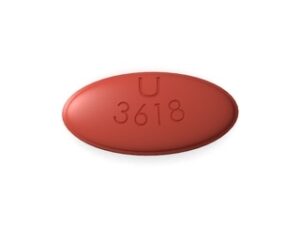
Ethionamide (TB Medicine) – Patient Information (Australia)
Ethionamide is an oral medicine used as part of combination therapy for tuberculosis (TB). It is commonly prescribed for drug-susceptible TB regimens when appropriate, and it is especially important in certain drug-resistant TB treatment plans.
This page provides patient-friendly information about how ethionamide works, how it is taken, key safety considerations, and practical tips to help you use it effectively. Always follow the instructions provided by your treating clinician.
Basic product information
| Feature | What to know |
|---|---|
| Medicine name | Ethionamide |
| Medicinal form | Oral tablets (strengths vary by product) |
| How it is used | Usually taken daily as part of combination TB therapy |
| Common goals | Treat TB, prevent resistance when used correctly |
| Key cautions | May affect liver function and can cause nerve-related side effects |
Note: Availability, brand names, tablet strengths, and guidance may vary depending on the specific product supplied in Australia. Your pharmacist can help verify the exact strength and instructions for your supply.
How ethionamide works (mechanism of action)
Ethionamide is a synthetic anti-tuberculosis agent. It becomes active inside the body and interferes with TB bacteria’s ability to build and maintain its cell wall and survive.
While the detailed biochemical steps are complex, the key patient-relevant concept is: ethionamide limits the growth of Mycobacterium tuberculosis, especially when used in combination with other TB medicines.
Combination therapy matters because it:
- Improves cure rates by attacking the bacteria through different mechanisms.
- Reduces the risk of resistance developing to any single medicine.
- Helps shorten time to bacterial suppression for many treatment plans.
Pharmacokinetics (how the body handles ethionamide)
“Pharmacokinetics” describes what the body does to the medicine—absorption, distribution, metabolism, and elimination. For ethionamide, general principles include:
- Absorption: Ethionamide is taken by mouth and absorbed into the bloodstream.
- Distribution: It can reach sites where TB occurs (e.g., lungs and other tissues) as part of treatment regimens.
- Metabolism: It is processed mainly by the liver.
- Elimination: The metabolites and drug-related components are cleared from the body, with dosing schedules arranged to maintain effective levels.
Because metabolism is largely hepatic, people with liver impairment or elevated liver enzymes may require closer monitoring. Your clinician may order blood tests during treatment.
Typical use in TB treatment
Ethionamide is used as part of combination therapy for tuberculosis. It may be selected when:
- TB is susceptible or partially susceptible according to drug testing and guideline recommendations.
- Drug-resistant TB is suspected or confirmed (ethionamide can be important in multidrug regimens).
- A clinician decides that ethionamide is suitable based on culture results, previous TB treatment history, and tolerability.
TB treatment usually involves multiple medicines for a defined period. It is essential not to stop or change therapy without clinical direction. If doses are missed, TB can become harder to treat.
Indications (when ethionamide is used)
Ethionamide is indicated for use in the treatment of tuberculosis as part of combination regimens. It is particularly relevant in drug-resistant TB strategies depending on national and specialist guidance.
Exact regimens and eligibility depend on:
- Drug susceptibility testing results
- Type and severity of TB disease (e.g., pulmonary vs extrapulmonary)
- Previous TB treatment and risk of resistance
- Other medical conditions and medicine interactions
Dosing overview and timing
Dosing is individualized. Ethionamide is typically taken once daily or in divided doses depending on the treatment plan and tablet strength. Your clinician will specify the exact dose and schedule for your situation.
Common timing approach
- Take it at the same time each day to maintain consistent levels.
- Use a routine (e.g., morning or evening) that fits with your other TB medicines.
- If your regimen includes other medicines, your prescriber may provide a schedule (some drugs are taken with food, others on an empty stomach).
If you miss a dose
If you miss a dose, the best action depends on how much time has passed. In general:
- If you remember soon after the scheduled time, take it.
- If it is close to the next dose, skip the missed dose and continue your regular schedule.
- Do not double to make up for a missed dose.
If you are unsure, ask your pharmacist for guidance based on your dosing timetable.
Food interactions and dietary considerations
Ethionamide can cause gastrointestinal upset and a metallic or unpleasant taste for some people. Food effects vary between individuals and product formulations.
Key patient tips:
- If your clinician has not instructed otherwise, many patients find it easier to tolerate ethionamide when taken after food or with a snack, especially if nausea occurs.
- Try to use a consistent routine (e.g., always with meals) so side effects are more predictable.
- If your regimen includes other medicines with specific food rules, follow the overall schedule recommended for TB treatment.
Because TB treatment regimens can be complex, it is helpful to keep a medication diary and confirm any food timing rules with your pharmacist.
Alcohol and medicine interactions
Alcohol
It is strongly recommended to avoid or minimise alcohol during TB treatment. Ethionamide can affect the liver, and alcohol can further increase the risk of liver irritation and overall side effects.
Interactions with other medicines
Ethionamide may interact with other medicines used for TB or for other conditions. Some important interaction categories include:
- Liver-affecting medicines (increase the likelihood of elevated liver enzymes or hepatitis-like symptoms)
- Medicines that affect the nervous system (may worsen dizziness, sleep disturbances, or neuropathy symptoms)
- Other TB medicines (combination regimens require careful balancing of side effects and monitoring)
Always provide your pharmacist with a complete list of:
- All prescription medicines
- Pharmacy medicines (including cough/cold products)
- Herbal supplements and traditional products
If you develop new symptoms after adding a medication or supplement, contact a healthcare professional promptly.
Safety profile: common and serious side effects
Like all medicines, ethionamide can cause side effects. Many people experience mild effects early on that improve with time, supportive care, and consistent dosing. However, some adverse effects require urgent medical attention.
Common side effects
- Gastrointestinal effects: nausea, vomiting, abdominal discomfort, loss of appetite
- Metallic or unpleasant taste
- Fatigue or general malaise
- Skin reactions (in some cases)
- Neuropathy-related symptoms: numbness, tingling, burning sensations in hands or feet
Serious side effects (seek urgent medical advice)
- Signs of liver problems: yellowing of eyes/skin (jaundice), dark urine, severe upper abdominal pain, persistent nausea/vomiting, unusual tiredness
- Severe or worsening nerve symptoms: marked weakness, rapidly progressive numbness, trouble walking, intense burning pain
- Severe allergic reaction: swelling of face/lips, difficulty breathing, widespread rash with fever or blistering
- Severe mental health changes: confusion, severe mood changes, or suicidal thoughts
Do not ignore warning symptoms. TB treatment often requires ongoing monitoring; reporting side effects early can protect your health and help maintain treatment continuity.
Practical use tips to improve tolerability
Ethionamide’s side effects can often be managed with practical strategies. The following tips are general and should be adapted to your treatment plan:
- Take it consistently: choose a routine time and stick with it. Consider using reminders on your phone or pill organiser.
- Manage nausea: if nausea occurs, taking the dose after food (if approved for your regimen) may help. Small meals or snacks can also reduce stomach upset.
- Address taste changes: strong flavours, cold drinks, or sugar-free mints may help some people. Avoid taking it with foods you find unpleasant.
- Support nerve health: notify your clinician promptly if you notice tingling or numbness. Early reporting can lead to adjustments and supportive care.
- Hydration and balanced diet: maintain adequate fluid intake and eat regularly to support overall TB recovery.
- Keep follow-up appointments and blood tests: liver function and other parameters may be monitored during treatment.
- Use medication lists: bring a current list of all medicines to appointments and to your pharmacy.
Monitoring during treatment
Because ethionamide can affect the liver and nerves, monitoring is important. Your clinician may check:
- Liver function tests (blood tests such as ALT/AST and bilirubin)
- Full blood count in some cases
- Neurological symptoms (discuss numbness/tingling promptly)
- TB treatment response (symptoms, sputum tests, and imaging as appropriate)
If you have pre-existing liver disease, diabetes, neuropathy, or you take other liver-active medicines, ask about a monitoring schedule.
Alternative options for TB treatment (overview)
TB regimens vary widely by country, drug susceptibility testing results, and individual patient factors. If ethionamide is not suitable due to side effects, allergy, or resistance patterns, clinicians may consider alternative TB medicines.
Examples of other TB medicines that may be used in combination regimens include:
- Rifampicin
- Isoniazid
- Pyrazinamide
- Ethambutol
- Fluoroquinolones (e.g., levofloxacin or moxifloxacin)
- Other agents used in drug-resistant TB plans
These alternatives should only be selected by your treating team based on your TB test results and medical history. Switching without an appropriate plan can reduce effectiveness and increase resistance risk.
Market and legal context in Australia
In Australia, TB medicines are regulated under national medicines and pharmacy frameworks. TB treatment typically involves:
- Clinical assessment and TB diagnostic confirmation
- Drug susceptibility testing where available
- Use of combination therapy under specialist guidance in many cases
- Safety monitoring through follow-up appointments and laboratory tests
Medicines supply arrangements may vary between hospitals, community pharmacies, and public health services. For drug-resistant TB, supply can involve specialist programs and coordination to ensure the correct regimen.
Your local pharmacy can advise on product availability and timelines based on the specific ethionamide strength and pack size required.
Recent guidance and best-practice considerations
TB management guidance is updated regularly as new evidence emerges, including recommendations for:
- Choice and duration of drug combinations for drug-susceptible vs drug-resistant TB
- Monitoring schedules for safety (liver, nerves, and other parameters)
- Adherence support strategies to reduce missed doses
- Considerations for special populations (e.g., liver disease, pregnancy, and drug-drug interactions)
Guidance may change over time. Your treating clinician can confirm the most up-to-date plan for your individual case.
Delivery and availability (Australia)
Availability can vary based on stock levels, supply chains, and the required tablet strength. When ordering online, you may see:
- Standard delivery options
- Express delivery where available
- Packaging that may differ by supplier while containing the same active ingredient
For fastest processing, ensure your delivery address is complete and contact details are correct. If you need a specific strength or pack type, check the product listing or speak with a pharmacist.
Some patients may receive medicines through coordinated public health pathways, which can influence delivery timelines. Your pharmacy can help confirm expected dispatch dates.
FAQ about ethionamide
1) What is ethionamide used for?
Ethionamide is used as part of combination therapy for tuberculosis, including situations involving drug-resistant TB regimens.
2) How should I take ethionamide?
Take it exactly as instructed by your clinician. Most patients take it once daily or as part of a prescribed schedule, and many take it consistently at the same time each day. If you experience nausea, discuss food timing and tolerability strategies with your pharmacist.
3) Does ethionamide need to be taken with food?
Food effects can vary. Some people tolerate ethionamide better after food or with a snack. Follow the instructions provided for your specific TB regimen.
4) What should I do if I miss a dose?
If you miss a dose, don’t double up. Take it only if you remember soon after the scheduled time; otherwise continue with the next dose at the usual time. If unsure, ask your pharmacist for advice based on your schedule.
5) What side effects are most common?
Common side effects include nausea, abdominal discomfort, loss of appetite, fatigue, and taste changes. Some people also experience tingling or numbness due to nerve irritation.
6) When should I seek urgent help?
Seek urgent medical advice if you develop signs of liver problems (jaundice, dark urine, severe abdominal pain), severe allergic reactions, or rapidly worsening nerve symptoms.
7) Can I drink alcohol while taking ethionamide?
Alcohol can increase the risk of liver-related side effects and worsen overall tolerance. It’s best to avoid or minimise alcohol during treatment. Ask your clinician if you’re unsure.
8) What medicines and supplements can interact with ethionamide?
Interactions may involve other medicines that affect the liver or the nervous system, and other TB medicines in the regimen. Tell your pharmacist about all medicines and supplements you take.
9) How long will I need to take ethionamide?
Treatment duration depends on your TB type, susceptibility results, response to therapy, and the overall regimen. Your clinician will provide an expected timeframe.
10) Are there alternatives if ethionamide doesn’t suit me?
Yes. TB regimens can include alternative medicines based on susceptibility patterns and tolerability. Do not switch on your own—discuss options promptly with your treating team.
Important: Ethionamide is used in combination TB therapy and requires careful monitoring. If you have questions about side effects, food timing, missed doses, or potential interactions, contact your pharmacist or treating clinician for advice.