
Zyvox (Linezolid) – Patient-Friendly Guide (Australia)
Zyvox is a brand of the antibiotic linezolid. It is used to treat certain serious bacterial infections, particularly when bacteria may be resistant to other antibiotics. This guide explains how Zyvox works, how it is taken, key safety points, and practical considerations for people in Australia.
This information is designed to be easy to understand. It does not replace medical advice. Always follow the instructions given by your healthcare professional and the product label.
Basic product information
| Feature | Details |
|---|---|
| Generic name | Linezolid |
| Brand | Zyvox |
| Medicine type | Antibiotic (oxazolidinone class) |
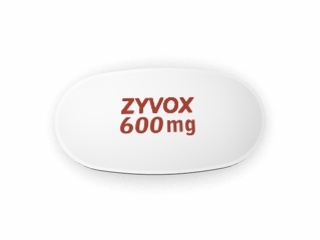
| Common forms | Oral tablets or oral suspension (and in some settings, intravenous linezolid may be used) |
| How it works | Inhibits bacterial protein production |
| Typical target | Certain Gram-positive bacteria, including some resistant strains |
How Zyvox works (mechanism of action)
Linezolid belongs to the oxazolidinone antibiotic group. It works by blocking the formation of bacterial proteins:
- It binds to the bacterial 50S ribosomal subunit.
- This prevents the start of protein synthesis, which bacteria need to grow and multiply.
- The result is an antibacterial effect that can stop the infection from worsening and help your body clear the bacteria.
Importantly, linezolid is typically most active against Gram-positive organisms, including several resistant types.
Pharmacokinetics (what the body does to the medicine)
Understanding pharmacokinetics can help explain dosing and timing.
- Absorption: Linezolid is absorbed after oral dosing. Oral and intravenous forms are designed to provide similar exposure in many cases.
- Distribution: It distributes into body tissues, including areas where serious infections may occur.
- Metabolism: Linezolid is metabolised primarily through non-enzymatic pathways and also via the body’s normal metabolic processes.
- Elimination: It is eliminated mainly via the kidneys (with some metabolites also contributing), and partly through other routes.
- Half-life: The elimination half-life supports typical dosing schedules (often twice daily for many indications).
Your kidney and liver function, age, and other medications can influence how the medicine behaves in your body, which is why clinicians consider these factors when choosing dose and duration.
Typical use and timing
Zyvox is generally used for serious bacterial infections that are caused by susceptible Gram-positive organisms. Common situations include:
- Hospital-acquired or complicated infections due to resistant bacteria
- Infections where other antibiotics are unsuitable or ineffective
- Skin, soft tissue, lung, or bloodstream infections in selected cases
Timing: Many linezolid regimens are taken about every 12 hours. Try to take your doses at consistent times to maintain steady antibiotic activity.
Duration: The course length depends on the type and severity of infection, your response, and sometimes additional factors such as organism type and site of infection. Avoid stopping early unless advised by a clinician.
Indications (what Zyvox is used for)
In Australia, linezolid is used for infections caused by susceptible organisms, especially Gram-positive bacteria. Examples include:
- Skin and soft tissue infections (complicated and/or severe cases)
- Pneumonia (including hospital-acquired pneumonia in selected cases)
- Complicated infections where Gram-positive pathogens are suspected
- Vancomycin-resistant or resistant Gram-positive infections when appropriate
- Bloodstream infections caused by susceptible Gram-positive bacteria
Not every infection is treated with Zyvox. Treatment should be based on clinical assessment, suspected/identified bacteria, local resistance patterns, and susceptibility testing when available.
Dosing (general guidance)
Dosing can vary by patient factors and infection type. Below is general information commonly used for linezolid; your exact prescription instructions may differ.
- Adults (typical regimen): Often 600 mg twice daily (approximately every 12 hours).
- Duration: Common courses may range from days to a couple of weeks depending on infection severity and response.
- Renal and hepatic impairment: Your clinician may adjust monitoring plans; linezolid dosing adjustments are not always required the same way for all impairment types, but monitoring is often important.
- Children: Dose may differ by age and weight. Specialist guidance is essential.
How to take it:
- Swallow tablets whole with water (unless your formulation instructions allow otherwise).
- If using suspension, measure accurately with the provided device.
- You may take it with or without food (see food interactions below).
- Finish the course unless told to stop.
If you miss a dose, take it when you remember unless it is close to the next dose—then skip the missed dose and continue your schedule. Do not double up.
Food interactions
Food generally does not significantly affect linezolid absorption, meaning it can usually be taken with or without meals.
However, there are two practical points:
- Consistency helps: Taking it at similar times each day can help you remember and maintain routine.
- Dietary tyramine caution (rare but important): Linezolid has MAOI-like activity, and while it is not identical to classic antidepressant MAOIs, it can increase the risk of a blood pressure reaction with foods high in tyramine—particularly if very high amounts are consumed.
If you have been advised to avoid tyramine-containing foods due to interactions with other medicines, follow that advice carefully.
Alcohol interactions
Linezolid and alcohol are not always strictly contraindicated together, but combining them can increase the risk of side effects such as:
- stomach upset, nausea, or diarrhoea
- headache or dizziness
- fatigue
- confusion in severe cases, especially if you are unwell or dehydrated
Because infections can already make you feel weak and alcohol can interfere with recovery, it is generally best to avoid or minimise alcohol during treatment. Ask your healthcare professional what is appropriate for you.
Medicine interactions (including antidepressants and supplements)
One of the most important considerations with Zyvox is drug interactions involving serotonin pathways and blood pressure.
1) Antidepressants and other serotonergic medicines
- Linezolid can interact with serotonergic drugs (for example, some antidepressants such as SSRIs and certain other mood/anxiety medicines).
- The risk is serotonin syndrome, a potentially serious condition.
Symptoms may include agitation, fever, sweating, tremor, diarrhoea, fast heart rate, and muscle stiffness. Seek urgent medical care if these occur.
2) MAOI-like interactions (blood pressure reactions)
- Linezolid may act like a weak reversible monoamine oxidase inhibitor (MAOI).
- When combined with certain medicines, there may be a risk of increased blood pressure.
3) Decongestants and some cold/flu products
- Some over-the-counter products containing stimulants or sympathomimetics may raise blood pressure or interact with MAOI-like effects.
4) Medicines that affect blood counts
- Because linezolid can reduce blood cell counts in some people, interaction risks increase if you take other medicines that also affect the bone marrow or blood counts.
5) Supplements
- Some herbal and nutritional supplements may have serotonergic or stimulant properties. Tell your pharmacist or doctor what you take, including supplements and vitamins.
Important: Always provide a complete list of your medicines to your pharmacist or healthcare professional. This includes prescription medicines, over-the-counter products, and supplements.
Safety profile (what to watch for)
Like all medicines, Zyvox can cause side effects. Many are mild and improve as your body adjusts, but some require prompt medical attention.
Common side effects
- Headache
- Nausea or vomiting
- Diarrhoea
- Vaginal candidiasis (thrush) or other fungal infections
- Changes in taste
- Skin rash (occasionally)
Serious or important side effects
- Blood count changes (myelosuppression): Linezolid can lower red blood cells, white blood cells, or platelets—leading to anaemia, infection risk, or easy bruising/bleeding. Blood monitoring may be required, especially with longer courses.
- Lactic acidosis: Rare but serious. Seek urgent medical advice if you develop deep or rapid breathing, severe fatigue, unusual muscle pain, or persistent nausea/vomiting.
- Neuropathy and eye problems: With prolonged use, some people experience nerve-related symptoms (tingling, numbness) or visual changes. Report symptoms promptly.
- Severe diarrhoea: Antibiotics can sometimes trigger severe inflammation of the colon (including C. difficile infection). Seek urgent care if you have watery diarrhoea, fever, stomach pain, or blood/mucus in stool.
- Serotonin syndrome: If combined with serotonergic medicines, watch for symptoms such as agitation, sweating, tremor, diarrhoea, and high fever. This is an emergency.
- Allergic reactions: swelling of the face/lips, difficulty breathing, or widespread rash require urgent assistance.
Who needs extra monitoring?
- People receiving treatment for longer durations
- Those with underlying blood disorders
- People taking interacting medicines (especially serotonergic drugs)
- People with kidney or liver impairment
- People with previous eye/nerve conditions
Practical use tips
- Complete the course: Even if you feel better, stopping early can allow bacteria to persist and increase the chance of recurrence.
- Stay hydrated: Dehydration can worsen side effects such as headache and dizziness.
- Set reminders: Twice-daily dosing is easier with alarms or phone reminders.
- Don’t share medicine: Only take Zyvox if it has been recommended for you.
- Check for interactions: Before starting, confirm what you take (including over-the-counter items).
- Report symptoms early: If you develop unusual bruising, numbness/tingling, vision changes, or severe diarrhoea, contact your clinician promptly.
- Blood tests (if ordered): Follow through with any monitoring plans.
Alternative options
The “best” antibiotic depends on the suspected organism, severity and site of infection, local resistance, allergies, kidney/liver function, and previous antibiotic exposure.
Depending on the infection, alternatives that clinicians may consider include other antibiotics effective against Gram-positive bacteria, such as:
- Vancomycin (often used for certain resistant Gram-positive infections, typically in hospital settings)
- Teicoplanin (where available and appropriate)
- Daptomycin (for some complicated infections and bacteraemia; not suitable for pneumonia due to lung inactivity)
- Linezolid alternatives within the same clinical category may include other agents depending on the organism’s susceptibility
- Other antibiotics may be used if the bacteria are not resistant or if linezolid is not the most suitable option
Your clinician selects alternatives based on culture results, susceptibility testing, and your overall health. Do not switch antibiotics without advice.
Australia: market and legal context
In Australia, antibiotics are regulated medicines and are subject to medicines legislation and pharmacy practice rules. Availability and supply pathways can differ between community pharmacy, hospital supply, and specialist prescribing arrangements.
For online pharmacy purchasing, reputable suppliers will follow Australian regulatory requirements and may require identity and medicine-use confirmations. Requirements can vary depending on the medicine schedule classification and the seller’s compliance processes.
Always buy medicines from licensed, reputable sources to reduce the risk of counterfeit or substandard products.
Recent guidance and stewardship considerations
Antibiotic stewardship—using antibiotics only when needed and choosing the narrowest appropriate therapy—is a key focus in Australia. Updated guidance can be released by clinical bodies and health services over time.
- If your infection is serious, clinicians often start treatment promptly and adjust once culture results are available.
- Blood monitoring and safety review are particularly relevant for linezolid, especially if treatment is prolonged.
- People taking interacting medicines (such as certain antidepressants) should be assessed carefully to reduce risk.
- Always seek updated advice if your treatment course changes or if you develop new symptoms.
For the most current recommendations, consult your treating clinician or local health service guidance.
Delivery and availability (online pharmacy information)
Zyvox may be available in different strengths and pack sizes depending on supplier stock and formulation type (for example, tablets or suspension). Availability can change, especially if demand is high or supply chains fluctuate.
What to expect when ordering online:
- Packaging is usually discreet and protected for safe transport.
- Delivery timeframes depend on location, courier schedules, and stock availability.
- Some medicines may have age or use eligibility checks during the ordering process.
- Cold-chain delivery is not typically required for linezolid preparations, but follow any storage instructions on the label.
If you need urgent treatment, contact the pharmacy and ask about dispatch times. Always avoid delaying treatment for supply reasons when your condition is serious.
Storage
- Store the medicine according to the instructions on the pack (commonly at controlled room temperature).
- Keep it out of reach and sight of children.
- Do not use after the expiry date on the carton or label.
- If using suspension, follow any specific instructions for shaking and storage after reconstitution.
FAQ (Frequently Asked Questions)
1) Is Zyvox effective for all infections?
No. Zyvox works mainly against certain Gram-positive bacteria. It is not suitable for all infection types. Your clinician chooses the antibiotic based on the likely bacteria, severity, and susceptibility testing when available.
2) Can I take Zyvox with food?
Yes, Zyvox can usually be taken with or without food. Taking it with food may help if you experience nausea.
3) What if I miss a dose?
Take it when you remember unless it is nearly time for your next dose. If it is close to the next dose, skip the missed dose and continue your schedule. Do not take two doses at once.
4) How long will I need to take Zyvox?
Duration depends on the infection type and how you respond. Follow the course length recommended by your healthcare professional.
5) Can I drink alcohol while taking Zyvox?
It’s generally best to avoid or minimise alcohol during antibiotic treatment. Alcohol may worsen side effects such as stomach upset, dizziness, and fatigue.
6) Are there food interactions I should know about?
While most normal diets are fine, linezolid can have MAOI-like effects. If you are taking interacting medicines, you may be advised to avoid certain high-tyramine foods. If you’re unsure, ask your pharmacist for specific guidance.
7) What interactions are most important to tell my pharmacist about?
Tell your pharmacist about all medicines and supplements—especially antidepressants, mood/anxiety medicines, cough/cold products, and any treatments that may affect serotonin or blood pressure. This is one of the most important safety areas with linezolid.
8) What side effects require urgent help?
Seek urgent medical attention for signs of severe allergic reaction (swelling, difficulty breathing), severe diarrhoea, symptoms of serotonin syndrome (high fever, agitation, tremor, sweating), or significant neurological/visual symptoms.
9) Will I need blood tests?
Many people do not need tests for short courses, but blood monitoring may be required for longer treatment or if you have symptoms such as unusual bruising, weakness, or signs of anaemia or infection. Follow your clinician’s instructions.
10) What are the storage instructions?
Follow the label. Keep tablets/suspension stored as directed and away from heat, moisture, and children. Do not use after expiry.
If you have questions about whether Zyvox is appropriate for you, or you want to check interactions with your current medicines, contact your pharmacist for personalised advice.