
Keflex (Cephalexin) – Patient Guide (Australia)
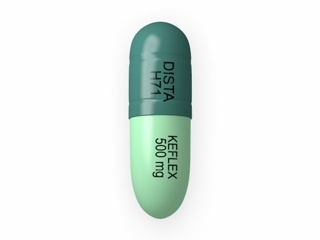
Keflex is a brand name that contains the antibiotic cephalexin, a medicine used to treat certain bacterial infections. This guide explains how Keflex works, common uses, dosing considerations, what to expect, and important safety information for use in Australia. Always follow the instructions provided with your medicine and speak to a healthcare professional if you have questions.
1) Basic product information
Generic name: Cephalexin
Brand name: Keflex
Medicine type: Antibiotic (cephalosporin)
How it’s taken: Usually by mouth (tablets or capsules; liquid formulations may be available depending on product)
Common strength forms: Varies by product (your pharmacist or packaging will show the exact strength)
In Australia, antibiotic availability and advice may be guided by local prescribing and antimicrobial stewardship practices. Availability may also depend on the specific product presentation (strength, tablet/capsule/liquid).
2) How Keflex works (mechanism of action)
Cephalexin belongs to the beta-lactam class of antibiotics (a “cephalosporin”). It works by interfering with how bacteria build their cell walls.
- Stops bacterial growth: Cephalexin binds to penicillin-binding proteins (PBPs) involved in cell-wall synthesis.
- Leads to bacterial death: Without a properly formed cell wall, bacteria become weak and die.
Keflex is effective against certain susceptible bacteria. It does not treat infections caused by viruses (such as colds or flu).
3) Pharmacokinetics (how the body handles Keflex)
Pharmacokinetics describes what the body does with a medicine—absorption, distribution, metabolism, and excretion. While individual experiences vary, the following are general characteristics of cephalexin:
- Absorption: Cephalexin is absorbed after oral dosing.
- Peak levels: Blood concentrations typically rise within a few hours after a dose.
- Distribution: It distributes into body tissues and fluids, including areas relevant to many skin and urinary infections.
- Elimination: Primarily eliminated via the kidneys.
- Half-life: The drug is cleared over several hours, which is why dosing is usually spaced throughout the day.
Because cephalexin is mainly cleared by the kidneys, dose adjustments may be needed for people with kidney impairment. If you have kidney disease, discuss this with a healthcare professional.
4) Typical use (what Keflex is used for)
Keflex is commonly used to treat bacterial infections where the bacteria are susceptible to cephalexin. Typical indications include:
- Skin and soft tissue infections (e.g., cellulitis, impetigo, infected wounds, some infected skin lesions)
- Respiratory tract infections in situations where cephalexin is appropriate (your clinician will consider likely bacteria and local guidance)
- Ear infections (otitis) in certain cases
- Urinary tract infections (UTIs) caused by susceptible organisms
- Bone infections (osteomyelitis) as part of a longer treatment plan in selected cases
The choice of antibiotic depends on factors such as the likely bacteria, your medical history, allergy status (especially to penicillins or cephalosporins), severity of infection, kidney function, and local resistance patterns.
5) Timing and how to take Keflex
For many infections, cephalexin is taken several times each day to maintain effective levels. Consistent timing helps ensure the antibiotic stays at the right concentration in your body.
- Follow your dosing schedule exactly: Do not skip doses.
- Space doses evenly: If your dose is “every 6 hours” or “four times daily,” try to keep the time gaps similar.
- Finish the full course: Even if you feel better, complete the prescribed duration to reduce the risk of relapse and resistance.
- If you miss a dose: Take it when you remember unless it’s close to the next dose. Do not take a double dose.
Many people begin to feel improvement within 48–72 hours of starting an effective antibiotic. If you are not improving after this timeframe, or symptoms are worsening, seek medical advice promptly.
6) Food interactions: does Keflex need to be taken with meals?
Cephalexin can usually be taken with or without food. Food may help reduce stomach upset for some people.
- If your stomach feels uncomfortable: take Keflex with a meal or snack.
- Try to be consistent: Taking it similarly each day can help you remember and may improve tolerability.
If you’re using an oral liquid medicine, shake the bottle as directed on the label and measure each dose carefully.
7) Alcohol and medicine interactions
Alcohol
In most cases, moderate alcohol is not specifically known to interact with cephalexin in a dangerous way. However, alcohol can worsen illness, delay recovery, and increase the chance of side effects such as nausea or dizziness.
For the safest approach during an infection and antibiotic treatment, consider avoiding alcohol or limiting it while you recover.
Important medicine interactions
Cephalexin has fewer well-known “major” interactions than some other antibiotics, but interactions can still occur. Always tell your healthcare professional or pharmacist about all medicines and supplements you use.
- Probenecid: May affect kidney clearance and increase antibiotic levels.
- Warfarin (and other blood thinners): Antibiotics can sometimes change bleeding risk in people taking warfarin. Close monitoring may be needed.
- Other kidney-affecting medicines: Because cephalexin is cleared by the kidneys, inform your clinician if you take medicines that affect kidney function.
Do not start or stop other medicines without advice. If you take anticoagulants, immunosuppressants, or have kidney disease, ask your pharmacist for tailored guidance.
8) Indications (when Keflex may be considered)
In Australia, antibiotic use is guided by clinical assessment and local antimicrobial stewardship. Keflex is considered when a bacterial infection is suspected or confirmed and the suspected organism is likely to be susceptible.
Indications commonly include infections affecting:
- Skin and soft tissue (for example, cellulitis and infected skin lesions)
- Urinary tract
- Respiratory tract in selected cases
- Ears in selected cases
- Bone in selected, longer-course situations
The decision to use cephalexin also depends on your allergy history. If you have had a serious allergy to penicillins or cephalosporins, consult a clinician for an alternative option.
9) Dosing overview (general information)
Dosing depends on the type and severity of infection, your age, kidney function, and clinical judgement. Exact dosing must be based on the directions given with your medicine.
Typical dosing principles
- Adults: Usually taken multiple times daily (commonly 4 times daily in many regimens), with dose strength tailored to infection severity.
- Children: Dose is often calculated based on weight and age.
- Kidney impairment: A clinician may reduce the dose or adjust the dosing interval.
Always use the measuring device provided for liquid formulations and follow the label exactly. If you’re unsure about tablets vs capsules (or liquid measurement), ask your pharmacist.
Important: This page provides general guidance only and does not replace individual medical directions.
10) Safety profile: common and serious side effects
Like all medicines, Keflex can cause side effects. Many are mild and improve as your body adjusts. Some side effects require urgent attention.
Common side effects
- Nausea
- Diarrhoea (mild)
- Vomiting
- Stomach discomfort
- Headache
- Rash (mild skin reactions can occur)
Seek urgent medical help if you develop
- Signs of an allergic reaction: swelling of face/lips/tongue, wheezing, trouble breathing, or widespread hives
- Severe or worsening rash, blistering, or skin peeling
- Severe diarrhoea, especially if it is watery or bloody, or associated with fever and significant abdominal pain
- Unusual bruising or bleeding (especially if you take blood thinners)
Risk considerations
- Allergy history matters: If you have previously had allergic reactions to beta-lactam antibiotics, inform your clinician.
- Diarrhoea monitoring: Antibiotics can change normal gut flora; report severe diarrhoea promptly.
- Superinfection: While less common, prolonged or inappropriate antibiotic use can lead to overgrowth of non-susceptible organisms (e.g., fungal infections).
11) Practical use tips (to get the best result)
- Use a reminder: Set alarms or use a medication app to keep dosing on schedule.
- Hydrate: Adequate fluids can support comfort, particularly if you have a fever or infection-related dehydration.
- Don’t stop early: Finishing the course helps prevent the infection from returning.
- Store correctly: Follow the storage instructions on the package (for example, temperature and moisture protection).
- Keep track of side effects: Mild stomach upset is common; severe symptoms should be reported quickly.
- Complete the full course even if symptoms improve: “Feeling better” does not always mean the infection is fully cleared.
12) Alternative options
If Keflex is not suitable (for example, due to allergy, resistance patterns, treatment failure, or another clinical factor), clinicians may consider other antibiotics or supportive management depending on the infection type. Alternatives may include other beta-lactams or different antibiotic classes.
Common examples of alternatives that may be considered (depending on infection and suitability):
- Amoxicillin or amoxicillin/clavulanate (for certain respiratory or skin infections)
- Clindamycin (in certain skin/soft tissue settings)
- Trimethoprim-sulfamethoxazole (for selected UTIs in some circumstances)
- Macrolides (for specific respiratory infections where appropriate)
The “best” alternative depends on the bacteria involved, allergy history, severity, and local resistance. Do not self-switch antibiotics.
13) Market and legal context in Australia
In Australia, antibiotics are regulated medicines and are supplied through legal pharmacy channels in accordance with national and state/territory requirements. Antibiotic prescribing and supply practices are designed to support:
- Appropriate use for confirmed or strongly suspected bacterial infections
- Antimicrobial stewardship to slow antibiotic resistance
- Patient safety by matching the medicine to the infection type, allergy risk, and comorbidities
Policies and guidance may evolve. Your pharmacist can provide information on availability, appropriate use, and local recommendations.
14) Recent guidance and stewardship considerations
Across many countries, including Australia, healthcare guidance emphasises that antibiotics should be used only when likely bacterial infection is present. Clinicians consider:
- Severity and risk factors (for example, systemic symptoms, immune status)
- Site of infection (skin, urinary tract, respiratory tract)
- Known allergies and past reactions
- Local resistance patterns and test results where available
- Culture results (when performed) to tailor therapy
If your symptoms don’t improve, do not automatically extend treatment without medical review—reassessment may be needed to confirm the diagnosis or change therapy.
15) Delivery and availability (Australia)
Keflex (cephalexin) availability may vary by strength and form (tablets/capsules/liquid) and by stock levels. Online pharmacies in Australia typically provide:
- Product listings with strength and form details so you can select the correct item
- Secure packaging to protect medicines during transit
- Delivery options based on location and order processing times
To help ensure timely delivery, check:
- Your selected delivery postcode/area
- Cut-off times for dispatch
- Any identification or age-related requirements (if applicable to the product listing)
If you need Keflex urgently (for example, for worsening infection symptoms), contact the pharmacy to confirm dispatch and delivery timeframes.
16) Quick comparison table
| Feature | Keflex (Cephalexin) |
|---|---|
| Medicine class | Cephalosporin (beta-lactam) antibiotic |
| How it works | Inhibits bacterial cell-wall synthesis |
| Typical use | Selected bacterial skin, urinary, and other infections where susceptible |
| Administration | By mouth, typically multiple times daily |
| Food effect | Usually can be taken with or without food |
| Key clearance route | Primarily via the kidneys |
| Important risks | Allergic reactions; diarrhoea (seek help if severe) |
17) FAQ (Frequently asked questions)
How quickly will I feel better after starting Keflex?
Many people notice improvement within 48–72 hours if the infection is bacterial and the organism is susceptible. If symptoms are not improving, or are worsening, contact a healthcare professional for reassessment.
Can I take Keflex with food?
Yes. Keflex can usually be taken with or without food. Taking it with a meal can help if you experience nausea.
What should I do if I miss a dose?
Take the missed dose as soon as you remember, unless it is close to the time of your next dose. Do not take a double dose to make up for a missed one.
Can I drink alcohol while taking cephalexin?
There is no common “direct” hazardous interaction, but alcohol can worsen side effects and delay recovery. For best outcomes, avoid or limit alcohol while you’re unwell and taking the antibiotic.
Is Keflex safe for people with penicillin allergy?
Keflex is related to penicillins (both are beta-lactams). Some people with penicillin allergy may also react to cephalosporins. If you’ve had an allergy to penicillins or cephalosporins, speak to a healthcare professional before using Keflex.
Will Keflex treat a viral infection like the flu or common cold?
No. Keflex only treats bacterial infections. Viral illnesses require different care.
What if I get diarrhoea while taking Keflex?
Mild diarrhoea can occur. However, severe watery diarrhoea, diarrhoea with blood, or diarrhoea with fever or significant abdominal pain should be treated as urgent—contact a healthcare professional promptly.
Do I need to stop my blood thinner if I take Keflex?
Do not stop blood thinners without advice. Some antibiotics can affect bleeding risk, particularly with warfarin. If you take anticoagulants, ask your pharmacist or clinician for guidance and possible monitoring.
Can I take probiotics with Keflex?
Probiotics may help some people reduce antibiotic-associated diarrhoea, but results vary. If you wish to use probiotics, consider spacing them from your antibiotic dose and check with a pharmacist, especially if you’re immunocompromised.
What should I do if my symptoms worsen during treatment?
Worsening symptoms can indicate that the infection is not responding as expected, that the diagnosis may be different, or that complications are developing. Seek medical advice promptly, especially if you develop fever, spreading redness, severe pain, breathing difficulty, or signs of allergic reaction.
18) Important reminder
This information is intended to help you understand Keflex (cephalexin). It does not replace individual medical advice. If you have concerns about side effects, dosing, allergies, kidney function, or interactions with other medicines, speak to your pharmacist or doctor.