Norfloxacin (Norfloxacin) – Patient Information for Australia
Norfloxacin is an antibiotic medicine used to treat certain bacterial infections. This page provides clear, patient-friendly information about how norfloxacin works, how it is used, potential side effects, and important interactions. Always follow the instructions from your healthcare professional and the information provided with your medicine.
Quick overview
- Medicine name: Norfloxacin
- Type: Antibiotic (fluoroquinolone)
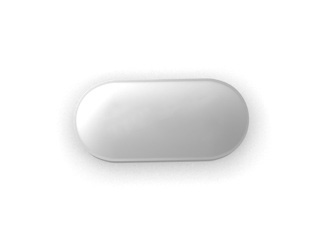
- Common form: Oral tablets
- Who it treats: Selected bacterial infections, depending on local prescribing guidelines
- Key cautions: Risk of tendon injury, nerve-related effects, and important drug interactions
- Important: Take with attention to timing and food/dairy restrictions, as these can reduce absorption
Basic product information
| Category | Details |
|---|---|
| Active ingredient | Norfloxacin |
| Medicine class | Fluoroquinolone antibiotic |
| Route | Oral (by mouth) |
| Typical conditions treated | Certain urinary tract infections (UTIs) and other susceptible bacterial infections (as directed) |
| Branding | May vary by supplier and availability |
Availability and product presentation can differ by pharmacy and supplier. In Australia, antibiotic use should align with current local guidance and microbiology results where available.
How norfloxacin works (mechanism of action)
Norfloxacin belongs to the fluoroquinolone family of antibiotics. It works by interfering with bacterial DNA processes. Specifically, it inhibits:
- DNA gyrase (topoisomerase II)
- Topoisomerase IV
These enzymes are essential for bacterial DNA replication and repair. By blocking them, norfloxacin helps stop bacterial growth and can kill susceptible bacteria.
When norfloxacin is typically used
Norfloxacin may be used for infections caused by susceptible bacteria. The most common reasons include selected infections of the urinary tract. Exact suitability depends on:
- Whether the infection is caused by susceptible bacteria
- Your age and overall health
- Any other medical conditions
- Other medicines you take
- Local resistance patterns
Common indications (examples)
- Uncomplicated bacterial infections of the urinary tract (when appropriate)
- Other specific bacterial infections when the organism is known or strongly suspected to be susceptible
Fluoroquinolones are generally used with careful consideration because inappropriate or unnecessary use can increase antibiotic resistance and expose patients to avoidable risks.
Pharmacokinetics (how the body handles it)
“Pharmacokinetics” describes what the body does to a medicine—how it is absorbed, distributed, metabolised, and excreted.
Absorption
- Norfloxacin is taken by mouth and is absorbed into the bloodstream.
- Food and minerals can reduce absorption. Particular attention is needed with dairy products and supplements containing calcium, magnesium, or iron.
Distribution
- After absorption, norfloxacin distributes through body fluids and tissues, including areas relevant to urinary infections.
Metabolism
- Norfloxacin has limited metabolism compared with some other medicines.
Excretion
- Norfloxacin is mainly eliminated through the kidneys, leading to relatively high urinary concentrations.
- This is one reason it can be useful in UTIs caused by susceptible organisms.
Dosing: typical adult use and timing
Dosing depends on the type of infection, severity, kidney function, and local prescribing practice. Always use the dose written for you.
General guidance (not a personal dosing instruction)
- Follow your prescription/medication label instructions exactly.
- Do not change your dose or stop early without medical advice.
- Complete the course even if you feel better, unless told otherwise.
If you have reduced kidney function, your healthcare professional may adjust the dose to lower the risk of side effects.
How to take norfloxacin
- Swallow tablets with water.
- Take at evenly spaced times (for example, morning and evening) unless your clinician provided a different schedule.
- Use a reminder system (phone alarm or pill organiser) to maintain consistent dosing intervals.
Timing with food and dairy (important)
Norfloxacin absorption can be reduced by some foods and minerals. This can make it less effective.
Common food interaction points
- Dairy products (milk, yoghurt, cheese) may reduce absorption. If your instructions allow, avoid dairy around your dose.
- Minerals such as calcium, magnesium, iron, and zinc can bind norfloxacin in the gut and decrease absorption.
Practical timing tips
- Take norfloxacin with water and follow label instructions.
- If you take supplements (iron, zinc, multivitamins, magnesium, calcium), consider spacing them by at least 2 hours before or 2–4 hours after norfloxacin (confirm with your pharmacist for your exact situation).
- If you are unsure, ask your pharmacist how to schedule your meals and supplements.
Food interactions to be aware of
In addition to dairy and mineral supplements, alcohol and certain dietary habits can affect tolerability and hydration.
- Dairy and calcium-containing products: may reduce absorption.
- Iron/calcium/magnesium supplements: may reduce absorption; separate doses.
- Taking with a heavy meal: may affect absorption and stomach comfort for some people; follow directions on the product label.
Alcohol interactions and safety
Alcohol is not always strictly contraindicated with all antibiotics, but it can worsen side effects such as:
- Nausea, dizziness or headache
- Diarrhoea or stomach upset
- Dehydration
If you choose to drink alcohol, do so cautiously and in moderation. For the safest approach, consider avoiding alcohol while you are taking norfloxacin, especially if you already have stomach upset or dehydration from infection.
Medicine interactions (including commonly asked examples)
Norfloxacin can interact with several medicines. Some interactions may increase the risk of side effects; others may reduce effectiveness.
Medicines that may interact
- Antacids and medicines containing minerals (calcium, magnesium, aluminium, iron): reduce absorption—separate dosing.
- Warfarin and other blood thinners: may increase bleeding risk or affect blood clotting—requires monitoring.
- Some antiarrhythmics and heart rhythm medicines: may increase risk of heart rhythm problems in susceptible patients.
- Corticosteroids (e.g., prednisolone): may raise risk of tendon injury.
- Non-steroidal anti-inflammatory drugs (NSAIDs): may increase nervous system side effects in some cases.
- Probenecid: may affect excretion and drug levels.
Always tell your pharmacist or doctor
- All medicines you currently take (including over-the-counter products)
- Vitamins and mineral supplements
- Herbal products
- Any history of drug allergy or tendon problems
Safety profile: potential side effects
Like all medicines, norfloxacin can cause side effects. Many are mild and temporary, but some can be serious. Seek medical attention promptly if you experience severe or concerning symptoms.
Common side effects
- Nausea
- Diarrhoea or loose stools
- Stomach discomfort
- Headache
- Dizziness
- Vaginal yeast infection (in some people after antibiotics)
Serious warnings (contact a clinician urgently)
- Tendon pain or swelling, especially Achilles tendon: stop activity and seek advice promptly. Rare tendon rupture can occur with fluoroquinolones.
- Nerve symptoms such as tingling, burning, numbness, or weakness. These may indicate peripheral neuropathy.
- Severe skin reactions such as blistering, peeling, or rash with fever.
- Severe or persistent diarrhoea (particularly if watery or bloody) which can suggest antibiotic-associated colitis.
- Allergic reactions including swelling of face/lips, breathing difficulty, or hives.
- Changes in heart rhythm symptoms such as fainting, severe palpitations, or chest discomfort (especially if you have risk factors).
Who may be at higher risk of complications?
- Older adults
- People taking corticosteroids
- People with kidney problems
- Those with a history of tendon injury
- People with known risk factors for nerve or heart rhythm problems
Practical use tips (to get the best outcome)
- Start promptly: Begin the antibiotic at the time directed.
- Keep consistent intervals: Set reminders so doses are evenly spaced.
- Hydrate: Drink enough water unless you’ve been told to restrict fluids.
- Complete the course: Stopping early can increase the chance of relapse or resistance.
- Monitor symptoms: If fever, pain, burning urine, or other symptoms worsen after 48 hours, seek advice.
- Protect your body: If you notice tendon pain, numbness, or tingling, contact a clinician immediately and avoid strenuous activity.
- Manage diarrhoea carefully: Light diarrhoea may occur, but severe or persistent diarrhoea needs medical attention.
If you miss a dose
- Take it as soon as you remember.
- If it’s close to your next dose, skip the missed dose.
- Do not double up to make up for the missed one.
When to seek medical advice urgently
Get urgent help or contact a healthcare professional immediately if you develop:
- Signs of an allergic reaction (swelling, hives, trouble breathing)
- Severe rash or blistering
- Tendon pain or inability to move/weight-bear normally
- Severe dizziness, fainting, or sudden heart palpitations
- Severe diarrhoea, blood in stools, or signs of dehydration
- New weakness, severe numbness, or escalating nerve symptoms
Alternative options
The “best” antibiotic depends on the infection, the likely bacteria, and local resistance patterns. Alternatives may include other antibiotic classes, but selection should be guided by your clinician and/or culture results where appropriate.
Examples of alternatives (varies by indication)
- Other antibiotics used for urinary tract infections
- Antibiotics targeting specific pathogens for non-urinary infections
- Supportive care strategies when antibiotics are not needed (for example, some mild viral illnesses)
If norfloxacin isn’t suitable due to interactions, side effects, or resistance, ask your pharmacist or doctor about the most appropriate alternative for your specific case.
Australia market and legal context
In Australia, antibiotic supply and use are regulated. Fluoroquinolones are recognised as important medicines, but they are also associated with specific risks. Medicines are typically supplied through authorised channels according to Australian regulations.
- Antibiotics should be used according to evidence-based prescribing and local antimicrobial stewardship guidance.
- Pharmacies may require relevant clinical information and may refuse supply if appropriate safety checks cannot be completed.
- Unused antibiotics should not be shared with others.
If you are considering norfloxacin, it’s important to discuss suitability based on your symptoms, medical history, and any previous culture results.
Recent guidance and antimicrobial stewardship (general)
Antimicrobial stewardship programs aim to use antibiotics responsibly to reduce side effects, prevent resistance, and improve outcomes. In practice, this means:
- Antibiotics are chosen based on likely bacteria and resistance patterns.
- Clinicians may prefer narrower-spectrum antibiotics when appropriate.
- Testing (e.g., urine culture) may be considered for recurrent, complicated, or treatment-failure cases.
- Fluoroquinolones may be reserved for situations where benefits outweigh risks.
Your healthcare professional can explain why norfloxacin was chosen for your situation, and what monitoring is recommended.
Delivery and availability in Australia
Availability can vary depending on supplier stock and the form of the medicine (e.g., tablet strength and pack size). Online pharmacy services in Australia typically offer:
- Clear product listings with strength and pack details
- Ordering and shipment options based on your location
- Delivery timeframes displayed at checkout (varies by courier and service level)
- Secure packaging to protect tablets during transit
If you need norfloxacin urgently, check expected dispatch/delivery times before placing an order and confirm stock availability. If the product is temporarily out of stock, the pharmacy may offer an alternative product or notify you of restock dates.
Frequently Asked Questions (FAQ)
1) What is norfloxacin used for?
Norfloxacin is an antibiotic used to treat certain bacterial infections, most commonly selected urinary tract infections and other infections when caused by susceptible bacteria. Use depends on your symptoms and local clinical guidance.
2) How quickly will I feel better?
Some people notice symptom improvement within 24–48 hours. If symptoms worsen or do not improve, contact your healthcare professional. You may need a review of the diagnosis or antibiotic choice.
3) Can I take norfloxacin with food?
Follow the directions on the product label or from your healthcare professional. Food can influence absorption. Many people are advised to avoid dairy and mineral-containing products around the dose. If you are unsure, ask your pharmacist for a personalised schedule.
4) Why should I avoid dairy or minerals with norfloxacin?
Dairy and some mineral supplements can bind norfloxacin in the gut, reducing how much of the antibiotic your body absorbs—potentially making it less effective.
5) Is it safe to drink alcohol while taking norfloxacin?
Moderate alcohol may not always be strictly prohibited, but alcohol can worsen stomach upset, dizziness, and diarrhoea. For best safety, avoid or minimise alcohol during treatment, especially if you feel unwell.
6) What should I do if I get diarrhoea?
Mild diarrhoea can occur. Seek medical advice urgently if diarrhoea is severe, persistent, or contains blood/mucus, or if you feel faint, dehydrated, or very unwell.
7) What are the most important side effects to watch for?
Contact a healthcare professional promptly for tendon pain/swelling, signs of allergy (rash, swelling, breathing trouble), severe skin reactions, severe diarrhoea, or new nerve symptoms such as tingling or numbness.
8) Can norfloxacin interact with other medicines?
Yes. Common interaction categories include antacids and mineral supplements, blood thinners (e.g., warfarin), corticosteroids, and some heart-related medicines. Tell your pharmacist about all medicines and supplements you take.
9) Should I stop norfloxacin early if I feel better?
No—unless a clinician tells you to stop. Finishing the course helps ensure the infection is fully treated and reduces the risk of relapse and resistance.
10) Who should avoid norfloxacin or use extra caution?
Extra caution may be needed for older adults, people on corticosteroids, those with kidney problems, and anyone with a history of tendon injury or nerve problems. Your healthcare professional can advise based on your history and medication list.
Important: This information is intended to help you understand norfloxacin. It does not replace personalised medical advice. If you have questions about your infection, dosing schedule, or interactions, speak with a pharmacist or healthcare professional.