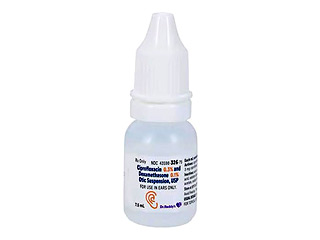
Ciprofloxacin + Dexamethasone (Ciprofloxacin/Dexamethasone)
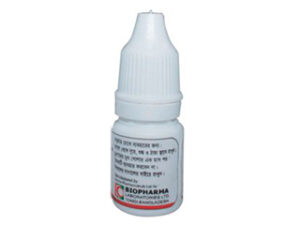
Ciprofloxacin + Dexamethasone is a combined medicine used to treat inflammatory and infectious conditions of the eye (commonly in the form of eye drops and/or an ophthalmic suspension, depending on the product). It brings together: ciprofloxacin, an antibiotic that helps kill bacteria, and dexamethasone, a corticosteroid that helps reduce inflammation.
This page provides patient-friendly, general information to help you understand how the medicine works, when it’s typically used, and important safety considerations. Always follow the instructions provided with your specific product and any advice from your healthcare professional.
Basic product information
| Feature | What it means |
|---|---|
| Active ingredients | Ciprofloxacin + Dexamethasone |
| Common form | Ophthalmic eye drops/suspension (varies by brand) |
| Primary purpose | Reduce bacterial infection and eye inflammation |
| How it’s used | Applied to the affected eye(s) as directed |
| Who it’s for | People with specific eye conditions where both an antibiotic and steroid are appropriate |
| Key cautions | Not suitable for some viral or fungal eye infections; requires careful monitoring for steroid-related side effects |
How it works (mechanism of action)
Ciprofloxacin (antibiotic)
Ciprofloxacin is a fluoroquinolone antibiotic. It works by interfering with bacterial DNA processes—specifically by inhibiting enzymes called DNA gyrase and topoisomerase IV. This stops bacteria from replicating and leads to bacterial death.
Dexamethasone (corticosteroid)
Dexamethasone is a corticosteroid that reduces inflammation by modulating immune responses and decreasing the release of inflammatory mediators. This can help reduce redness, swelling, pain, and irritation associated with inflammatory eye conditions.
Why the combination matters: In some eye conditions, infection and inflammation occur together. Using both medicines may address both components—bacterial growth and inflammatory response.
Pharmacokinetics (absorption and what happens in the body)
With eye drops, most of the medicine’s effect is local to the eye. However, some absorption can occur through the surface of the eye and into the bloodstream via the nasolacrimal drainage system (through the tear drainage pathway into the nose).
- Local action: Ciprofloxacin targets bacteria in the eye, while dexamethasone decreases local inflammatory activity.
- Systemic absorption: Steroid and antibiotic absorption into the body can occur but is generally limited compared with oral forms.
- Metabolism and elimination: If absorbed, medications are processed by the body and eliminated primarily via normal metabolic and excretory pathways. The exact profile depends on dose, frequency, and individual factors.
Your product’s specific concentration and dosing schedule will influence the total amount absorbed systemically.
Typical uses in eye care
Ciprofloxacin + dexamethasone is used for specific ophthalmic conditions where both: bacterial infection and significant inflammation are suspected or confirmed.
Depending on local clinical practice and the product formulation, the medicine may be used for conditions such as:
- Inflamed bacterial eye infections where a steroid is considered appropriate
- Cases with corneal involvement where inflammation requires steroid control
- Mixed presentations where anti-infective and anti-inflammatory treatment are both needed
Important: Steroids in the eye can worsen certain infections (especially viral infections such as herpes simplex keratitis and fungal infections). Therefore, clinicians carefully assess the likely cause before using a steroid-containing eye medicine.
Timing and how to use it (practical guidance)
Follow the directions provided with your product. In general, eye drops work best when used consistently at the times recommended.
Typical application timing
Many ophthalmic regimens are scheduled across the day (for example, several times daily at evenly spaced intervals). Your exact frequency depends on the condition and response.
- Space doses out: If using more than once daily, aim for roughly even intervals.
- Complete the course: Don’t stop early even if symptoms improve, unless advised.
- Don’t double up: If you miss a dose, use it when you remember unless it’s close to the next dose.
Step-by-step tips for applying eye drops
- Wash your hands thoroughly.
- Check the bottle label (some suspensions need shaking). If your product is a suspension, shake gently before use.
- Position yourself comfortably with your head slightly tilted back.
- Pull down the lower eyelid to form a small pocket.
- Place the drops into the pocket without touching the tip to the eye.
- Close the eye gently and keep it closed for about 1–2 minutes.
- Consider punctal occlusion: press lightly on the inner corner of the eye (near the nose) for about 1 minute. This can help reduce drainage into the nose and may reduce systemic absorption.
- Wait between drops if using other eye medicines (commonly 5–10 minutes, unless directed otherwise).
Food interactions
Because ciprofloxacin + dexamethasone is used in the eye, food interactions are generally not expected. Small systemic absorption may occur, but the effect on digestion or metabolism from food is usually not relevant for this route.
If you take other medicines that interact with steroids or antibiotics (for example, certain anti-inflammatory or immunomodulating medicines), inform your healthcare professional. In most cases, the biggest practical interactions are related to other eye medicines, contact lenses, and infection type rather than food.
Alcohol interactions and considerations
No direct alcohol interaction is typically expected with an ophthalmic combination product. However, alcohol may worsen dehydration or irritation in some individuals and may indirectly affect recovery comfort.
- If you drink alcohol, do so in moderation and maintain good hydration.
- Avoid alcohol if you feel unwell or if it worsens eye discomfort.
Medicine interactions
Eye drops can interact with other therapies mainly through local administration and overlapping side effects. Always tell your healthcare professional about all medicines you use, including other eye drops, ointments, and eye gels.
Other ophthalmic products
- Multiple eye drops: Use them with spacing (often 5–10 minutes between products) to reduce dilution.
- Ointments/gels: These are typically applied last, because they can block drop absorption.
Contact lenses
Many ophthalmic regimens recommend not wearing contact lenses during treatment, particularly when infection is suspected. Follow product-specific advice. If you can wear lenses while using this medicine, your clinician will advise the safest approach.
Indications (when this medicine is used)
Ciprofloxacin + dexamethasone is indicated for selected ophthalmic conditions where: anti-bacterial treatment and anti-inflammatory steroid treatment are both appropriate.
Clinicians usually consider:
- The appearance of the eye (redness, discharge, pain, swelling)
- Whether the cause is likely bacterial versus viral or fungal
- Whether inflammation is significant enough to require steroid therapy
- Risk factors such as contact lens use and corneal involvement
Do not self-diagnose. If you have symptoms such as significant pain, light sensitivity, reduced vision, or a sensation of a foreign body, seek prompt clinical advice before using steroid-containing drops.
Dosing (general information)
Dosing varies by product strength, age group, and condition severity. Use only the schedule provided for your specific medicine. Below is general context for how dosing regimens often look in practice.
Typical dosing patterns
- Adults: Common regimens may involve multiple drops per day, with frequency adjusted based on response.
- Children: Dosing must be determined by a clinician and may differ from adult schedules.
- Course duration: Steroid-containing eye drops are often used for the shortest time needed to control inflammation, because longer courses can increase the risk of side effects.
If you accidentally use too much
Contact a healthcare professional or poison information service for advice if you accidentally instil more than the recommended amount. For eye drops, rinsing gently with lukewarm water may be suggested if directed by a professional.
Safety profile and possible side effects
As with all medicines, ciprofloxacin + dexamethasone may cause side effects. Not everyone experiences them. Most side effects are mild and temporary, but some require urgent attention.
Common or mild side effects
- Temporary stinging, burning, or mild irritation after instillation
- Temporary blurred vision
- Redness or increased watery eyes
- Discomfort when using the drops
Less common but important steroid-related risks
Dexamethasone (a corticosteroid) can increase certain risks, especially with prolonged use or in susceptible individuals:
- Increased intraocular pressure (IOP), which may lead to glaucoma
- Cataract formation with longer-term use
- Delayed healing in some corneal conditions
- Worsening of certain infections (for example viral or fungal) if present
When to seek urgent medical care
Seek prompt medical attention if you experience:
- Worsening pain or rapid deterioration of symptoms
- Significant light sensitivity
- Reduced or blurred vision that does not quickly improve
- New or worsening discharge, swelling, or fever
- Symptoms suggestive of a viral infection (for example recurrent cold sore history with a painful/red eye)
- Severe headache with eye pain or halos around lights (possible pressure-related symptoms)
If you develop these symptoms, do not wait for symptoms to “settle.” Steroid-containing drops can mask symptoms while infection progresses, which is why timely assessment is important.
Practical use tips for best results
- Shake if required: Some suspensions require gentle shaking. Check your product instructions.
- Don’t touch the dropper tip: Prevent contamination and reduce risk of eye injury.
- Use correct hygiene: Wash hands before and after use.
- Use punctal occlusion: Lightly press the inner eye corner for about 1 minute to reduce drainage.
- Maintain spacing with other drops: Leave 5–10 minutes between different eye medicines unless directed otherwise.
- Avoid contact lenses: Unless your clinician says otherwise, stop contact lens use during treatment.
- Track response: Note whether redness/discomfort improves after a short time; lack of improvement may require review.
Alternative options
Depending on the underlying cause of your symptoms, alternatives may include:
- Antibiotic-only eye drops (for suspected bacterial infection without a need for steroid)
- Antiviral therapy where herpes simplex keratitis or other viral causes are suspected
- Anti-inflammatory options without antibiotics for non-infectious inflammation as determined by a clinician
- Supportive care such as lubricating drops for comfort (not a substitute for infection treatment)
The “best” alternative depends on the diagnosis. Steroid combinations are not appropriate for every red eye, so diagnosis matters.
Market and legal context in Australia
In Australia, eye medicines are regulated under the Therapeutic Goods Administration (TGA) framework. Many ophthalmic products are classified by scheduling rules, which determine whether they can be supplied by a pharmacist without a prescription or whether restricted channels apply.
Supply of ciprofloxacin + dexamethasone products may involve pharmacist involvement and may be limited to appropriate clinical indications. Online pharmacies typically require patient details and may ask screening questions to ensure safe use.
Why Australia-specific screening matters
- Red eye causes differ: not all red eyes are bacterial; steroid-containing products can be harmful in some infections.
- Corneal risk: contact lens wearers and people with corneal injury are higher risk.
- Safety monitoring: steroid-related risks such as raised eye pressure may require follow-up.
Recent guidance and stewardship (what clinicians focus on)
Australian healthcare guidance for eye infections generally emphasises:
- Appropriate diagnosis before using steroid-containing treatments.
- Antibiotic stewardship—using antibiotics when bacterial infection is likely and avoiding unnecessary exposure.
- Timely escalation for severe symptoms (pain, reduced vision, suspected corneal involvement).
- Monitoring where steroids are used (especially if treatment extends beyond a short course).
If symptoms do not improve as expected, you should seek review rather than continuing the drops without reassessment.
Delivery and availability (online pharmacy considerations)
Availability and delivery options can vary between brands and sellers. When ordering online in Australia, you can usually expect:
- Standard shipping to most locations, with estimated delivery times shown at checkout.
- Tracking for dispatched orders (where offered).
- Packaging protection to reduce damage during transit.
- Storage guidance included with the product (and commonly listed on the label).
Some ophthalmic medicines may have specific storage requirements (for example, room temperature or refrigeration) depending on the formulation. Check the outer carton and label for your exact product.
Storage and handling
- Keep out of reach of children.
- Store as directed on the label.
- Do not use beyond the expiry date.
- Follow opening/discard guidance: many eye drops/suspensions have a “discard after opening” period.
- Avoid contamination: keep the bottle tip clean and replace the cap promptly.
FAQ
1) What conditions is ciprofloxacin + dexamethasone used for?
It’s used for selected ophthalmic conditions where there is both an infectious component that responds to an antibiotic and an inflammatory component that benefits from steroid treatment. Your clinician will determine suitability based on symptoms and exam findings.
2) Can I use it for any red, irritated eye?
Not necessarily. Red eye can be caused by viruses, bacteria, allergies, dry eye, injury, or other conditions. Steroids can worsen some infections. If you have significant pain, light sensitivity, or reduced vision, seek prompt assessment.
3) How quickly should I feel better?
Some improvement may occur within a couple of days for appropriate bacterial and inflammatory conditions. If there is no improvement within the expected timeframe, or if symptoms worsen, you should be reviewed by a healthcare professional.
4) What should I do if I miss a dose?
Use it as soon as you remember, unless it’s close to the next dose. Do not use extra drops to make up for a missed dose unless your healthcare professional advises it.
5) Can I wear contact lenses while using this medicine?
Often, clinicians advise avoiding contact lenses during suspected infection or while using steroid-containing drops. Check product instructions and follow advice from your healthcare professional. If you wear lenses, be extra cautious about hygiene.
6) Is it safe to drive after using the drops?
Temporary blurred vision can occur. Wait until your vision is clear before driving or operating machinery.
7) Are there food interactions?
Food interactions are generally not expected for ophthalmic use. The main interactions are usually with other eye medicines and safety considerations related to infection type.
8) Can I drink alcohol?
No direct alcohol interaction is typically expected with this eye medicine, but alcohol may affect comfort and recovery. If you choose to drink, do so in moderation and monitor how you feel.
9) What are the red flags that mean I should seek urgent care?
Seek urgent medical attention for worsening pain, significant light sensitivity, reduced vision, severe headache with eye pain, halos around lights, or rapid worsening/discharge.
10) What are the risks of using steroid eye drops too long?
Longer courses of steroid-containing drops can increase the risk of elevated eye pressure and may contribute to cataract formation. Steroids can also mask symptoms of infections that should be treated differently. Follow the shortest effective duration advised by your clinician.
Disclaimer: This information is general and does not replace professional medical advice. Eye conditions vary, and some causes of red eye require different treatment. If symptoms are severe, worsening, or not improving, seek healthcare advice promptly.