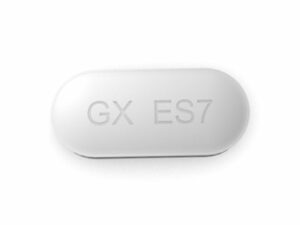

Advent DT (Amoxicillin/Clavulanic Acid)
Advent DT is an antibiotic medicine that contains amoxicillin plus clavulanic acid. It is used to treat a range of bacterial infections. The “DT” form typically indicates a dispersible/tablet that can dissolve, which may make it easier to take for some people.
This guide is designed to be patient-friendly and to help you understand how Advent DT works, how it is usually taken, and what to watch for. Always follow the directions given for your specific product and infection.
Quick facts
- Medicine: Advent DT (amoxicillin / clavulanic acid)
- Type: Antibiotic (penicillin-class beta-lactam + beta-lactamase inhibitor)
- Common uses: Certain throat, ear, sinus, chest, skin and dental infections
- How it works: Kills bacteria and helps overcome bacterial resistance mechanisms
- How to take: Usually by mouth, often with food to reduce stomach upset
- Important safety: Allergic reactions and diarrhoea can occur; seek advice if severe
What is Advent DT?
Advent DT contains two medicines:
- Amoxicillin — an antibiotic that targets bacterial cell-wall building.
- Clavulanic acid — a beta-lactamase inhibitor that helps protect amoxicillin from breakdown by some resistant bacteria.
Together, the combination is broader than amoxicillin alone for many infections where bacteria produce beta-lactamase enzymes.
Advent DT is available in different strengths depending on your country and formulation. Your pharmacist can confirm the exact strength of your tablet and the correct dosing schedule.
Mechanism of action (how it works)
Bacteria grow and survive by building and maintaining their cell walls. Amoxicillin binds to bacterial proteins involved in forming the cell wall, weakening the bacteria so they cannot multiply effectively.
Some bacteria survive by producing beta-lactamase enzymes that break down beta-lactam antibiotics. Clavulanic acid inhibits many of these enzymes, allowing amoxicillin to remain active.
The overall effect is that the medicine helps eliminate bacteria responsible for the infection and reduces the risk that the infection persists or spreads.
Expected response
Many bacterial infections show improvement within 48 to 72 hours. If you feel worse, do not improve, or develop new symptoms, contact a healthcare professional for review.
Pharmacokinetics (how the body handles it)
Pharmacokinetics describes how the medicine is absorbed, distributed, metabolised, and eliminated.
Absorption
Amoxicillin and clavulanic acid are absorbed after oral dosing. Taking the medicine with food can help reduce gastrointestinal side effects and may improve tolerance.
Distribution
The components distribute into many body tissues and fluids. Their penetration depends on factors such as tissue inflammation.
Metabolism
Clavulanic acid is partially metabolised in the body.
Elimination
Both components are primarily eliminated via the kidneys. This means your kidney function can affect how quickly the medicine clears from your system.
If you have kidney disease, dosing may need adjustment. If you are unsure, ask your pharmacist or clinician.
Typical uses in Australia
Advent DT may be used for infections where the bacteria are likely to be susceptible. It is commonly considered for:
- Ear, nose and throat infections (e.g., some cases of sinusitis, otitis media, tonsillitis)
- Chest and respiratory infections (e.g., some bacterial exacerbations of chronic bronchitis, selected cases of pneumonia)
- Skin and soft tissue infections (e.g., cellulitis in appropriate cases)
- Dental infections (e.g., tooth or gum infections where bacterial causes are suspected)
Use is based on clinical assessment, local resistance patterns and suspected bacteria. Your clinician may also consider culture results where available.
Indications: when Advent DT is considered
In general, antibiotics like amoxicillin/clavulanic acid are indicated when there is a reasonable likelihood of bacterial infection. They are not effective against viruses such as the common cold or most flu-like illnesses.
Signs that can suggest bacterial infection include persistent or worsening symptoms, focal pain/swelling, fever patterns consistent with bacterial illness, and findings on examination. Your healthcare professional will decide whether an antibiotic is appropriate for your case.
Dosing (general guidance)
Dosing depends on several factors, including:
- the infection type and severity
- age and body weight (particularly in children)
- kidney function
- the strength of the tablet you have
- local prescribing practices
Important: Always follow the exact dosing instructions supplied with your Advent DT product. Because strengths vary, you should not substitute doses from a different brand/strength.
Common adult schedules (examples)
Many adult regimens are taken twice daily (every 12 hours) or three times daily depending on the infection and product strength. Duration also varies by condition.
Children may have weight-based dosing and may use different strengths. If you are using Advent DT for a child, confirm the correct dose with your pharmacist.
If you miss a dose
- Take it as soon as you remember.
- If it is close to the next dose, skip the missed one.
- Do not take double the dose to make up for a missed tablet.
Timing: how to take Advent DT
Consistency helps maintain effective drug levels. A common approach is to take doses at set times each day.
With food or without food?
- Often recommended: take with food (or at the start of a meal).
- This can reduce the chance of nausea, vomiting, and diarrhoea.
Completing the course
Even if you start to feel better, complete the course as directed. Stopping early can allow bacteria to persist and may contribute to treatment failure.
Food interactions and dietary advice
Food does not usually “cancel out” the medicine, but it can improve tolerability.
- Take with meals if you have a sensitive stomach.
- If you experience nausea, consider taking with your first bites of food.
- Stay hydrated, especially if you experience mild stomach upset or diarrhoea.
There are generally no major restrictions on specific foods. However, if you have a history of antibiotic-associated diarrhoea, discuss risk and symptom monitoring with a healthcare professional.
Alcohol and medicine interactions
Many people wonder if they can drink alcohol while taking antibiotics. While amoxicillin/clavulanic acid does not have the same “disulfiram-like” reaction as some other medicines, alcohol can still worsen side effects such as dizziness, stomach upset, and diarrhoea.
General advice
- Best choice: avoid alcohol while you are unwell.
- If you choose to drink, keep it minimal and ensure you can tolerate it.
If your infection is severe or you are taking other medicines (for example, for pain or nausea), ask your pharmacist if any specific interactions apply to your situation.
Other medicine interactions
Interactions can occur between antibiotics and other medications. Not all are common, but it’s important to consider what you already take.
Medicines that may be relevant
- Oral anticoagulants (blood thinners) such as warfarin: antibiotics can affect blood clotting control in some people. Monitoring may be required.
- Allopurinol: may increase the chance of rash in some individuals.
- Methotrexate: may require additional caution because of potential changes in clearance.
- Other antibiotics or antimicrobial combinations: should be used only under clinical guidance.
- Oral contraceptives: evidence about reduced effectiveness is mixed; however, severe diarrhoea or vomiting can reduce absorption of hormones. If you have significant gastrointestinal symptoms, consider additional contraception.
Probiotics and supplements
Some people use probiotics to support gut comfort during antibiotics. This is optional. If you are immunocompromised or critically ill, consult your healthcare professional before starting probiotics.
Provide your pharmacist with a complete list of medicines, vitamins and herbal products. Keep it updated if you start something new during treatment.
Safety profile: side effects and what to do
Common side effects
Most side effects are mild and improve after the body adjusts. Possible common effects include:
- Diarrhoea
- Nausea or stomach upset
- Vomiting
- Skin rash
- Headache
- Yeast infections (e.g., thrush) in some cases
Serious or urgent symptoms
Seek urgent medical attention (or call emergency services in Australia, e.g., 000) if you experience:
- Signs of severe allergic reaction such as swelling of the face/lips, breathing difficulty, wheeze, or widespread hives
- Severe or persistent diarrhoea, especially if watery, bloody, or accompanied by fever or severe abdominal pain (could indicate antibiotic-associated colitis)
- Severe skin reactions (blistering, peeling, or a rapidly spreading rash)
- Yellowing of the skin/eyes or dark urine with marked fatigue (possible liver effects—uncommon but important)
When to contact a clinician promptly
- You develop a mild to moderate rash and you’re unsure whether it is an allergy.
- Your symptoms are not improving after 48–72 hours.
- You cannot keep fluids down due to vomiting.
- You develop new fever, worsening pain, or symptoms that suggest complications.
Practical use tips (how to get the most benefit)
How to take the DT/dispersible form
Advent DT is intended to be easier to take. The exact method can depend on the specific formulation. Follow the instructions on your packaging.
- If the tablet is dispersible, it may be intended to dissolve in water before swallowing.
- Use the recommended amount of water (as stated in the directions) and take immediately after mixing.
- Do not prepare doses well in advance unless your pharmacist has advised it.
Hydration and gut comfort
- Drink fluids regularly.
- If you get mild diarrhoea, monitor severity and hydration.
- Avoid anti-diarrhoeal medicines unless a clinician advises—especially if diarrhoea is severe or associated with fever.
Missed tablets and routine reminders
- Use phone alarms or a medication organiser.
- If you’re travelling, keep tablets in original packaging and within recommended conditions.
Keep track of improvements
Note changes in fever, pain, swelling, drainage, or breathing. If you don’t see improvement within a few days, contact your healthcare professional.
Antibiotic stewardship: using antibiotics responsibly
Antibiotics are most effective when used appropriately. Taking them for confirmed or strongly suspected bacterial infections helps protect individual health and reduces the development of antibiotic resistance.
- Do not use leftover antibiotics for new symptoms.
- Do not share antibiotics with others.
- Complete your course unless told to stop.
Alternative options (what else may be considered)
Depending on your infection, medical history (including allergies), and local guidance, clinicians may consider alternative antibiotics or supportive treatments. Options can include:
- Amoxicillin alone (for infections where beta-lactamase resistance is less likely)
- Cephalosporins (in some cases, depending on allergy history and susceptibility)
- Macrolides or clindamycin (for selected infections and when appropriate)
- Supportive care (e.g., pain relief, hydration, nasal saline, rest) for viral or self-limiting conditions
The “best” alternative depends on suspected bacteria, severity, and whether you have penicillin allergy. If you have had anaphylaxis or severe reactions to penicillins, inform your clinician so they can choose safely.
Market and legal context for Australia
In Australia, antibiotics are regulated medicines. Their supply is governed by Australian medicines scheduling and pharmacy law. In general, antibiotics require appropriate clinical direction to ensure safe and responsible use.
Guidance on antibiotic prescribing in Australia is influenced by national stewardship initiatives and local prescribing practices, including recommendations from professional bodies and health departments.
Recent guidance (general themes)
In recent years, Australian antimicrobial stewardship has emphasised:
- Prescribing antibiotics only when bacterial infection is likely.
- Using the narrowest effective option when possible.
- Shorter courses for many uncomplicated infections where clinically appropriate.
- Reviewing treatment if there is no improvement within expected timeframes.
Your pharmacist and clinician can help ensure your treatment aligns with current best practice.
Delivery and availability (online pharmacy information)
Advent DT may be available through Australian pharmacies. Availability can vary by strength and formulation.
- Delivery times: depend on stock status and your location.
- Packaging: medicines should arrive in original packaging with clear expiry and identification details.
- Cold chain: Advent DT is generally not temperature-sensitive in the way some vaccines are; still, store according to the label instructions.
If you need urgent treatment, check stock and delivery estimates before ordering. Your pharmacy may also offer options such as collection where available.
Storage
- Store at room temperature unless the pack says otherwise.
- Keep out of sight and reach of children.
- Keep in the original container to protect from moisture.
- Do not use after the expiry date on the pack.
FAQ
1) How long does it take for Advent DT to work?
Many people begin to feel some improvement within 48–72 hours. If you don’t improve or you worsen, contact a healthcare professional.
2) Can I stop early if I feel better?
Try not to stop early unless a clinician tells you to. Completing the course helps ensure the infection is fully treated.
3) What should I do if I get diarrhoea?
Mild diarrhoea can occur during antibiotics. Keep hydrated and monitor symptoms. Seek urgent care if diarrhoea is severe, bloody, or persistent, or if you have fever or significant abdominal pain.
4) I’m allergic to penicillin—can I take Advent DT?
Advent DT contains a penicillin-class antibiotic (amoxicillin). If you have had an allergy to penicillins, especially severe reactions, talk to a clinician before taking. Your pharmacist can help you understand safe options.
5) Can I drink alcohol while taking it?
Alcohol is not usually contraindicated specifically with amoxicillin/clavulanic acid, but it can worsen side effects and delay recovery. If possible, avoid alcohol while you’re unwell.
6) Do I need to take it with food?
Taking it with food often improves tolerance. If your stomach feels upset, take it with meals or at the start of food.
7) Are there interactions with other medicines?
Some interactions are possible, particularly with blood thinners such as warfarin and with other medicines like methotrexate or allopurinol. Tell your pharmacist about all medicines and supplements you use.
8) What if I miss a dose?
Take it when you remember unless it is close to the next dose. Do not double up.
9) Is Advent DT suitable for children?
It may be used in children for appropriate infections, but dosing is weight-based and depends on the product strength. Confirm dosing with your pharmacist or clinician.
10) Does it work for viral infections like colds or flu?
Antibiotics do not treat viruses. Advent DT is for bacterial infections as assessed by your healthcare professional.
Important notes
This information is general and may not cover every situation. If you have questions about your specific condition, allergies, kidney function, or other medicines you are taking, speak with a pharmacist or healthcare professional.
If you develop signs of a serious allergic reaction, severe diarrhoea, or a rapidly worsening condition, seek urgent medical help.