
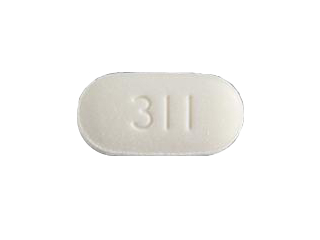
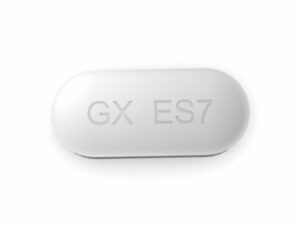
Cefixime (Cefixime) — Patient Information for Australia
Cefixime is an antibiotic medicine used to treat a range of bacterial infections. This guide explains what cefixime is, how it works, how it’s taken, what to watch for, and practical advice for safe use in Australia.
Note: Antibiotics are medicines that treat infections caused by bacteria. They do not work for viral illnesses such as the common cold or influenza.
1) Basic product information
- Active ingredient: Cefixime (often written as “cefixime”).
- Medicine type: Antibiotic (cephalosporin; third generation).
- Common forms: Tablets and oral suspension (liquid), depending on brand and strength.
- How it’s taken: By mouth (oral).
- Who it’s for: Adults and, in some cases, children—dose depends on age/weight and infection type.
On Australian pharmacy websites, you’ll often see different brand names and strengths. Always check the specific product page for the exact strength (e.g., mg per tablet or mg/5 mL for liquid).
2) What cefixime is and how it works (mechanism of action)
Cefixime belongs to the cephalosporin class of antibiotics. It works by interfering with how bacteria build their cell walls.
- Cefixime targets penicillin-binding proteins (PBPs).
- This prevents bacteria from forming a strong cell wall, leading to bacterial death.
- It is generally most effective against bacteria that are susceptible to this antibiotic.
Important: The effectiveness of cefixime depends on the cause of infection and local resistance patterns. A clinician may choose an antibiotic based on infection type, severity, allergy history, and sometimes test results (e.g., throat swab or urine culture).
3) Pharmacokinetics (how the body processes cefixime)
“Pharmacokinetics” describes what the body does to a medicine—how it’s absorbed, distributed, metabolised, and eliminated.
- Absorption: Cefixime is absorbed from the gastrointestinal tract. Absorption may be influenced by food, but cefixime can generally be taken with or without food.
- Time to peak levels: Blood levels typically peak a few hours after a dose (often around 2–6 hours, depending on formulation).
- Distribution: It reaches various body fluids and tissues; the pattern can vary by infection site.
- Metabolism: Cefixime is not extensively metabolised in the liver.
- Elimination: Mainly excreted by the kidneys (urine). Dose adjustments may be needed if kidney function is reduced.
If you have kidney disease, have had previous kidney problems, or are unsure about your renal function, speak with a healthcare professional before starting cefixime.
4) Typical uses and indications
Cefixime is used for bacterial infections where it is considered appropriate. Common indications may include:
- Ear, nose and throat infections: e.g., certain cases of middle ear infection (otitis media) or throat infections due to susceptible bacteria.
- Sinus-related infections: in selected cases where bacterial infection is suspected.
- Respiratory tract infections: such as some cases of acute bronchitis or community-acquired respiratory infections caused by susceptible organisms.
- Urinary tract infections (UTIs): including uncomplicated UTIs due to susceptible bacteria.
- Other susceptible bacterial infections: depending on clinical assessment and local antimicrobial guidelines.
Not for: Viral infections (e.g., influenza), fungal infections, and most cases where the cause is unknown without investigation.
5) Timing and how to take cefixime
Successful antibiotic treatment depends on taking cefixime correctly and for long enough. Follow the instructions on your product label or provided directions by your healthcare professional.
Typical dosing frequency
Cefixime is commonly taken once or twice daily, depending on the prescribed regimen and the infection being treated.
How to take it
- Swallow tablets whole with water unless your product instructions say otherwise.
- Oral suspension: shake well before each dose. Use an oral syringe or measuring spoon for accurate dosing.
- Consistency: take doses at roughly the same times each day.
How long to continue
Antibiotic courses vary. Finishing the full course helps reduce the risk that the infection returns or worsens.
Missed dose: If you miss a dose, take it when you remember unless it’s close to the next dose. Do not double up to make up for a missed dose.
6) Food interactions and what to eat
Cefixime can generally be taken with or without food. Food may slightly affect absorption rates for some antibiotics, but cefixime is usually still well tolerated.
- If you experience stomach upset, taking cefixime with a meal may help.
- Stay well hydrated, especially if treating a UTI.
Practical note: Avoid taking with supplements or medicines that contain certain minerals unless your pharmacist advises otherwise, as some antibiotics can bind with minerals. For cefixime, this is less prominent than with some other antibiotics, but it’s still wise to confirm with your pharmacist if you take iron, zinc, magnesium, or antacids regularly.
7) Alcohol and medicine interactions
Alcohol
Moderate alcohol intake is not usually considered a major direct interaction with cefixime. However, alcohol can:
- Worsen dehydration or nausea.
- Reduce your ability to rest and recover.
- Potentially interfere with how well you tolerate medicines.
Recommendation: It’s best to limit alcohol while you are unwell and taking antibiotics.
Other medicine interactions
Cefixime can interact with certain medicines. Tell your healthcare professional if you use:
- Medicines that affect kidney function (since cefixime is eliminated in urine).
- Probenecid (may increase cefixime levels by reducing renal excretion).
- Anticoagulants (blood thinners) such as warfarin—antibiotics can affect blood clotting in some people.
- Other antibiotics or antibacterial agents—your clinician may avoid combinations unless specifically required.
If you take multiple medicines (including supplements), ask your pharmacist to check for interaction risks before starting.
8) Dosing guidance (adults and children)
Dosing depends on the infection type, severity, age, and kidney function.
The following table provides commonly used dosing patterns seen in clinical practice. Always follow the exact directions on your product or from your healthcare professional for your specific situation.
| Patient group | Common dosing pattern | Notes |
|---|---|---|
| Adults | Often 400 mg once daily or 200 mg twice daily for some indications | Dose may vary based on infection site and severity. |
| Children | Often 8 mg/kg per day divided once daily or twice daily depending on regimen | Liquid formulation dosing is commonly based on weight. |
| Kidney impairment | Dose may be reduced or interval adjusted | Clinical assessment is needed; do not self-adjust. |
Accuracy matters: For children using suspension, correct measurement is essential. If you’re unsure, ask your pharmacist for an oral syringe and instructions.
Duration of treatment: Courses may range from a few days to longer depending on the infection. Even if you feel better, completing the prescribed course is usually recommended.
9) Safety profile and when to seek help
Most people tolerate cefixime well. However, like all medicines, it can cause side effects. Some effects are mild and temporary; others require urgent attention.
Common side effects
- Nausea
- Diarrhoea (mild)
- Stomach discomfort
- Headache
- Skin rash (mild)
Less common but serious risks
- Allergic reactions: swelling of the face/lips, wheezing, difficulty breathing, or widespread hives.
- Severe skin reactions: blistering, peeling skin, or ulcers in the mouth/eyes.
- Clostridioides difficile (C. diff) diarrhoea: persistent watery diarrhoea, abdominal cramps, fever, or blood/mucus in stool.
- Blood or kidney-related issues: unusual bruising, severe fatigue, or reduced urine output (seek advice).
Seek urgent medical attention if:
- you have signs of anaphylaxis (trouble breathing, swelling, fainting)
- diarrhoea is severe, persistent, or includes blood
- you develop rapidly worsening rash or blistering
Allergy warnings (cephalosporins and penicillin)
Tell your clinician if you have ever had an allergic reaction to:
- cephalosporin antibiotics (including cefixime), or
- penicillin antibiotics,
- or any serious drug allergies.
Cross-reactivity can occur. Your clinician can help determine the safest option.
10) Practical use tips (getting the best results)
- Start on time: begin doses as directed once the course is started.
- Hydrate: especially if treating a UTI; it can help comfort and recovery.
- Complete the course: stopping early can increase the risk of relapse and resistance.
- Monitor symptoms: note fever reduction, pain improvement, urinary symptoms, or breathing changes over 48–72 hours.
- Watch for worsening: if symptoms do not improve or worsen after a couple of days, contact your healthcare provider.
- Use correct measuring tools: for suspensions, use an oral syringe/measure rather than kitchen spoons.
- Consider supportive care: rest, fluids, and appropriate pain/fever relief as recommended for you.
Probiotics? Some people choose probiotics to support gut health during antibiotic treatment. Evidence varies, and probiotic choice and timing should be discussed with a pharmacist, especially if you’re immunocompromised.
11) Alternative options
“Best alternative” depends on the infection, the bacteria suspected, allergy history, and kidney function. If cefixime is not suitable, clinicians may consider other antibiotics or different treatment approaches.
Possible alternatives (examples)
- Other cephalosporins (depending on infection site and susceptibility)
- Penicillins or amoxicillin-based options (if appropriate)
- Macrolides (such as azithromycin) in certain respiratory infections
- Different antibiotics for UTIs depending on local resistance patterns
Why alternatives vary: Antibiotic selection aims to balance effectiveness, safety, and reducing antibiotic resistance. A clinician may also request a urine culture or other tests.
12) Australia market and legal context (overview)
In Australia, antibiotics are regulated medicines. Availability, prescribing requirements, and pharmacy supply processes can vary by product, strength, and indication.
- Regulatory environment: Medicines are supplied in line with Australian regulatory and pharmacy practices.
- Antimicrobial stewardship: Australian guidance focuses on using antibiotics appropriately, avoiding unnecessary courses, and choosing narrow-spectrum options when possible.
- Safety and governance: Pharmacists support safe use through counselling on dosing, side effects, interactions, and adherence.
If you’re shopping online, always check the product listing for supply type and how the pharmacy verifies eligibility and safety information.
13) Recent guidance and antimicrobial resistance considerations
Across Australia, antimicrobial guidelines are updated regularly to reflect:
- local resistance patterns (e.g., for urinary and respiratory pathogens)
- new evidence on antibiotic effectiveness and adverse effects
- best-practice antimicrobial stewardship
Why this matters: In some conditions, a different antibiotic may be recommended first-line; cefixime may be used when it’s considered suitable based on susceptibility, allergy history, and patient factors.
14) Delivery and availability (online pharmacy)
Availability can vary by brand and strength. Many online pharmacies in Australia offer delivery to residential addresses and may provide options such as:
- Standard delivery
- Express delivery in some regions
- Tracking and delivery updates
Storage: Keep cefixime in a cool, dry place as directed on the packaging. For oral suspension, follow storage instructions carefully (including whether refrigeration is required once prepared, if applicable).
If your product is a liquid suspension, check the label for shelf life after opening and how to store it.
15) Storage and handling
- Tablets: store at room temperature unless the label specifies otherwise.
- Oral suspension: shake well before use; store as directed and discard after the stated “use by” or post-opening period.
- Keep out of reach of children.
16) FAQ — Cefixime for Australia
1. What infections does cefixime treat?
Cefixime treats infections caused by susceptible bacteria, such as selected ear/throat infections, some respiratory infections, and urinary tract infections. The appropriate choice depends on the infection and local resistance patterns.
2. How quickly will I feel better?
Many people begin to feel improvement within 48–72 hours. If symptoms are not improving or are worsening after this timeframe, contact a healthcare professional for review.
3. Can I take cefixime with food?
Yes. Cefixime can generally be taken with or without food. Taking it with a meal may help if you experience nausea.
4. Can I drink alcohol while taking cefixime?
There is no common major direct interaction, but alcohol can worsen stomach upset and delay recovery. It’s best to limit or avoid alcohol while you’re unwell.
5. What should I do if I miss a dose?
Take the missed dose as soon as you remember, unless it’s nearly time for your next dose. Don’t double the dose.
6. Is cefixime safe for children?
It may be used in children when appropriate, with dosing based on the child’s weight and infection type. Use the correct measurement tool for liquid and follow the dosing instructions exactly.
7. What if I get diarrhoea?
Mild diarrhoea can happen with antibiotics. Seek urgent medical advice if diarrhoea is severe, persistent, watery, includes blood or mucus, or is accompanied by fever and abdominal cramps.
8. What if I have a penicillin allergy?
Tell your healthcare professional if you’ve had an allergic reaction to penicillins or cephalosporins. They can assess the risk and decide on the safest antibiotic option.
9. Does cefixime interact with warfarin?
Potential interactions exist with anticoagulants. If you take warfarin or another blood thinner, you should receive specific guidance and monitoring advice.
10. Can I stop cefixime early if I feel better?
Generally, you should complete the full course unless advised otherwise by a healthcare professional. Stopping early can lead to recurrence or resistance.
17) Summary
Cefixime is an oral third-generation cephalosporin antibiotic used to treat specific bacterial infections. It works by disrupting bacterial cell wall formation and is eliminated mainly through the kidneys. Taking cefixime at the correct times, completing the course, and monitoring for side effects improves the likelihood of successful treatment.
If you have questions about dosing, interactions, allergies, or whether cefixime is appropriate for your symptoms, speak with a pharmacist or healthcare professional.