Pamelor (Nortriptyline) – Patient Information (Australia)
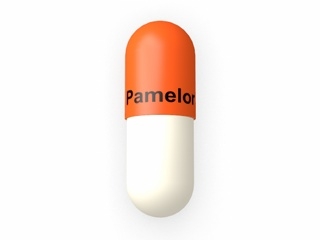
Pamelor is a brand of nortriptyline, a medicine used to treat certain mental health and pain conditions. This patient-friendly guide explains what Pamelor is, how it works, how it is taken, common precautions, and what to expect in everyday use. Information is provided for general education and should be read alongside the advice from your healthcare professional.
1. Basic product information
| Product name | Active ingredient | Medicine type | Common form* |
|---|---|---|---|
| Pamelor | Nortriptyline | Tricyclic antidepressant (TCA) | Oral capsules or tablets (form may vary) |
| Also known as | Nortriptyline | – | Generic available |
*Availability and specific presentation can vary. Your pharmacist can confirm the exact product you receive.
2. What is nortriptyline and how does it work?
Nortriptyline belongs to the tricyclic antidepressants (TCAs) group. It is used not only for depression, but also for some pain and nerve-related conditions.
Mechanism of action (how it helps)
Nortriptyline works mainly by influencing neurotransmitters in the brain and nerves:
- Reuptake inhibition: It reduces the reuptake of noradrenaline (norepinephrine) and serotonin, increasing their activity in certain neural pathways.
- Receptor effects: It has effects on several receptors (including histamine and alpha-adrenergic receptors), which can contribute to benefits such as pain relief, sleepiness, and effects on blood pressure.
For pain conditions, TCAs may help by modulating nerve signaling and “turning down” abnormal pain pathways.
3. Pharmacokinetics (how the body handles it)
Pharmacokinetics describes absorption, distribution, metabolism, and elimination.
- Absorption: Nortriptyline is absorbed after oral dosing.
- Distribution: It distributes into body tissues, including the nervous system.
- Metabolism: It is primarily metabolised in the liver (notably by the CYP2D6 enzyme pathway).
- Elimination: Metabolites are eliminated largely via the kidneys (urine).
- Half-life: Nortriptyline has a relatively long half-life, meaning effects build up over days and dosing schedules often use once- or twice-daily regimens depending on the individual.
Because of this metabolism and variability between people, drug levels and side effects can differ. Your prescriber may adjust the dose gradually.
4. Typical uses in clinical practice
Pamelor (nortriptyline) is used for a range of conditions. Depending on your situation, it may be chosen for either mental health or symptom relief.
Common indications
- Depression (including when symptoms such as low mood, anxiety, or poor sleep are present)
- Neuropathic pain (nerve pain)
- Chronic pain syndromes where a TCA is considered appropriate
- Prevention of migraine in some patients
- Other nerve-related or pain conditions as determined by your healthcare professional
Important: Indications vary by country and by clinical guidelines. Your healthcare professional will explain why nortriptyline is suitable for your diagnosis.
5. When to take it (timing)
Nortriptyline may be taken at different times of day depending on how it affects you.
- If it makes you drowsy, many people take it in the evening or before bed.
- If it causes insomnia or increases alertness, your prescriber may recommend earlier dosing.
- Once daily vs. divided doses: Some regimens use one dose daily; others split the total daily dose into two doses.
Consistency helps: Taking it at the same time each day can improve steadiness of effect and make it easier to remember.
How long until it works?
- Depression: You may notice improvement within 1–2 weeks, but it often takes 4–6 weeks (or longer) for full benefit.
- Neuropathic pain: Pain relief can occur within days to a few weeks, depending on dose and condition.
Even if you feel some early changes, keep taking the medicine as directed unless advised otherwise.
6. Food interactions and what to watch for
Nortriptyline can generally be taken with or without food. However, food may influence how comfortably the medicine sits in the stomach for some people.
- If you experience nausea, taking it with food may help.
- Try to avoid sudden large changes in meal timing while your dose is being adjusted (especially if you are sensitive to side effects).
Grapefruit and similar products: Many medicines interact with specific foods via liver enzymes. While nortriptyline is not specifically known for grapefruit interactions in the same way as some other drugs, it’s sensible to ask your pharmacist about dietary concerns based on your full medication list.
7. Alcohol and medicine interactions
Alcohol
Avoid or limit alcohol while taking nortriptyline. Alcohol can increase:
- Sleepiness and impaired coordination
- Dizziness and risk of falls
- Heart rhythm effects in some situations
If you do drink alcohol, discuss what “safe limits” mean for you with your healthcare professional.
Important medicine interactions
Nortriptyline can interact with other medicines, potentially increasing side effects, lowering effectiveness, or raising the risk of serious reactions.
Tell your healthcare professional about all medicines you use, including:
- Prescription medicines
- Over-the-counter products (e.g., cough/cold remedies)
- Herbal supplements (e.g., St John’s wort)
- Vitamins and “natural” remedies
Examples of medicines that may interact
- Other antidepressants (particularly those that increase serotonin)
- MAO inhibitors (a potentially dangerous combination)
- Medicines that affect liver enzymes (can change nortriptyline levels)
- Medicines that can affect heart rhythm or electrolytes
- Sedatives (e.g., benzodiazepines, opioids) and other medicines that cause drowsiness
- Some antihistamines that also cause drowsiness or anticholinergic effects
Risk of serotonin-related toxicity: Combining multiple serotonergic agents can rarely lead to a serious condition. Your pharmacist or doctor can check for these risks when building your regimen.
8. Indications and suitability
Pamelor may be considered for people who:
- Have depression where a TCA is appropriate
- Need treatment for nerve pain or chronic pain conditions
- Have migraine prevention needs and other options are not suitable
Your prescriber will assess factors such as:
- Your medical history (including heart rhythm history)
- Current medicines and potential interactions
- Any kidney or liver problems
- Your risk factors for falls, sedation, or urinary retention
9. Dosing guidance (general information)
Dosing is individual. The information below is general and not a personal dosing instruction. Always follow the directions on your medicine label or provided by your healthcare professional.
Typical approach
- Start low, increase gradually: Many people begin with a modest dose to reduce side effects.
- Adjust based on response and tolerance: Your dose may be adjusted over time.
- Split dosing may be used if required to improve tolerability.
Missed dose
- If you miss a dose, take it when you remember unless it is close to the next scheduled dose.
- Do not double up to make up for a missed dose.
Stopping treatment
Do not stop nortriptyline suddenly unless instructed. Gradual reduction helps reduce withdrawal-like symptoms (such as nausea, headache, irritability, or sleep disturbance).
10. Safety profile and side effects
Like all medicines, nortriptyline can cause side effects. Many are dose-related and improve as your body adjusts.
Common side effects
- Drowsiness or fatigue
- Dry mouth
- Constipation
- Dizziness or light-headedness (especially when standing)
- Blurred vision
- Increased sweating
- Weight change (some people gain weight)
- Tremor or restlessness (less commonly)
Less common but important risks
- Heart rhythm problems: TCAs can affect electrical conduction in the heart, particularly at higher doses or in people with pre-existing conditions.
- Low blood pressure when standing (orthostatic hypotension)
- Urinary retention (more likely in some people, especially older males or those with prostate issues)
- Confusion or worsening cognition in some older adults
- Increased sensitivity to sunlight (infrequent)
Seek urgent medical help if you experience
- Fainting, severe dizziness, chest pain, or symptoms of an irregular heartbeat
- Severe agitation, confusion, fever, muscle stiffness, or diarrhoea with sweating (possible serious reaction)
- Swelling of the face/lips or trouble breathing (possible allergy)
- Thoughts of self-harm or sudden worsening mood (particularly early in treatment)
Special populations
- Older adults: May be more sensitive to drowsiness, constipation, and falls. Dose selection and monitoring are important.
- People with liver disease: Nortriptyline metabolism may be reduced, requiring dose caution.
- People with heart disease: Your prescriber may consider ECG monitoring depending on risk.
11. Practical use tips (making it easier)
- Take with a routine: Link the dose to an everyday event (e.g., after dinner or before bed).
- Manage dry mouth: Sip water regularly, use sugar-free lozenges, and maintain good oral hygiene.
- Prevent constipation: Include fibre, water, and physical activity; ask a pharmacist for suitable remedies if needed.
- Stand up slowly: If you feel light-headed, sit on the edge of the bed for a moment before standing.
- Be careful driving: Until you know how it affects you, avoid driving or operating machinery if you feel drowsy.
- Keep track of effects: Note improvements and side effects, including sleep quality and pain levels.
- Don’t miss follow-ups: Dose adjustments often require review.
12. Alternative options (what else may be considered)
Depending on your diagnosis (depression, neuropathic pain, migraines, etc.), healthcare professionals may consider other medicines or strategies.
For depression
- Selective serotonin reuptake inhibitors (SSRIs) (e.g., sertraline, fluoxetine, citalopram)
- Serotonin-norepinephrine reuptake inhibitors (SNRIs) (e.g., venlafaxine, duloxetine)
- Other antidepressants tailored to your symptoms and side-effect profile
For nerve pain and chronic pain
- Anticonvulsants used for neuropathic pain (e.g., pregabalin, gabapentin)
- SNRIs such as duloxetine (for specific pain syndromes)
- Topical options (for some localised neuropathic pain)
For migraine prevention
- Beta-blockers in selected patients
- Anticonvulsants used for prevention
- Other migraine preventives depending on severity and risk factors
Your healthcare professional can discuss which option best fits your medical history, current medications, and goals.
13. Australia: market, legal and regulatory context
In Australia, medicines such as nortriptyline are supplied under the Pharmaceutical Benefits Scheme (PBS) when listed (availability may vary). Some products may be available through private prescription pathways or pharmacy supply arrangements depending on eligibility.
Key points for shoppers:
- Medicines are supplied via licensed pharmacies and comply with Australian drug scheduling and dispensing requirements.
- Pharmacies provide counselling and safety checks, including interaction screening based on your medication list.
- Availability can vary between brands and generic formulations.
14. Recent guidance and monitoring (what matters now)
Guidance for antidepressants and TCAs evolves as new evidence and safety updates are published. In recent years, emphasis has included:
- Careful assessment of risk factors (including suicidality risk, sedation risk, and cardiac history)
- Medication review to reduce interactions
- Close monitoring early in treatment, especially when symptoms are changing or doses are being adjusted
Your prescriber may recommend monitoring such as blood pressure checks, symptom review, or ECG in certain risk situations. Follow the plan discussed with your clinician.
15. Delivery and availability (online pharmacy information)
When ordering from an Australian online pharmacy, availability may depend on stock levels and whether you are supplied with a brand or generic product. Delivery options commonly include:
- Standard delivery within metropolitan or regional areas
- Express delivery where available
- Package tracking and notification updates
Delivery timelines vary by location and supplier. For the best experience, ensure your delivery address is correct and that someone can receive the parcel if required.
Cold-chain storage: Nortriptyline is generally not a cold-chain medicine. Store it as directed on the carton/bottle (commonly at controlled room temperature, away from moisture and heat).
16. Storage and handling
- Keep in its original packaging to protect from light and to identify strength.
- Store away from children.
- Do not use after the expiry date.
- If you travel, keep your medicine in a safe carry container and store it according to label directions.
17. FAQ (frequently asked questions)
Is Pamelor the same as nortriptyline?
Yes. Pamelor is a brand name for nortriptyline. Generic nortriptyline products may be available and contain the same active ingredient.
Why does it take time to start working?
For mood and nerve-related symptoms, changes occur gradually in the brain and nervous system. It may take several weeks to achieve maximum benefit, and side effects often settle as your body adjusts.
Can I take Pamelor for pain instead of depression?
Nortriptyline can be used for certain types of nerve pain and chronic pain syndromes. Your clinician will recommend it based on the most likely cause of your symptoms.
What should I do if I feel too drowsy?
If you feel unusually drowsy, avoid driving and alcohol. Contact your healthcare professional promptly—dose timing or the dose itself may need adjustment.
Will it make me sleepy?
Some people experience drowsiness, especially early in treatment. If this happens, taking the dose in the evening (as advised) often helps.
Can I drink alcohol while taking nortriptyline?
Alcohol can increase drowsiness and dizziness and may increase risk of complications. It’s generally best to avoid or minimise alcohol and discuss your situation with your healthcare professional.
Are there foods I must avoid?
Nortriptyline can usually be taken with or without food. If nausea occurs, take it with food. If you have concerns about specific foods or supplements, ask your pharmacist.
What medicines should I tell my pharmacist about?
Tell them about all prescriptions, over-the-counter medicines, and supplements—especially other antidepressants, migraine medicines, sedatives, sleeping tablets, heart rhythm medicines, and products that cause drowsiness.
How do I stop Pamelor safely?
Do not stop abruptly without medical guidance. A gradual reduction schedule helps reduce withdrawal-like symptoms.
Is it safe to drive or work while using Pamelor?
Only if you feel alert and safe. Nortriptyline can impair coordination and reaction time, particularly during the start of treatment or after dose increases.
Who should be extra cautious?
Extra caution is needed for people with a history of heart rhythm problems, liver disease, urinary retention, glaucoma, or those taking multiple interacting medicines.
Reminder: This page provides general information about Pamelor (nortriptyline). Always follow the specific instructions given by your healthcare professional and pharmacist. If you have questions about side effects, interactions, or how to take your medicine, speak with a qualified healthcare provider.