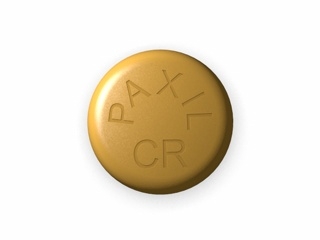


Paxil (Paroxetine) – Patient-Friendly Guide (Australia)
Paxil is a brand name for paroxetine, a medicine used to treat certain mental health conditions. This guide explains how Paxil works, how it is typically taken, common precautions, and what to expect during treatment. It is written for patients in Australia and aims to be clear, practical, and easy to understand.
Note: Medicines can affect people differently. Always follow the advice given by your clinician and the instructions on the packaging. If you are unsure about anything in this guide, seek help promptly.
Basic product information
- Active ingredient: Paroxetine
- Brand name: Paxil
- Medicine type: Antidepressant (SSRI – selective serotonin reuptake inhibitor)
- Common dosage forms: Tablets and controlled-release options (availability may vary)
- Typical use: Depression, anxiety disorders, and related conditions
In Australia, medicines containing paroxetine are regulated. Availability and the exact strengths or formulations depend on local supply and prescribing practices.
How Paxil works (mechanism of action)
Paxil (paroxetine) belongs to the SSRI class. SSRIs increase the availability of serotonin in the brain. Serotonin is a chemical messenger involved in mood, anxiety, sleep, appetite, and other functions.
Paroxetine works primarily by blocking the reuptake (reabsorption) of serotonin at nerve endings. This helps serotonin remain active for longer, which may gradually improve symptoms.
Importantly, Paxil does not usually produce an immediate “instant” change. Many benefits develop over several days to weeks, depending on the condition being treated.
Pharmacokinetics (how the body handles it)
Pharmacokinetics describes what the body does to the medicine—absorption, distribution, metabolism, and elimination. While individual results vary, the following is typical:
- Absorption: Paroxetine is absorbed after oral dosing.
- Onset of effects: Symptom improvement commonly begins within 1–2 weeks, but full effects may take longer.
- Metabolism: Paroxetine is metabolised mainly by the liver.
- Elimination: The medicine and its metabolites leave the body mainly via the kidneys and bile.
- Half-life: Paroxetine has a relatively short-to-intermediate half-life compared with some other SSRIs, which is one reason tapering may be important when stopping.
Because paroxetine is processed by the liver, other medicines that affect liver enzymes can change paroxetine levels. This is one reason it is important to review your full list of medicines and supplements with a clinician.
Typical uses (indications)
Paxil is used for a range of mental health conditions. The exact approved indications can depend on local regulation and formulation. Commonly treated conditions include:
- Depression
- Obsessive-compulsive disorder (OCD)
- Generalised anxiety disorder (GAD)
- Social anxiety disorder
- Post-traumatic stress disorder (PTSD)
- Panic disorder
Your clinician may recommend Paxil for reasons tailored to your specific diagnosis, symptom pattern, and health history.
When to take Paxil (timing and routine)
Paxil can be taken once daily. Many people choose a consistent time each day. The best timing for you depends on how it affects you (for example, whether it makes you feel drowsy or more alert).
- If it makes you feel sleepy: taking it in the evening may help.
- If it makes you feel energised or restless: taking it in the morning may be preferable.
- Try not to vary the schedule: consistency helps maintain steady medication levels.
- Take with or without food: food does not usually prevent absorption.
If you miss a dose, do not “double up” to catch up. Instead, take the next dose at the usual time. If you are unsure, ask your pharmacist or clinician for advice.
Food interactions
For most people, Paxil can be taken with or without food. However, there are still some practical considerations:
- Alcohol: alcohol is strongly discouraged during treatment due to increased risk of side effects (see below).
- St John’s wort and herbal supplements: these may affect serotonin-related activity and can interact with antidepressants.
- Grapefruit products: while not a common interaction driver for paroxetine, it’s still wise to check supplements and special foods with a pharmacist.
If you notice stomach upset, taking Paxil with food may improve comfort for some people. Always avoid starting or stopping supplements without checking compatibility.
Alcohol and medicine interactions
Alcohol
Alcohol can worsen depression and anxiety symptoms and may increase sedation, dizziness, and impaired coordination. With SSRIs like paroxetine, combining alcohol may also make side effects harder to manage.
Practical guidance: if you choose to drink, keep it minimal and discuss it with a clinician. Avoid driving or operating machinery if you feel drowsy.
Important medicine interactions
Paxil can interact with a range of medicines, including those that affect serotonin, liver metabolism, heart rhythm, or bleeding risk. Discuss the following with your pharmacist or clinician before starting Paxil, and keep them updated if anything changes:
- Other antidepressants, including some SSRIs/SNRIs and other serotonergic medicines
- MAO inhibitors (a serious interaction risk—requires careful timing and medical guidance)
- Triptans (used for migraine)
- Linezolid or methylene blue (may increase serotonin-related risks)
- Medicines that increase bleeding risk (e.g., some anti-inflammatories like NSAIDs, antiplatelets, or anticoagulants such as warfarin)
- Drugs that affect liver enzymes that metabolise paroxetine
- Other central nervous system sedatives (may increase drowsiness)
- Some heart rhythm medications (your clinician may consider ECG or risk factors)
Always tell your healthcare team about all prescription medicines, over-the-counter products, and herbal supplements. Keep a list and show it at appointments.
Dosing: what is typical?
Dosing depends on the condition being treated, your age, overall health, and your response to therapy. The goal is to use the lowest effective dose while minimising side effects.
In practice, clinicians often begin with a lower dose and adjust gradually. Typical starting doses and target doses vary by indication and formulation.
- Depression and anxiety disorders: dosing is commonly started low and increased slowly if needed.
- OCD and other conditions: higher doses may sometimes be used, under close supervision.
Do not change your dose without guidance. Stopping or altering paroxetine suddenly can increase the risk of discontinuation symptoms.
Typical dosing schedule (general examples)
Because exact dosing must be individualised, use the table below only as a general reference. Your clinician’s instructions are the final authority for your specific regimen.
| Condition (examples) | General approach | Why adjustments may happen |
|---|---|---|
| Depression | Start low; increase gradually if needed | Balance symptom relief with tolerability |
| GAD / social anxiety / panic disorder | Start low; increase gradually | Reduce early side effects and agitation |
| OCD | Sometimes higher dose targets; slower build | OCD may require stronger/longer treatment |
| PTSD | Individualised; monitored response | Symptoms vary widely among people |
How long it takes to work (timing expectations)
Treatment timing can be a common concern. While some people notice early changes, most improvement develops progressively:
- First few days to 1–2 weeks: some people experience changes in sleep, anxiety, or energy.
- 2–4 weeks: gradual improvement in mood and anxiety is more likely.
- 6–12 weeks (sometimes longer): full benefit—especially for OCD and some anxiety conditions.
If you feel worse soon after starting—such as increased agitation, panic, or severe restlessness—contact your clinician promptly. Early management can often improve outcomes.
Safety profile: what to know
Paxil is widely used. Like all medicines, it has potential side effects and precautions. Many side effects are mild and may reduce as your body adapts, but some require medical attention.
Common side effects
- Nausea or upset stomach
- Headache
- Sleep changes (sleepiness or insomnia)
- Increased sweating
- Dry mouth
- Sexual side effects (reduced libido, difficulty with orgasm, or erectile/sexual function changes)
- Weight change in some people
- Tremor or feeling “restless” (especially early on)
Serious but less common risks
Seek urgent medical help if you develop symptoms such as:
- Signs of serotonin syndrome (e.g., fever, confusion, agitation, fast heart rate, sweating, muscle stiffness)
- Severe allergic reactions (swelling of face/lips, trouble breathing, severe rash)
- Mania or hypomania (e.g., unusually elevated mood, decreased need for sleep, risky behaviour)
- Unusual bleeding (e.g., black/tarry stools, blood in urine, easy bruising, bleeding that won’t stop)
- Significant falls or fainting (especially if dizziness is severe)
- Symptoms of low sodium (hyponatraemia) (e.g., severe headache, confusion, weakness, seizures)
If you have a history of bipolar disorder or previous episodes of mania, tell your clinician before and during treatment.
Stopping Paxil safely (discontinuation guidance)
Paroxetine can be associated with discontinuation symptoms when stopped suddenly, particularly with abrupt cessation. These can include dizziness, “brain zaps” or tingling sensations, nausea, sleep disturbance, irritability, and flu-like feelings.
- Do not stop suddenly: stopping should usually be gradual.
- Tapering matters: your clinician may reduce the dose slowly over weeks or longer, based on your situation.
- Plan ahead: if you need to stop for any reason, discuss a taper schedule early.
If you experience withdrawal-like symptoms after dose changes, seek advice rather than repeatedly changing your regimen on your own.
Practical use tips
- Give it time: many benefits develop gradually.
- Track symptoms: consider noting sleep, anxiety levels, and mood daily for the first few weeks.
- Use a consistent routine: take it at the same time each day.
- Be cautious with driving: if you feel drowsy or dizzy, avoid driving or operating machinery until you know how you respond.
- Stay hydrated and watch for side effects: especially if you experience dizziness or sweating.
- Don’t ignore sexual side effects: they are common with SSRIs and are treatable—discuss options with a clinician.
- Medication and lifestyle together: combining medication with therapy, sleep routines, exercise, and stress reduction often improves outcomes.
Alternative options
If Paxil is not suitable—due to side effects, lack of response, or interaction concerns—there may be alternative treatments. Alternatives can include other SSRIs, SNRIs, or non-medication approaches.
Medication alternatives (examples)
- Other SSRIs (varies by clinician and patient factors)
- SNRIs (serotonin-noradrenaline reuptake inhibitors)
- Other antidepressant classes used for specific anxiety disorders
Non-medicinal and supportive approaches
- Psychological therapies (e.g., CBT, exposure-based therapies for anxiety/OCD)
- Lifestyle support (sleep hygiene, regular exercise, structured routines)
- Education and coping strategies for panic, intrusive thoughts, and trauma-related symptoms
The best alternative depends on your diagnosis, severity, medical history, and previous experiences with medications. Discuss options rather than switching without guidance.
Market and legal context for Australia
In Australia, medicines are regulated through the Therapeutic Goods Administration (TGA) and are made available in different categories depending on their risk profile. Antidepressants such as paroxetine are generally handled under prescription-style frameworks and distribution rules.
Online pharmacies in Australia typically comply with relevant legislative and professional obligations, including identity verification, appropriate counselling, and medication supply standards. Availability may vary between brands, strengths, and formulation types.
Always confirm that you are purchasing from a legitimate, Australian-compliant pharmacy and that your medicine is genuine and properly packaged.
Recent guidance and practical updates (what to watch for)
Guidance for antidepressant use can evolve as new safety information and clinical practice recommendations emerge. Key practical themes clinicians commonly emphasise for patients on SSRIs like paroxetine include:
- Careful monitoring early in treatment for increased anxiety, agitation, or changes in mood.
- Attention to withdrawal/discontinuation symptoms and appropriate tapering strategies.
- Serotonin syndrome awareness when combining medicines that affect serotonin.
- Monitoring for hyponatraemia risk in susceptible individuals (e.g., older adults, those on certain diuretics).
- Considering bleeding risk when combined with NSAIDs/anticoagulants/antiplatelets.
For the most accurate, up-to-date recommendations, consult your healthcare professional and rely on Australian health authority resources.
Delivery and availability (Australia)
Paxil availability can vary by formulation, strength, and local supply. When ordered through an online pharmacy, delivery times may depend on stock status, location, and shipping service.
- Stock availability: some strengths may be held locally, while others may be ordered in.
- Delivery timing: delivery estimates typically depend on metropolitan vs regional areas.
- Packaging: medicines should arrive in original packaging with clear dosing instructions.
- Storage: store as directed on the label (often in a cool, dry place, away from moisture).
If you need a specific strength or formulation, check availability before placing an order. If your prescribed dose changes, you may also need a different tablet strength.
FAQ (Frequently Asked Questions)
Is Paxil the same as paroxetine?
Yes. Paxil is a brand name that contains paroxetine as the active ingredient.
How quickly will I feel better?
Some people notice changes within 1–2 weeks, but full improvement often takes several weeks. For OCD and some anxiety disorders, improvement can be slower and may continue over months.
Can I take Paxil with food?
Usually yes. Paxil can typically be taken with or without food. If you experience nausea, taking it with food may help.
What if I miss a dose?
Take your next dose at the usual time. Avoid doubling doses to “catch up.” If you miss doses for more than a short period, speak to your pharmacist or clinician for personalised advice.
Can I drink alcohol while taking Paxil?
It’s generally best to avoid alcohol because it can worsen mood and anxiety symptoms and may increase side effects like drowsiness or dizziness. Discuss your situation with a clinician if you plan to drink.
Will Paxil cause weight gain?
Some people experience weight changes. Not everyone gains weight. Diet, activity, and the underlying condition all play roles. If weight changes become a concern, discuss it with your healthcare team.
Does Paxil affect sexual function?
Sexual side effects can occur with SSRIs, including Paxil. If you notice changes, let your clinician know—there may be management options such as dose adjustments or alternative treatments.
Can I stop Paxil suddenly?
Stopping suddenly can lead to discontinuation symptoms. In most cases, stopping should be gradual with a tailored taper plan.
What medicines should I avoid mixing with Paxil?
Avoid combining Paxil with certain medications that affect serotonin or heart rhythm without medical advice. Common categories of concern include MAO inhibitors and other serotonergic medicines. Always review your full medication list with your pharmacist or clinician.
Is Paxil suitable for everyone?
Not necessarily. Your clinician will consider medical history, current medicines, and risk factors (e.g., bipolar disorder history, bleeding risk, liver issues). Do not start Paxil if you have been advised to avoid it.
What should I do if I feel worse after starting?
Some people may initially feel increased anxiety or restlessness. If symptoms are severe, rapidly worsening, or accompanied by dangerous signs (e.g., severe agitation, confusion, fever), seek urgent medical help.
Important: This information is for general education and should not replace advice from a healthcare professional. If you have concerns about your symptoms, side effects, or interactions, seek medical guidance promptly.