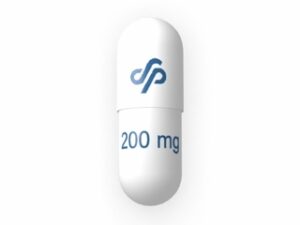



Epivir (Lamivudine) – Patient-Friendly Guide (Australia)
Epivir contains the active ingredient lamivudine. It is an antiviral medicine used in the management of certain viral infections, most notably HIV and hepatitis B (HBV), depending on the specific condition and treatment plan.
This page is written to help you understand what Epivir is, how it works, how it’s typically taken, and what to watch for. If you have questions about your specific situation, speak with a healthcare professional.
1) Basic product information
| Product | Active ingredient | Common forms | Typical uses |
|---|---|---|---|
| Epivir | Lamivudine | Tablets (and in some markets, oral solution may be available) | HIV infection (as part of combination therapy); Hepatitis B infection |
Brand notes: In Australia, lamivudine is available under Epivir and may also be available as generic lamivudine depending on supply. Your pharmacy can advise on the exact product available and the strength you need.
2) What Epivir is and how it works (Mechanism of action)
Lamivudine is a nucleoside reverse transcriptase inhibitor (NRTI). It targets viruses that rely on an enzyme (reverse transcriptase for HIV) to copy their genetic material.
For HIV:
- Lamivudine enters infected cells and is converted to an active form.
- The active form interferes with the viral replication process by halting DNA chain elongation.
- This helps reduce the amount of virus in the body (viral load).
For Hepatitis B (HBV):
- Lamivudine also interferes with HBV replication by blocking the viral polymerase/replication step after intracellular activation.
- It helps lower HBV DNA levels and can improve liver-related outcomes in selected patients.
Important: Epivir works against viral replication but does not “cure” infections on its own. In most HIV treatment plans, it is used as part of a combination regimen to improve effectiveness and reduce resistance.
3) Pharmacokinetics (How the body handles lamivudine)
Pharmacokinetics describes how the medicine is absorbed, distributed, metabolised, and eliminated. For lamivudine, several key points are relevant for safe and consistent use.
- Absorption: Lamivudine is absorbed after oral dosing; taking it at consistent times helps maintain steady drug levels.
- Distribution: It distributes into body fluids and tissues, including the central nervous system, which is important for viral suppression.
- Metabolism: Lamivudine is minimally metabolised.
- Elimination: The medicine is primarily cleared by the kidneys (renal excretion).
- Half-life: Lamivudine has a relatively long duration of action compared with some medicines, supporting its dosing frequency.
Kidney function matters: Because lamivudine is eliminated by the kidneys, dose adjustments may be required if you have kidney impairment. Your healthcare professional may use kidney tests (such as creatinine/eGFR) to guide dosing.
4) Typical uses and indications
Epivir is indicated for use in adults and children depending on the condition, local guidelines, and clinical assessment. Common indications include:
- HIV-1 infection: Used as part of combination antiretroviral therapy.
- Chronic hepatitis B (HBV) infection: Used to suppress viral replication in appropriate patients.
Your exact indication depends on the diagnosis and your overall treatment plan. Using the correct regimen and duration is important for both effectiveness and safety.
5) How to take Epivir (Timing, dosing principles, and missed doses)
Dosing depends on the infection being treated, age, weight (in children), and kidney function. Your healthcare professional will specify the correct dose and schedule. Below are general dosing principles that may apply, but they may not match your personalised regimen.
Typical dosing (general overview)
| Condition | Common adult dosing pattern (overview) | Key notes |
|---|---|---|
| HIV-1 infection | Often once or twice daily depending on the overall regimen and product strength | Lamivudine is usually used with other antiretrovirals; dosing schedule should match your plan. |
| Chronic hepatitis B | Often once daily dosing for many patients | Duration and monitoring are important; resistance can develop with long-term use. |
Do not change your dose: If you miss doses frequently or stop suddenly, viral control can worsen. For HBV, stopping can sometimes lead to flare-ups of hepatitis, which can be serious.
Timing
- Try to take Epivir at the same times each day.
- If you take it twice daily, aim for roughly 12 hours apart.
- Set reminders if you tend to forget doses.
Missed dose guidance (general)
- If you miss a dose, take it as soon as you remember on the same day.
- If it’s close to the next dose, skip the missed dose and resume your usual schedule.
- Do not take extra doses to “catch up” unless instructed.
Duration of therapy
- HIV: Lamivudine is usually continued long-term as part of combination therapy.
- HBV: Treatment length varies. Your doctor will monitor blood tests and response, and may consider changes based on viral resistance patterns.
6) Food interactions (Can you take Epivir with meals?)
Lamivudine can generally be taken with or without food. Food usually does not significantly reduce the medicine’s effectiveness.
- If tablets are easier for you with meals, you may take them after eating.
- If you have nausea, taking with food may improve comfort.
- Keep the routine consistent day to day.
If you have a special diet or you take other medications that must be taken with food, ask your pharmacist to help you plan a simple schedule.
7) Alcohol and medicine interactions
Alcohol
Epivir itself is not strongly known for a direct “disulfiram-like” reaction with alcohol. However, alcohol can still affect outcomes—especially for people with hepatitis B or other liver conditions.
- Hepatitis B: Alcohol may increase strain on the liver. Limiting or avoiding alcohol is often recommended.
- Overall health: Alcohol may worsen adherence by affecting routines and may contribute to fatigue or dehydration.
Other medicines (general interaction principles)
Lamivudine can interact with certain medicines, mainly through kidney elimination pathways or additive effects on blood cells/liver. Some interactions may require monitoring or dose adjustments.
Tell your pharmacist or healthcare professional if you take:
- Medicines that affect the kidneys (for example some antivirals, high-dose NSAIDs, or certain antibiotics—depending on the situation)
- Other antiretrovirals
- Medicines that suppress immunity (as relevant)
- Herbal products and supplements (always mention these)
Your medication list helps identify interactions. If you’re unsure, ask before starting a new medicine.
8) Safety profile (Common side effects, serious risks, and when to seek help)
Most people tolerate Epivir well. As with all medicines, there are potential side effects. Some are mild and improve with time; others require prompt medical attention.
Common side effects (may include)
- Nausea or mild stomach discomfort
- Headache
- Fatigue
- Difficulty sleeping (in some people)
- Diarrhoea
Potential serious side effects (seek medical help promptly)
Contact urgent medical care or seek prompt advice if you experience any of the following:
- Signs of lactic acidosis (rare but serious): deep or rapid breathing, unusual muscle pain, severe weakness, persistent nausea/vomiting, abdominal pain, or feeling very unwell.
- Severe allergic reactions: swelling of face/lips, rash with breathing difficulty, or severe hives.
- Worsening liver symptoms (important for HBV patients): yellowing of eyes/skin (jaundice), dark urine, significant abdominal swelling/pain, or severe right upper abdominal discomfort.
- Pancreatitis symptoms (rare): severe upper abdominal pain, often with nausea/vomiting.
Special safety considerations
- Kidney impairment: may increase lamivudine exposure, so monitoring and dose adjustment may be necessary.
- Bone marrow effects: in rare situations, blood counts can be affected. Routine blood monitoring may be part of care.
- Immune changes: People on HIV treatment can develop immune reconstitution inflammatory syndrome (IRIS). This is not specific to lamivudine alone, but can relate to overall HIV therapy.
Stop/flare considerations (especially HBV)
If Epivir is being used for hepatitis B, stopping it can sometimes lead to HBV flare—a sudden rise in liver inflammation. Do not stop without discussing with a healthcare professional, and keep planned follow-up and blood tests.
9) Practical use tips (How to get the best results)
- Adherence is key: Viral suppression depends strongly on regular dosing.
- Use a pill organiser: Weekly organisers can reduce missed doses.
- Link doses to a daily habit: e.g., after breakfast or before brushing teeth at night.
- Keep tablets in the original packaging: Store as directed on the label to protect from moisture and temperature extremes.
- Plan for travel: Carry enough for your trip, plus extra in case of delays.
- Attend monitoring: Blood tests may be needed to check viral markers, liver function, and blood counts.
If you’re taking multiple medicines, ask your pharmacist for a written schedule. This can prevent dosing errors.
10) Alternative options (Other medicines that may be used)
Depending on the condition and your medical history, healthcare professionals may use other antiviral medicines or combinations. Alternatives for HIV and HBV generally differ, and selection depends on viral resistance patterns, kidney/liver health, and treatment goals.
For HIV
- Other NRTIs (nucleoside reverse transcriptase inhibitors) may be used.
- Combination regimens typically include medicines with different mechanisms to reduce resistance.
For Hepatitis B
- Other HBV antivirals may be considered based on response and resistance risk.
- Switching therapy may be discussed if viral markers do not improve or if resistance is suspected.
Your clinician can advise on the best option for you. Do not switch without medical guidance, especially for HBV.
11) Epivir in Australia: market and legal context
In Australia, medicines that affect viral infections and require monitoring are governed by national medicines regulation and pharmacy supply rules. Availability can depend on the exact product form (tablet strength, quantity per pack) and the relevant therapeutic indications.
- Quality and supply: Products sold through legitimate Australian pharmacies comply with regulatory requirements for manufacture, distribution, and labelling.
- Pharmacy processes: Australia uses regulated dispensing and pharmacist review to support safe use.
- Clinical monitoring: Many antiviral treatments require ongoing blood tests, especially for liver function and viral response.
Local guidelines may change as new evidence emerges. Your healthcare professional will follow current best practice for your condition.
12) Recent guidance and monitoring (what patients commonly experience)
While individual care plans vary, monitoring is a consistent theme for both HIV and HBV therapy. Current clinical practice commonly includes:
- Regular viral load/viral markers: to confirm treatment effectiveness.
- Liver function tests: especially for HBV and anyone with liver disease.
- Kidney function checks: because lamivudine is renally cleared.
- Resistance assessment: may be relevant for long-term HBV therapy; for HIV, resistance testing can inform regimen choice.
If you are transitioning between therapies or starting/stopping treatment, extra monitoring is often arranged to reduce risks.
13) Delivery and availability (online pharmacy considerations in Australia)
Availability of Epivir can vary depending on stock levels and the required strength or pack size. When ordering online, a typical experience may include:
- Product selection: Choose the correct strength and form listed on the website.
- Identity and medication checks: Australian pharmacies may perform required checks before dispensing.
- Dispatch time: Delivery timeframes depend on location and courier service.
- Packaging: Medicines are usually packed to protect the product during transit.
If your preferred strength isn’t immediately available, the pharmacy may advise alternatives (such as a different manufacturer or generic option) if appropriate for your needs.
14) Epivir FAQ
Is Epivir the same as lamivudine?
Yes. Epivir is a brand name that contains lamivudine, the active ingredient. Some people may receive generic lamivudine depending on availability.
What is Epivir used for?
Epivir (lamivudine) is used to treat certain viral infections, most commonly: HIV (as part of combination therapy) and hepatitis B in appropriate patients.
Can I take Epivir with food?
Yes. Epivir can generally be taken with or without food. Taking it with meals may help if you feel nauseous.
How long does it take to work?
Viral suppression can occur over time, and monitoring blood tests are used to assess response. The speed of response varies between individuals and between HIV and HBV.
What should I do if I miss a dose?
Take it when you remember on the same day, unless it’s close to the next dose. If you’re near the next scheduled dose, skip the missed dose and continue as normal. Do not double up unless advised by a healthcare professional.
Is it safe to drink alcohol?
Moderate alcohol may not directly interact with lamivudine for most people, but alcohol can worsen liver health—especially in hepatitis B. If you have HBV or liver disease, limiting alcohol is generally advised.
Are there any medicines I must avoid while taking Epivir?
Epivir can interact with some medicines, particularly those affecting the kidneys or other aspects of blood counts and liver function. Always provide your full list of medicines (including supplements) to your pharmacist for interaction checking.
Do I need kidney tests?
Because lamivudine is cleared by the kidneys, kidney function tests may be recommended to ensure the dose remains safe and effective.
Can I stop Epivir if I feel better?
Do not stop suddenly without medical guidance. For HBV, stopping can sometimes trigger a hepatitis flare, which may be serious. For HIV, stopping can lead to viral rebound and increased resistance risk depending on the overall regimen.
What should I do if I experience severe side effects?
Seek urgent medical attention if you develop symptoms such as severe allergic reactions, signs of lactic acidosis (deep/rapid breathing, severe weakness, persistent vomiting, severe abdominal pain), or significant worsening liver symptoms.
Disclaimer: This information is intended to be general and patient-friendly. It does not replace advice from your healthcare professional. If you have specific medical questions or concerns, contact a qualified clinician or pharmacist.