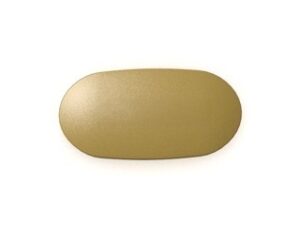
Copegus (Ribavirin) – Patient-Friendly Medicine Information (Australia)
Copegus is a brand of ribavirin, an antiviral medicine used in certain viral infections. This guide is designed to help you understand how Copegus works, how it is commonly taken, and the key safety information you should know. It is written for patients and caregivers in Australia and uses general medical information to support informed discussions with healthcare professionals.
Important: Medicines such as Copegus are not suitable for everyone. Your doctor or treating team will decide if it is appropriate for you based on your condition, medical history, and other medicines you may be taking.
1) Basic Product Information
- Medicine name: Copegus
- Generic name: Ribavirin
- Medicine type: Antiviral (nucleoside/guanosine analogue)
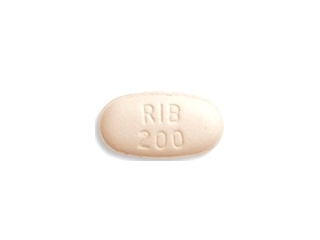
- Common forms: Tablets (strengths vary by product/availability)
- How it is usually supplied: Packaged for oral use
- Therapeutic area: Viral infections (most notably certain hepatitis C treatment regimens)
Availability can vary by region and supply conditions. Your Australian pharmacy can confirm the exact product form and strength available at the time of ordering.
2) Indications: What Copegus Is Used For
Ribavirin-containing regimens have been used for chronic hepatitis C in combination with other medicines, depending on the genotype, prior treatment history, and the specific regimen used. In modern practice, many hepatitis C treatments now use direct-acting antivirals with or without ribavirin depending on clinical factors.
Common clinical use:
- Chronic hepatitis C as part of a combination antiviral regimen (the exact combination depends on your individual case and the current treatment protocol).
Not used for:
- Many other viral infections where ribavirin is not the standard of care.
- Self-treatment of viral illnesses without medical assessment.
3) How Copegus Works (Mechanism of Action)
Ribavirin is an antiviral that affects viral replication through multiple mechanisms. While the precise pathway can vary by virus and treatment context, ribavirin is believed to:
- Interfere with viral RNA synthesis, reducing the production of new viral particles.
- Increase errors in viral genetic material, making it less able to replicate effectively.
- Modulate immune responses that may help the body control infection.
Because ribavirin can work in different ways, it is often used as part of a combination approach to improve the chance of achieving viral clearance.
4) Typical Use and Treatment Approach
Ribavirin is usually taken as part of a combination therapy plan. The overall treatment schedule and duration are determined by your healthcare professional based on:
- Your diagnosis (e.g., hepatitis C status and treatment history)
- Your genotype (if relevant to the regimen)
- Whether you have cirrhosis or other liver complications
- Your kidney function and blood counts
- Other medicines you take
Key principle: Do not start, stop, or change dosing on your own. If side effects occur, dose adjustments may be needed, but these decisions should be guided by your treating team.
5) Timing: When to Take Copegus
Ribavirin is typically taken with food to improve tolerability and absorption. If your regimen involves multiple daily doses, try to take them at roughly equal intervals throughout the day.
- Consistency matters: take each dose at the same times daily if possible.
- With meals: taking with food may reduce stomach upset.
- Missed dose: if you miss a dose, take it when you remember on the same day. If it is near the time of the next dose, skip the missed dose—do not double up. Follow your clinician’s instructions for missed doses.
If you miss several doses or have trouble taking them: contact your healthcare professional or pharmacist for guidance.
6) Food Interactions and Absorption
Taking ribavirin with food is generally recommended. Food can improve absorption and help reduce gastrointestinal side effects.
- Take with a meal: include something to eat when you take your dose.
- Avoid taking on an empty stomach: this may increase nausea or make effects less predictable.
- Hydration: maintain adequate fluid intake unless you have been advised to restrict fluids for another medical reason.
If you have ongoing nausea, vomiting, or cannot eat reliably, seek advice promptly, because consistent dosing is important for effectiveness and safety.
7) Alcohol Interactions
While ribavirin does not have a simple “avoid alcohol at all costs” pharmacology the way some medicines do, alcohol can worsen liver disease and may increase the risk of complications during treatment, especially for people with hepatitis C or liver impairment.
- Avoid alcohol: this is usually the safest approach during hepatitis C treatment and particularly if you have any degree of liver scarring.
- Ask your clinician: if you currently drink regularly, discuss a safe plan to reduce or stop.
Practical tip: if you need help reducing alcohol intake, ask your GP or local support services—small steps can make a big difference.
8) Medicine Interactions (What to Watch For)
Ribavirin can interact with other medicines, affecting blood counts or drug levels. Some interactions may be significant enough to require careful monitoring or dose adjustments.
Always tell your pharmacist and doctor about:
- All prescription medicines
- Over-the-counter medicines (including cold/flu remedies)
- Herbal products and supplements
- Any history of blood disorders
- Kidney problems
Examples of interaction concerns (not a complete list):
- Medicines that affect blood cells: ribavirin can contribute to anaemia. Combining with other medicines that reduce red blood cells or affect bone marrow may increase risk.
- Antivirals and certain hepatitis medications: depending on the combination regimen, your treating team will manage compatible therapy and monitoring.
- Immunomodulators: if relevant to your treatment plan, combination effects may influence tolerability and monitoring needs.
- Kidney-excreted medicines: ribavirin is cleared partly through the kidneys, so interactions that affect kidney function can matter.
Do not start or stop other medicines without advice. If you need a new medicine (for example, for pain, infection, or allergies), check with your pharmacist for interaction screening.
9) Pharmacokinetics: How the Body Handles Copegus
Understanding pharmacokinetics can help explain why monitoring and adherence are important.
- Absorption: ribavirin is absorbed after oral dosing; taking with food can increase the amount absorbed.
- Distribution: it distributes throughout the body and can accumulate in certain tissues.
- Metabolism: ribavirin is metabolised via pathways that involve phosphorylation and other biochemical steps. It does not rely solely on one liver enzyme, which can reduce some types of metabolic drug interactions, but interactions can still occur.
- Elimination: ribavirin is eliminated primarily through the kidneys. Reduced kidney function can increase exposure.
- Half-life: ribavirin has a prolonged terminal half-life, which means it remains in the body for a long time after stopping. This is one reason pregnancy avoidance and contraceptive precautions are particularly important.
Because ribavirin exposure may increase with reduced kidney function and because it persists in the body, regular blood tests (commonly full blood count and kidney function tests) are an important part of safe use.
10) Dosing: General Information and Why It May Differ
Dosing for ribavirin depends on the specific regimen and clinical factors, including body weight and kidney function. Exact dose and duration should be confirmed by your healthcare professional.
General dosing considerations:
- Weight-based dosing is often used in many ribavirin regimens.
- Kidney function: people with impaired renal function may need dose adjustments due to reduced clearance and higher risk of anaemia.
- Blood test monitoring: dosing may be reduced or temporarily stopped if significant anaemia occurs.
- Combination regimen: ribavirin is usually paired with other antivirals; the total plan determines the course.
Important: This website content does not provide a personalised dose. Your clinician will specify your dose schedule and how long you should take it.
11) Safety Profile: What Side Effects to Expect
Ribavirin can cause side effects, and some require urgent attention. Many side effects are manageable with supportive care and dose adjustments; however, close monitoring is essential.
Common side effects
- Haemolytic anaemia (a drop in red blood cells) – may cause fatigue, weakness, shortness of breath, or dizziness
- Fatigue
- Headache
- Nausea and reduced appetite
- Sleep disturbances
- Rash or dry skin
- Shortness of breath (especially if anaemia develops)
Less common but important side effects
- Severe anaemia requiring urgent medical review or dose adjustment
- Significant depression or mood changes (seek help promptly)
- Allergic reactions such as swelling of the face/lips or difficulty breathing
- Eye or visual disturbances (report promptly)
- Worsening liver-related symptoms (yellowing of skin/eyes, dark urine, severe abdominal pain)
Seek urgent medical help if you experience
- Chest pain, fainting, or severe shortness of breath
- Signs of severe allergic reaction (hives with swelling, breathing difficulty)
- Severe weakness or symptoms of significant anaemia
- Severe mood changes, suicidal thoughts, or unusual behaviour
Monitoring typically includes: regular full blood counts and liver/kidney function tests, with additional checks if symptoms develop.
12) Practical Use Tips for Patients
- Take with food: this can reduce nausea and improve tolerability.
- Stay consistent: take doses at the same times each day.
- Keep appointments for blood tests: anaemia and other changes may be silent early.
- Manage fatigue: pace activities and rest when needed.
- Use contraception correctly: ribavirin can cause harm to an unborn baby; strict pregnancy prevention measures are essential (see below).
- Report symptoms early: early intervention can prevent complications.
Pregnancy prevention is critical: Ribavirin can cause birth defects and harm an unborn baby. It is vital to follow healthcare instructions for contraception and pregnancy testing. Discuss your specific situation (including partner pregnancy plans) with your treating team.
13) Pregnancy, Fertility, and Breastfeeding Considerations
Ribavirin must not be used during pregnancy due to significant risk to the developing foetus. People who can become pregnant and their partners must use effective contraception during treatment and for a defined period after stopping, as advised by their healthcare provider.
- Women who are pregnant or attempting to conceive: discuss immediate alternatives with your healthcare professional.
- Men taking ribavirin: contraception precautions may also be required because ribavirin can remain in the body for a prolonged time.
- Breastfeeding: discuss risks and guidance with your healthcare provider; decisions should be individualised.
If you think pregnancy could occur, contact your treating team urgently for guidance on next steps and testing.
14) Recent Guidance and Australian Market/Legal Context
In Australia, antiviral treatment for hepatitis C has evolved rapidly with the introduction of direct-acting antivirals and changing guideline recommendations. Ribavirin use today may be more targeted than in earlier years, depending on the regimen and patient characteristics.
Key points relevant to Australia:
- Guidelines: Treatment decisions for hepatitis C in Australia follow national and specialist guidance, which can change based on evidence and availability.
- Medicines regulation: Copegus/ribavirin is regulated under Australian medicines frameworks and may require prescription-only handling and adherence to Australian dispensing rules.
- Safety monitoring: Blood test monitoring and contraception requirements are strongly emphasised in clinical practice.
Recent practice trends: Many patients are now treated with ribavirin-sparing regimens when appropriate; however, ribavirin may still be included for certain clinical scenarios as determined by the treating team.
15) Delivery and Availability in Australia
Availability of Copegus can fluctuate due to manufacturing and supply chain factors. An online pharmacy can confirm:
- Whether Copegus is currently in stock
- The available tablet strength and pack size
- Estimated delivery time within Australia
- Any cold-chain requirements (ribavirin tablets typically do not require refrigeration, but storage instructions on the pack should always be followed)
How delivery typically works: after order confirmation, your parcel is dispatched to your nominated Australian address. You may receive tracking information where available.
Storage: store tablets according to the instructions on the packaging, usually in a cool, dry place away from moisture and direct sunlight.
16) Alternative Options
Because ribavirin is often used as part of a combination strategy for hepatitis C, alternatives may include other antiviral medicines or ribavirin-sparing regimens.
Possible alternatives (depending on your situation):
- Direct-acting antiviral (DAA) regimens commonly used for hepatitis C care (selection depends on genotype, prior treatment, and liver status)
- Regimen modifications that omit ribavirin for appropriate patients
- Supportive care to manage side effects and improve tolerability during treatment
Your doctor can explain which option is best for you and whether ribavirin is necessary in your particular regimen.
17) FAQ – Copegus (Ribavirin)
1. What is Copegus used for?
Copegus (ribavirin) is an antiviral medicine used in certain treatment regimens for viral infections, most commonly as part of combination therapy for chronic hepatitis C depending on the clinical situation and the regimen chosen by your healthcare provider.
2. How should I take Copegus?
Ribavirin is usually taken by mouth with food to improve tolerability and absorption. Take doses at consistent times daily as directed. Do not change your dose schedule without medical guidance.
3. What should I do if I miss a dose?
If you miss a dose, take it when you remember on the same day. If it’s close to the time of your next dose, skip the missed dose. Avoid taking a double dose. Follow your clinician’s instructions if they differ based on your regimen.
4. What are the most common side effects?
The most common issues include anaemia (which can cause fatigue or shortness of breath), headache, nausea, and tiredness. Many side effects are monitored and managed with routine blood tests and treatment adjustments when needed.
5. Why are blood tests important?
Ribavirin can affect blood counts (particularly red blood cells) and kidney-related drug clearance. Regular monitoring helps detect problems early so your treatment can be adjusted safely.
6. Can I drink alcohol while taking Copegus?
It’s generally recommended to avoid alcohol, especially if you have hepatitis C or liver scarring, because alcohol can worsen liver health and overall outcomes.
7. Are there any major medicine interactions?
Yes. Ribavirin can interact with other medicines, especially those affecting blood cells or kidney function. Tell your pharmacist and clinician about all medicines and supplements before starting treatment.
8. Who should not take Copegus?
People who are pregnant or who have specific conditions that make ribavirin unsafe (such as certain severe blood disorders) may not be suitable. Your healthcare team will assess suitability based on your medical history and current tests.
9. Does ribavirin affect pregnancy?
Yes. Ribavirin can cause birth defects and harm an unborn baby. Strict pregnancy prevention measures are required for people who can become pregnant and their partners. Ask your healthcare provider for specific contraception and pregnancy-testing timelines.
10. How long does ribavirin stay in the body?
Ribavirin can remain in the body for a prolonged time after stopping due to its long terminal half-life. This is why contraception precautions extend beyond the last dose, as directed by your healthcare provider.
18) Summary Table: Key Things to Remember
| Topic | What to know |
|---|---|
| What it is | Copegus is ribavirin, an oral antiviral medicine used in certain combination regimens (commonly for chronic hepatitis C). |
| How it works | Helps disrupt viral replication and can influence immune responses, improving the overall effect of combination therapy. |
| How to take it | Typically taken with food and at consistent times each day. |
| Why monitoring is needed | Ribavirin may cause anaemia and depends on kidney clearance; blood tests help keep treatment safe. |
| Alcohol | Generally avoid alcohol, particularly with hepatitis C or liver disease. |
| Interactions | Can interact with other medicines and supplements—always check with your pharmacist. |
| Pregnancy precautions | Can cause birth defects; strict contraception and timing rules apply to protect against pregnancy exposure. |
Disclaimer: This information is intended to support patient education and does not replace advice from your doctor or pharmacist. If you have any questions about Copegus, side effects, or how it fits into your overall treatment plan, speak with a qualified healthcare professional.