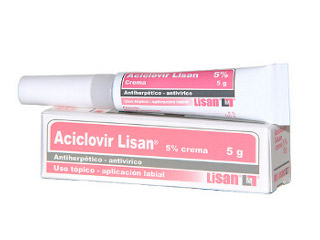

Acyclovir Cream 5% (Topical Antiviral)
Acyclovir cream 5% is a topical antiviral medicine used to treat outbreaks caused by certain herpes viruses. It is designed to help relieve symptoms and shorten healing time when used correctly and early. In Australia, acyclovir creams are commonly used for conditions such as cold sores (herpes labialis) and other limited, doctor-guided herpes skin infections.
This guide is written to be patient-friendly and to help you understand how acyclovir cream works, how to use it safely, what to expect, and when to seek further advice.
Key product information
| Item | Details |
|---|---|
| Active ingredient | Acyclovir |
| Strength | 5% w/w (topical cream) |
| Type | Antiviral medicine for topical use |
| Common uses | Cold sores (herpes labialis) and select topical herpes skin infections |
| How it’s applied | Small amount to affected area, typically 5 times daily during waking hours |
| Most effective when | Started as early as possible—at the first signs of an outbreak |
How acyclovir cream works (mechanism of action)
Acyclovir is an antiviral that works by interfering with viral DNA replication. After the cream is applied to affected skin, acyclovir is taken up by virus-infected cells more effectively than uninfected cells. Within infected cells, it becomes converted to an active form that blocks the virus from copying its genetic material.
This helps reduce the ability of herpes viruses to multiply in the skin cells during an outbreak, which can:
- Decrease duration of symptoms in some people
- Promote faster healing
- Reduce the time the area remains active and contagious
What are the pharmacokinetics?
Pharmacokinetics describes how a medicine is absorbed, distributed, metabolised, and eliminated by the body. With topical acyclovir cream, only a small amount is absorbed through the skin under typical use conditions.
- Absorption: Generally low when applied to intact skin; absorption may increase if applied to large areas, severely damaged skin, or under occlusive dressings.
- Distribution: Because systemic absorption is limited, most activity occurs locally in the treated area.
- Metabolism: Acyclovir is minimally metabolised in comparison with its elimination through the kidneys.
- Elimination: Any absorbed acyclovir is primarily eliminated via the kidneys.
In most people, these features result in a low likelihood of whole-body effects from the cream when used as directed.
Typical use in Australia
Acyclovir cream 5% is commonly used for outbreaks caused by herpes simplex viruses, particularly cold sores on the lips or around the mouth (herpes labialis). It may also be used for certain other herpes-related skin lesions depending on the product instructions and local clinical guidance.
Important note: Herpes outbreaks can look similar to other skin conditions. If you are unsure what the lesion is, or if it keeps recurring frequently, seek medical advice.
Indications (when acyclovir cream may be appropriate)
Acyclovir cream 5% is indicated for the topical treatment of herpes infections of the skin and mucosal areas such as cold sores, particularly when started early in the outbreak. Your pharmacist or prescriber can help confirm suitability for your symptoms.
You should not use the cream inside the mouth, eyes, or on genitals unless specifically instructed for that purpose by a healthcare professional.
When to start and timing for best results
Timing strongly influences effectiveness. For cold sores, the earliest signs can include tingling, burning, itching, or redness before blisters appear. Start treatment at the first sign of an outbreak.
Recommended timing (typical)
- Start: as soon as you notice symptoms (e.g., tingling or redness)
- Frequency: commonly 5 times daily (for example, every 4 hours while awake)
- Continue: for the full course stated in the product instructions or until the lesion heals (whichever is appropriate)
- Wash hands: before and after applying to prevent spreading
If you begin treatment after the lesion has progressed significantly, the cream may be less effective in shortening the outbreak. Still, it may help some people—however, if there is no improvement, seek advice.
Dosing instructions (how much and how often)
Dosing depends on the product instructions. A common approach for cold sores is to apply a thin layer to the affected area.
General dosing guidance
- Amount: apply a thin film to cover the lesion and surrounding area as directed
- Frequency: typically 5 times per day
- Duration: usually several days per course; continue until healing unless advised otherwise
How to apply correctly
- Wash your hands with soap and water.
- Gently clean the lesion if needed and pat dry.
- Apply a small amount of cream evenly over the affected area.
- Avoid touching the lesion after application as much as possible.
- Wash your hands again after use.
If you wear contact lenses, avoid getting cream near the eyes. If the cream accidentally gets into the eye, rinse with water and seek advice.
Food interactions
Because acyclovir cream is applied to the skin, it has minimal systemic absorption for most people, so food interactions are not typically expected. Unlike oral antivirals, there is no routine need to coordinate with meals.
However, if you are using additional acyclovir products by mouth or another antiviral medication, follow the instructions provided for those specific medicines.
Alcohol and medicine interactions
Topical acyclovir cream has limited whole-body absorption, so interactions with alcohol are unlikely. Still, it’s wise to consider the broader context of your health and other medicines.
Alcohol
- Topical acyclovir: no known direct interaction with alcohol for typical use.
- General considerations: alcohol may worsen dehydration or reduce sleep, which can indirectly affect recovery for some people.
Interactions with other medicines
For topical acyclovir cream, significant interactions are not expected in typical use. Still, consider the following:
- Other topical products: avoid applying multiple products over the same area unless directed, as this can irritate skin or dilute the medicine.
- Skin irritation: if you develop redness, burning, or rash, stop and seek advice.
- Kidney concerns: systemic absorption is usually low. If you have serious kidney disease and are using other acyclovir-containing products, consult a healthcare professional.
Safety profile and possible side effects
Most people tolerate acyclovir cream well. As with all medicines, side effects can occur. Many effects are mild and local to the application site.
Common or local side effects
- Mild stinging or burning at the application site
- Dryness or flaking of the skin
- Redness or irritation
Less common
- Allergic skin reactions (e.g., itching, rash, swelling)
- Worsening symptoms after application
When to stop and seek medical advice urgently
- Swelling of the face, lips, or throat
- Severe or rapidly spreading rash
- Difficulty breathing
- Eye involvement with pain or vision changes
Important precautions
- Avoid eyes and inside the mouth: do not apply to eyes or in the eye area unless specifically instructed.
- Do not bandage or occlude: unless advised, covering may increase absorption and irritation.
- Immunocompromised individuals: if you have a weakened immune system, more serious herpes infections can occur—seek professional advice early.
- Children: use in children should follow the specific product instructions and healthcare advice.
- Pregnancy and breastfeeding: topical use typically results in low systemic exposure, but it’s best to seek medical guidance if you are pregnant or breastfeeding.
Practical use tips for best outcomes
- Start early: treat at the first tingling or redness stage.
- Apply thinly: more cream doesn’t necessarily work faster and may increase irritation.
- Keep the area clean: gently wash and dry before applying if needed.
- Avoid sharing items: don’t share lip balm, utensils, razors, or towels during an outbreak.
- Hand hygiene: wash hands before and after touching the lesion.
- Avoid picking: picking scabs can delay healing and increase infection risk.
- Sun protection: for many people, sunlight triggers cold sores—use lip balm with SPF when appropriate.
- Consider triggers: stress, poor sleep, illness, and friction can contribute to outbreaks.
What to expect during treatment
With correct early use, many people notice improvement in discomfort and the lesion progresses to healing sooner. Healing time varies depending on the severity of the outbreak and individual factors.
- You may feel less burning or tingling as the antiviral begins to work.
- Blisters may still form if treatment is started very late.
- Crusting and healing typically follow after the active phase.
If symptoms worsen, you develop extensive lesions, or there is no improvement after several days, contact a healthcare professional.
Alternative options
Depending on the type and severity of your herpes outbreak, alternatives may include other topical antivirals, protective barrier products, or oral antiviral medicines in specific circumstances.
Common alternative approaches
- Other topical antivirals: depending on availability and brand—discuss with your pharmacist for the best match to your needs.
- Barrier and soothing products: moisturisers or occlusive gels may help protect the area and reduce discomfort (they do not replace antiviral treatment).
- Oral antiviral treatment: may be considered for frequent outbreaks, severe disease, or high-risk individuals (determined by a clinician).
- Symptom relief: pain relief options may be considered for discomfort if appropriate for you.
For frequent or severe outbreaks, it can be helpful to discuss long-term prevention strategies and trigger management with a healthcare professional.
Market and legal context for Australia
Medicines in Australia are regulated under the Therapeutic Goods Administration (TGA) framework. Product availability, labelling, and usage directions must align with the approved indications and conditions of supply.
Acyclovir cream 5% is typically supplied with clear consumer instructions for safe use and may be available through pharmacy channels. Online purchases should be made from legitimate Australian pharmacy retailers where possible.
Always check the product packaging for:
- the exact indication for that specific brand
- dose and frequency instructions
- expiry date
- warnings and contraindications
Recent guidance and clinical considerations (Australia)
Current clinical guidance generally emphasises:
- Early treatment: antiviral benefit is greatest when started at the first signs of an outbreak.
- Accurate diagnosis: herpes lesions can be confused with other skin conditions, so persistent or unusual lesions may require assessment.
- Hygiene and transmission prevention: cold sores are contagious; reduce contact and avoid sharing personal items.
- Escalation if severe: immunocompromised people or severe/recurrent disease may require a different management plan.
Specific recommendations may vary by health status, age, and the product’s approved directions. For personalised advice, speak with your pharmacist or doctor.
Delivery and availability (online pharmacy)
Acyclovir cream 5% is typically available through pharmacy supply chains and may be delivered to eligible Australian addresses. Availability can vary by brand and stock levels.
- Dispatch: most orders dispatch within 1–2 business days (subject to stock and verification processes).
- Delivery times: vary by postcode and courier service.
- Storage: store the cream according to label instructions (commonly below 25°C, away from direct heat and sunlight).
Check the product page for current delivery estimates and to confirm the exact brand strength and formulation.
Frequently asked questions (FAQ)
1) Does acyclovir cream prevent cold sores or just treat them?
Acyclovir cream 5% is primarily used to treat an outbreak when started early. Some prevention strategies exist (including lifestyle management and, for certain people, medicines taken differently), but the cream is not typically used as a general prevention method unless instructed.
2) How soon should I apply the cream?
Apply it at the first sign of an outbreak—often tingling, burning, itching, or redness before blisters appear. Starting late may reduce how much it helps.
3) Can I put makeup or sunscreen on top of the cream?
It’s generally better to allow the cream to absorb and keep the area clean. If you use cosmetics, apply them only after the cream has been absorbed and if the area isn’t irritated. Avoid products that sting or cause further discomfort.
4) Can I use the cream on my nose or around the mouth?
Many cold sores occur around the mouth and lips. Use the cream only on the affected area as described in the product instructions. Avoid eyes. If you’re unsure whether your lesion is suitable for topical acyclovir, consult a pharmacist.
5) Is it safe for children?
Safety depends on the child’s age and the product’s directions. Always follow the label instructions and seek professional advice if you are treating a child.
6) What if I’m immunocompromised?
People with weakened immune systems can be at higher risk of complications. Seek medical advice early, especially if outbreaks are severe, widespread, or not improving.
7) What if the sore doesn’t heal?
If the lesion persists beyond the expected healing timeframe, becomes more painful, spreads, bleeds repeatedly, or looks unusual, you should get medical advice.
8) Can I use it during pregnancy or while breastfeeding?
Topical use typically results in low systemic absorption. However, because individual situations vary, check with your healthcare provider for guidance.
9) Does it interact with other medicines I take?
Significant interactions are not expected with topical use for most people. If you use other antivirals (including oral acyclovir) or you have kidney problems, speak to a healthcare professional for tailored advice.
10) Can I drink alcohol while using the cream?
No direct interaction is expected with topical acyclovir. Still, overall health habits—hydration and adequate rest—may influence recovery.
11) How do I avoid spreading the virus?
Cold sores can spread through direct contact. Use the following precautions:
- Avoid kissing and oral sex when you have an active cold sore.
- Don’t share cups, utensils, lip balm, towels, or razors.
- Wash hands frequently, especially after touching the lesion.
- Avoid touching the sore and then touching your eyes.
12) Can I use the cream if I wear contact lenses?
Yes, but avoid getting cream near the eyes. Wash hands carefully after each application.
Summary
Acyclovir cream 5% is a topical antiviral used to treat herpes outbreaks such as cold sores. It works locally by disrupting viral replication in infected cells. Because it is applied to the skin, systemic absorption is typically low. For best results, start treatment early—at the first signs of an outbreak— and apply the cream as directed with good hygiene practices to reduce spread.
If you have severe symptoms, a weakened immune system, eye involvement, or lesions that do not heal as expected, seek medical advice promptly.