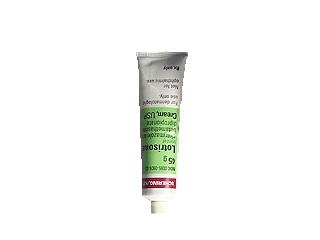
Lotrisone® (Betamethasone / Clotrimazole) – Cream for Fungal Skin Infections
Lotrisone® is a combination medicine used on the skin for certain fungal (yeast or dermatophyte) infections. It contains two active ingredients:
- Clotrimazole (an antifungal)
- Betamethasone (a corticosteroid that reduces inflammation and itching)
This product is commonly considered when a fungal infection causes significant redness, swelling, itch, or discomfort and where a clinician has determined that both antifungal and anti-inflammatory treatment are appropriate for the affected area.
Important: Always use medicines exactly as directed by your healthcare professional or the product label. If you are unsure whether your skin problem is fungal, seek advice—steroid-containing creams can worsen certain infections if used incorrectly.
Basic product information
- Brand: Lotrisone®
- Active ingredients: Betamethasone + Clotrimazole
- Dosage form: Topical cream
- Common use: Skin fungal infections with inflammation (e.g., tinea, some candidal infections) as advised
- Who it’s for: Adults and, in some cases, children depending on local prescribing/label guidance
Because formulations and strengths can vary by country and product type, check the package for the exact strength and follow the instructions provided.
How Lotrisone works (mechanism of action)
Lotrisone combines an antifungal and an anti-inflammatory steroid to relieve symptoms and treat the cause.
| Component | Main action | What you may notice |
|---|---|---|
| Clotrimazole | Stops fungal growth by interfering with the fungal cell membrane (reducing ergosterol availability). | Gradual improvement in rash, scaling, and spread. |
| Betamethasone | Reduces inflammation, itching, and redness by suppressing inflammatory pathways in the skin. | Faster symptom relief (itch and redness may improve sooner than the infection clears). |
Key point: While betamethasone can reduce symptoms quickly, the fungal infection still needs adequate antifungal treatment to prevent recurrence.
Pharmacokinetics (what happens in the body)
Lotrisone is applied to the skin. In most people, only a small amount of the active ingredients are absorbed through intact skin. Absorption can increase if:
- The skin barrier is damaged (e.g., cracking, oozing, or extensive fungal involvement)
- It is applied to large areas
- It is used under occlusion (covered with airtight dressings or tight bandages)
- It is used for longer than recommended
Corticosteroid absorption may affect the body more than clotrimazole when used over large areas or for prolonged periods, potentially increasing the risk of steroid-related side effects.
The metabolism and elimination of absorbed drug occurs mainly through normal body processes (liver metabolism and excretion), but the extent depends on how much is absorbed.
Typical use and when it’s appropriate
Lotrisone is typically used for certain fungal skin infections that have prominent inflammatory symptoms such as:
- Redness and swelling
- Itching and irritation
- Rash with scale or border changes
It may be considered for conditions such as:
- Tinea corporis (ringworm of the body)
- Tinea cruris (jock itch)
- Tinea pedis (athlete’s foot) in appropriate cases where inflammation is present
- Candidal intertrigo (fungal overgrowth in skin folds) when clinically diagnosed
Not for all rashes: Many skin conditions look similar—eczema, psoriasis, bacterial infections, scabies, or contact dermatitis can mimic fungal patterns. If you’re not confident the cause is fungal, check with a pharmacist or clinician before using a steroid-containing product.
Timing: when to apply and how soon you may see results
Lotrisone is usually applied to the affected area and often also a small surrounding margin (as directed) to cover where fungus may be present.
- Start: Apply at the first sign of the characteristic rash, but only when fungal infection is likely or confirmed.
- Symptom relief: Redness and itching may improve within a few days due to the corticosteroid component.
- Fungal clearance: Visible rash and scaling typically take longer to fully settle.
- Finish the course: Continue for the recommended duration even if you feel better, unless advised otherwise.
Do not stop early just because itching has settled—fungal infections can relapse when treatment is stopped too soon.
Food interactions
Lotrisone is a topical medicine. Systemic absorption is usually low, so food interactions are not expected. You do not typically need to change your diet while using this cream.
If you have a complex medical history, are pregnant, breastfeeding, or using other medicines, it’s still wise to discuss with a pharmacist.
Alcohol and medicine interactions
Alcohol: There is generally no direct alcohol interaction expected with a skin cream like Lotrisone. However, if you develop skin sensitivity or a rash elsewhere, seek advice.
Other medicines (important): Interactions are unlikely because topical absorption is limited, but consider the following:
- Other skin products: Avoid applying other strong topical treatments (e.g., other steroid creams, strong antiseptics) to the same area unless directed.
- Occlusion and dressings: Avoid airtight coverings unless specifically advised—this can increase absorption.
- Kidney/liver disease: With normal topical use, risk is low, but prolonged or extensive use may increase systemic steroid exposure.
- Immunosuppression: People with immune system problems may require different evaluation if infections are recurrent or severe.
If you’re using other medicines—especially other corticosteroids—tell your pharmacist for tailored guidance.
Indications (what it is used for)
Lotrisone is indicated for fungal skin infections where both:
- An antifungal effect is needed to treat the fungus; and
- Inflammation and itch are prominent and require anti-inflammatory action.
It should be used based on clinical assessment of the rash. Because it contains a potent steroid, it is not a general “all-purpose” cream for every itchy or red rash.
Dosing and practical directions
Always follow the instructions on the product label or from your healthcare professional. The following is general guidance for topical use.
How much to apply
- Apply a thin layer to the affected area and the immediate surrounding skin.
- Use enough to cover the rash evenly, without over-applying.
How often
- Commonly applied once or twice daily depending on the condition and product instructions.
- Choose consistent application times to maintain regular dosing.
How to apply safely
- Wash and dry the area before applying.
- Wash your hands after application (unless treating your hands).
- Do not apply to broken skin unless advised.
- Do not bandage tightly or use airtight occlusive dressings.
- Remove clothing that traps moisture in areas like the groin when possible.
How long to use
- Use for the shortest effective duration as directed.
- If there is no improvement within about 1–2 weeks, stop and seek advice—this may indicate misdiagnosis, antifungal resistance, or a different condition.
- If the rash clears, treatment is generally completed; restarting repeatedly without diagnosis increases the risk of steroid side effects.
Pro tip: Even after improvement, maintaining hygiene and moisture control helps reduce recurrence (see “Practical use tips” below).
Safety profile and possible side effects
Like all medicines, Lotrisone can cause side effects. Many are mild and related to local skin reactions.
Common local effects
- Mild burning or stinging sensation
- Dryness or irritation
- Skin redness or sensitivity at the application site
Less common but important risks
- Skin thinning or stretch marks (more likely with frequent/prolonged use)
- Changes in skin colour (hypo-/hyperpigmentation)
- Worsening of the infection if the rash is not fungal or if fungal infection is not fully treated
- Allergic contact dermatitis (itch, swelling, worsening rash)
When to seek urgent medical advice
- Rapidly spreading redness, severe pain, pus, fever, or feeling unwell
- Swelling of face/lips, breathing difficulties, or widespread hives (possible allergy)
- Rash near the eyes or eyelids
- No improvement or worsening after starting treatment
Special considerations
- Children: Steroid absorption and side effects can be greater in children. Use only under appropriate guidance.
- Pregnancy and breastfeeding: Discuss with a healthcare professional before use, especially on large areas or for extended periods.
- Large body areas / broken skin: Increased absorption can increase steroid-related effects.
- Facial use: Avoid unless specifically advised. The face is more sensitive to steroid side effects.
- Genital and intertriginous areas: Use carefully and as directed; these areas can be more prone to irritation and moisture-related recurrence.
Practical use tips for best results
Proper technique and hygiene are often just as important as the cream itself.
- Keep the area dry: Fungal infections thrive in moisture. Wear breathable underwear/clothing.
- Don’t share towels: Use separate towels and wash them regularly.
- Wash bedding and clothing: Especially if treating tinea in groin/feet—follow laundry instructions.
- Treat footwear and socks: For athlete’s foot, rotate shoes and consider antifungal measures for socks.
- Avoid scratching: Scratching can spread spores to other body areas.
- Check for “feet to groin” spread: Many people get reinfection from untreated athlete’s foot.
- Continue after improvement: Don’t stop early if the prescribed duration isn’t complete.
- Clean application: Use clean hands; avoid touching the tube opening to prevent contamination.
Alternative options (depending on the diagnosis)
Alternative treatments depend on which organism is causing the rash and how inflamed it is.
Antifungal-only options (often considered when inflammation is mild)
- Topical azoles (e.g., clotrimazole alone, miconazole, ketoconazole depending on availability)
- Allylamines (e.g., terbinafine) which may be used for some dermatophyte infections
Anti-inflammatory options (when fungal infection is not present)
- Non-steroid or different topical approaches may be preferred if the rash is eczema/dermatitis rather than fungal.
Other considerations
- If the infection is extensive, recurrent, or resistant, doctors may use systemic (tablet) antifungals rather than topical therapy.
- If bacterial infection is suspected (e.g., honey-coloured crusts), antifungal creams may not be sufficient.
Why alternatives matter: Using a steroid-containing combination when the rash is not fungal can delay proper treatment and make the condition worse.
Lotrisone in the Australian market: legal and guidance context
In Australia, medicines are regulated by the Therapeutic Goods Administration (TGA). Product availability can vary between brands, pack sizes, and whether a medicine is listed as over-the-counter or available via prescription.
Lotrisone has historically been managed as a prescription medicine in many settings due to the presence of a corticosteroid and the need for correct diagnosis and safe use. Availability on any specific online pharmacy site may depend on current Australian scheduling rules, prescriber requirements, and stock status.
Recent guidance themes in Australia and internationally that are relevant to combination steroid/antifungal creams include:
- Confirm the diagnosis: Many rashes are misidentified as fungal.
- Use steroid-containing treatments cautiously: Steroids can worsen some fungal conditions and mask symptoms of other infections.
- Short courses: Use the shortest effective duration to reduce steroid-related adverse effects.
- Seek assessment for non-response: Lack of improvement after a typical timeframe suggests reassessment.
For the most up-to-date product classification and instructions, always refer to the medicine label and current pharmacy guidance in your state/territory.
Delivery and availability (how online pharmacies typically supply)
Online pharmacy delivery in Australia commonly includes:
- Standard delivery to most metro areas
- Express options in some locations
- Secure packaging to protect creams from heat and leakage
Availability may vary based on demand and local distribution. If Lotrisone is temporarily out of stock, the pharmacy may offer a suitable alternative based on diagnosis and availability.
Storage: Keep the cream in a cool, dry place. Avoid excessive heat and store according to the package instructions. Keep out of reach of children.
FAQ about Lotrisone (Betamethasone / Clotrimazole)
1) What is Lotrisone used for?
Lotrisone is a cream used to treat certain fungal skin infections where inflammation and itch are prominent. It works by combining an antifungal (clotrimazole) with an anti-inflammatory steroid (betamethasone).
2) How quickly will it work?
Itching and redness may improve within a few days. However, the fungal infection can take longer to fully clear. Complete the recommended course to reduce recurrence.
3) Can I use Lotrisone for any itchy rash?
No. Not all itchy or red rashes are fungal. Using a steroid-containing cream on the wrong condition can worsen infections or mask symptoms. If you’re unsure, seek advice.
4) Where should I apply it?
Apply to the affected skin and a small surrounding margin as directed. Avoid areas that are specifically not recommended (such as near the eyes) unless instructed by a healthcare professional.
5) Can I cover the treated area with a dressing?
Avoid airtight occlusion unless specifically advised. Tight bandages or waterproof coverings can increase absorption and raise the risk of side effects.
6) What if my rash gets worse?
If the rash spreads, becomes severely painful, oozes, forms pus, or you feel unwell, stop using the cream and seek urgent medical advice.
7) What if there’s no improvement?
If there is no improvement after about 1–2 weeks, reassess the diagnosis and treatment plan with a pharmacist or clinician.
8) Are there any food interactions?
Because Lotrisone is applied to the skin, food interactions are not expected.
9) Can I drink alcohol while using Lotrisone?
There is generally no direct alcohol interaction expected with a topical cream.
10) What can I do to prevent the infection coming back?
Keep the area dry, wear breathable clothing, wash towels and bedding regularly, and treat any related sites (such as athlete’s foot) to prevent reinfection.
Summary
Lotrisone® (betamethasone / clotrimazole) is a topical combination cream designed to treat fungal skin infections with inflammation. Clotrimazole targets the fungus, while betamethasone reduces redness, swelling, and itch. For best results, apply a thin layer as directed, maintain good hygiene and moisture control, and seek reassessment if symptoms don’t improve or the rash worsens.
If you have questions about whether Lotrisone is suitable for your skin condition, a pharmacist can help you understand signs that suggest fungal infection versus other common skin problems.