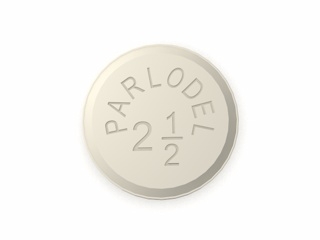


Parlodel® (Bromocriptine) — Patient Information (Australia)
Parlodel® is a medicine containing bromocriptine. It belongs to a group of medicines called dopamine agonists. Bromocriptine is used for several hormone- and brain-related conditions, including problems caused by high levels of prolactin (a hormone made by the pituitary gland).
This page explains how Parlodel works, how it’s typically taken, key safety information, and what to consider with food, alcohol and other medicines. It is written for general education and may not include every personal detail relevant to your situation.
Quick overview
- Active ingredient: Bromocriptine
- Brand name: Parlodel®
- Medicine type: Dopamine agonist
- Main uses: Conditions related to high prolactin, certain reproductive and hormonal disorders, Parkinson’s disease (in selected cases), and other specific indications determined by your clinician
- How it’s taken: Usually by mouth, typically in divided doses depending on the condition
- Common side effects: Nausea, dizziness, headache, fatigue, low blood pressure (especially when starting or increasing dose)
What Parlodel is used for
Parlodel (bromocriptine) may be used for different indications depending on your diagnosis and medical history. Common uses include:
- Hyperprolactinaemia (high prolactin levels), which can cause:
- Irregular or absent periods
- Infertility related to prolactin
- Milk discharge (galactorrhoea) not linked to normal breastfeeding
- Reduced libido
- Prolactin-secreting pituitary adenomas (pituitary tumours that produce prolactin), where treatment helps lower prolactin and may reduce tumour size
- Parkinson’s disease and related movement disorders in selected patients, usually as part of a broader treatment plan
- Conditions in which reducing prolactin is helpful (your clinician may use bromocriptine for a specific scenario based on local prescribing practices and individual factors)
Important: Indications can vary by patient. Always follow the specific directions provided for your situation.
How Parlodel works (mechanism of action)
Bromocriptine is a dopamine agonist. In the brain and pituitary gland, dopamine normally helps regulate the release of prolactin. Parlodel works by activating dopamine receptors, which results in:
- Lowering prolactin levels by reducing prolactin secretion from the pituitary
- Helping restore normal reproductive hormone function in conditions caused by high prolactin
- For Parkinson’s disease, supporting dopaminergic activity that helps improve symptoms such as tremor, stiffness and slowed movement
Pharmacokinetics (how the body processes it)
Pharmacokinetics describes what happens after you take Parlodel—how it is absorbed, processed and eliminated.
- Absorption: Bromocriptine is absorbed after oral dosing. Taking it with food may affect the timing of peak levels and how much of the medicine is absorbed.
- Peak concentration (Tmax): Peak levels typically occur within a few hours after a dose, but this can vary between individuals.
- Distribution: It distributes into body tissues and can affect the central nervous system.
- Metabolism: Bromocriptine is extensively metabolised by the liver, including via CYP3A4 pathways.
- Elimination: The medicine and its metabolites are cleared primarily via bile and faeces.
- Half-life: The apparent half-life varies, reflecting metabolism variability between people and formulations.
What this means for you: Because bromocriptine metabolism involves the liver, the effects of other medicines (especially those affecting liver enzymes) may change how strongly or how long bromocriptine works.
Typical dosing & timing
Dose and schedule depend on the condition being treated, your response, age, and how well you tolerate the medicine. Many regimens start at a low dose and increase gradually to reduce side effects such as dizziness or nausea.
Common principles of dosing
- Start low, go slow: This helps your body adjust.
- Take at consistent times: This can help maintain steadier effects.
- Split doses if advised: Some regimens use divided dosing to improve tolerability.
Timing with food
Bromocriptine can be taken with or without food, depending on your product instructions and clinician advice. In some people, taking it with food may reduce nausea, but it may also alter how quickly it reaches peak effect.
Practical tip: If you feel nauseated after a dose, ask a pharmacist whether taking it with food or at night may help in your specific case.
Food interactions
Food may affect bromocriptine absorption and the time it reaches peak levels.
- Taking with food: May reduce stomach upset for some people.
- Take consistently: To avoid fluctuations, try to take each dose the same way (with or without food) unless advised otherwise.
Fatty meals: In general, high-fat meals can change absorption of some medicines. If your product information advises specific guidance, follow it.
Alcohol and medicine interactions
Alcohol
Alcohol can worsen certain side effects of bromocriptine, such as:
- Dizziness or light-headedness
- Low blood pressure
- Sleepiness or reduced alertness
- Nausea
If you choose to drink alcohol, do so cautiously and avoid driving or operating machinery if you feel affected.
Other medicines
Bromocriptine can interact with other medicines, particularly those that affect dopamine pathways, blood pressure, and liver metabolism.
Examples of medicines/agents that may interact (not exhaustive):
- Antipsychotics and other dopamine-blocking medicines (may reduce bromocriptine’s effect)
- Some antiemetics (medicines for nausea) that act on dopamine receptors may change bromocriptine activity
- Blood pressure medicines (may increase risk of low blood pressure when starting or increasing dose)
- Liver enzyme inhibitors/inducers (via CYP3A4) may increase or decrease bromocriptine levels
- Other medicines that affect alertness (sedatives, certain sleep medicines) may add to drowsiness or impaired coordination
Always tell your pharmacist about all medicines, including over-the-counter products and herbal supplements, so they can check for interactions.
Indications explained: conditions linked to prolactin
Bromocriptine is widely used for situations where prolactin is too high. Prolactin is involved in reproductive health and breast-related functions.
- Irregular periods and fertility problems: High prolactin can interfere with normal ovulation and hormone balance.
- Milk discharge (galactorrhoea): Prolactin can lead to spontaneous or persistent discharge even when not breastfeeding.
- Pituitary adenomas: Treating with bromocriptine can reduce prolactin levels and sometimes shrink the tumour, which may help relieve symptoms caused by mass effect (in some patients).
How long does it take to work?
Some people notice improvement within weeks, while others may take longer. Hormone-related outcomes often follow a course over time, and prolactin levels may be rechecked as part of monitoring.
- Prolactin reduction: Often begins soon after starting, but may take time to normalise.
- Menstrual and fertility effects: May take longer—sometimes several weeks to months.
- Symptoms related to tumour size (if relevant): May improve gradually, guided by clinical review and follow-up testing.
Safety profile & side effects
Common side effects
Side effects vary by dose and individual sensitivity. Early in treatment—especially after dose increases—many people experience:
- Nausea or stomach upset
- Dizziness or feeling light-headed
- Headache
- Fatigue or sleepiness
- Low blood pressure, particularly when standing up (orthostatic hypotension)
Less common but important adverse effects
- Fainting or significant dizziness
- Vomiting or severe nausea
- Hallucinations or confusion (more likely in some vulnerable individuals)
- Movement-related changes or worsening of certain symptoms in Parkinson’s disease context
- Abnormal behaviours and impulse-control issues have been reported with dopamine agonists in some patients
Seek urgent medical help if
Get urgent help or contact emergency services if you experience:
- Chest pain, severe shortness of breath, or signs of stroke (sudden weakness, facial droop, speech trouble)
- Severe allergic reaction (swelling of face/lips, trouble breathing, widespread rash)
- Fainting or severe persistent dizziness
- Severe mental changes (e.g., agitation, confusion, hallucinations that are new or worsening)
Do not stop suddenly without advice. If side effects occur, clinicians may adjust the dose or schedule.
Practical use tips
- Take it the same way each day: If you tolerate it better with food, keep a consistent routine.
- Rise slowly: To reduce dizziness, stand up gradually, especially in the first days of therapy or after dose changes.
- If you miss a dose: Take it when you remember unless it’s close to the next dose. If close, skip the missed dose—don’t double up.
- Track symptoms: Note improvements (e.g., menstrual regularity, galactorrhoea) and side effects. This can help your clinician adjust therapy.
- Adherence matters: Hormone-related conditions may take time; consistent use is important.
- Regular monitoring: Depending on your indication, blood tests (such as prolactin) and follow-up may be required.
Driving, alertness and sleepiness
Bromocriptine may cause dizziness and sleepiness in some people. Dopamine agonists have been associated with sleepiness or sudden onset of sleep in some cases.
- Until you know how Parlodel affects you, use caution when driving or operating machinery.
- If you feel unusually sleepy, avoid driving and seek advice promptly.
Alternative options
Depending on the condition and your medical history, there may be alternative treatments to bromocriptine. Your clinician will decide based on the reason for treatment, side effects, and response.
- Other dopamine agonists: Often used for prolactin-related disorders and pituitary tumours (examples include medicines with similar mechanisms, selected based on availability and tolerability).
- Other hormone-focused treatments: In some cases, other strategies may be considered depending on diagnosis and goals.
- Surgery or radiotherapy (special circumstances): For some pituitary conditions, procedures may be considered when medication isn’t suitable or doesn’t work adequately.
- For Parkinson’s disease: There are multiple medication and non-medication options that may be used in combination.
Note: Alternatives should be chosen with clinical guidance, as the right option depends on diagnosis, severity, and individual risk factors.
Market and legal context in Australia
In Australia, the supply of medicines is regulated under the Therapeutic Goods Administration (TGA) framework and related legislation. Whether a medicine is available only through specific channels depends on its classification and safety considerations.
Parlodel (bromocriptine) is provided in accordance with Australian regulatory requirements, and purchasing/supply pathways must follow applicable laws. Availability can vary by brand, strength, pack size, and supply chain.
Recent guidance and monitoring considerations
Clinical practice for bromocriptine emphasises:
- Careful dose titration to reduce side effects (especially dizziness and low blood pressure)
- Monitoring prolactin levels in prolactin-related conditions
- Reviewing mental/behavioural effects and changes in impulse control in patients taking dopamine agonists
- Assessing risks related to cardiovascular status and blood pressure changes
Because guidance can evolve with new safety data, it’s important to follow the most current advice from your healthcare professional and the medicine’s current product information.
Delivery, availability and how to order online (Australia)
Availability of Parlodel may depend on local stock levels, strength and pack size. Some products may be supplied as branded packs (Parlodel®) while others may appear as generic bromocriptine versions depending on market supply.
- Check stock: Online pharmacies typically display availability and estimated delivery times at checkout.
- Delivery areas: Delivery may be available across major states and territories in Australia, subject to courier networks and schedule.
- Packaging: Medicines are usually dispatched in secure, tamper-evident packaging with clear labelling.
- Storage at home: Store according to the pack instructions (typically in a cool, dry place away from sunlight and moisture).
Tip: If you need your medicine urgently, contact customer support to ask about current dispatch cut-off times.
Safety checklist before you start
Before using Parlodel, it helps to consider the following with a healthcare professional or pharmacist:
- Do you have a history of low blood pressure or fainting?
- Are you pregnant, planning pregnancy, or breastfeeding (if relevant to your condition)?
- Do you take antipsychotics, anti-nausea medicines, or other dopamine-related drugs?
- Do you have significant liver disease or take medicines that affect liver enzymes?
- Do you have a history of impulse-control problems or behavioural changes?
- Do you drink alcohol regularly or have any sleep/alertness concerns?
Share your complete list of medicines and supplements to minimise interaction risk.
FAQ
1. What is Parlodel used for?
Parlodel (bromocriptine) is used for conditions related to high prolactin levels (such as hyperprolactinaemia and certain pituitary disorders) and for selected cases of Parkinson’s disease, depending on individual circumstances.
2. How should I take Parlodel?
Take it by mouth exactly as directed for your condition. Many regimens start at a low dose and increase gradually to improve tolerability. Try to take doses consistently at the same times each day.
3. Should I take it with food?
It may be taken with or without food depending on your product instructions and personal tolerance. If nausea occurs, taking it with food may help in some people—ask your pharmacist if you are unsure.
4. What side effects are common?
Common side effects include nausea, dizziness, headache, fatigue and low blood pressure (especially when starting or increasing dose).
5. Can I drink alcohol while taking Parlodel?
Alcohol may increase dizziness, sleepiness and nausea. If you drink, do so cautiously and avoid driving if you feel affected.
6. Are there important medicine interactions?
Yes. Bromocriptine may interact with medicines that block dopamine, medicines affecting blood pressure, and medicines that influence liver metabolism (particularly via CYP3A4). Always provide your full medication list to a pharmacist for checks.
7. What if I miss a dose?
Take it when you remember unless it’s close to the next dose. If close, skip the missed dose. Do not double up.
8. How soon will I feel better?
Some effects may begin within weeks, but hormone-related outcomes can take longer. Your clinician may monitor blood tests and symptoms to track progress.
9. Is Parlodel safe for everyone?
Not everyone can take bromocriptine safely. Your suitability depends on your medical history, other medicines, blood pressure, liver function, and specific diagnosis. A pharmacist or doctor can help assess risk.
10. When should I get urgent help?
Seek urgent medical help for severe allergic reactions, fainting with severe dizziness, chest pain, signs of stroke, or significant mental changes that are new or worsening.
Disclaimer
This information is intended to support safe use and general understanding of Parlodel (bromocriptine). It does not replace advice from a healthcare professional. If you have questions about suitability, dose, or interactions, speak with a pharmacist.