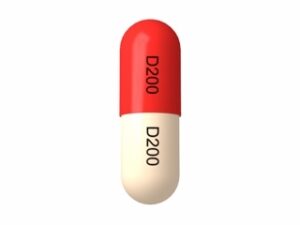
Cyklokapron (Tranexamic acid) – Patient Guide (Australia)
Cyklokapron contains tranexamic acid, a medicine used to help control excessive bleeding by supporting the body’s natural clot-stabilising system.
This guide explains how Cyklokapron works, when it’s typically used, how to take it, key safety information, and practical tips. It also covers important interactions (including alcohol and other medicines), and what to expect in Australia regarding availability and guidance.
Quick Facts
- Active ingredient: Tranexamic acid
- Common uses: Heavy menstrual bleeding (where appropriate), and other bleeding-related indications as advised by a healthcare professional
- How it works: Helps prevent the breakdown of blood clots (antifibrinolytic)
- Typical form: Tablets (product strengths may vary by country/brand listing)
- Time to effect: Helps reduce bleeding during the period of treatment
Basic Product Information
Cyklokapron is a brand of tranexamic acid. Tranexamic acid is an antifibrinolytic medicine, meaning it helps “stabilise” formed clots so they last longer and bleeding is reduced.
In Australia, availability and brand presentation can vary depending on stock and supplier. Some products may be listed under different pack sizes or tablet strengths.
How Tranexamic Acid Works (Mechanism of Action)
After an injury or during menstruation, the body forms a clot to stop bleeding. Over time, the clot is normally broken down through a process called fibrinolysis.
Tranexamic acid works by blocking the activation of plasmin (a key enzyme involved in clot breakdown). By reducing clot breakdown, it helps:
- Maintain clot stability
- Reduce excessive bleeding
- Support normal healing and haemostasis
Important: Tranexamic acid does not “make” a clot instantly. It helps keep clots from breaking down too quickly.
Pharmacokinetics (What the Body Does to the Medicine)
Understanding pharmacokinetics can help set expectations for timing and dosing.
| Process | General information (patient-friendly) |
|---|---|
| Absorption | Tranexamic acid is absorbed after oral dosing (tablets). Absorption may be affected by food and individual factors. |
| Distribution | It distributes through the body, including into areas where bleeding may occur (e.g., menstrual fluid). |
| Metabolism | Tranexamic acid is not extensively metabolised. |
| Elimination | Primarily excreted by the kidneys. Kidney function is therefore important when dosing is being considered. |
| Half-life | It is eliminated over several hours; dosing schedules are designed to maintain effective levels during the bleeding episode. |
Note: Exact times and values can vary by individual and dosing regimen. Your clinician/pharmacist may tailor dosing, particularly if kidney function is reduced.
Typical Use and Indications
Cyklokapron (tranexamic acid) is used to treat and reduce certain types of bleeding. In everyday practice, one of the best-known uses is heavy menstrual bleeding when appropriate.
Indications may include:
- Heavy menstrual bleeding (to reduce menstrual blood loss), where suitable and after assessment of underlying causes.
- Other bleeding situations where an antifibrinolytic approach is indicated, as determined by healthcare professionals.
Underlying causes matter: Heavy or unusual bleeding may have causes that need investigation (for example, fibroids, hormonal issues, bleeding disorders, medication effects, or pregnancy-related conditions). Tranexamic acid can help manage bleeding, but it does not replace assessment of the cause.
When to Take Cyklokapron (Timing and Duration)
The right schedule depends on the reason you are taking it. Below are general timing principles commonly used for tranexamic acid therapy in heavy menstrual bleeding.
General timing for heavy menstrual bleeding
- Start at the beginning of your menstrual period (or at the onset of heavy bleeding).
- Continue for the period of time your clinician has advised—often for several days during the heaviest part of the cycle.
- Try to take doses at consistent intervals to maintain an effective level.
If you miss a dose
- Take it when you remember unless it’s nearly time for the next dose.
- Do not take a double dose to make up for the missed dose.
Seek advice promptly if bleeding is severe, you feel unwell, or you are unsure whether to continue.
Dosing (General Information)
Because dosing depends on the indication and individual factors (including kidney function), always follow the dosing instructions provided with your specific product.
Common dosing patterns for tranexamic acid tablets may involve multiple doses per day for a short duration during the bleeding episode.
Special considerations:
- Kidney impairment: Since tranexamic acid is mainly cleared by the kidneys, dosing may be reduced in people with impaired renal function.
- Age: Older adults may be more likely to have reduced kidney function; clinicians may adjust dosing.
- Pregnancy and breastfeeding: Use should be discussed with a healthcare professional; benefits and risks should be assessed individually.
Important: This website guide does not replace individual dosing instructions. If you have kidney disease, a history of clots, or take other interacting medicines, consult a clinician/pharmacist for safe dosing advice.
Food Interactions
Food can influence how medicines are absorbed. For tranexamic acid, many people can take it with or without food. However, absorption and tolerability may vary.
- If you get nausea or stomach discomfort, taking your dose with food may help.
- Try to take doses at the same times each day to support consistent blood levels.
Tell your pharmacist if you have digestive conditions (e.g., inflammatory bowel disease) or if you take medications that affect stomach acidity.
Alcohol and Medicine Interactions
Alcohol
There is no specific “contraindication” to alcohol for all patients taking tranexamic acid, but alcohol can increase side effects such as dizziness, stomach upset, and nausea.
- For the safest approach, limit alcohol while taking Cyklokapron.
- Avoid heavy drinking, especially if you have anemia, dizziness, or dehydration.
Medicine interactions (key examples)
Tranexamic acid interacts with some medicines due to their effects on blood clotting and clot breakdown pathways.
- Other antifibrinolytic medicines (avoid combining unless specifically advised).
- Hormonal therapies (e.g., some combined oral contraceptives) may influence clot risk. Whether tranexamic acid is suitable depends on personal clot risk factors.
- Combined pro-thrombotic medicines: In general, combinations that increase clotting risk should be discussed with a clinician.
- Emancyl “clot-buster” style therapies (thrombolytics): avoid unless specifically directed, as the medicines can work in opposing ways.
- Statins and anticoagulants: Do not stop or start anticoagulants; discuss interactions with a pharmacist/clinician if you use blood thinners.
Always review your full medication list (including supplements and herbal products) with a pharmacist to reduce the risk of interactions.
Safety Profile (What to Watch For)
Most people tolerate tranexamic acid well when used appropriately. However, there are important safety considerations.
Common side effects
- Nausea / upset stomach
- Diarrhoea or other gastrointestinal discomfort
- Dizziness
- Headache
Less common but serious risks
Because tranexamic acid reduces clot breakdown, it can be a concern for people at increased risk of blood clots or certain eye problems.
- Thromboembolic events (blood clots): seek urgent medical care if you experience symptoms such as:
- Sudden shortness of breath
- Chest pain
- One-sided leg swelling or pain
- Sudden weakness, face drooping, or speech difficulty
- Vision changes: urgent medical review is needed if you notice changes in vision, including blurred vision or other visual disturbances.
- Allergic reactions: seek urgent care for rash, swelling, or difficulty breathing.
Who should be especially cautious
Discuss use with a clinician/pharmacist before taking Cyklokapron if you have:
- A history of blood clots (e.g., DVT/PE) or strong clot risk factors
- Congenital clotting disorders or a known thrombophilia
- Active intravascular clotting conditions as advised by a clinician
- Kidney disease (may require dose adjustment)
- Hematuria (blood in urine), where medical supervision is important
Do not ignore severe or persistent bleeding. If you are soaking through pads/tampons rapidly, feel faint, have severe pain, or suspect pregnancy-related bleeding, get medical help urgently.
Practical Use Tips
- Take consistently: Space doses evenly throughout the day unless your clinician advised otherwise.
- Consider with food: Helps many people with stomach upset.
- Hydrate: Staying well-hydrated can reduce dizziness and supports overall wellbeing during heavy bleeding.
- Track your bleeding: Note days of heavy flow and how many pads/tampons you use—useful for follow-up and future planning.
- Know warning signs: Seek urgent help for symptoms of clots, allergic reaction, or vision changes.
- Review your cause: If heavy bleeding is new, worsening, or associated with fatigue, consult a clinician about underlying causes and anemia screening.
Alternative Options (Depending on the Cause)
For heavy menstrual bleeding and other bleeding concerns, treatment options vary based on cause, severity, and personal risk factors. Alternatives may include:
- Hormonal treatments (for example, certain progesterone-related therapies or other options) where suitable
- Non-hormonal options (e.g., NSAIDs in some cases—your pharmacist can advise)
- Iron supplementation if you have or are at risk of iron deficiency or anaemia
- Procedures or surgery in selected cases (e.g., fibroids or structural causes)
Best approach: The “right” alternative depends on your medical history, clot risk, and the underlying reason bleeding is happening. Cyklokapron may be one part of a broader plan.
Market and Legal Context in Australia (Patient-Friendly)
In Australia, medicines are regulated through the Therapeutic Goods Administration (TGA). Tranexamic acid products may be available with specific scheduling and prescribing/supply arrangements depending on formulation and indication.
What this means for you:
- Availability and how you obtain Cyklokapron may depend on the product’s status (e.g., whether it is listed for supply under specific rules).
- Some uses may require clinical assessment before supply.
- Online pharmacies follow Australian regulations and may perform safety checks such as eligibility screening and interaction review.
Always ensure you have the correct product strength and that dosing instructions match the indication you are using it for.
Recent Guidance (General Overview)
Clinical guidance for heavy menstrual bleeding typically emphasises:
- Assessing underlying causes (including anaemia and structural causes)
- Individualising treatment based on bleeding severity, age, and risk factors
- Using evidence-based medicines such as antifibrinolytics (including tranexamic acid) when appropriate
Because clinical recommendations can evolve, your pharmacist or clinician may refer to updated Australian guidance and product information whenever deciding on treatment choices.
Delivery and Availability (Online Pharmacy Information)
Availability can vary by supplier and region within Australia. Common online pharmacy logistics include:
- Dispatch times: Typically confirmed at checkout based on stock status.
- Delivery options: Standard and sometimes express delivery may be offered.
- Packaging: Medicines should be shipped in secure, tamper-evident packaging.
What to check upon arrival:
- Correct product name and strength
- Expiry date
- Tablet integrity (no damage or unusual moisture)
If anything appears off, contact the pharmacy before use.
Frequently Asked Questions (FAQ)
1) What is Cyklokapron used for?
Cyklokapron (tranexamic acid) is used to reduce excessive bleeding in certain situations. A common use is heavy menstrual bleeding, when appropriate and after considering underlying causes.
2) How quickly does it work?
Many people notice reduced bleeding while taking it during the bleeding episode. The exact timing varies by person and dose schedule.
3) Can I take Cyklokapron with food?
Often yes. If you experience stomach upset, taking it with food may improve tolerability. Follow the instructions on your specific pack.
4) Can I drink alcohol while taking tranexamic acid?
Moderate alcohol may not be an absolute restriction for everyone, but it can worsen side effects like nausea or dizziness. It’s safest to limit alcohol and avoid heavy drinking.
5) What happens if I accidentally miss a dose?
Take it when you remember unless it’s close to the next dose. Do not take an extra dose to “catch up.”
6) Who should not take tranexamic acid?
Certain people may need to avoid it or use it only under careful supervision—especially those with a history of blood clots, significant clotting disorders, or kidney problems. If you’re unsure, ask a pharmacist for personalised safety guidance.
7) Are there interactions with my birth control?
Some hormonal contraceptives can affect clot risk. Whether it’s safe to combine them with tranexamic acid depends on your personal risk profile. Discuss your current medications with a pharmacist.
8) Can tranexamic acid be used if I have kidney disease?
It may require dose adjustment because tranexamic acid is cleared mainly by the kidneys. Do not self-adjust—ask a clinician/pharmacist for advice.
9) What side effects should make me stop and seek help?
Seek urgent medical attention for signs of clotting (such as chest pain, sudden breathlessness, one-sided leg swelling), allergic reactions (swelling, rash with breathing difficulty), or visual changes.
10) Is Cyklokapron only for menstruation?
No. Tranexamic acid can be used in other bleeding-related situations as determined by clinical assessment and appropriate indications.
Important Reminder
Bleeding problems can have many causes. If your bleeding is new, unusually heavy, getting worse, or associated with symptoms such as fainting, severe pain, or fatigue, seek medical advice promptly. Cyklokapron can reduce bleeding, but it is important to address the underlying reason safely.
Always read the consumer medicine information (CMI) included with your product pack and follow the dosing instructions provided.