Miconazole: Patient-Friendly Guide (Australia)
Miconazole is an antifungal medicine used to treat a range of fungal infections affecting the skin and, in some forms, the mouth and vagina. It works by stopping fungi from growing and multiplying, helping symptoms such as itching, redness, soreness, and discharge to improve.
This guide explains how miconazole works, how it is used, key safety information, and what to expect when starting treatment—tailored for common use patterns in Australia.
Basic product information
| Category | Details |
|---|---|
| Generic name | Miconazole |
| Medicine type | Antifungal (azole class) |
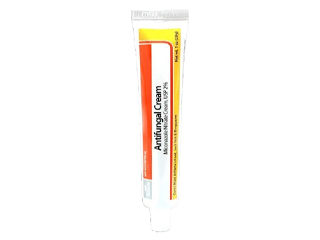
| Common forms | Cream, oral gel (for mouth), pessary/cream (vaginal use), and other local formulations depending on brand |
| Common strength examples | Varies by product and form (e.g., 2% skin cream; oral gel strengths vary) |
| How it’s used | Typically topical (skin) or local use (vaginal/oral forms), following the product label instructions |
Important: Always use the exact product and formulation that matches the area being treated. Dosing differs between skin cream, oral gel, and vaginal preparations.
How miconazole works (mechanism of action)
Miconazole belongs to the azole group of antifungals. It targets an essential step in fungal cell function:
- Inhibits ergosterol synthesis: Fungi need ergosterol to maintain their cell membrane. Miconazole blocks key enzymes involved in making ergosterol.
- Damages the fungal cell membrane: Without proper ergosterol, the membrane becomes weak and unstable, stopping growth and leading to fungal death.
- Helps control symptoms: As the fungal burden falls, inflammation and irritation typically improve.
Depending on the infection type and location, miconazole is often effective against common yeast and certain dermatophytes (depending on the product and specific fungus).
Pharmacokinetics (how the body handles miconazole)
Because many miconazole products are used locally (on the skin or in the mouth/vagina), most of the medicine acts in the target area rather than circulating throughout the body.
- Absorption: Systemic absorption through intact skin is generally low. Absorption may be higher if applied to broken skin, inflamed tissue, or large areas.
- Distribution: With local use, distribution beyond the application site is typically limited.
- Metabolism & excretion: Any absorbed fraction is metabolised and eliminated through the usual body pathways (details may vary by product form and absorption level).
Practical takeaway: For most people using topical miconazole as directed, whole-body exposure is low, but it’s still important to follow label instructions and avoid overuse.
Typical uses (indications)
Miconazole is used to treat fungal infections such as:
- Athlete’s foot (tinea pedis)
- Jock itch (tinea cruris)
- Ringworm (tinea corporis)
- Skin candidiasis (yeast infections of skin folds)
- Oral thrush (for oral gel formulations)
- Vaginal candidiasis (for vaginal preparations, where appropriate)
Product labels may list specific indications and organisms. If symptoms are severe, recurrent, or not improving, it’s important to seek clinical advice.
When to start and how soon you’ll feel better (timing)
Many people notice improvement within the first few days, but complete resolution usually takes longer—especially for skin infections.
- Skin infections: Often start improving within 3–7 days; continue for the full recommended course to reduce recurrence.
- Oral thrush: Symptoms may improve within days; treatment courses are typically longer to ensure the infection is fully cleared.
- Vaginal candidiasis: Improvement may begin within a few days; completing the course matters for clearing yeast.
Seek advice if there is no improvement after the expected timeframe (commonly around 3–7 days for many mild cases), or if symptoms worsen.
Dosing and practical instructions (general guidance)
Exact dosing depends on the formulation and the site of infection. Always follow the instructions on the specific Australian product you have purchased.
1) Miconazole skin cream
- How to apply: Wash and dry the affected area. Apply a thin layer of cream to the infected skin and usually a small surrounding margin.
- Frequency: Commonly 1–2 times daily depending on product strength and brand.
- Duration: Continue for the full course, even if symptoms improve early.
- Hygiene: Keep the area clean and dry. Change socks and underwear regularly.
2) Miconazole oral gel (for mouth thrush)
- How to use: Apply as directed to the affected areas in the mouth.
- Technique matters: Gently coat affected patches; avoid eating or drinking for the recommended time after application (see “Food interactions” below).
- Complete the course: Oral thrush often relapses if treatment is stopped early.
3) Miconazole vaginal preparations (for vaginal candidiasis)
- How to use: Follow the product instructions for insertion and frequency.
- Duration: Complete the course even if symptoms improve quickly.
- Condoms/latex: Some local products can weaken latex condoms or diaphragms. Check the label and consider alternatives during treatment.
If you’re unsure which formulation matches your symptoms, consider consulting a pharmacist or clinician.
Food interactions
Food interactions depend on the product form. For most skin creams, there is usually no direct food interaction.
- Oral gel: While eating won’t “stop” miconazole from working, it can reduce contact time with affected mouth tissue. Many oral-gel instructions advise avoiding food and drink for a period after applying the gel.
- General health: If you have thrush, maintaining good oral hygiene and addressing underlying causes (e.g., dentures, diabetes, inhaled corticosteroids) can improve outcomes.
Always follow the “after use” guidance on your specific product label.
Alcohol interactions
For many people using topical or local miconazole products, alcohol does not usually cause clinically significant interactions because systemic exposure is limited.
- Topical skin/vaginal preparations: No specific alcohol interaction is typically expected with appropriate local use.
- Oral use cases: If a product is local, similar considerations apply. However, if you are using other antifungal medicines or have liver conditions, it’s safest to discuss with a pharmacist.
If your product leaflet mentions alcohol, follow it. If you’re unsure, check with a healthcare professional.
Medicine interactions (important)
Interactions depend strongly on whether you are using miconazole locally or a systemic formulation. In many everyday pharmacy situations, local miconazole products have a lower interaction risk.
- Oral gel / mouth thrush: Generally low systemic risk, but if you take multiple medications, it’s still wise to be cautious.
- Warfarin and other blood thinners: Miconazole can interact with warfarin in some contexts (more relevant to systemic exposure). If you use blood thinners, check with a pharmacist—especially if your product has any systemic effects or if you’re using more than one antifungal medicine.
- Other antifungals: Don’t combine products unless advised; overlapping antifungals can increase irritation without improving outcomes.
If you are taking regular medicines, bring your list to the pharmacy and ask whether your specific miconazole product is suitable alongside them.
Safety profile: who should use miconazole, and key precautions
Miconazole is generally well tolerated when used correctly. As with all medicines, some people may experience side effects.
Common side effects
- Local irritation such as burning, stinging, or redness
- Itching or discomfort at the application site
- Dryness or mild skin peeling (especially with existing irritation)
Less common but important reactions
- Allergic reactions (e.g., rash, swelling, hives, worsening symptoms)
- Severe irritation or blistering—stop use and seek medical advice
When to get advice promptly
- Symptoms are severe or rapidly worsening
- You have fever, significant pain, pus, or spreading redness
- You have diabetes, immune problems, or poor circulation in the affected area
- It’s a recurrent infection that keeps coming back
Pregnancy and breastfeeding
For local miconazole products, risk is generally considered lower than systemic antifungals when used as directed. However, suitability during pregnancy or breastfeeding depends on the form used (skin vs vaginal vs oral). Check the product label and speak with a pharmacist or clinician for personalised advice.
Children
Some miconazole products are not suitable for young children, or dosing instructions may differ. Follow the age guidance on the pack and ask a pharmacist if you’re unsure.
Practical use tips for best results
- Apply to clean, dry skin (especially for foot and skin fold infections).
- Use enough product to cover the affected area and a small surrounding margin.
- Don’t stop early: Continuing for the full course reduces recurrence.
- Keep the area dry: fungi thrive in warm, moist environments.
- Wash hands after application unless treating the hands themselves.
- Avoid tight footwear and change socks regularly for athlete’s foot.
- For oral thrush: follow the recommended “no food/drink” window to maintain contact time.
- For vaginal treatment: check guidance around latex products if you use condoms or diaphragms.
Alternative options (what you can consider instead)
Depending on the type and site of infection, alternative antifungals may be appropriate. Options often include:
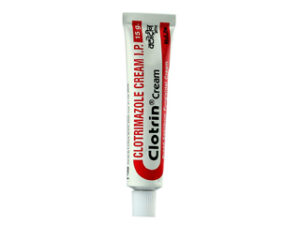
- Clotrimazole (similar azole antifungal class)
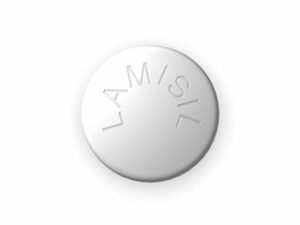
- Terbinafine (commonly used for some dermatophyte skin infections)
- Ketoconazole (availability depends on formulation and location)
- Nystatin (often used for yeast-related infections such as oral thrush, depending on local availability)
- Oral antifungals may be considered for extensive or recurrent infections—only under appropriate clinical direction.
The best choice depends on the suspected organism, severity, location, and past response. A pharmacist can help you match symptoms to an appropriate product.
Market and legal context for Australia
In Australia, antifungal products are generally supplied through pharmacies and, for some formulations, may be available as over-the-counter medicines. Supply and classification can vary by product strength, formulation type, and intended use.
- Pharmacy availability: Many miconazole products are accessible in Australian community pharmacies.
- Packaging labels: Always use the Australian-labelled product, as instructions and strengths may differ from overseas brands.
- Regulatory standards: Medicines marketed in Australia must comply with relevant Australian regulatory requirements.
Guidance and advice in Australia commonly emphasises: correct diagnosis, appropriate duration, and supporting measures (drying/cleaning and hygiene) to prevent recurrence.
Recent guidance and common clinical advice (what pharmacists often recommend)
While local guidance changes over time, common Australian pharmacy and primary care advice for fungal infections includes:
- Confirm the pattern of symptoms: rashes can mimic fungal infection (eczema, psoriasis, dermatitis, bacterial infections, or sexually transmitted infections for genital symptoms).
- Treat the right duration: many “failures” are due to stopping early or not covering the affected margins.
- Consider triggers: dampness, foot hygiene, tight footwear, antibiotic use, inhaled corticosteroids, diabetes, and immune conditions.
- When to see a clinician: persistent symptoms, recurrent infections, severe inflammation, or if the diagnosis is uncertain.
If symptoms don’t respond as expected, it may be worth re-checking the diagnosis and treatment plan.
Delivery and availability (online pharmacy)
Miconazole products are commonly stocked in Australia and may be available through reputable online pharmacies. Availability depends on the specific brand, strength, and formulation (skin cream vs oral gel vs vaginal preparations).
- Typical processing: Orders are usually processed promptly during business hours.
- Delivery times: Delivery depends on your location and the courier service; check the website’s delivery estimates.
- Stock visibility: If a product is out of stock, you may be offered alternative formulations or strengths.
For your convenience, it’s often helpful to select a product that explicitly states the area you’re treating (for example, “skin” vs “oral thrush” vs “vaginal” use).
How to store miconazole
- Store according to the label (often at room temperature).
- Keep the container tightly closed.
- Keep away from children.
- Do not use after the expiry date.
Frequently Asked Questions (FAQ)
1) How fast will miconazole work?
Many people notice improvement within a few days. For skin infections, it can take longer for full clearance. Completing the recommended course is important even if you feel better early.
2) Should I stop using it when symptoms improve?
No. Stop only if you experience significant side effects or allergy. Otherwise, continue for the full recommended duration shown on the product label to reduce recurrence.
3) Can I use miconazole on broken skin?
Avoid applying to large areas of severely broken or oozing skin unless the product label specifically allows it. Broken skin can increase absorption and irritation. If you’re unsure, ask a pharmacist.
4) What if the infection keeps coming back?
Recurrence can happen if triggers persist (e.g., dampness, shared towels, tight footwear), if the diagnosis isn’t fungal, or if treatment isn’t long enough. Consider re-evaluation and discuss prevention strategies with a pharmacist or clinician.
5) Can I use miconazole with condoms or a diaphragm?
Some vaginal products can weaken latex products. Check the product label for condom/diaphragm compatibility. If unsure, consider non-latex contraception during treatment.
6) Is miconazole safe to use during pregnancy or while breastfeeding?
Safety depends on the specific formulation and situation. Many local uses are generally considered lower risk when used correctly, but you should confirm suitability for your product with a pharmacist or clinician.
7) Are there any signs that mean I should get medical help?
Seek prompt medical advice if symptoms are severe, spreading, associated with fever, not improving after the expected treatment period, or if you’re immunocompromised or have significant underlying health conditions.
8) Can I drink alcohol while using miconazole?
With most local miconazole products, alcohol interactions are usually not a major concern. However, if you have other medical conditions or take interacting medicines (especially blood thinners), check with a pharmacist.
9) What if I’m not sure it’s a fungal infection?
Many skin problems look similar. If you’re unsure of the diagnosis—particularly for genital symptoms, persistent rashes, or unusual appearances—consider getting professional advice rather than repeating antifungal treatment blindly.
10) What are common prevention steps?
For athlete’s foot and skin fold yeast, prevention often includes keeping the area dry, changing socks regularly, not sharing towels, using breathable footwear, and managing contributing factors (e.g., controlling blood sugar if you have diabetes).
Summary
Miconazole is a widely used antifungal that treats infections such as athlete’s foot, jock itch, ringworm, thrush (oral gel), and vaginal candidiasis (depending on formulation). It works by interfering with the fungal cell membrane, helping clear infection and reduce discomfort. For best results, apply the correct product to the right area, use it for the full course, and maintain good hygiene practices.
If symptoms do not improve or you have concerns about safety with other medicines, consult a pharmacist for guidance on the most appropriate option for your situation.