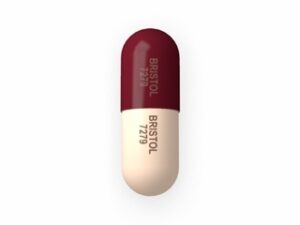



Zithromax Dispersible (Azithromycin) – Patient Information (Australia)
Zithromax Dispersible is a brand of azithromycin, an antibiotic medicine used to treat a range of bacterial infections. The “dispersible” form means the tablet can be mixed with water to help make swallowing easier. This guide explains how it works, what it’s used for, how to take it, common side effects, important safety considerations, and practical tips for use in Australia.
Always follow the instructions provided with your medicine and any advice from your doctor or pharmacist.
1) Basic product information
| Product | Active ingredient | Form | Common dosing strengths |
|---|---|---|---|
| Zithromax Dispersible | Azithromycin | Dispersible tablets (can be mixed with water) | Often available in common strengths such as 250 mg or 500 mg (availability can vary by brand/pack) |
How it looks and how it tastes: Dispersible tablets may have a distinct taste. Mixing properly with water helps reduce bitterness and makes it easier to take as a suspension-like mixture.
Who it’s for: Azithromycin is used in adults and in children in specific situations, depending on the infection, the child’s weight, and local dosing guidance.
2) How azithromycin works (mechanism of action)
Azithromycin belongs to the macrolide class of antibiotics. It works by interfering with how bacteria build proteins.
- Primary action: Azithromycin binds to bacterial ribosomes (the 50S subunit), inhibiting protein synthesis.
- Result: This prevents bacteria from growing and reproducing, allowing the immune system to clear the infection.
- Activity: It is effective against certain common bacteria that cause respiratory tract, skin, and some other infections.
Important: Antibiotics like azithromycin treat bacterial infections only. They do not treat viral illnesses such as colds, flu, or most sore throats caused by viruses.
3) Pharmacokinetics (how the body handles it)
Understanding pharmacokinetics can help explain dosing schedules.
- Absorption: Azithromycin is absorbed after you take it by mouth. The dispersible tablet form releases the medicine in a way that supports swallowing.
- Distribution: It spreads into body tissues, including areas involved in infection. Azithromycin tends to accumulate in tissues.
- Cell/tissue behaviour: The medicine concentrates in certain immune cells, which may help it continue working after the last dose.
- Half-life: Azithromycin has a relatively long apparent half-life compared with some other antibiotics, contributing to shorter dosing regimens used for some infections.
- Elimination: It is cleared mainly via the liver into bile, with some elimination via the kidneys.
Practical implication: Because azithromycin can stay in tissues for longer periods, many treatment courses use once-daily dosing or “short course” regimens depending on the infection.
4) Typical uses and indications
Zithromax Dispersible (azithromycin) is used for certain bacterial infections where azithromycin is considered appropriate. Indications may vary based on local guidelines and susceptibility patterns.
Common categories include:
- Respiratory tract infections (e.g., some cases of bacterial sinusitis, bronchitis, community-acquired pneumonia)
- Ear, nose, and throat infections in appropriate circumstances
- Skin and soft tissue infections caused by susceptible organisms
- Sexually transmitted infections such as chlamydia in specific dosing regimens and clinical settings
- Other specific infections where azithromycin is recommended by current clinical guidance
Why “susceptibility” matters: The benefit of antibiotics depends on whether the infection is caused by bacteria that are susceptible to azithromycin. Your clinician may consider local resistance patterns and may request tests where relevant.
5) When to take it (timing and course completion)
Timing: Follow the exact schedule provided with your medicine. Many regimens use once daily dosing.
- Try to take it at the same time each day to maintain consistent levels.
- Complete the full course even if you feel better. Stopping early can increase the chance the infection returns or worsens.
- If you miss a dose: Take it as soon as you remember if it’s close to the scheduled time. If it’s almost time for the next dose, skip the missed dose. Do not take double doses to “catch up.”
Dispersible preparation:
- Place the tablet in the recommended amount of water (as directed on your product packaging).
- Stir and allow it to disperse fully.
- Drink the mixture promptly.
- If any residue remains in the glass, add a small extra amount of water and drink to ensure you get the full dose.
Consistency helps: Preparing the dose the same way each time can make dosing easier and more accurate.
6) Food interactions and absorption tips
Food can affect stomach emptying and absorption of some medicines. For azithromycin, many regimens are still taken without strict restrictions, but individual product instructions and tolerance vary.
- With or without food: Azithromycin is often taken with food if it upsets your stomach. Taking it after a meal may improve tolerability.
- Avoid missing doses due to nausea: If you experience mild stomach upset, consider taking it with food (unless your pharmacist advises otherwise).
- Separate from antacids if advised: Some antacid products can interact with absorption. If you use antacids, ask your pharmacist about spacing.
Food is not always the issue: Most commonly, the main absorption-related interactions in practice involve specific antacids or certain other medicines (see section on interactions).
7) Alcohol and medicine interactions
Alcohol
There is no universally required “hard stop” on alcohol with azithromycin for all patients, but alcohol can worsen side effects such as nausea, stomach irritation, dizziness, and dehydration.
- Recommendation: It’s generally best to avoid or limit alcohol while you’re unwell and taking antibiotics.
- Seek advice urgently if you experience severe vomiting, worsening diarrhoea, fainting, or signs of an allergic reaction.
Medicine interactions
Some interactions can affect heart rhythm, drug levels, or the effectiveness of treatment.
- Heart rhythm (QT prolongation): Azithromycin can affect electrical activity in the heart. Caution is needed if you take medicines known to prolong QT or if you have a personal/family history of rhythm disorders. Examples can include certain antiarrhythmics, some antipsychotics, and some antidepressants (your pharmacist can check your list).
- Warfarin/anticoagulants: Antibiotics can sometimes increase the risk of bleeding by changing how the body handles anticoagulants. If you take warfarin or similar medicines, you may need extra monitoring.
- Digoxin: Azithromycin may increase digoxin levels in some situations.
- Anti-seizure medicines: Some medicines that affect liver enzymes may interact. Your pharmacist can advise based on your specific medicines.
- Antacids: Certain antacids (for example, those containing aluminium or magnesium) may need spacing from azithromycin.
- Ergot derivatives: Combining azithromycin with ergot-related medications can be risky (your clinician/pharmacist will screen this).
Always check: Provide your pharmacist with a complete list of medicines, including non-prescription products and herbal supplements. Interactions can differ depending on the exact medicine and your health situation.
8) Safety profile and who should take extra care
Most people tolerate azithromycin well, but like all medicines it can cause side effects. Your risk can increase with certain medical conditions or when combined with certain medications.
Common side effects
- Nausea
- Diarrhoea or looser stools
- Stomach pain or cramps
- Headache
- Vomiting
- Vaginal thrush (may occur after antibiotic use in some people)
Serious side effects (seek urgent medical help)
- Allergic reaction: swelling of face/lips, hives, severe rash, wheezing, or difficulty breathing
- Severe or persistent diarrhoea, especially if watery or with blood, fever, or significant abdominal tenderness (could indicate antibiotic-associated colitis)
- Signs of liver problems: yellowing of skin/eyes, dark urine, severe fatigue, persistent nausea
- Heart rhythm symptoms: fainting, severe dizziness, palpitations, or feeling like your heart is racing
- Severe skin reactions: blistering rash, peeling skin, or widespread painful rash
Extra caution may be needed if you have
- Known heart rhythm issues or history of QT prolongation
- Low potassium or magnesium levels
- Significant liver disease
- Myasthenia gravis (rare worsening has been reported with macrolides)
- Previous antibiotic-associated severe diarrhoea
Children: Dosing should be based on the child’s weight and the infection type. Always use the dosing schedule supplied for your child.
9) Dosing guidance (general information)
Dosing depends on the infection being treated, the severity, the patient’s age/weight, and local clinical guidance.
Important: This website provides general educational information. Always use the dose written for your specific prescription or treatment plan.
Common adult regimens (examples)
- Once-daily short courses are often used for certain infections (for example, a total course of 3 or 5 days may be chosen depending on the condition).
- Longer courses may be used for specific infections depending on clinical recommendations.
Children
- In children, dosing is frequently based on body weight.
- The dispersible tablet form may be selected for ease of administration where appropriate.
Practical dosing reminders
- If you’re taking multiple medicines, consider using a medication organiser and setting reminders.
- If you vomit soon after taking a dose, contact your pharmacist for advice about whether to repeat the dose.
- Do not change the dose or duration on your own.
10) Practical use tips for Zithromax Dispersible
- How to prepare: Use the amount of water stated on the pack. Stir/disperse fully and drink promptly.
- Timing with meals: If you get nausea, try taking it with food (unless your pharmacist says otherwise).
- Hydration: Drink water normally. If you develop diarrhoea, maintain fluids.
- Monitor symptoms: Most bacterial infections start improving within a few days. If you’re not improving after the first 48–72 hours, contact your doctor or pharmacist.
- Antibiotic stewardship: Use antibiotics only when indicated and finish the course to reduce resistance risks.
11) Alternative options (what may be used instead)
Alternative antibiotic choices depend on the infection type, bacteria suspected or confirmed, local resistance, allergies, and patient factors (e.g., heart rhythm risk, liver health, pregnancy status).
Possible alternatives to azithromycin for some bacterial infections may include:
- Other macrolides (e.g., clarithromycin, depending on the indication and tolerability)
- Penicillins or related antibiotics (if suitable and not contraindicated)
- Cephalosporins in certain scenarios
- Doxycycline for some specific infections when appropriate
- Others based on culture results where available
Do not switch on your own: If you suspect the antibiotic isn’t working, or you experience side effects, speak with a healthcare professional for a tailored plan.
12) Australia: market and legal context
In Australia, antibiotics such as azithromycin are regulated medicines under the national medicines framework. Availability through pharmacies and supply requirements are governed by Australian legislation and the Therapeutic Goods Administration (TGA).
Dispensing rules: In general, antibiotics require appropriate clinical assessment and are supplied according to the medicines scheduling/requirements in place at the time of supply. Your pharmacist can explain what documentation is required for specific products.
Quality and compliance: Registered medicines supplied in Australia are subject to manufacturing, packaging, labelling, and quality controls under TGA frameworks.
13) Recent guidance and antimicrobial resistance considerations
Across Australia, antimicrobial stewardship aims to ensure antibiotics are used appropriately and to reduce resistance. Clinicians often follow evidence-based guidelines (including local advice from health authorities and professional groups) that emphasise:
- Right patient, right drug, right dose, right duration
- Testing when appropriate (e.g., for persistent or severe infections)
- Avoiding antibiotics for viral illness
- Monitoring for side effects and advising patients on when to seek help
Why this matters: Even when azithromycin is suitable, resistance can reduce effectiveness. Completing the course as directed helps achieve the intended outcome.
14) Delivery and availability (Australia)
Availability of Zithromax Dispersible can vary depending on pack size and strength. Online pharmacies in Australia typically provide:
- Clear pack details (strength, number of tablets, expiry date)
- Estimated delivery times based on your location
- Packaging designed to protect tablets during transport
Delivery tips:
- Check that your address details are correct before placing an order.
- Store tablets as directed on the pack (commonly in a cool, dry place).
- Keep medicines out of reach of children.
15) Storage
- Store at the temperature and conditions stated on the packaging.
- Keep in the original container until needed.
- Do not use after the expiry date.
- If your tablets become discoloured, damaged, or appear unusual, don’t use them—ask a pharmacist for advice.
16) FAQ
What is Zithromax Dispersible used for?
Zithromax Dispersible (azithromycin) is used for certain bacterial infections, commonly affecting the respiratory tract, skin, and some specific infections depending on local guidance and bacterial susceptibility.
How do I take Zithromax Dispersible?
Mix the dispersible tablet with the recommended amount of water, stir until dispersed, and drink promptly. If residue remains, add a small amount of extra water and drink to ensure you take the full dose.
Can I take it with food?
Often yes. If it upsets your stomach, taking it with food may help. Follow the instructions on your pack and any advice from your pharmacist.
What if I miss a dose?
Take it when you remember if it’s close to the scheduled time. If it’s near your next dose, skip the missed dose. Do not take double doses.
How quickly should I feel better?
Many people notice improvement within a few days. If symptoms are not improving after 48–72 hours, or if they worsen, contact a healthcare professional.
Is it okay to drink alcohol while taking azithromycin?
It’s generally best to limit alcohol because it can worsen side effects and make you feel more unwell. If you choose to drink, do so cautiously and consider avoiding alcohol entirely while you’re recovering.
Are there interactions with other medicines?
Yes, some medicines may interact with azithromycin—especially those affecting heart rhythm, anticoagulants, digoxin, and some antacid products. Always review your full medicine list with a pharmacist.
What side effects are common?
Common side effects include nausea, diarrhoea, stomach pain, headache, and vomiting.
When should I seek urgent help?
Seek urgent medical care if you develop signs of an allergic reaction (swelling, hives, trouble breathing), severe or persistent diarrhoea, symptoms of liver problems (yellowing), or signs of abnormal heart rhythm (fainting, severe dizziness, palpitations).
Can azithromycin be used for colds or flu?
No. Colds and flu are usually viral. Antibiotics like azithromycin don’t help viral infections.
What if my child needs azithromycin?
In children, dosing is often weight-based and depends on the infection. Use the dose and schedule provided for your child and confirm preparation instructions with your pharmacist.
Are there alternatives if I can’t tolerate it?
Alternatives depend on the infection and your health history (including allergies and medication interactions). Your pharmacist or doctor can advise the best option.
17) Key takeaways
- Zithromax Dispersible contains azithromycin, a macrolide antibiotic used for certain bacterial infections.
- It works by inhibiting bacterial protein production, helping your immune system clear the infection.
- Many regimens are short and once-daily, depending on the infection.
- Take it as directed, consider taking with food if you get nausea, and complete the full course.
- Be alert for side effects—especially severe diarrhoea or signs of allergy—and seek help if they occur.
- Interactions are possible, particularly with medicines affecting heart rhythm or anticoagulants—check with your pharmacist.
If you have questions about whether this medicine is suitable for you or how to take it, consult your pharmacist.