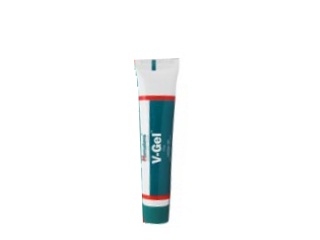
V-gel (Xylometazoline Hydrochloride) Nasal Gel – Patient Guide (Australia)
V-gel is a medicated nasal gel used to relieve blocked or stuffy noses associated with colds, hay fever, and sinus-related discomfort. It belongs to the group of medicines known as decongestants, which work by reducing swelling inside the nasal passages. V-gel is designed to provide targeted relief and can be a helpful option when you want a gel format for comfort and ease of use.
This guide explains what V-gel is, how it works, typical uses, dosing guidance, safety considerations, interactions (including food and alcohol), practical tips for use, and how it compares with alternative options available in Australia.
Quick Product Overview
| Feature | What you should know |
|---|---|
| Medicine name | V-gel (commonly xylometazoline hydrochloride nasal gel) |
| Therapeutic group | Topical nasal decongestant (sympathomimetic) |
| Form | Nasal gel |
| Main purpose | Temporarily relieves nasal congestion (stuffy nose) |
| Typical timing | Works quickly; do not use for longer than directed |
| Common side effects | Dryness, mild burning/irritation, occasional nosebleeds |
| Key safety caution | Avoid overuse due to rebound congestion risk |
Note: Always check the product label for the exact strength and directions for your specific V-gel product.
What is V-gel?
V-gel is a nasal gel containing a decongestant medicine. It is applied inside the nose to help shrink swollen nasal blood vessels and reduce the sensation of blockage. Compared with some liquid sprays, a gel format may feel more “set” in the nasal area and can be comfortable for some people—especially when dryness or irritation is a concern.
V-gel is used for temporary relief of symptoms such as:
- Stuffy or blocked nose due to a cold
- Nasal congestion associated with allergic rhinitis (hay fever)
- Sinus discomfort where nasal swelling contributes to pressure
How V-gel Works (Mechanism of Action)
V-gel contains xylometazoline, a drug that acts on alpha-adrenergic receptors in the lining of the nasal passages. When you apply it, it causes vasoconstriction (narrowing of blood vessels) in the nose.
This reduces swelling and increases airflow, leading to symptom relief from congestion.
Important practical point: Because the medicine constricts blood vessels, using it too often or for too many days can lead to rebound congestion (sometimes called rhinitis medicamentosa), where the nose becomes more blocked when the effect wears off.
Pharmacokinetics (Absorption, Distribution, Metabolism, Excretion)
V-gel is applied locally to the nasal mucosa, so most of its effects are targeted to the nose. The overall systemic absorption is typically low when used correctly and within recommended doses.
Key pharmacokinetic concepts (general):
- Absorption: Minimal systemic absorption is expected compared with oral medicines.
- Onset and local effect: Relief is generally achieved relatively quickly after application due to local vasoconstriction.
- Metabolism: Any absorbed fraction is expected to be metabolised in the body in the usual ways for this medicine class.
- Elimination: Excretion is mainly via normal metabolic pathways.
People who use higher-than-recommended doses, use it more frequently, or use it for longer periods may experience higher systemic exposure and a greater likelihood of side effects.
Typical Uses and Indications
V-gel is indicated for temporary relief of nasal congestion due to conditions where nasal swelling contributes to blockage, such as:
- Common cold
- Allergic rhinitis (hay fever)
- Sinus congestion with a blocked nose component
It is generally used to improve comfort and breathing during acute symptoms, rather than as a treatment that removes the underlying cause of allergies or infections.
When to Take V-gel (Timing and Frequency)
V-gel is used as directed on the product packaging. In general, nasal decongestants are:
- Used when you need congestion relief
- Applied typically several times per day
- Not used longer than recommended (often no more than several consecutive days) to avoid rebound congestion
Practical timing tips:
- Use before sleep if congestion is preventing comfortable breathing.
- If symptoms are mild, consider using it only when congestion is most troublesome.
- If your congestion continues beyond the maximum recommended duration, seek advice from a pharmacist or healthcare professional.
Do not exceed the recommended dose or duration.
Dosing (Adults and Children)
Dosing may vary by product strength and age group. Always follow the directions provided with your specific V-gel.
In general:
- Adults and older children: Usually apply a measured amount to each nostril at the dosing interval stated on the label.
- Children: Use only if the product label allows it and use an age-appropriate strength and dosing schedule.
How to measure and apply: Use the applicator and dosing instructions described in the pack. Avoid “doubling up” if a dose is missed; follow label instructions or seek pharmacist guidance.
If you’re unsure which strength or dosing schedule applies: check the pack label or consult a pharmacist.
Food Interactions
Because V-gel is used in the nose and is intended for local effect, it is not generally associated with clinically significant interactions with food.
However, practical considerations may apply:
- Avoid eating immediately after application if this makes it easier for you to swallow any nasal drip; some people find it reduces throat irritation.
- If your nose is very runny, gentle swallowing or mouth rinsing after use may feel more comfortable.
Overall: food does not typically affect V-gel’s nasal action in a meaningful way when used correctly.
Alcohol and Medicine Interactions
There is no universally expected direct interaction between topical nasal decongestants and alcohol in the way there can be for some oral medicines. However, alcohol can indirectly worsen symptoms such as dehydration or nasal irritation, potentially affecting comfort.
General safety advice:
- If you feel dizzy or unwell, avoid alcohol and consider whether side effects such as dryness or irritation are occurring.
- Be cautious if you take other medicines that can affect blood pressure or heart rate.
Important medicine interaction considerations:
- Some medicines used for depression (particularly MAO inhibitors) or other sympathomimetic medicines may increase the risk of cardiovascular side effects with decongestants.
- Inform your pharmacist if you take medicines for high blood pressure, heart conditions, thyroid disease, or diabetes.
If you are unsure, the safest approach is to speak with a pharmacist—especially if you are taking multiple medicines.
Safety Profile: Possible Side Effects
Most people tolerate V-gel well when used at the recommended dose for the recommended duration. Possible side effects often relate to local irritation.
Common or mild side effects
- Nasal dryness
- Mild burning or tingling sensation
- Throat irritation (often due to drip-back)
- Sneezing after application
- Occasional nosebleeds (more likely if the nose is already irritated)
Less common side effects
- Headache
- Unusual tiredness
- Feelings of restlessness
Seek medical advice urgently if
- Severe nose irritation, swelling, or signs of an allergic reaction (rash, facial swelling, difficulty breathing)
- Chest pain, fast or irregular heartbeat, fainting, or severe dizziness
Rebound congestion (rhinitis medicamentosa)
A notable risk with decongestant sprays and gels is rebound congestion if used too frequently or for too long. Signs include:
- Your nose feels more blocked as the dose wears off
- Congestion returns quickly and keeps worsening
If this happens, stop using the product and seek pharmacy advice on the safest way to manage symptoms.
Who Should Use Extra Caution?
Talk to a pharmacist before using V-gel if you have:
- Heart disease or a history of rhythm problems
- High blood pressure
- Overactive thyroid
- Diabetes (some decongestants can affect glucose control in certain situations)
- Glaucoma (particularly narrow-angle glaucoma)
- Severe or persistent nasal symptoms lasting beyond several days
Children, pregnant people, and breastfeeding people should follow product label guidance and seek professional advice when unsure.
Practical Use Tips (How to Use V-gel Comfortably)
Correct technique helps maximise local effect and reduce irritation.
- Gently clear your nose (for example, by blowing it lightly).
- Wash your hands.
- Use the applicator correctly as shown on the pack.
- Apply to one nostril, then repeat for the other if directed.
- Keep your head slightly upright for a short time after application to reduce drip-back.
- Wipe excess gel from around the nostrils with a clean tissue and wash hands again.
Comfort tips:
- If your nose is very dry, consider saline nasal irrigation as a non-decongestant option (follow the label and hygiene guidance).
- If you feel stinging or burning, ensure you are using only the recommended amount and avoid overuse.
- Avoid sharing your nasal applicator with others.
Alternatives to V-gel (What Else Can Help Nasal Congestion?)
Depending on the cause of congestion, there are several options:
Non-decongestant options
- Saline sprays or rinses: help moisturise and flush mucus; useful for ongoing congestion and dryness.
- Steam inhalation: may provide temporary comfort (use caution to avoid burns).
- Humidifiers: can reduce dryness in indoor air.
Allergy-focused options
- Intranasal corticosteroids (for example, for allergic rhinitis): these reduce inflammation but take time to work (often several days).
- Oral antihistamines or antihistamine nasal sprays: useful for allergy symptoms such as sneezing and itching.
Other decongestant approaches
- Different nasal decongestant gels or sprays: may contain similar active ingredients; rebound congestion risk still applies.
- Oral decongestants: may be an option for some adults, but can have broader systemic effects—discuss with a pharmacist for suitability.
The best alternative depends on your symptoms and medical history. If congestion is persistent, consider whether the cause might be allergies, sinusitis, or another issue.
Australia: Market and Legal Context (General Information)
In Australia, medicines are regulated under the Australian regulatory framework for therapeutic goods. Availability and classification (for example, whether a medicine is listed, pharmacy-only, or prescription-required) can vary depending on the active ingredient and concentration.
For V-gel specifically, availability may depend on:
- The formulation strength
- Age indications
- Local pharmacy supply arrangements
- Regulatory and scheduling updates over time
Because rules may change, it’s always wise to follow the instructions and category information shown on the product packaging and on the website listing you purchase from.
Recent Guidance (Practical Ongoing Advice)
For nasal decongestants like xylometazoline-based products, widely emphasised safety guidance includes:
- Use for the shortest time needed to relieve congestion.
- Avoid prolonged or frequent use to reduce the risk of rebound congestion.
- Seek advice if symptoms last longer than expected or worsen.
If you experience frequent or long-term congestion, you may benefit from discussing longer-term strategies (for example, allergy assessment, nasal moisturising regimens, or an inflammatory treatment plan).
Delivery and Availability (Australia)
V-gel is typically available through online pharmacies and selected retail channels, subject to stock levels and product category requirements. When ordering online, delivery options generally include:
- Standard delivery: suitable for non-urgent needs
- Express delivery: may be available in many metro areas
What you can expect:
- Careful packing to protect the product
- Clear product details including strength and expiry information (when provided by the supplier)
- Delivery tracking (where available)
Tip: Check the estimated delivery window at checkout and consider ordering before you run out, especially if congestion symptoms recur seasonally.
How to Store V-gel
To help maintain product effectiveness and safety:
- Store according to the label (commonly at room temperature)
- Keep out of reach of children
- Do not use past the expiry date
- Keep the container tightly closed when not in use
FAQ: V-gel (Australia)
1) How quickly does V-gel work?
Many people notice relief relatively quickly after applying V-gel, due to local vasoconstriction. The exact timing can vary depending on the cause and severity of congestion.
2) How long can I use V-gel?
Use V-gel only for the shortest duration needed and follow the product label instructions. Overuse can cause rebound congestion, where blockage returns worse than before.
3) Can I use V-gel more often if my nose is very blocked?
No—do not exceed the recommended dose or frequency. If congestion is severe or not improving within the recommended timeframe, stop using the product and speak with a pharmacist for alternatives.
4) Is V-gel safe to use with other medicines?
V-gel may interact with certain medicines, especially those affecting blood pressure/heart rate or specific antidepressant classes. If you take regular medicines, check with a pharmacist or review the product’s interaction information.
5) What if I accidentally use too much?
Too much can increase the likelihood of side effects such as palpitations, dizziness, or increased local irritation. If you’ve used more than directed or children are involved, seek advice promptly from a pharmacist or healthcare provider.
6) Can I use V-gel if I’m pregnant or breastfeeding?
If you are pregnant or breastfeeding, consult a pharmacist or healthcare professional before use, particularly if you need it repeatedly. Follow label guidance.
7) Can V-gel be used for hay fever?
V-gel may help temporarily relieve nasal blockage associated with hay fever. For allergy control overall, an allergy-targeted regimen (such as intranasal corticosteroids) may be more appropriate—ask a pharmacist about options.
8) Will V-gel make my congestion worse?
It can if used too long. Rebound congestion can occur with prolonged or frequent use. If symptoms worsen as the effect wears off, stop and seek guidance.
9) Is there any interaction with alcohol?
No specific direct interaction is commonly expected with topical nasal decongestants, but alcohol may worsen general comfort or dehydration. If you feel unwell or experience side effects, avoid alcohol and seek advice if needed.
10) What should I do if I get nosebleeds?
Stop using V-gel and get pharmacist advice if nosebleeds are persistent or heavy. Gentle saline use and moisturising strategies may help while your nose recovers.
When to Seek Medical Advice
Contact a pharmacist or seek medical advice if:
- Congestion lasts longer than the recommended period
- Symptoms are severe (high fever, facial swelling, severe facial pain)
- You experience recurrent congestion requiring frequent use
- There are signs of an allergic reaction or significant irritation
Summary
V-gel is a nasal decongestant gel commonly used for temporary relief of blocked nose from colds and allergy-related congestion. By constricting blood vessels inside the nasal passages, it reduces swelling and helps you breathe more comfortably. To get the benefits safely, use it according to the label, avoid overuse, and consider non-decongestant approaches (such as saline) if symptoms persist.
If you’d like help choosing between V-gel and alternative options, consult your pharmacist and share your symptoms, age, and any regular medicines you take.