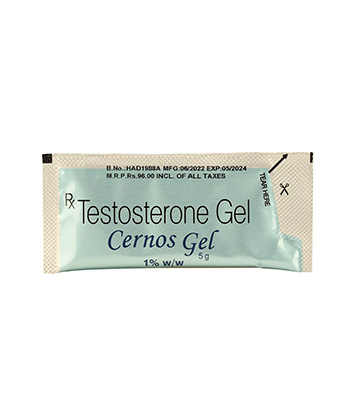
Testosterone Topical (Testosterone Gel/solution) – Patient Information (Australia)
Testosterone topical medicines are used to treat low testosterone levels in people who have been diagnosed with hypogonadism (low testosterone). These products deliver testosterone through the skin, where it is absorbed into the bloodstream.
This information is written to be patient-friendly and to help you understand how topical testosterone works, how to use it safely, and what to expect. It is general information for Australia and may not replace advice from your doctor or pharmacist.
Key product information
| Feature | What you should know |
|---|---|
| Common forms | Transdermal gel or solution applied to the skin (usually once daily) |
| Active ingredient | Testosterone (in a topical formulation) |
| How it works | Absorbed through skin into the bloodstream to raise testosterone levels |
| Usual dosing schedule | Typically once daily at the same time each day |
| Important precautions | Prevent transfer to others by careful application and covering the area |
| Monitoring | Regular blood tests (e.g., testosterone levels, blood count, and others as advised) |
What testosterone does (and why replacement may be needed)
Testosterone is a hormone important for:
- Sexual function and libido
- Sperm production (in some people)
- Energy, mood, and motivation
- Maintenance of muscle mass and strength
- Bone health
- Secondary sexual characteristics
When testosterone levels are persistently low due to underlying medical causes, testosterone replacement may improve symptoms and reduce complications related to low testosterone.
Mechanism of action
Topical testosterone works by supplying testosterone that is absorbed through the skin. Once absorbed into circulation, testosterone:
- Activates androgen receptors in target tissues
- Supports development and maintenance of androgen-dependent tissues
- Helps restore more normal circulating testosterone levels, improving symptoms where they are caused by low testosterone
- May be converted in the body to dihydrotestosterone (DHT) and estradiol through natural pathways
The goal is to reach and maintain testosterone levels within a normal range for your age and clinical situation—not to “maximise” levels.
Pharmacokinetics (how the body handles the medicine)
Pharmacokinetics describes what happens after application: absorption, distribution, metabolism, and excretion.
- Absorption: Testosterone from topical formulations is absorbed through the skin. Absorption can vary depending on where you apply it, skin condition, and how well the product is applied and allowed to dry.
- Time to steady effect: Many people see changes over days to weeks as blood levels stabilise. Effects on energy, mood, libido, and sexual function can take longer.
- Metabolism: Testosterone is metabolised mainly in the liver and other tissues, including conversion to DHT and estradiol.
- Excretion: Metabolites are eliminated primarily via urine and, to a lesser extent, faeces.
- Variability: Levels can fluctuate with application site, dose, sweating, showering timing, and skin irritation.
Your doctor may adjust dose based on symptoms and measured blood testosterone levels taken at appropriate times.
Typical use and indications
Topical testosterone is used to treat testosterone deficiency (hypogonadism) in men with confirmed low testosterone levels and symptoms consistent with the condition.
Common clinical indications may include:
- Low libido or sexual dysfunction associated with low testosterone
- Unexplained fatigue or reduced energy due to androgen deficiency
- Reduced muscle mass or strength
- Decreased bone mineral density or osteoporosis risk (depending on the clinical scenario)
- Effects on mood or wellbeing linked to low testosterone
Testosterone therapy is not intended for improving testosterone levels in people without a medical diagnosis. It should also not be used for bodybuilding or performance enhancement.
Dosing (general guidance)
Dosing depends on the specific product strength and your individual response. Always follow the directions provided with your medicine.
Important: Topical testosterone products are not all interchangeable. Dose instructions vary by formulation.
How dosing is usually structured
- Frequency: Often once daily.
- Timing: Choose a time that you can repeat every day (for example, morning). Blood levels and side effects can depend on timing.
- Application site: Usually upper arms/shoulders or thighs—depending on the product. Follow your specific product label.
- Amount: Determined by the prescribed dose (how much gel/solution to apply).
- Adjustments: Dose may be adjusted after follow-up blood tests and assessment of symptoms and adverse effects.
Monitoring to guide dosing
Your prescriber/pharmacist will typically arrange blood tests, which may include:
- Serum testosterone (timed appropriately for your product)
- Full blood count (including haemoglobin/haematocrit) to check for increased red blood cells
- Liver function where indicated
- Prostate health assessment according to local clinical practice and your personal risk factors
- Other tests as clinically relevant (for example, lipids or metabolic markers)
Timing: when and how to apply
Correct timing and application technique strongly influence both effectiveness and the risk of accidental transfer to others.
General steps for safe, effective use
- Plan your daily routine: Apply at the same time each day.
- Wash and dry your skin: Apply to clean, dry, unbroken skin.
- Use the correct amount: Measure/pour exactly as prescribed.
- Apply evenly: Spread the product over the prescribed area(s) as directed.
- Let it dry: Allow the gel/solution to dry fully before dressing.
- Cover the area: Wear clothing that covers the applied area after it has dried.
- Wash hands: Wash your hands thoroughly after applying.
- Avoid transfer: Keep the applied area protected from skin-to-skin contact until the product is fully dry and covered.
Showering and swimming timing
Many products specify waiting time before showering or swimming. A common instruction is to avoid bathing/swimming for a period after application (often a few hours) to allow full absorption. Follow your product’s instructions.
Tip: Applying in the morning can help you avoid accidental contact during the day—however, your doctor may prefer a different timing schedule based on your blood test plan.
Food interactions
Testosterone topical is absorbed through the skin, not the stomach. As a result, food interactions are generally minimal.
You can usually take meals normally. The key “timing” factors are application-related (drying time, shower timing, clothing coverage) rather than food.
Alcohol and medicine interactions
Alcohol
Moderate alcohol is unlikely to directly interact with topical absorption in the same way as oral medicines. However, heavy or regular alcohol use can worsen health issues that testosterone replacement may help manage (such as fatigue, mood changes, and metabolic risk).
- Limit heavy drinking and follow your clinician’s advice.
- If you experience side effects (e.g., dizziness, mood changes), consider reducing alcohol and discuss with your doctor.
Medicine interactions (general)
Testosterone can interact with some medicines and medical conditions. Tell your pharmacist about all current medicines, including:
- Anticoagulants (“blood thinners”) such as warfarin
- Corticosteroids and other hormone-related therapies
- Medicines affecting liver enzymes
- Diabetes medications (testosterone can sometimes change glucose control)
Warfarin/blood thinning medicines: Testosterone may affect blood clotting measures in some people. If you take warfarin or similar medicines, you should be closely monitored.
Glucose control: If you have diabetes, monitor your blood glucose levels more closely when starting or changing dose.
If you are unsure, ask your pharmacist. Because formulations and patient factors differ, it’s best to check interactions for your specific medicine and dose.
Safety profile: important warnings and common side effects
As with all hormone therapies, topical testosterone can cause side effects. Many can be managed by dose adjustment and monitoring.
Common side effects
- Skin reactions at the application site (redness, irritation, rash, itching)
- Headache
- Changes in sleep or mood
- Fluid retention (feeling puffy or swelling in some cases)
- Acne or oily skin
- Increased libido (sometimes)
- Breast tenderness or enlargement (may occur in some people)
Serious risks (when to seek urgent help)
Contact a healthcare professional promptly if you experience symptoms that may indicate serious complications. Seek urgent care for severe or sudden symptoms such as:
- Shortness of breath, chest pain, weakness on one side of the body (possible cardiovascular event or stroke symptoms)
- Severe headache, vision changes
- Uncontrolled swelling or worsening breathlessness
- Signs of severe allergic reaction (hives, facial swelling, difficulty breathing)
Known hormone-related considerations
- Increased red blood cell count (erythrocytosis): Testosterone therapy can increase haematocrit. This is why blood monitoring is essential.
- Prostate-related monitoring: Androgen therapy can affect prostate tissue. Your clinician may assess prostate health before and during treatment depending on your age and risk.
- Infertility effects: Testosterone therapy may reduce sperm production in some people by suppressing the body’s normal hormonal signals.
- Sleep apnoea: Testosterone may worsen existing sleep apnoea in some individuals.
- Gynecomastia: Breast tenderness or enlargement can occur. This may require review.
- Testicular shrinkage: Some people experience changes consistent with reduced pituitary signalling.
Contraindications and when to avoid
Topical testosterone may not be suitable for everyone. People may need to avoid it or receive specialist review if they have certain conditions, such as:
- Known or suspected prostate or breast cancer (as advised by your clinician)
- Uncontrolled severe heart failure or other serious cardiovascular instability
- Elevated haematocrit or certain blood disorders (depending on circumstances)
- Severe untreated obstructive sleep apnoea
- Other situations where testosterone is inappropriate—your clinician will guide this
Do not start or stop treatment without discussion with your healthcare professional.
Practical use tips (to get the most benefit and reduce risks)
- Prevent transfer to others: Testosterone can transfer through skin contact. Keep the treated area covered and avoid skin-to-skin contact until the product is completely dry and the area is covered.
- Extra precautions with children and partners: If someone else touches the application site soon after use, they may absorb testosterone. This is especially important around children and pregnant partners.
- Pregnancy considerations: If a pregnant person comes into skin contact with the treated area, it may affect the foetus. If pregnancy is possible, be particularly cautious and follow your product instructions.
- Avoid applying to areas other than directed: Applying more broadly can increase transfer and side effects.
- Don’t apply to broken/irritated skin: This can increase absorption and cause stronger local reactions.
- Be consistent with the same site: Switching areas can change absorption and blood levels.
- Use sunscreen and heat carefully: Very hot environments and excessive heat can increase absorption in some transdermal therapies. Follow product guidance, and avoid heat exposure directly over the application area.
- Check your skin: If you develop persistent rash or irritation, speak with your pharmacist or doctor. A different product or brand may be considered.
Alternative options
If topical testosterone isn’t suitable (for example, due to skin irritation, concerns about transfer, convenience, or blood test goals), clinicians may consider alternatives such as:
- Other topical formulations: Different brands may have different strengths, application sites, and transfer risk profiles.
- Injectable testosterone: Administered at intervals; may provide steadier or different fluctuation patterns depending on formulation.
- Long-acting testosterone preparations: Some injection schedules are longer; suitability depends on individual factors and availability.
- Non-testosterone options (selected patients): In some cases—particularly when fertility is desired—specialist treatments may aim to stimulate the body’s own testosterone production rather than replace testosterone directly. This depends on the underlying cause.
Your prescriber can discuss which option best aligns with your symptoms, lifestyle, monitoring plan, and personal goals (including fertility considerations).
Pharmacist/clinician monitoring: what to expect
A safe testosterone therapy plan typically includes:
- Baseline assessment: Review symptoms, confirm low testosterone with appropriate blood tests, and check relevant health factors.
- Follow-up labs: Testosterone levels and blood counts after initiation and after dose changes.
- Symptom review: Discuss whether you notice changes in libido, energy, mood, sleep, and physical wellbeing.
- Side effect management: Address skin irritation, fluid retention, or other concerns promptly.
Market and legal context for Australia (high-level)
In Australia, medicines containing testosterone are regulated and must be supplied in accordance with Australian laws and guidelines. Availability online may vary depending on whether the specific product is classified as a prescription-only medicine or restricted supply medicine under the relevant schedule.
When ordering from an Australian pharmacy, you may be asked for clinical information to confirm suitability and safety. Legitimate pharmacy supply includes appropriate compliance checks.
Clinical guidance in Australia emphasises confirming testosterone deficiency, using the lowest effective dose, monitoring for benefits and risks, and regularly assessing blood counts and potential adverse effects.
Recent guidance (clinical approach)
Current Australian clinical practice generally focuses on:
- Confirming diagnosis: Low testosterone should be confirmed with laboratory testing and appropriate consideration of reversible causes (e.g., medications, sleep apnoea, acute illness).
- Individualised therapy: Treatment should be tailored to symptoms and blood levels.
- Ongoing monitoring: Regular follow-up for testosterone levels, haematocrit, and other clinically relevant parameters.
- Reviewing risk factors: Cardiovascular risk, prostate monitoring considerations, and monitoring for sleep apnoea.
Always follow the plan set by your healthcare professional, particularly if you have significant comorbidities or are starting therapy for the first time.
Delivery and availability
Availability of testosterone topical products may differ based on brand, strength, and supply arrangements with Australian pharmacies. When you order online:
- Processing time: Your order is generally processed after verification and pharmacy checks.
- Delivery: Most pharmacies deliver within Australia using standard or express options depending on location and service level.
- Temperature considerations: Store products as directed on the label (typically at controlled room temperature). Avoid heat exposure during transit where possible.
- Packaging: Your medicine should arrive in appropriate pharmacy packaging with patient information.
If you have urgent needs (e.g., you are close to missing a dose), contact the pharmacy’s customer support to discuss delivery options.
Storage and disposal
- Storage: Store as directed on the label (commonly at room temperature, away from heat and moisture).
- Keep out of reach of children: For safety, particularly due to the possibility of hormone transfer.
- Disposal: Follow local guidance for disposing of medicines and containers. Do not dispose improperly into drains. Ask your pharmacist if you’re unsure.
FAQ – Frequently asked questions
1) How quickly will testosterone topical work?
Some effects (such as libido or energy) may be noticed within days to weeks, but for many people it takes several weeks to see the full benefit. Blood testosterone levels may stabilise more quickly, while symptom improvement can lag.
2) What should I do if I miss a dose?
If you miss an application, apply it as soon as you remember unless it is close to the time of the next dose. Do not apply double the amount to make up for a missed dose. If you’re unsure, ask your pharmacist for advice specific to your product schedule.
3) Can women or children use testosterone topical?
Testosterone products are generally not for use by children and are not intended for women unless specifically prescribed for an appropriate diagnosis and monitored by a clinician. Accidental exposure can be harmful—especially during pregnancy—so keep products secured and follow transfer prevention steps.
4) How do I prevent transfer to my partner or children?
Allow the product to dry fully, cover the application area with clothing, wash hands thoroughly, and avoid direct skin-to-skin contact with others until the area is covered and dry. If someone else touches the area while it is still uncovered, they may absorb testosterone.
5) What if I get skin irritation?
Mild irritation can improve with better application technique and rotating within the prescribed site (if allowed by your product). If irritation is persistent, worsening, or severe, contact your pharmacist or doctor. A different formulation or brand may be considered.
6) Will testosterone topical affect fertility?
Testosterone replacement can reduce sperm production in some men by suppressing signals from the pituitary. If you want to preserve fertility, discuss this with your clinician before starting therapy.
7) Are there any interactions with food?
Because it is absorbed through the skin, food interactions are typically minimal. The key timing considerations are showering/swimming and skin contact after application.
8) Can I drink alcohol while using it?
Moderate alcohol is not expected to directly interact with topical testosterone. However, heavy alcohol use can worsen overall health and may affect mood, sleep, and metabolic function. Follow general healthy drinking guidelines and discuss concerns with your clinician.
9) Do I need blood tests?
Yes—blood monitoring is an important part of safe testosterone therapy. It helps confirm the medicine is working and checks for potential side effects, such as increased red blood cell count.
10) What should I do if I experience serious side effects?
If you have symptoms such as chest pain, severe shortness of breath, fainting, sudden weakness, severe allergic symptoms, or other urgent concerns, seek medical attention immediately. For less urgent but concerning symptoms, contact your healthcare professional promptly.
Remember: Use testosterone topical only as directed by your healthcare professional. If you have questions about your dose, timing, application technique, or safety, speak with your pharmacist.