
Rybelsus (Semaglutide) – Patient-Friendly Guide
Rybelsus is an oral medicine containing semaglutide, used to improve blood sugar control in adults with type 2 diabetes. It works in a way that supports healthy insulin response after meals and helps reduce appetite for many people. Below you’ll find clear, practical information about how it works, how to take it correctly, common safety considerations, and what to expect.
Basic product information
| Item | Details |
|---|---|
| Medicine name | Rybelsus |
| Active ingredient | Semaglutide |
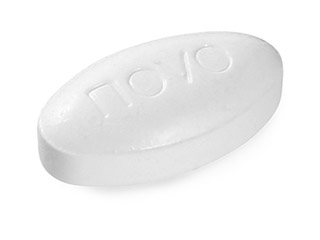
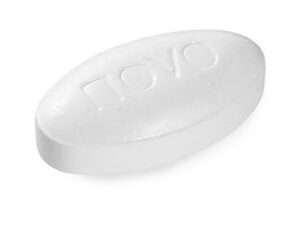
| Form | Oral tablet (taken by mouth) |
| Common dose strengths | Typically 3 mg, 7 mg, and 14 mg tablets (strength may depend on local prescribing and treatment plan) |
| Who it’s for | Adults with type 2 diabetes (and sometimes alongside other diabetes therapies, depending on clinical plan) |
| How it’s taken | Once daily on an empty stomach with water, following specific timing rules |
How Rybelsus works (mechanism of action)
Semaglutide belongs to a class of medicines called GLP-1 receptor agonists. GLP-1 (glucagon-like peptide-1) is a natural hormone that increases after meals and helps the body respond to food. Semaglutide helps by:
- Improving insulin release: It increases insulin secretion when blood glucose levels are high (helping reduce “after-meal” glucose rises).
- Reducing glucagon: It can lower glucagon (a hormone that raises blood sugar), especially after meals.
- Slowing stomach emptying: This can reduce the speed at which glucose enters the bloodstream after eating.
- Supporting appetite regulation: Many people experience reduced appetite, which may contribute to weight changes.
Together, these effects can lead to improved blood glucose control and, for some individuals, weight benefits. Your response can vary; benefits often build gradually as your dose increases and your body adjusts.
Pharmacokinetics (what the body does with the medicine)
Pharmacokinetics describes how a medicine is absorbed, distributed, metabolised, and eliminated. For oral semaglutide, timing and stomach conditions matter because absorption can be affected by food and stomach acid.
- Absorption: Semaglutide is absorbed through the gastrointestinal tract. Correct fasting and taking it with water helps ensure more reliable absorption.
- Peak levels: The medicine reaches peak blood concentrations within a few hours after taking it (timing can vary by individual).
- Half-life: Semaglutide has a long duration in the body, supporting once-daily dosing.
- Metabolism and elimination: Semaglutide is broken down by metabolic pathways, and its components are eliminated mainly via the liver/bile and kidney-related routes. (Exact details may vary and are not typically something patients need to calculate.)
Key takeaway: Because absorption depends on how and when you take it, it’s very important to follow Rybelsus timing instructions consistently.
Typical use and when you’ll notice effects
Rybelsus is used as part of diabetes management, alongside lifestyle measures such as healthy eating and physical activity. It is typically titrated (increased gradually) to improve tolerability.
Many people notice changes in appetite and digestion fairly early. Blood sugar improvements usually develop over days to weeks, with further improvement as the dose is adjusted. Your prescriber will monitor your progress using measures such as HbA1c and fasting or pre-meal glucose readings.
Timing: how to take Rybelsus correctly
The most important practical aspect of oral semaglutide is that it must be taken in a specific way to help absorption. Follow these standard instructions:
- Take once daily. Choose a time you can consistently maintain.
- Take on an empty stomach. Aim for at least 8 hours fasting (for example, first thing in the morning after an overnight fast).
- With a small sip of water. Use plain water only. Do not take with coffee, juice, milk, tea, or other beverages.
- After swallowing, wait before eating. Wait at least 30 minutes before having food, beverages (except water), or other oral medicines.
- Swallow the tablet whole. Do not split, crush, or chew unless your local product instructions specify otherwise.
If you miss a dose, the approach depends on how close it is to the next scheduled dose. General guidance is often to take it as soon as you remember if you’re within the same day routine and still have enough time before eating. If you’re unsure, ask a pharmacist or clinician for advice tailored to your schedule.
Food interactions and stomach conditions
Food can significantly reduce how well oral semaglutide is absorbed. This is why Rybelsus must be taken on an empty stomach and followed by a waiting period before eating.
- Avoid taking with food: Eating before the required wait can lower absorption and reduce effectiveness.
- Mind beverages: Only water should be taken with the tablet; avoid other drinks at the time of dosing.
- Be cautious if you have severe digestive issues: If you experience significant nausea, vomiting, or symptoms suggesting delayed gastric emptying, talk to a healthcare professional promptly.
Other medicine absorption issues
Because you must wait before taking other oral medicines, it’s important to plan your morning routine. If you take tablets for conditions such as thyroid disease, blood pressure, cholesterol, or stomach acid, discuss with your pharmacist how to space them around your Rybelsus dose.
Alcohol and medicine interactions
Alcohol can affect blood sugar and may worsen stomach side effects (such as nausea, indigestion, or reflux). It’s best to limit alcohol and monitor your glucose if you choose to drink.
Possible interaction considerations
- Alcohol and glucose: Alcohol can cause blood sugar levels to drop, especially if combined with other diabetes medicines that also lower glucose.
- Stomach side effects: Alcohol may increase the likelihood of nausea or indigestion, which are known possible effects of GLP-1 receptor agonists.
- Hypoglycaemia risk (low blood sugar): Rybelsus alone usually has a low risk of hypoglycaemia, but the risk can increase if you take it with insulin or medicines called secretagogues (for example, sulfonylureas). Alcohol can add to this risk in some situations.
For specific interactions, it’s important to consider your full medication list. A pharmacist can help check interactions, including over-the-counter medicines and supplements.
Indications: what Rybelsus is used for
Rybelsus is used to improve blood sugar control in adults with type 2 diabetes. In many treatment plans, it may be used:
- As monotherapy when metformin is not suitable or not tolerated, depending on clinical circumstances.
- In combination with other diabetes medicines to improve glycaemic control.
Individual suitability depends on your medical history, other medicines, kidney and liver function, and overall cardiovascular risk. Your healthcare team will guide the best approach for your situation.
Dosing: typical approach and dose titration
Dosing for oral semaglutide is commonly started at a lower strength to improve tolerance, then increased gradually. Follow the dose described in your treatment plan and the product instructions provided with your supply.
General titration concept (may vary)
- Starting dose: often 3 mg once daily for an initial period.
- Increase: then commonly increased to 7 mg once daily.
- Further increase: in some people, increased again to 14 mg once daily if needed and tolerated.
Dose adjustments are typically based on:
- Glycaemic targets (HbA1c and glucose readings)
- Tolerability (particularly gastrointestinal side effects)
- Body weight changes and overall health status
Don’t change your dose: If you feel unwell or experience side effects, contact a clinician or pharmacist rather than altering dosing yourself.
Safety profile: what to know before and during treatment
Like all medicines, Rybelsus can cause side effects. Most are mild to moderate and often occur early in treatment or after dose increases. Below is a patient-friendly overview; always read your specific product information and seek advice for your individual situation.
Common side effects
- Nausea
- Diarrhoea
- Vomiting
- Constipation
- Abdominal (stomach) discomfort
- Decreased appetite
- Indigestion / reflux
Serious or important risks to be aware of
Some adverse effects require urgent medical attention. If you experience any concerning symptoms, seek prompt medical advice.
- Signs of pancreatitis: severe persistent abdominal pain (sometimes radiating to the back), with or without vomiting. If suspected, seek urgent assessment.
- Gallbladder problems: pain in the upper right abdomen, fever, or jaundice.
- Low blood sugar: risk increases when combined with insulin or certain diabetes tablets (such as sulfonylureas). Symptoms include sweating, tremor, dizziness, confusion, or palpitations.
- Dehydration: due to vomiting or diarrhoea, which can affect kidney function in some people.
- Hypersensitivity reactions: rash, swelling, or breathing difficulties—seek urgent care.
- Thyroid tumour concerns (class warning): GLP-1 receptor agonists have warnings based on animal studies. Patients with certain thyroid tumour history should avoid these medicines. Discuss your personal and family history with your clinician.
Who should use extra caution?
- People with a history of pancreatitis
- People with severe gastrointestinal disease (for example, significant gastroparesis symptoms)
- People at higher risk of dehydration (for example, frequent vomiting/diarrhoea, older adults)
- People taking medicines that may increase hypoglycaemia risk (especially insulin or sulfonylureas)
Practical use tips for better comfort and success
Many side effects related to GLP-1 medicines relate to dose and rate of increase. Practical steps can help you tolerate treatment more comfortably.
- Eat smaller meals: If you feel full quickly, choose smaller portions. A slower eating pace can help.
- Choose simpler-to-digest foods: During the first weeks, bland and low-fat options may be easier.
- Hydrate: Particularly if you have nausea, vomiting, or diarrhoea. Small sips more frequently may be easier than large amounts at once.
- Don’t “double up” after vomiting: If you vomit soon after taking the tablet, follow guidance from your clinician/pharmacist rather than automatically taking another dose.
- Track glucose if needed: If you’re on insulin or sulfonylureas, monitor blood sugar more closely to reduce hypoglycaemia risk.
- Plan your morning routine: Keep water, your tablet, and a timer for the 30-minute wait. This can make a big difference for absorption and adherence.
- Report persistent symptoms: If nausea or vomiting becomes severe or lasts, seek advice—dose adjustments or supportive treatment may be needed.
Missed dose and flexibility
If you forget a dose, don’t take extra tablets to “catch up” unless instructed. Because Rybelsus relies on a fasting routine, the most appropriate action depends on your timing and how far you are from your next dose. For best safety, consult a pharmacist for guidance specific to your missed dose.
Alternative options (if Rybelsus isn’t suitable)
There are multiple approaches to type 2 diabetes management. Alternatives may include:
Other GLP-1 receptor agonists
- Injectable GLP-1 medicines (administered by pen) may be considered if oral dosing is not suitable or tolerability is an issue.
- Dose schedules vary by product; a clinician can match the option to your needs.
Other medicine classes
- Metformin (often first-line if tolerated)
- SGLT2 inhibitors (help reduce blood sugar by increasing glucose excretion)
- DPP-4 inhibitors
- Insulin and other insulin regimens (when needed for control)
- Sulfonylureas (with attention to hypoglycaemia risk)
- Combination therapies based on individual needs
Switching between options should be guided by your healthcare team, considering blood sugar targets, side-effect profiles, kidney function, heart risk, and convenience.
Market and legal context for Australia
In Australia, medicines such as Rybelsus are regulated by the Australian Therapeutic Goods Administration (TGA). Access to medicines depends on Australian prescribing and dispensing requirements and may involve availability through pharmacies.
Online pharmacies typically operate under Australian regulations, including requirements for:
- verified customer identity and supply processes
- appropriate clinical screening (where applicable)
- safe storage and shipping standards
- pharmacist oversight as required by Australian rules
Regulations can change over time, so availability and supply models may differ among providers. Your pharmacy can confirm the current status for the product strength you need.
Recent guidance and monitoring considerations (general)
Clinical guidance for type 2 diabetes frequently emphasises individualised treatment targets and monitoring for:
- Glycaemic control (HbA1c and glucose patterns)
- Body weight changes
- Gastrointestinal tolerability after starting or increasing dose
- Hypoglycaemia risk when used with insulin or sulfonylureas
- Dehydration risk if diarrhoea or vomiting occurs
Always follow the most up-to-date advice from your healthcare professionals, particularly if you have kidney issues, a history of pancreatitis, or symptoms that could indicate serious adverse effects.
Delivery, availability, and ordering (Australia)
Availability of Rybelsus can vary based on stock levels for specific strengths (for example, 3 mg, 7 mg, and 14 mg) and pharmacy supply schedules. Reliable online pharmacies aim to:
- show accurate stock status
- provide estimated delivery timeframes
- ensure secure packaging for protection during transit
- offer discreet delivery options when available
When ordering, double-check:
- the tablet strength
- the quantity supplied (to match your intended treatment period)
- delivery address details and contact information for delivery updates
If you have urgent needs, ask the pharmacy about alternative options or recommended backup dosing strategies while stock is arranged.
FAQ
1. Is Rybelsus the same as Ozempic?
They are related but not identical. Both contain semaglutide, but Rybelsus is taken as an oral tablet, while Ozempic is typically an injectable form of semaglutide. Your clinician will recommend the best form and dosing plan for you.
2. How long does it take before Rybelsus starts working?
Some people notice appetite and digestive changes within the first few days. Blood sugar improvements generally build over weeks as you move through dose increases and your body adapts. Your HbA1c reflects longer-term control and is assessed periodically.
3. What if I accidentally eat before the 30 minutes are up?
Eating too soon can reduce absorption and effectiveness for that dose. Do not take extra tablets to “compensate.” Resume your routine the next day and consider discussing repeat issues with your pharmacist.
4. Can I take Rybelsus with other morning medications?
Because you must wait at least 30 minutes after taking Rybelsus before eating and before other oral medicines, it may be necessary to adjust the timing of other tablets. Ask a pharmacist how to space your specific medicines safely.
5. Does Rybelsus cause weight loss?
Many people experience weight changes, often due to reduced appetite. However, weight response varies and is not guaranteed. Healthy diet and activity remain important.
6. Can Rybelsus cause low blood sugar?
Low blood sugar is less common with Rybelsus alone. The risk increases if used with insulin or medicines such as sulfonylureas. If you use these, monitor glucose as advised and watch for symptoms.
7. What side effects are most common?
The most commonly reported side effects include nausea, vomiting, diarrhoea, constipation, stomach discomfort, decreased appetite, and indigestion/reflux. These often improve over time, especially with gradual dose titration.
8. When should I seek urgent help?
Seek urgent medical assessment if you have severe persistent abdominal pain (possible pancreatitis), signs of gallbladder problems, symptoms of dehydration that are severe (especially with ongoing vomiting/diarrhoea), breathing difficulties or swelling, or signs of significant low blood sugar.
9. Can I drink alcohol while taking Rybelsus?
Alcohol may worsen stomach side effects and can affect blood sugar. If you drink, do so carefully and monitor glucose if you’re on other diabetes medicines that can cause hypoglycaemia. Consider limiting alcohol and staying hydrated.
10. What should I do if I miss a dose?
Advice depends on how close it is to your next dose and your timing routine. Because Rybelsus dosing depends on fasting and then waiting to eat, it’s best to ask a pharmacist for guidance for your specific situation.
Summary
Rybelsus (semaglutide) is an oral GLP-1 receptor agonist used to improve blood sugar control in adults with type 2 diabetes. Its benefits come from multiple mechanisms, including enhanced insulin response, reduced glucagon, slowed stomach emptying, and appetite regulation. For best results, take the tablet once daily on an empty stomach with water, then wait at least 30 minutes before eating or taking other oral medicines. Side effects are often gastrointestinal and may improve with gradual dose increases. If you experience severe or concerning symptoms, seek prompt medical advice.