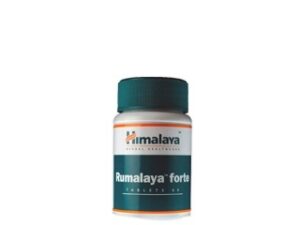
Rumalaya (Australia) — Patient-Friendly Medicine Information
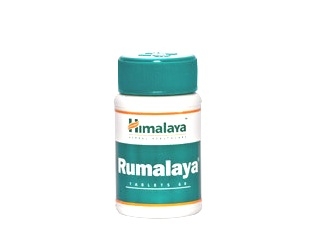
Rumalaya is an oral herbal medicine widely used to help relieve pain and inflammation associated with common musculoskeletal conditions. This page provides patient-friendly guidance on what Rumalaya is, how it works, when and how it’s typically taken, important food and alcohol considerations, safety information, and practical tips.
Important: Always read the product label and follow the directions provided by your pharmacist or the manufacturer. If you have questions about suitability for your personal situation, consult a healthcare professional.
Basic product information
| Category | Details |
|---|---|
| Product name | Rumalaya |
| Form | Oral tablets/capsules (specific presentation may vary by brand/market pack) |
| Common use | Pain relief and anti-inflammatory support for joint and muscle discomfort |
| Typical ingredients | Herbal formulation (exact constituents and strength can vary by product line—check your pack for details) |
| How it’s supplied | Generally available through retail/pharmacy channels depending on local regulation and retailer listings |
What is Rumalaya?
Rumalaya is a traditional-style medicine used for symptomatic relief of pain and inflammation in conditions such as aches, joint stiffness, and discomfort related to everyday wear-and-tear or physical strain. People often choose it as a supportive option alongside lifestyle measures such as gentle movement, stretching, and maintaining a healthy weight.
Because formulations may differ slightly between brands or packaging, it’s important to check the active constituents on your specific pack.
How Rumalaya may work (mechanism of action)
Rumalaya contains a blend of herbal ingredients that may help reduce pain and inflammation through several complementary pathways. While exact mechanisms can vary by formulation, herbal anti-inflammatory approaches commonly include:
- Reducing inflammatory mediators: helping to lower levels of substances that contribute to pain and swelling.
- Supporting joint comfort: reducing stiffness and improving functional comfort during daily activity.
- Antioxidant activity: helping protect tissues from inflammatory stress.
- Local and systemic effects: contributing to symptomatic relief across musculoskeletal tissues.
Bottom line: Rumalaya is generally used for symptom relief—helping you feel more comfortable rather than “curing” an underlying condition.
Pharmacokinetics (how the body handles it)
Pharmacokinetics refers to how a medicine is absorbed, distributed, metabolised, and eliminated. For herbal combination products like Rumalaya, formal pharmacokinetic data may be limited or differ between individual constituents. In general terms, the following patterns are often considered:
- Absorption: Herbal constituents are absorbed through the gastrointestinal tract after oral dosing.
- Metabolism: Components are typically metabolised in the liver and other tissues.
- Distribution: Active compounds may reach target tissues such as joints and muscles via systemic circulation.
- Elimination: Metabolites are removed from the body primarily via renal (urine) and/or biliary (bile) pathways.
Practical implication: Effects can take time to build, especially for inflammatory conditions. Many people notice improvement within days, while longer-term use may be required for consistent symptom control. Follow label instructions and reassess if there is no improvement.
Typical use and indications
Rumalaya is commonly used for the symptomatic treatment of pain and inflammation associated with:
- Joint discomfort (e.g., stiffness and aching)
- Muscle aches and strains
- Shoulder, back, and general body aches related to everyday activity
- Inflammatory pain support as part of an overall management plan
Note: If you have a specific diagnosis (such as osteoarthritis or rheumatoid arthritis), Rumalaya may be used for symptom relief, but it should not replace clinician-directed management for underlying disease.
How to take Rumalaya — timing and dosing
Always check your specific product label. Doses can vary by formulation, strength, and age group. The following is general information to help you understand typical use patterns.
Typical dosing (adults)
- Common adult regimens may include multiple doses daily.
- Many products advise dosing after meals or with regular mealtimes to help reduce stomach upset.
Because this can vary by pack: please refer to the exact dosage instructions on your Rumalaya product box or blister. If you’re unsure, ask your pharmacist.
Timing: when should you take it?
- For best comfort: take it consistently at the times recommended on the label.
- Build-up effects: if used for inflammatory discomfort, steady daily use for several days may be needed before you judge results.
- Missed dose: take it when you remember unless it is close to the next dose. Do not double doses.
How long should you use it?
Some people take Rumalaya during flare-ups or periods of increased discomfort, while others use it as a longer supportive option. If symptoms persist or worsen, seek medical advice. Consider stopping and getting advice if you experience adverse effects.
Food interactions — can you take it with meals?
Herbal medicines can be affected by the presence of food, though major interactions are not always expected. In practical terms:
- Often recommended with/after food: Many people find better tolerance when taking Rumalaya after meals.
- Consistency matters: Take it the same way each day (e.g., always after meals) to maintain steady effects.
- Gastric sensitivity: If you experience nausea or stomach discomfort, try taking it after a meal rather than on an empty stomach.
Food caution: If your Rumalaya pack suggests fasting, specific meal timing, or dietary restrictions, follow that advice.
Alcohol and medicine interactions
Combining alcohol with any medicine can increase the risk of side effects, and alcohol may worsen pain perception and inflammation. For Rumalaya:
- General recommendation: Limit or avoid alcohol while taking Rumalaya, especially if you notice dizziness, stomach upset, or fatigue.
- Medication layering: If you take other medicines regularly, it’s important to check for potential interactions.
Extra caution if you also use:
- Blood thinning medicines (e.g., warfarin)
- Anti-inflammatory drugs (NSAIDs) or other pain relievers
- Medicines affecting the liver
- Diabetes medicines or other chronic therapies
Tell your pharmacist if you take any prescription or non-prescription medicines, as well as supplements. Herbal components can sometimes interact with drug metabolism pathways.
Safety profile — side effects and precautions
Many patients tolerate Rumalaya well. However, as with any medicine, side effects may occur. Report unusual symptoms promptly.
Common side effects (may occur)
- Gastrointestinal discomfort (e.g., mild nausea or indigestion)
- Headache (occasionally)
- Loose stools or changes in bowel habits (occasionally)
Serious side effects (seek urgent medical advice)
- Allergic reactions such as rash, swelling, wheezing, or trouble breathing
- Severe stomach pain, persistent vomiting, or signs of bleeding
- Unexplained bruising or unusual bleeding
- Yellowing of eyes/skin (jaundice) or dark urine (possible liver-related symptoms)
Who should be extra cautious?
- Pregnancy and breastfeeding: Use only if advised by a healthcare professional.
- Children: Safety and dosing may differ—avoid unless the product label indicates suitability.
- Liver or kidney conditions: Speak to a clinician before use.
- History of allergies: Especially allergies to herbal ingredients.
- Upcoming surgery: Inform your surgeon about all medicines and supplements you’re taking.
Drug and herb interaction precautions
Because Rumalaya is a multi-ingredient herbal product, interaction potential can vary. It’s especially important to check before combining with:
- Warfarin and other anticoagulants
- Antiplatelets (e.g., aspirin or clopidogrel)
- NSAIDs like ibuprofen or naproxen
- Other herbal supplements (e.g., turmeric/curcumin blends, ginger high-dose products, or blood-thinning herbs)
Practical use tips (getting the best results safely)
- Be consistent: Take Rumalaya at the same times each day as instructed.
- Track your symptoms: Note pain score, stiffness, and daily function (e.g., walking, climbing stairs) for the first 1–2 weeks.
- Combine with safe movement: Gentle range-of-motion, stretching, and low-impact activity can improve outcomes.
- Heat or cold therapy: Many people find heat helpful for stiffness and cold for swelling or flare-ups.
- Check label directions: Different packs may have different strengths; never assume the same dose across products.
- Avoid doubling up: Don’t take extra doses to “catch up” if you miss a dose.
When to stop and get advice: If symptoms worsen, persist beyond the expected time frame, or you develop new symptoms, consult a healthcare professional.
Alternative options for joint and pain relief
If Rumalaya is not suitable or you’re looking for additional options, consider evidence-based alternatives. Choice depends on your condition, other medicines, and health history.
Non-medicine alternatives
- Physiotherapy and exercise therapy
- Weight management (if applicable) to reduce joint load
- Heat/cold packs and mobility routines
- Supportive footwear and ergonomics
Other medicine options (general categories)
- Topical anti-inflammatory gels (may suit localised joint pain)
- Pain relievers such as paracetamol (where appropriate)
- NSAIDs (e.g., ibuprofen/naproxen) for selected patients—use caution and check suitability
- Other herbal products (e.g., curcumin/turmeric blends), with attention to interactions
Note: Always check ingredient lists and interactions when switching or combining products.
Rumalaya in the Australian market — legal and regulatory context
In Australia, medicines and complementary products are regulated to help ensure safety, quality, and appropriate claims. Depending on the specific product formulation and how it is registered or supplied, Rumalaya may be available through pharmacy or online retailers in line with Australian rules.
- Product listing: Reputable Australian retailers display details such as ingredient composition, directions for use, and warnings.
- Quality and labelling: Look for batch/expiry information, correct labelling, and clear dosing instructions.
- Claims: Products should comply with advertising and therapeutic goods requirements for allowable health claims.
Recent guidance: Regulatory expectations in Australia continue to emphasise responsible use of complementary medicines, accurate labelling, and consumer safety—particularly around interactions and quality. Always use products that provide full label information and purchase from trusted sources.
Delivery and availability (Australia)
Availability of Rumalaya can vary by stock levels and packaging presentation. Many Australian online pharmacies and retailers offer:
- Standard delivery and sometimes express options (depending on location)
- Order dispatch times that may vary by product availability
- Secure packaging to protect tablets/capsules and label integrity
What to check before ordering:
- That the product name and strength match your intended use.
- Expiry date and batch number (if provided online).
- Whether the product is for adult use and matches the directions on the label.
- Shipping availability to your state/territory.
FAQ — Frequently asked questions
1) What is Rumalaya used for?
Rumalaya is commonly used to help relieve pain and inflammation associated with joint and muscle discomfort such as aches, stiffness, and flare-ups related to everyday activity.
2) How quickly does Rumalaya work?
Some people feel symptom improvement within days, while others notice benefits over one to two weeks. Consistent dosing as directed can be important for best results.
3) Can I take Rumalaya with food?
It’s often taken after meals to improve tolerance. Follow your product label for the exact directions.
4) Can I drink alcohol while using Rumalaya?
It’s generally best to limit or avoid alcohol because it may increase the chance of side effects and can worsen overall wellbeing. If you choose to drink, do so moderately and monitor how you feel.
5) What if I miss a dose?
If you remember soon after, take it when you can. If it’s close to the next dose, skip the missed dose—do not double up.
6) Is Rumalaya safe for everyone?
Not necessarily. Extra caution is needed for pregnancy/breastfeeding, children, and people with liver/kidney issues or a history of allergies. Discuss with a pharmacist if you’re unsure.
7) Can Rumalaya interact with other medicines?
Yes, herbal medicines can interact with other medicines or supplements. Tell your pharmacist about all medicines you take, especially anticoagulants, antiplatelets, NSAIDs, and liver-metabolised medicines.
8) What should I do if I get side effects?
Stop use and seek advice if you develop an allergic reaction or severe symptoms (such as swelling, breathing difficulty, or signs of liver problems). For mild gastrointestinal discomfort, taking it after food may help—still consider professional advice if symptoms persist.
9) Can I use Rumalaya alongside physiotherapy or exercise?
Yes. Many people combine supportive movement and physiotherapy with pain-relief strategies. Keep activities gentle and progressive, especially during flare-ups.
10) Are there alternatives to Rumalaya?
Yes. Alternatives include topical anti-inflammatory products, pain relievers where appropriate, NSAIDs (only for suitable patients), and non-medicine approaches like physiotherapy and weight management. Your best choice depends on your symptoms and medical history.
Final reminder
Rumalaya is often chosen for supportive relief of musculoskeletal pain and inflammation. For safest and most effective use:
- Follow the dosing instructions on your specific pack.
- Be mindful of food and alcohol considerations.
- Check interactions with your current medicines and supplements.
- Contact a healthcare professional if symptoms persist or you experience adverse effects.