

Ranitidine (Ranitidine Hydrochloride) – Patient Information
Ranitidine is a medicine used to reduce stomach acid. It belongs to a group of medicines called H2-receptor antagonists. By lowering the amount of acid produced in the stomach, ranitidine can help relieve symptoms such as heartburn and indigestion related to excess stomach acid.
This page provides general, patient-friendly information about ranitidine for consumers in Australia. Always read the packaging and follow the advice of a pharmacist or doctor.
Basic product information
| Category | Details |
|---|---|
| Medicine name | Ranitidine (ranitidine hydrochloride) |
| Class | H2-receptor antagonist (acid reducer) |
| Common uses | Heartburn (reflux), indigestion due to excess acid, and other acid-related conditions |
| How it works | Reduces acid secretion by blocking histamine at H2 receptors in the stomach |
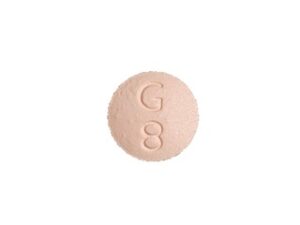
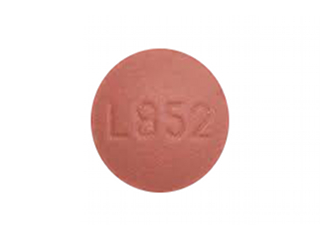
| Common forms | Tablets (strengths vary by product). Some brands/markets may differ. |
Important note for Australia: Availability and brand supply can vary. If you are considering ranitidine, check with your local pharmacy about current stock and alternatives.
How ranitidine works (mechanism of action)
The stomach produces acid to digest food. One way this acid production is stimulated is by a chemical messenger called histamine, which binds to H2 receptors on stomach acid-producing cells.
Ranitidine blocks these H2 receptors. As a result, it reduces:
- Basal acid secretion (the acid your stomach produces between meals)
- Stimulated acid secretion (acid production triggered after eating)
Lower acid levels can help reduce symptoms related to acid reflux and indigestion, and support healing in some acid-related conditions.
Pharmacokinetics (how the body handles the medicine)
Pharmacokinetics describes how the body absorbs, distributes, metabolises, and eliminates a drug. While individual responses can vary, the general process for ranitidine is:
- Absorption: Ranitidine is absorbed from the stomach and intestines after taking a tablet.
- Onset of action: Symptoms often begin to improve within about 1 hour, depending on dose and the person.
- Distribution: The medicine distributes throughout the body, including to tissues where acid secretion occurs.
- Metabolism: It is partly metabolised in the liver.
- Elimination: Most is eliminated via the kidneys (urine).
Your kidney function may affect how long the medicine stays in your system. Older adults and people with reduced kidney function may be advised to use different doses or be monitored more closely.
Typical uses (indications)
Ranitidine is used to treat a range of conditions where stomach acid plays an important role. Typical indications include:
- Heartburn and acid reflux symptoms (for example, burning in the chest, sour taste, regurgitation)
- Indigestion associated with excess acid
- Gastric and duodenal ulcer symptoms associated with increased acid
- Zollinger–Ellison syndrome (a rare condition causing increased acid production)
If symptoms persist, worsen, or return frequently, it is important to seek medical advice so that more serious conditions can be ruled out. In Australia, pharmacists and doctors may recommend evaluation if alarm symptoms are present (see “Safety profile” below).
When and how to take ranitidine (timing and dosing)
Correct timing helps maximise benefit. Ranitidine can be taken at different times depending on your symptoms and the advice provided on your product label.
Typical timing for symptom relief
- For heartburn after meals: taking it after a meal or before symptoms start may help.
- For night-time heartburn: taking it in the evening or before bed may be useful, depending on your product instructions.
General practical rule: If your main symptoms occur after eating, consider taking ranitidine so it’s active around the time acid is produced after meals. If your main symptoms occur at night, timing your dose close to bedtime may help.
How to take it
- Take the tablet with water.
- Swallow whole (unless the product label states otherwise).
- Try to take it at the same times each day if using daily dosing.
Dosing (general information)
Dosing varies by age, the condition being treated, and individual factors such as kidney function. Follow the dosage instructions on the product packaging or as advised by your pharmacist.
For many adults, ranitidine regimens are commonly used in short courses for dyspepsia/heartburn or as part of longer management for ongoing conditions. Because product strengths and local recommendations can differ, the most reliable dosing guidance is the one printed on your specific medicine.
Do not exceed the stated dose on the product label or pharmacist instructions. If you miss a dose, take it when you remember unless it is close to the next dose—then continue with your regular schedule.
Food interactions
Ranitidine is designed to reduce acid production. While it does not usually require strict avoidance of foods, your symptoms may change depending on meals and meal timing.
General guidance
- Large or fatty meals can worsen reflux symptoms despite acid suppression.
- Spicy foods, citrus, tomato-based meals, chocolate, peppermint, and coffee may trigger symptoms in some people.
- Eating smaller meals may reduce reflux.
How to combine with meals
If your pharmacist or product label advises taking ranitidine after meals, follow that instruction. If it is recommended before meals, take it accordingly. Consistent timing can improve symptom control.
Alcohol and medicine interactions
Alcohol
Alcohol may worsen heartburn and reflux by relaxing the valve between the oesophagus and stomach and by increasing irritation. Even though ranitidine reduces acid, symptoms can still occur or worsen after alcohol.
- If you notice that alcohol triggers your symptoms, consider reducing or avoiding it.
- Moderation is generally recommended for people with reflux.
Interactions with other medicines
Ranitidine can interact with some medicines by altering stomach pH or affecting absorption. Always tell your pharmacist what else you take, including:
- over-the-counter medicines
- vitamin/mineral supplements
- herbal preparations
- other reflux medicines
The following are common categories where interactions may be relevant:
- Medicines with pH-dependent absorption (their absorption may change when stomach acid is reduced)
- Some antifungal medicines and certain antibiotics where effectiveness can depend on stomach acidity
- Medicines that rely on normal gastric acid for absorption
Your pharmacist can check interactions based on your specific products and doses.
Safety profile
Like all medicines, ranitidine can cause side effects. Many people experience no or only mild effects, but it’s important to recognise possible reactions and know when to seek help.
Common side effects
- Headache
- Dizziness
- Constipation or diarrhoea
- Fatigue or feeling unwell
- Nausea
Less common but important effects
- Allergic reactions (e.g., rash, itching, swelling, difficulty breathing)
- Confusion or changes in mental state, especially in older adults or those with kidney impairment
- Unusual tiredness or persistent weakness
Seek urgent medical help if you have
- Swelling of the face, lips, tongue, or throat
- Severe allergic rash or breathing difficulties
- Severe or worsening abdominal pain
- Vomiting blood or passing black/tarry stools
- Unexplained weight loss, difficulty swallowing, or persistent vomiting
Who should take extra care
- People with kidney disease (dose may need adjustment)
- Older adults (monitor for confusion or unusual changes)
- People with liver disease (your prescriber may advise monitoring)
- People taking multiple medicines (reduce interaction risk by checking with a pharmacist)
Practical use tips
A medicine works best alongside lifestyle strategies. The tips below can improve reflux and indigestion control.
- Adopt reflux-friendly habits: avoid lying down right after meals; try to stay upright for 2–3 hours.
- Raise the head of your bed slightly if night symptoms occur.
- Maintain a healthy weight if possible, as extra weight increases abdominal pressure.
- Stop smoking if you smoke, as it can worsen reflux and irritation.
- Eat smaller meals and slow down while eating.
- Identify triggers such as coffee, alcohol, spicy or fatty foods.
- Use the correct timing for your symptoms (after meals for post-meal symptoms; before bed for night symptoms).
If you need ranitidine repeatedly or symptoms continue despite use, it may be a sign you need a different approach. Consider speaking with a pharmacist to review the cause and best treatment option.
Alternative options for acid-related symptoms
Depending on your symptoms and medical history, you may have other options available. Common alternatives include:
Other acid-reducing medicines
- Proton pump inhibitors (PPIs): such as omeprazole or esomeprazole (often used for frequent reflux or healing erosive disease)
- Other H2-receptor antagonists: some people may be offered different options within the same medicine family
Fast symptom relief options
- Antacids: can neutralise stomach acid and work quickly for occasional heartburn
- Alginate-based products: can form a “raft” to reduce reflux episodes in some people
Your pharmacist can recommend the most appropriate option based on whether your symptoms are occasional or frequent, your age, and any other medicines you take.
Market and legal context in Australia (availability and guidance)
Medicine availability and regulatory status can change over time due to safety updates, supply arrangements, and guidance from authorities. In Australia, health product decisions are overseen by relevant regulatory bodies and communicated through official channels.
If you are shopping online, please note:
- Product listings may change depending on current supply.
- Brand names and pack sizes can vary.
- Substitutions or alternative therapies may be recommended depending on current guidance.
Recent guidance consideration: Availability and clinical use may be affected by safety communications. If ranitidine is not available, your pharmacist can discuss suitable alternatives that are currently stocked in Australia.
Delivery and availability (online pharmacy considerations)
Availability of ranitidine can vary by brand and supply chain. When ordering online:
- Check the product name, strength, and pack size carefully.
- Review delivery estimates at checkout.
- Store medicines in a cool, dry place as directed on the packaging.
- Keep out of reach of children.
If your chosen product is temporarily unavailable, many pharmacies can offer:
- a comparable alternative for acid reflux
- recommendations based on your symptoms and existing medicines
FAQ about ranitidine
1) What is ranitidine used for?
Ranitidine is used to reduce stomach acid and relieve symptoms such as heartburn and indigestion related to acid reflux or excess acid. It may also be used for certain acid-related conditions as advised by a healthcare professional or product instructions.
2) How quickly does ranitidine work?
Many people notice symptom improvement within about an hour, although timing varies depending on dose, your digestive pattern, and what you have eaten. For night-time symptoms, taking it close to bedtime (as directed) may be helpful.
3) Can I take ranitidine with food?
You can often take ranitidine with or without food, but timing can influence symptom control. Follow the instructions on your specific product label, as recommendations may vary between brands and regimens.
4) Does alcohol make reflux worse?
Yes, alcohol can worsen reflux symptoms in many people. Even with acid reduction, alcohol may increase irritation or reflux episodes. If you notice a connection, reducing or avoiding alcohol may improve comfort.
5) Are there foods I should avoid?
Common triggers include large meals, fatty foods, spicy foods, citrus, tomato-based foods, chocolate, peppermint, and coffee. Everyone is different—consider tracking which foods worsen your symptoms.
6) What if I miss a dose?
Take the missed dose when you remember unless it is close to the time for your next dose. Then continue as usual. Do not take extra to make up for a missed dose.
7) Who should be extra careful when using ranitidine?
Extra care is recommended for people with kidney problems, older adults, and anyone taking multiple medicines. Your pharmacist can help check suitability and interactions.
8) When should I see a doctor?
Seek medical advice urgently if you have red-flag symptoms such as trouble swallowing, vomiting blood, black/tarry stools, chest pain, unexplained weight loss, or persistent severe symptoms. If symptoms persist despite treatment, arrange a review.
9) What are common side effects?
Possible side effects include headache, dizziness, constipation or diarrhoea, nausea, and fatigue. Seek urgent help for signs of allergy (rash, swelling, breathing difficulty) or severe reactions.
10) What are alternatives if ranitidine isn’t available?
Alternatives may include antacids for quick relief, alginate-based products, or other prescription/non-prescription acid reducers such as PPIs or different H2-receptor options. Your pharmacist can recommend the best match for your symptoms.
Summary
Ranitidine is an H2-receptor antagonist that reduces stomach acid and can provide relief for heartburn, indigestion, and other acid-related conditions. Effective use depends on appropriate timing, understanding potential triggers (including food and alcohol), and considering interactions with other medicines.
If you have ongoing symptoms, symptoms that return frequently, or any safety concerns, consult a pharmacist or doctor for tailored advice.