
Hair Loss Cream – Patient Guide (Australia)
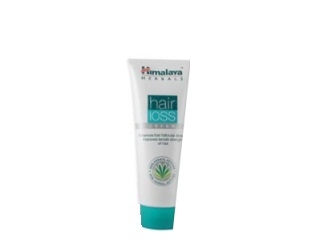
Hair Loss Cream is a topical hair care medicine designed to help with certain types of hair thinning. Applied directly to the scalp, it works locally to support healthier hair growth conditions. This guide explains how the cream works, how to use it, what to expect, and important safety information for customers across Australia.
Please read this page carefully before use. If you have any questions, speak with your pharmacist or healthcare professional.
Key Product Information
- Product type: Topical hair loss medicine (cream)
- Target area: Scalp
- How it’s used: Applied to dry scalp skin in a measured amount
- Typical timeline: Results often take time; consistent daily use is important
- Common aim: Reduce hair thinning and support regrowth in suitable cases
Note: Formulations and strengths can vary between brands and products. Always check the label and follow the specific directions provided with your cream.
Indications (What It’s Used For)
Hair Loss Cream is generally intended for people experiencing scalp hair thinning associated with conditions such as:
- Androgenetic alopecia (often called male or female pattern hair loss)
- Scalp hair thinning where a topical treatment is appropriate
It may be suitable for certain early to moderate patterns of thinning. If you’re unsure what type of hair loss you have, a pharmacist or doctor can help assess your pattern and guide the best approach.
Mechanism of Action (How It Works)
The exact mechanism depends on the active ingredient in the cream. Many hair loss topical medicines work by:
- Supporting hair follicle activity: helping hair follicles move into a more active growth phase
- Increasing the effective growth environment: influencing local scalp biology that affects hair cycle activity
- Improving the likelihood of thicker regrowth: reducing the progression of thinning in suitable users
Topical treatments work gradually. Hair growth occurs in cycles, so changes typically appear after repeated use over weeks to months rather than days.
Pharmacokinetics (Absorption, Distribution, and Elimination)
Because Hair Loss Cream is applied to the scalp, most of its action is local. However, some amount may be absorbed through skin.
- Absorption: Absorption through intact scalp skin can occur to a limited extent.
- Distribution: Absorbed drug can distribute into the body, but levels from typical scalp use are generally low.
- Metabolism: The active ingredient is metabolised in the body (exact pathways depend on the ingredient).
- Elimination: Metabolites and/or the active drug are removed primarily through the kidneys.
Absorption may be increased if you apply the cream to broken, irritated, or inflamed skin, or if you use higher-than-recommended doses. Always follow label instructions.
Typical Use (Who It’s For and How It Fits Into Care)
Hair Loss Cream is used as a daily topical treatment to help manage hair thinning. It is not an immediate cosmetic fix; it is a longer-term approach to scalp hair cycling.
In practical terms, successful use often depends on:
- Correct application: reaching the scalp areas with thinning
- Consistency: applying on schedule every day
- Time: allowing follicles enough time to respond
- Suitability: using it for the appropriate pattern of hair thinning
When to Start Seeing Results (Timing)
Hair growth is slow. Most people need patience and consistent application. Typical timelines (may vary by individual) include:
- First noticeable changes: around 4–8 months
- Further improvement: continuing up to 12 months or longer with ongoing use
- Stopping use: benefits may gradually diminish when treatment is discontinued
If you see no improvement after the recommended evaluation period on the product label (often around 6–12 months depending on the product/ingredient), speak with your pharmacist or doctor to review your regimen.
Dosing and How to Apply
Follow the directions on your specific product packaging. The information below is general guidance for topical hair loss creams.
Typical adult dosing approach
- Frequency: often once or twice daily, depending on the product strength and label directions
- Amount: use the measured dose indicated on the package (for example, a specific number of grams or pump actuations)
- Area: apply to the thinning areas of the scalp (not all over the body)
Step-by-step practical application
- Start with dry scalp: apply to clean, dry scalp skin unless the product label instructs otherwise.
- Part the hair: gently part hair to expose the scalp in the thinning area.
- Apply the cream: use your fingers to spread lightly into the scalp at the target sites.
- Wash hands after use: unless the label suggests otherwise, wash hands thoroughly to avoid transfer to eyes, mouth, or other body parts.
- Avoid washing immediately: follow the label guidance—often you should not wash the treated area for a few hours after application.
- Continue daily: do not stop after a short trial.
Important: If you accidentally apply too much, contact your pharmacist for advice. Do not double up doses to “catch up.”
Food Interactions
Because this is a topical scalp treatment, food interactions are generally not expected to be significant. However, as with any medicine, individual absorption and overall tolerance can vary.
- No specific food restrictions are typically required for topical hair loss creams.
- If you notice side effects (such as dizziness, headache, palpitations, or scalp irritation), reassess adherence and consult a healthcare professional.
Alcohol and Medicine Interactions
Alcohol
There is generally no direct, well-defined alcohol interaction for most topical hair loss creams. However, because some absorption may occur and because alcohol can affect your circulation and tolerance of side effects, it’s wise to be cautious:
- Moderate alcohol is unlikely to cause problems for most people.
- If you experience dizziness, light-headedness, or palpitations, consider reducing alcohol intake and seek advice.
Other medicines
Interactions can depend on the active ingredient and your personal medical history. For example, medicines that affect blood pressure or vascular function may be relevant if systemic absorption occurs.
- Tell your pharmacist about all medicines you use, including prescription medicines, pharmacist-only products, vitamins, and herbal supplements.
- Be especially careful if you take medicines for blood pressure or heart-related conditions.
- If you have any kidney impairment, ask a pharmacist whether topical use is suitable for you.
Safety Profile (Side Effects and When to Stop)
Hair Loss Cream is generally well tolerated when used correctly. Still, any medicine may cause side effects.
Common scalp-related effects
- Scalp irritation (redness, itching, dryness)
- Flaking or increased scalp sensitivity
- Dryness around the applied area
These are often mild and may improve after the body adjusts. If irritation is severe or persistent, pause use and speak with a pharmacist.
Other possible effects (less common)
- Headache
- Dizziness or feeling light-headed
- Swelling (for example, hands/feet)
- Changes in heart rate (palpitations)
Seek urgent medical advice if you notice
- Chest pain or severe shortness of breath
- Fainting
- Severe allergic symptoms (face/lip swelling, rash, wheezing)
Who should ask for advice before using
- People with heart or blood pressure conditions
- Those with kidney problems
- Pregnant or breastfeeding people (discuss suitability with a healthcare professional)
- Children and adolescents (use only if specifically recommended for the correct age group)
Practical Use Tips for Best Results
The following tips can improve effectiveness and reduce side effects:
- Apply to the scalp, not just hair strands: part hair so the cream contacts skin at the thinning area.
- Use consistent timing: choose a time each morning/evening that you can maintain.
- Don’t overuse: more product does not equal faster results and may increase irritation.
- Keep the area dry: avoid heavy water exposure immediately after application.
- Manage scalp health: if you have dandruff or dermatitis, treat it appropriately with advice.
- Watch for irritation: if you get significant redness or burning, stop and seek guidance.
- Be patient with shedding: some people experience temporary increased shedding early in treatment, which can be part of the hair cycle transition (not a reason to stop without advice).
Stopping or Missing a Dose
- Missing a dose: apply as soon as you remember, unless it’s close to the next dose—then skip and continue as usual.
- Do not double up: avoid using extra cream to compensate.
- Stopping treatment: hair-thinning benefits may fade over time after discontinuation.
Alternative Options for Hair Thinning
Hair loss can have many causes, including hormonal factors, genetics, stress, nutrition, scalp conditions, and certain illnesses. Depending on your situation, alternatives may include:
Topical and other over-the-counter approaches
- Other topical hair loss treatments: different active ingredients may be available in Australia depending on brand and strength.
- Scalp care for dandruff/dermatitis: medicated shampoos can help if inflammation contributes to shedding.
Non-medicine options
- Hair styling and camouflage: fibres, gentle volumising products, and suitable haircuts
- Low-level light therapy (where suitable): some devices are marketed for hair thinning—discuss evidence and safety with a clinician
- Medical evaluation: if hair loss is sudden, patchy, painful, or accompanied by other symptoms
If you have rapidly worsening hair loss, bald patches, scalp pain, or signs of infection, seek professional assessment rather than relying only on topical creams.
Market and Legal Context for Australia
Medicines sold in Australia are regulated under the Australian regulatory framework managed by the TGA (Therapeutic Goods Administration). Hair loss products may be classified as:
- Listed, Registered, or supplied as pharmacy-only products depending on active ingredient, concentration, and claims.
- In some cases, products containing certain medicines may be available through pharmacies or under pharmacist supervision.
Our online pharmacy aims to provide access to appropriate hair thinning products while supporting safe use and correct information. Packaging, directions, and permitted indications can vary by product—always follow the instructions that come with your specific item.
Recent Guidance and Practical Updates
Over time, health authorities and product guidance may be updated regarding safe use, contraindications, and patient counselling—especially around irritation, systemic side effects, and correct application technique.
- Correct scalp application is consistently emphasised to reduce waste and irritation.
- Stop and seek advice for significant adverse reactions.
- Realistic expectations about timelines (months, not weeks) are repeatedly highlighted.
For the most accurate guidance for your product, refer to the label directions and talk to a pharmacist if you’re uncertain.
Delivery and Availability in Australia
Hair Loss Cream is available through online pharmacies and selected retailers in Australia, depending on classification and stock. Delivery timelines vary by location and shipping service.
- Availability: subject to supplier stock and product strength/variant
- Delivery: typically Australia-wide with standard and express options where available
- Packaging: products are sent in original packaging with consumer information
If you need help choosing the right product strength or formulation, our pharmacy team can assist you before dispatch.
FAQ – Hair Loss Cream
1) How soon will I see results?
Hair growth is slow. Many people notice changes after around 4–8 months, with further improvement continuing up to 12 months or longer. Consistent daily use is key.
2) Can I use Hair Loss Cream if I have sensitive skin?
You may be able to, but start carefully. If you have a history of scalp dermatitis or severe sensitivity, ask a pharmacist before use. Avoid applying to broken or inflamed skin.
3) What if I experience shedding at the beginning?
Temporary increased shedding can occur as part of the hair cycle. Continue only if side effects remain mild. If shedding is severe or you develop strong scalp irritation, stop and seek advice.
4) How do I apply it—should I massage it in?
Apply to the thinning area and gently spread into the scalp with your fingertips. Avoid vigorous rubbing, which can increase irritation.
5) Can I wash my hair right after applying?
Follow the product label. Many topical creams instruct you to wait a few hours and to wash hands thoroughly after application. Avoid washing immediately unless stated on the packaging.
6) Is it safe with other hair products (shampoo, conditioner, gels)?
Usually, yes—however, apply the cream first (as directed), and avoid layering strongly irritating products right over the treated scalp during the first period of use if your skin is sensitive. If you develop redness or burning, review your routine and talk to a pharmacist.
7) What if I miss a dose?
Apply when you remember unless it’s near your next dose. Do not double up.
8) Can I drink alcohol while using it?
There is generally no specific alcohol restriction for topical hair loss creams. Still, if you experience dizziness, palpitations, or other side effects, reduce alcohol and seek advice.
9) Are there interactions with other medicines?
Tell your pharmacist about all medicines you use, especially blood pressure or heart-related medicines. While topical absorption is generally low, your health circumstances may influence safety.
10) Who should not use it without medical advice?
Ask a healthcare professional before using if you have heart/blood pressure conditions, kidney impairment, are pregnant or breastfeeding, or if the product is intended for use in children (unless specifically recommended).
Product Reference Table (Quick Facts)
| Category | What to know |
|---|---|
| Use | Topical treatment for scalp hair thinning in suitable individuals |
| Where to apply | Thinning areas of the scalp |
| How often | Once or twice daily, depending on label directions |
| Typical timeframe | Improvements often take months; consistent daily use matters |
| Common side effects | Scalp irritation, itching, dryness (usually mild) |
| Hand hygiene | Wash hands after use to prevent accidental transfer |
| When to seek help | Severe irritation, allergic reactions, or systemic symptoms (e.g., chest pain, fainting) |
Final Notes
Hair thinning can be emotionally challenging. Hair Loss Cream offers a patient-friendly, consistent, topical option for appropriate scalp thinning. For the best chance of success, use it correctly, remain consistent, and give it time to work. If you’re unsure whether your hair loss is suitable for this type of treatment, or if you experience side effects, contact your pharmacist for personalised advice.
Always check the label for your specific product strength and directions, and do not use more than the recommended dose.