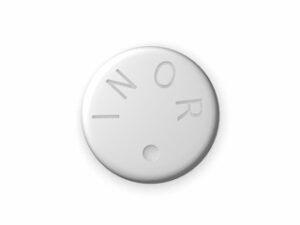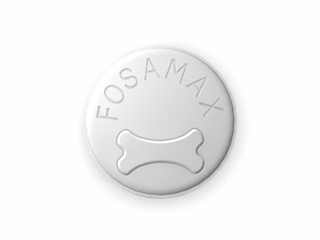

Fosamax (Alendronate) – Patient Information (Australia)
Fosamax is a brand of alendronate, a medicine used to help treat and prevent bone thinning conditions such as osteoporosis. If you’ve been prescribed (or are considering) Fosamax, it’s helpful to understand how it works, how to take it safely, and what to expect.
This information is written for patients in Australia and explains key points in everyday language. Always follow your doctor or pharmacist’s instructions and the product label directions. If anything is unclear, ask a healthcare professional before starting.
Quick product overview
| Feature | Details |
|---|---|
| Active ingredient | Alendronate (as alendronate sodium) |
| Drug class | Bisphosphonate |
| Common dosing schedule | Often once weekly or once daily (depending on the product and your situation) |
| Main use | Osteoporosis treatment and prevention; other approved indications |
| How it’s taken | Orally with strict timing: upright posture + plain water + no food for a period after dosing |
| Important safety note | Stomach/oesophagus irritation can occur if not taken correctly |
How Fosamax works (mechanism of action)
Alendronate belongs to the bisphosphonate family. Bisphosphonates slow down the activity of osteoclasts—cells that break down bone. By reducing bone resorption, alendronate helps:
- Maintain or increase bone mineral density
- Reduce the risk of fractures, especially hip and spine fractures
Over time, the balance between bone breakdown and bone rebuilding can improve, leading to stronger bone structure.
Pharmacokinetics (how the body handles it)
Understanding pharmacokinetics can help you appreciate why timing with food and drinks is so important.
- Absorption: Alendronate is absorbed from the gastrointestinal tract only in small amounts. Absorption can be significantly reduced by food, drinks other than plain water, and minerals (such as calcium, iron, magnesium).
- Distribution: After absorption, it binds strongly to bone and remains there for a long time.
- Metabolism: Alendronate is not meaningfully metabolised in the body.
- Elimination: It is excreted largely unchanged via the kidneys.
Because absorption depends heavily on taking Fosamax correctly, following the “morning/empty-stomach” or “weekly” instructions matters for effectiveness and safety.
Typical uses (indications)
Fosamax is used to prevent and treat bone loss conditions. Depending on the strength and dosing schedule, it may be indicated for:
- Osteoporosis in postmenopausal women (to reduce fracture risk)
- Osteoporosis in men at increased fracture risk
- Glucocorticoid-induced osteoporosis (bone thinning due to long-term steroid use)
- Paget’s disease of bone in certain situations (specific regimens and specialist guidance apply)
- Prevention of osteoporosis in people at risk, where appropriate
Your healthcare professional will choose the indication and dose based on your bone density results, fracture risk, age, and medical history.
When and how to take Fosamax (timing and administration)
Fosamax must be taken in a way that reduces the risk of irritation to the oesophagus (food pipe) and improves absorption. The key is the combination of empty stomach + plain water + staying upright.
Standard administration instructions
- Choose an appropriate time:
- If taking once daily: take it in the morning unless your clinician advises otherwise.
- If taking once weekly: take it on the same day each week.
- Take on an empty stomach: take Fosamax after an overnight fast (or at least the period stated on your product directions).
- Swallow with plain water only: use a full glass of water (commonly around 200 mL).
- Stay upright: remain upright (standing or sitting) for at least the time stated on the label after swallowing (commonly 30 minutes for many oral bisphosphonates).
- No food or other drinks first: do not eat or drink anything (except plain water) for the period stated on the label (often at least 30 minutes; sometimes longer for specific products).
- Do not lie down: lying down too soon increases the risk of reflux and oesophageal irritation.
If you miss a dose
If you miss a daily dose, take it when you remember—unless it’s close to your next scheduled dose. For weekly dosing, follow the schedule in your product instructions or the advice from your pharmacist.
Because missed-dose rules can differ, check the label for your exact regimen or ask your pharmacist for personalised guidance.
Food interactions and why they matter
Food can dramatically reduce alendronate absorption. This is one reason for the strict empty-stomach instructions.
Things to avoid around the dose
- Food (including light snacks) soon after taking the tablet
- Milk, tea, coffee, juice and other non-water drinks
- Calcium, iron, magnesium supplements and multivitamins
How long to separate from minerals
Calcium and mineral supplements (including antacids and some heartburn remedies) can reduce absorption. Your pharmacist can advise on a safe separation time. In many regimens, minerals are taken later in the day, after Fosamax has been taken and the absorption window has passed.
Alcohol and Fosamax
Moderate alcohol is not usually a direct interaction with alendronate, but there are important practical considerations:
- Bone health: heavy or frequent alcohol intake can contribute to bone weakness and increased fall risk.
- Oesophagus irritation: alcohol and reflux can worsen symptoms in some people, making correct administration even more important.
If you drink alcohol regularly or have reflux/oesophagitis symptoms, discuss this with your healthcare professional.
Other medicine interactions
Several medicines can affect Fosamax’s absorption or increase gastrointestinal side effects. Tell your pharmacist or doctor about all medicines you take, including over-the-counter products.
Medicines/supplements most commonly relevant
- Calcium supplements and antacids: reduce absorption if taken too close to the dose.
- Iron supplements and multivitamins containing minerals: separate from Fosamax.
- Other oral medicines that irritate the oesophagus (e.g., some tablets that can cause heartburn in sensitive people): discuss timing and tolerability.
- Non-steroidal anti-inflammatory drugs (NSAIDs) (e.g., ibuprofen, naproxen): may increase gastrointestinal discomfort in some patients. Use as advised and report persistent stomach pain.
Kidney function considerations
Alendronate is eliminated by the kidneys. People with reduced kidney function may require caution or an alternative treatment strategy. Your clinician may check kidney function tests before and during treatment.
Correct dosing (typical adult regimens)
The most suitable dose depends on the indication (for example, postmenopausal osteoporosis vs glucocorticoid-induced osteoporosis), your age, and your product strength. Common regimens include:
- Once weekly dosing (very commonly used for osteoporosis)
- Once daily dosing (depending on the approved regimen)
- Higher-dose, specialist regimens for some conditions (e.g., Paget’s disease) are different from osteoporosis regimens
Important: follow your specific pack instructions
Fosamax products come in different tablet strengths and schedules. Always confirm:
- How many milligrams are in your tablet
- Whether your schedule is weekly or daily
- Which instructions apply to your exact product
If you are unsure, consult the label on your medication or ask your pharmacist.
Safety profile and warnings
Like all medicines, Fosamax can cause side effects. Many people tolerate it well when taken correctly, but there are several important safety points.
Common side effects
- Heartburn or reflux
- Stomach discomfort, nausea
- Abdominal pain
- Headache (sometimes)
- Muscle or joint aches (may occur, especially after starting)
Serious but less common risks
- Oesophagitis and oesophageal ulcers: risk increases if the tablet is not taken with sufficient water or if you lie down too soon after dosing. Seek urgent medical advice if you develop difficulty swallowing, pain on swallowing, or chest pain.
- Hypocalcaemia (low calcium): may occur in people with vitamin D deficiency or low baseline calcium. Symptoms can include tingling around the mouth, muscle cramps, or spasms. Your clinician may check or supplement calcium/vitamin D if needed.
- Osteonecrosis of the jaw (ONJ): has been reported with bisphosphonates in some patients, often after invasive dental procedures. Maintain good oral hygiene and inform your dentist that you take alendronate.
- Atypical femur fractures: rare stress-related fractures have been reported with long-term bisphosphonate use. Report persistent, unusual thigh or groin pain promptly.
Who needs extra caution?
- People with a history of oesophageal disease (e.g., strictures, severe reflux, previous oesophagitis)
- People who cannot remain upright for the required period after taking the tablet
- People with low calcium or vitamin D deficiency (may require correction before treatment)
- People with poor kidney function (dose suitability depends on kidney tests)
When to contact a healthcare professional urgently
- Severe or persistent heartburn or chest pain
- Difficulty swallowing or painful swallowing
- Symptoms of low calcium (tingling, spasms)
- Jaw pain, swelling, non-healing sores after dental work
- Persistent thigh or groin pain
Practical tips to take Fosamax successfully
- Use plain water only: avoid coffee, tea, milk, or juice for your dose.
- Keep yourself upright: set up your morning routine so you can stay sitting/standing.
- Don’t multi-task: take it first thing as intended; don’t delay your breakfast.
- Separate supplements: take calcium/vitamins later in the day unless your pharmacist instructs otherwise.
- Plan dental care: tell your dentist and hygienist you’re using alendronate before dental procedures.
- Stay hydrated: aim for adequate fluid intake unless restricted by your doctor.
- Consider a routine: for weekly dosing, link it to a calendar reminder on the same day each week.
How long to use Fosamax (and reviews of treatment)
Osteoporosis treatment is typically long-term. Many guidelines suggest periodic review of therapy based on fracture risk, bone density results (e.g., DEXA scans), and overall risk/benefit. Your clinician may advise continuing, adjusting, or sometimes stopping (a “drug holiday”) depending on your risk profile and duration of therapy.
Do not stop Fosamax without medical advice—bone protection benefits can diminish if treatment is discontinued.
Alternative options to Fosamax (alendronate)
If Fosamax isn’t suitable due to side effects, swallowing issues, preferences, or other medical factors, there are several alternative treatments for osteoporosis and fracture prevention.
Other medication options
- Other bisphosphonates (for example, risedronate, ibandronate, zoledronic acid)
- Denosumab (injection; a different mechanism from bisphosphonates)
- Selective oestrogen receptor modulator (SERM) (some options for specific patients)
- Anabolic/formation-stimulating therapies (selected cases with very high fracture risk)
- Hormone therapy (where appropriate, based on menopausal status and risk)
How to choose an alternative
Your best option depends on:
- Your fracture risk and bone density results
- Ability to follow dosing instructions (especially staying upright)
- Kidney function and other medical conditions
- Convenience and your preferences (oral vs injection)
Fosamax in the Australian market: legal and guidance context
In Australia, osteoporosis medicines are regulated under the Australian health and medicines framework, including evaluation for safety, quality, and effectiveness. Bisphosphonates like alendronate are widely used as standard therapy for osteoporosis.
Australian healthcare providers also consider national guidance for osteoporosis management, fracture risk assessment, and ongoing monitoring. Recommendations typically emphasise:
- Assessment of fracture risk (e.g., bone density and clinical risk factors)
- Appropriate medicine selection and correct administration
- Ensuring adequate calcium and vitamin D intake (where appropriate)
- Lifestyle measures (exercise, fall prevention, smoking cessation, alcohol moderation)
Guidance may be updated over time. For the most current recommendations tailored to your situation, rely on advice from your healthcare team and reputable Australian sources.
Recent practical guidance themes (patient-facing)
- Correct dosing technique remains a key safety priority, particularly to reduce oesophageal injury.
- Bone health checks (calcium, vitamin D, kidney function) are commonly considered before and during treatment.
- Dental and jaw health awareness continues to be emphasised, especially before invasive dental procedures.
Delivery and availability in Australia
Fosamax (alendronate) may be available through pharmacies and approved online pharmacy channels in Australia, depending on local availability and supply. Delivery options can vary by supplier, location, and stock status.
- Stock availability: Some strengths or pack sizes may sell out temporarily.
- Delivery timeframes: Often depend on your postcode and courier service.
- Package handling: Keep the tablets in a cool, dry place as stated on the pack.
If you need a specific strength or dosing schedule, contact customer support or check product listings for current availability.
Storage
- Store at room temperature, away from moisture and heat.
- Keep in the original packaging to protect from humidity.
- Keep out of reach of children.
FAQ – Fosamax (Alendronate)
1) What is Fosamax used for?
Fosamax (alendronate) is used to treat and/or prevent osteoporosis and to reduce fracture risk. It can also be used in other approved bone-related conditions depending on your circumstances.
2) Can I take Fosamax with food or coffee?
Best practice is to take Fosamax on an empty stomach and swallow it with plain water only. Food, coffee, tea, and other drinks can reduce absorption. Follow your exact label instructions.
3) How do I take Fosamax to avoid heartburn?
Take it with a full glass of plain water, remain upright for the required time after swallowing, and avoid lying down before the minimum interval stated on your label. If heartburn continues, speak with a pharmacist or doctor.
4) Can I take calcium or vitamin D with Fosamax?
Many people need calcium and vitamin D for bone health. However, calcium/vitamins can interfere with absorption if taken too close to Fosamax. Ask your pharmacist about the best timing for your schedule.
5) Is it safe to drink alcohol while taking Fosamax?
Moderate alcohol is not usually a direct interaction with alendronate. Still, heavy alcohol intake can harm bone health and can worsen reflux symptoms. Keep alcohol moderate and report reflux-related problems.
6) What should I do if I miss a dose?
Missed-dose instructions vary between daily and weekly regimens. Check your product label or ask a pharmacist for guidance specific to your schedule and pack strength.
7) What side effects are most common?
Common effects include heartburn, stomach discomfort, nausea, and abdominal pain. If you develop severe or persistent swallowing problems or chest pain, seek urgent medical advice.
8) Should I get dental check-ups while using Fosamax?
Yes. Maintain good oral hygiene and regular dental care. Inform your dentist you are taking alendronate, especially before procedures like tooth extractions or implants.
9) How long does Fosamax take to work?
Bone density changes can take months to years to show clearly. Reduction in fracture risk generally relates to longer-term treatment. Your clinician may monitor progress with bone density tests and overall risk review.
10) What if I have kidney problems?
Kidney function can affect suitability for alendronate. Your clinician may assess kidney tests before prescribing and if there are concerns during treatment.
Important: If you have symptoms such as difficulty swallowing, painful swallowing, chest pain, or severe reflux after taking Fosamax, stop taking it and seek prompt medical advice. Always follow the specific instructions on your tablet pack and advice from your healthcare professional.