Diane 35 (Cyproterone acetate 2 mg + Ethinylestradiol 35 micrograms) – Patient Guide (Australia)
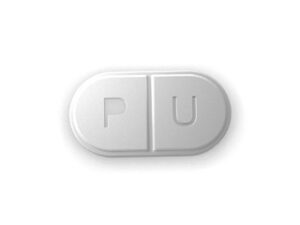
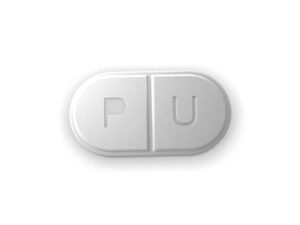
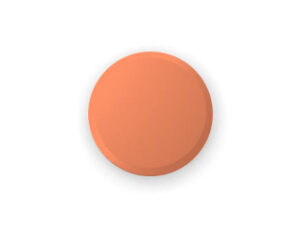
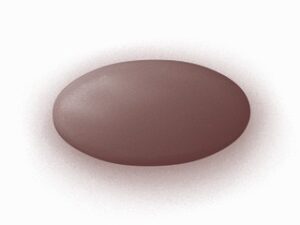
Diane 35 is a combined oral medicine containing cyproterone acetate and ethinylestradiol. It is used for specific hormone-related skin and hair conditions in appropriate people, and it may also act as a contraceptive when taken correctly. This page is written to help you understand how Diane 35 works, how it’s used, what to expect, and what safety considerations are important in Australia.
Quick product information
| Feature | Details |
|---|---|
| Medicine name | Diane 35 |
| Active ingredients | Cyproterone acetate 2 mg + Ethinylestradiol 35 micrograms |
| Type | Combined oral hormonal medicine (estrogen + progestin) |
| How it’s taken | Oral tablet once daily |
| Usual cycle | 21 active tablets per pack followed by a break (commonly 7 days) |
| Common goals | Acne control; treatment of unwanted hair growth related to androgen sensitivity (in selected cases) |
How Diane 35 works (mechanism of action)
Diane 35 combines two hormones with complementary effects:
- Ethinylestradiol is an estrogen. In combined pills, it helps regulate the menstrual cycle and works with progestin to suppress ovulation (when taken correctly).
-
Cyproterone acetate is a progestin with anti-androgen activity. Androgens (male-type hormones) can contribute to:
- acne formation
- oily skin
- unwanted facial/body hair growth (hirsutism)
- sometimes androgen-related scalp hair thinning
The anti-androgen effect reduces the impact of androgens at the skin and helps improve androgen-related conditions over time.
Pharmacokinetics (how your body handles it)
Pharmacokinetics describes absorption, distribution, metabolism, and elimination. While individual results vary, the key practical points are:
- Absorption: After oral dosing, both components are absorbed from the gastrointestinal tract.
- Distribution: Ethinylestradiol and cyproterone acetate are transported in the blood, largely bound to plasma proteins.
- Metabolism: Both hormones are metabolised primarily in the liver.
- Elimination: Metabolites are cleared mainly via the bile and urine.
- Steady levels: With daily use, hormone levels reach a more stable pattern by the second cycle for many people, which is one reason noticeable symptom changes often take weeks.
Because liver metabolism is important, interactions with certain medicines can change levels and affect safety and effectiveness.
Typical use in Australia
Diane 35 is generally used for androgen-related conditions where hormone sensitivity is suspected, such as:
- Moderate to severe acne that has not responded adequately to other treatments
- Unwanted hair growth (hirsutism) in selected cases, particularly when related to androgen sensitivity
In practice, clinicians consider whether your symptoms fit the intended hormonal pattern and whether other causes of androgen excess have been considered. Diane 35 may also be used for people who want cycle control and need contraception as part of their overall plan.
Indications: what it is used to treat
Indications can vary by country and regulatory updates. In Australia, Diane 35 has been associated with treatment of:
- Acne (often severe, persistent, or refractory to appropriate skin therapies)
- Androgen-dependent hirsutism (unwanted hair growth) in appropriate patients
It is usually considered when hormonal therapy is appropriate and the benefit is expected to outweigh the risks, particularly the risk of blood clots and other estrogen-related effects.
Dosing and timing
How to take Diane 35: Take one tablet each day, at about the same time every day, following the directions on the pack.
Starting a pack
- Many packs are structured as 21 active tablets.
- After finishing active tablets, a break is taken (commonly 7 days) during which withdrawal bleeding may occur.
- Start the next pack after the break, even if bleeding hasn’t finished.
Consistency matters
- Try to take your tablet in a routine (e.g., after breakfast or at bedtime).
- If you miss doses, bleeding patterns and hormone levels may change, which may reduce both symptom control and contraceptive reliability.
When you may notice effects
- Acne and oily skin: improvement often begins after several weeks; maximum benefit commonly takes 3–6 months.
- Unwanted hair: changes usually take longer, often 6–12 months for noticeable reduction in hair growth and ongoing need for longer-term management.
Food interactions
Diane 35 tablets can generally be taken with or without food.
- Vomiting or severe diarrhoea shortly after taking a tablet may affect absorption.
- If you’re unwell, follow the advice provided on the medicine leaflet or from your healthcare professional.
Alcohol and medicine interactions
Alcohol: Moderate alcohol intake usually does not directly change how Diane 35 works in the short term. However:
- Heavy alcohol use can affect liver function and overall health.
- Alcohol may worsen adherence (missed tablets) and indirectly increase risk of breakthrough bleeding or reduced effectiveness.
Medication interactions (important): Some medicines can reduce the effectiveness of combined hormonal medicines by increasing liver metabolism. Others can increase hormone levels and affect safety.
- Medicines that may reduce effectiveness (examples include certain antiseizure medicines and some antibiotics/antivirals): these can decrease steroid hormone levels.
- Medicines that may increase risk or hormone exposure: some medicines can affect metabolism pathways (e.g., certain antifungals or antivirals).
- St John’s wort: may reduce hormone levels and is commonly advised to be avoided with combined oral medicines.
If you are starting or stopping any medicine (including herbal products), it’s important to check interaction risk. Your pharmacist can help you screen common interactions.
Safety profile: what to know before use
Diane 35 contains an estrogen component, and estrogen-containing combined hormonal medicines are associated with an increased risk of venous thromboembolism (VTE) and, less commonly, arterial thrombotic events (such as stroke or myocardial infarction). The absolute risk is still low for many individuals, but risk can be higher with certain risk factors.
Seek urgent medical help immediately if you have symptoms of a clot
- Signs of a blood clot in the leg (DVT): painful swelling, warmth, redness in one leg
- Signs of a lung clot (PE): sudden shortness of breath, chest pain (worse with breathing), coughing blood, fainting
- Signs of stroke: sudden weakness/numbness on one side, trouble speaking, severe headache, vision changes
- Signs of heart attack: chest pressure/pain, pain in arm/jaw, breathlessness, sweating
Other important safety considerations
- Migraine: if you develop migraine (especially migraine with aura) or changes in your pattern, review urgently with a healthcare professional.
- Blood pressure: estrogen-containing medicines can increase blood pressure in some people.
- Liver effects: severe liver disease may require avoidance; seek advice if you develop jaundice or severe abdominal pain.
- Breast and genital cancers: combined hormonal medicines can slightly affect risk profiles depending on individual factors and duration of use.
- Smoking: smoking increases cardiovascular risk with combined hormonal medicines, particularly with age.
Who should be extra cautious
You may need a careful individual risk assessment if you have any of the following:
- History of blood clots or known clotting disorders
- Known cardiovascular disease
- Major surgery with prolonged immobility
- Recent pregnancy/postpartum period
- Uncontrolled high blood pressure
- Significant smoking, especially if older
Your pharmacist and healthcare professional can help you understand whether Diane 35 is appropriate for your situation and whether alternative options may have a better risk–benefit profile.
Practical use tips
- Set a daily reminder: use an alarm or phone reminder to reduce missed doses.
- Keep the pack in your routine: store at room temperature away from moisture and heat.
- Use additional protection when needed: if you miss tablets or start the pack late, ask about backup contraception and timing for reliable protection.
- Monitor skin changes: acne improvement is gradual—don’t judge too early. If you’re using other acne treatments (topical retinoids, benzoyl peroxide, antibiotics), coordinate schedules with your clinician.
- Expect cycle changes: breakthrough bleeding can happen, particularly during the first 2–3 cycles or after missed tablets.
- Don’t ignore severe symptoms: unusual headaches, visual disturbances, leg pain/swelling, or shortness of breath warrant urgent assessment.
What to do if you miss a dose (general guidance)
Missing tablets can affect hormone levels. The exact recommendation depends on how many tablets you missed and where you are in the pack.
- Check the leaflet inside the pack for the exact missed-dose instructions.
- In many cases, taking the most recent missed tablet as soon as possible and continuing the rest of the pack may be recommended, but the need for additional contraception varies.
- If you’ve had unprotected intercourse around the time you missed tablets, seek advice promptly about emergency options and timing.
Alternative options
Alternatives depend on your goal (acne vs unwanted hair growth vs contraception) and your medical history. Your clinician may consider:
- Other combined oral contraceptives designed for acne/hormonal symptoms (depending on formulation and suitability)
- Non-hormonal acne treatments (e.g., topical retinoids, benzoyl peroxide, topical antibiotics, oral antibiotics in some cases)
- Anti-androgen strategies (other hormonal approaches may be considered in selected patients)
- Dermatology procedures for acne (depending on severity)
If you’re choosing between options, it’s helpful to discuss risk factors (blood clot risk, migraine history, blood pressure, smoking status) and symptom severity. For many people, the most suitable choice balances effectiveness with safety.
Market and legal context for Australia
In Australia, combined hormonal medicines are regulated through the Therapeutic Goods Administration (TGA). Medicine availability, pack labelling, and indication wording can change over time as evidence evolves and regulators update guidance.
For estrogen-containing medicines used for acne and androgen-related conditions, the balance between potential benefits and the known clot risk has been a key consideration internationally. Patients and clinicians are encouraged to:
- use the medicine only when clearly indicated
- assess individual clot and cardiovascular risk factors
- reassess ongoing need periodically, especially if used long-term
This page provides general patient information only and does not replace personalised advice from a healthcare professional.
Recent guidance and clinical considerations (general)
Regulatory and clinical guidance for combined hormonal medicines commonly emphasises:
- Risk assessment before starting (e.g., personal and family history of clots)
- Reassessment if risk changes (new migraine, new smoking habit, surgery/immobility)
- Monitoring for warning signs of thrombosis and cardiovascular issues
- Appropriate indications—using such medicines for androgen-related skin conditions only in suitable patients
Because guidance can evolve, always refer to the current product information leaflet and talk to your pharmacist for the latest practical advice.
Delivery and availability in Australia
Online pharmacies in Australia may stock Diane 35 depending on local supply and prescribing patterns. Availability can vary by strength, pack size, and brand listing.
- Delivery: Many Australian online pharmacies offer shipping to metro and regional areas, with estimated dispatch and delivery times shown at checkout.
- Packaging: Orders are typically shipped in protective packaging to preserve medicine integrity.
- Stock updates: If a product is temporarily unavailable, the pharmacy may offer an alternative and explain the options.
If you’re ordering online, double-check that the product matches the active ingredients and strength you intend (cyproterone acetate 2 mg + ethinylestradiol 35 micrograms).
FAQ
1) Is Diane 35 used for contraception as well?
Diane 35 is a combined oral hormonal medicine. When taken correctly, combined pills can help prevent pregnancy. However, your main reason for using Diane 35 may be androgen-related skin symptoms. Discuss your contraception needs with a pharmacist or healthcare professional, particularly if you miss tablets or are starting a pack at a different time than expected.
2) How long does it take for acne to improve?
Acne improvement often begins after several weeks, but meaningful results typically take 3–6 months. Continue using as directed during the initial months unless you experience side effects or symptoms requiring review.
3) Can I take it with food?
Yes. Diane 35 can generally be taken with or without food. If you vomit shortly after taking a tablet, absorption may be affected—ask for advice if this happens.
4) What about alcohol?
Moderate alcohol intake usually doesn’t directly interfere with Diane 35. The bigger concerns are heavy alcohol use (which may affect health and liver function) and adherence—missed tablets can reduce effectiveness.
5) Are there medicines that interact with Diane 35?
Yes. Some medicines can reduce hormone levels or alter bleeding patterns and effectiveness. Common categories include certain anti-seizure medicines, some antibiotics/antivirals, and herbal products like St John’s wort. Always check with a pharmacist if you start a new medicine.
6) What side effects are common?
Common side effects can include nausea, breast tenderness, headache, mood changes, and spotting or changes to bleeding patterns—especially during the first cycles. Persistent or bothersome side effects should be discussed promptly.
7) When should I stop and seek urgent help?
Seek urgent medical attention if you develop signs of a blood clot (e.g., one-sided leg swelling/pain, sudden shortness of breath, chest pain), stroke symptoms (weakness, trouble speaking), or severe worsening headache or visual changes.
8) Can I switch to another pill if I experience problems?
Sometimes switching is appropriate, but it should be done with individual advice. Different formulations have different risk and symptom-control profiles.
9) Is it safe for everyone?
Not for everyone. Estrogen-containing medicines are not suitable for people with certain clotting risks, cardiovascular conditions, or specific migraine patterns. A healthcare professional should assess your personal risk before starting.
10) What if I miss tablets?
Follow the missed-dose instructions in the leaflet for the exact timing and number of missed tablets. You may need backup contraception depending on how many tablets you missed and where you are in the pack.
If you’d like, tell me your age range, whether you smoke, your migraine history, and the reason you’re considering Diane 35 (acne, unwanted hair, or both). I can help you think through key questions to ask your pharmacist and how to prepare for a safe start.