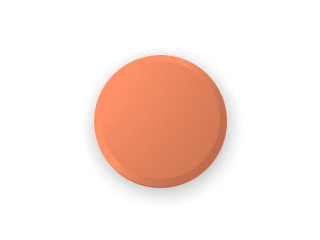
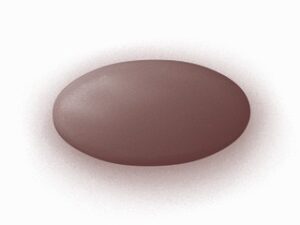
Cyproterone acetate + Ethinylestradiol
Cyproterone acetate and ethinylestradiol is a combined oral medicine used in women for hormonal regulation and for specific hormone-related skin and androgen symptoms. In Australia, products containing these ingredients may be used for conditions such as acne and excessive hair growth, particularly when androgen activity is involved.
This patient-friendly guide explains how it works, how it’s used, key safety considerations, and practical tips to help you use your medicine effectively.
Basic product information
| Ingredient(s) | Common role |
|---|---|
| Cyproterone acetate | Progestogenic anti-androgen (reduces androgen effects) |
| Ethinylestradiol | Estrogen component (affects hormone regulation) |
How it’s taken: usually as an oral tablet once daily (depending on the exact product and regimen). Availability: varies by brand and strength; your specific pack instructions are important.
How it works (mechanism of action)
Cyproterone acetate and ethinylestradiol combine two complementary actions:
- Anti-androgen effect: cyproterone acetate helps block androgen (male-type hormone) activity. This can reduce symptoms such as acne that is driven by androgens and may help with excessive hair growth (hirsutism).
- Hormone regulation: ethinylestradiol supports regulation of the menstrual cycle and helps suppress ovulation in some regimens. The overall hormonal environment reduces signals that drive androgen production.
- Thicker hormonal “control”: the combined regimen helps stabilise hormone fluctuations that can contribute to skin and hair symptoms.
The key takeaway: this medicine is designed to treat hormone-related symptoms where androgens play a role, by both reducing androgen effects and improving hormonal balance.
Pharmacokinetics (how the body handles the medicine)
Pharmacokinetics describes absorption, distribution, metabolism, and excretion. While individual results vary, the general patterns are:
- Absorption: both components are absorbed after oral dosing. Taking tablets at consistent times helps maintain steadier hormone levels.
- Distribution: hormones distribute into body tissues and bind to blood proteins, which affects how long they remain active in the bloodstream.
- Metabolism: cyproterone acetate and ethinylestradiol are metabolised mainly by the liver. This can be influenced by other medicines that affect liver enzymes.
- Elimination: metabolites are excreted through urine and faeces. The overall “build-up” and clearance contribute to why adherence to daily dosing is important.
Note: Your product’s exact dosing schedule affects steady-state hormone levels, and symptom improvement (especially for acne and hair) often takes time.
Typical use and what it can help with
Cyproterone acetate + ethinylestradiol is commonly used to treat:
- Moderate to severe acne (particularly when androgen-related features are present)
- Androgen-dependent hair growth (hirsutism) in appropriate patients
- Menstrual cycle regulation in certain circumstances, depending on regimen and patient factors
If you’re using it for skin or hair symptoms, it’s normal for improvement to be gradual rather than immediate.
Indications (conditions it is used for)
In Australia, indications for combined hormonal medicines vary by product label and local prescribing guidance. In general, cyproterone acetate combined with ethinylestradiol may be indicated for:
- Acne associated with androgen sensitivity in women who need hormonal therapy.
- Hirsutism due to androgen sensitivity where hormonal treatment is appropriate.
Your doctor or pharmacist should help confirm whether your particular condition matches the labelled use and whether a combined approach is suitable for you based on your health history.
Dosing and timing
Dosing depends on the specific brand and regimen (some packs are designed for 21 days followed by a break; others may include a different pattern). Always follow the instructions in your medication pack.
General timing principles
- Take one tablet at the same time each day to support consistent hormone levels.
- Start day: start according to your pack instructions (often associated with the menstrual cycle or the start of a treatment cycle).
- Consistency: don’t change the schedule without advice, as missed or delayed doses can reduce effectiveness and affect cycle control.
- Continue even when symptoms improve: hormonal skin and hair improvements require time; stopping early can reverse progress.
How quickly you may notice benefits
- Acne: you may begin to see improvement after several weeks; more noticeable results often take a few months.
- Hirsutism: hair growth changes slowly. Noticeable improvement may require months, and treatment is often continued longer to maintain benefit.
Food interactions
In general, most people can take cyproterone acetate + ethinylestradiol with or without food. However, some patients experience nausea when starting hormonal tablets.
- If you feel nauseous, taking the tablet with food or at night may help.
- Do not rely on food to “fix” missed doses—follow the missed-dose advice provided with your pack.
Always check your product leaflet for any brand-specific instructions.
Alcohol interactions
Moderate alcohol intake does not typically cause a direct interaction with cyproterone acetate + ethinylestradiol. However, alcohol can:
- worsen nausea or dizziness in some people,
- reduce adherence if you forget doses,
- affect the liver’s workload, which can matter because these hormones are metabolised in the liver.
If you have liver disease, heavy alcohol use, or you’re experiencing side effects, speak with a healthcare professional before continuing.
Medicine interactions (important)
Some medicines can reduce the effectiveness of combined hormonal therapy or increase side effects by altering liver enzymes. This is particularly relevant for:
Medicines that may affect hormone levels
- Enzyme inducers (for example, some treatments for epilepsy such as phenytoin, carbamazepine, and others; some TB medicines such as rifampicin; and certain HIV medications). These can lower hormone levels.
- Some antibiotics/antifungals may interact depending on the specific drug (always check with a pharmacist).
- Herbal products (commonly St John’s wort) can also affect metabolism and reduce effectiveness.
- Medicines that increase bleeding risk or affect clot risk may matter when combined with estrogen-containing therapies.
What to do if you start or stop another medicine
- Tell your pharmacist or doctor about all medicines you use, including over-the-counter products and herbal supplements.
- If an interacting medicine is needed, you may be advised on an adjusted schedule or additional measures.
- If you vomit shortly after taking your tablet, this may be treated similarly to a missed dose (follow pack instructions).
Because interaction profiles can differ by product and patient factors, confirm specifics with your healthcare professional.
Safety profile and who needs extra caution
Like all combined hormonal medicines containing estrogen, cyproterone acetate + ethinylestradiol has important safety considerations. The most serious potential risks relate to blood clots and other vascular events.
Serious warning symptoms (seek urgent medical help)
If you experience any of the following, seek urgent medical attention:
- Signs of a blood clot in the leg (DVT): one-sided leg swelling, pain, warmth, or redness
- Signs of a lung clot (PE): sudden shortness of breath, chest pain (sometimes worse when breathing), coughing blood
- Stroke-like symptoms: sudden weakness or numbness on one side, face drooping, difficulty speaking, sudden severe headache
- Vision changes: sudden partial or complete loss of vision, or eye pain
- Severe abdominal pain (rare, but can signal serious issues)
Risk factors that may increase concern
Discuss with your doctor/pharmacist if you have any of the following, as they may affect suitability:
- History of blood clots (personal or strong family history)
- Smoking, especially if you’re older (risk increases with age)
- Migraine with aura**
- High blood pressure
- Diabetes with vascular complications
- Obesity
- Major surgery or long periods of immobility (risk can be higher around these times)
- Liver disease or jaundice history
- Breast cancer history or other hormone-sensitive cancers (discuss individual risk)
Your healthcare professional will consider your individual risk and may recommend monitoring or alternative treatment if risk is high.
Other potential side effects
- Nausea, stomach discomfort
- Breast tenderness**
- Headache (including changes in migraine pattern—tell your clinician)
- Spotting or breakthrough bleeding, especially during the first months
- Mood changes in some people
- Changes in weight or fluid retention (varies)
- Skin pigmentation changes (especially if you get “mask” or chloasma—sun protection can help)
If side effects are troublesome or new/worsening, seek advice promptly.
Practical use tips
- Use a daily routine: choose a consistent time (e.g., after breakfast or at night) and link it to a habit.
- Set reminders: phone alarms or medication apps can reduce missed doses.
- Carry your tablets: if you travel, bring your pack and keep dosing on schedule.
- Manage nausea: consider taking with food or at night; discuss persistent symptoms.
- Track improvement: for acne/hair, note changes with photos or a simple diary to see gradual progress.
- Sun protection: use sunscreen and protective clothing to reduce risk of pigmentation changes.
- Don’t smoke: smoking increases clot risk with estrogen-containing therapies.
- Before surgery or long travel: ask your clinician/pharmacist for advice on whether you should pause therapy temporarily.
Missed doses (general guidance)
Missed-dose advice depends on your specific regimen and how many tablets were missed. Because guidance differs between pack types, always follow the patient information leaflet for your product.
- If you miss a tablet, take it as instructed in your pack leaflet.
- If you’re unsure, contact a pharmacist for advice specific to your schedule.
- If you have vomiting or severe diarrhoea shortly after taking your tablet, it may not be absorbed—follow the leaflet’s instructions.
Alternative options
Depending on why you’re taking cyproterone acetate + ethinylestradiol (acne, hirsutism, cycle regulation), alternatives may include:
Skin (acne) alternatives
- Topical acne treatments (e.g., benzoyl peroxide, topical retinoids, topical antibiotics depending on severity)
- Oral antibiotics for limited courses (doctor-supervised)
- Oral isotretinoin in appropriate cases (requires specialist monitoring)
- Other hormonal options if anti-androgen therapy is suitable for your situation
Hair growth (hirsutism) alternatives
- Cosmetic and mechanical measures (laser, electrolysis, bleaching/shaving approaches)
- Other medications used for androgen-related symptoms depending on underlying cause
- Evaluation for underlying endocrine causes if symptoms are severe or rapidly progressing
Your clinician can help determine the best option based on symptom severity, your medical history, and the risk-benefit balance.
Market and legal context in Australia
In Australia, medicines containing cyproterone acetate and ethinylestradiol are regulated by the Therapeutic Goods Administration (TGA). Availability, brand selection, and indications depend on the product’s TGA-approved documentation and scheduling.
Because this medicine includes an estrogen component, Australian healthcare guidance emphasises:
- assessing clot and vascular risks before starting,
- careful selection for people with higher risk factors,
- monitoring for serious adverse events,
- considering alternative options if risks outweigh benefits.
Changes in product information can occur as new evidence emerges. Always check the current patient information leaflet supplied with your medication.
Recent guidance and ongoing updates
Safety information for combined hormonal medicines is periodically updated internationally, and Australian product labels may be revised accordingly. Key areas of ongoing clinical focus include:
- Risk of venous thromboembolism (VTE) and other vascular events
- Suitability for individual risk profiles (age, smoking, migraine type, clot history)
- Attention to medicine interactions that may reduce effectiveness or alter safety
If you’re already using this medicine and have questions about updated safety messaging, speak to your pharmacist—he or she can help interpret the leaflet for your specific brand.
Delivery and availability (online pharmacy)
Availability depends on brand, strength, and local supply. When purchasing online in Australia:
- Stock may vary by product and size of pack.
- Delivery timeframes depend on your location and the pharmacy’s dispatch schedule.
- Temperature and storage: tablets should be stored as directed on the pack (typically at room temperature, protected from moisture).
For reliable supply, order early if you’re approaching the end of your current pack so you can maintain consistent daily dosing.
Safety checklist before and during use
- Do you smoke or have migraines (especially aura)?
- Any personal or family history of blood clots?
- Any liver problems, jaundice history, or unexplained abnormal liver tests?
- Are you starting antibiotics/antifungals or anti-epileptics or taking herbal products?
- Do you have upcoming surgery, long flights, or periods of immobility?
- Have you noticed new severe symptoms such as one-sided leg swelling, chest pain, or sudden shortness of breath?
FAQ
1) Is cyproterone acetate and ethinylestradiol the same as an emergency contraceptive?
No. This medicine is a daily hormonal therapy used for ongoing hormonal regulation and androgen-related symptoms (such as acne/hirsutism in suitable patients). Emergency contraception works differently and is used after unprotected intercourse or contraceptive failure.
2) How long does it take to work for acne?
Many people notice some improvement after several weeks, but clearer results often take two to three months or longer. Consistent daily use is important.
3) How long does it take to improve unwanted hair growth?
Hair responds more slowly than acne. Noticeable changes may take several months. Treatment duration and the underlying cause influence results.
4) What should I do if I miss a tablet?
Missed-dose instructions depend on the exact product regimen and how many tablets were missed. Please follow the guidance in your pack leaflet. If unsure, contact a pharmacist for advice tailored to your dosing schedule.
5) Can I take it with food?
Usually yes. If you experience nausea, taking it with food or at night may help. Check your product leaflet for any specific instructions.
6) Will alcohol affect the medicine?
Moderate alcohol typically does not cause a direct interaction, but alcohol may worsen nausea or impair adherence. If you have liver concerns or heavy alcohol use, seek advice.
7) What medicines can interact with it?
Some medicines can change hormone metabolism—commonly enzyme-inducing treatments (certain anti-epileptics and tuberculosis medications) and herbal products like St John’s wort. Always tell your pharmacist about all medicines and supplements you use.
8) What are the main serious risks?
The most serious risks relate to blood clots (VTE) and other vascular events. Seek urgent help if you experience symptoms such as leg swelling with pain, sudden shortness of breath, chest pain, stroke-like symptoms, or sudden vision changes.
9) Can I continue if I’m having irregular bleeding?
Spotting and irregular bleeding can occur in the first months as your body adjusts. However, persistent or heavy bleeding should be discussed with a healthcare professional to rule out other causes.
10) Can I stop the medicine if my symptoms improve?
Hormonal effects can reverse if treatment stops. Many people need ongoing management. Discuss planned changes with your pharmacist or clinician so you understand expected outcomes and how to stop safely.
Important: This page provides general information. Always refer to the product-specific Consumer Medicine Information (CMI) leaflet included with your medication and seek advice if you have questions about suitability, interactions, or side effects.