
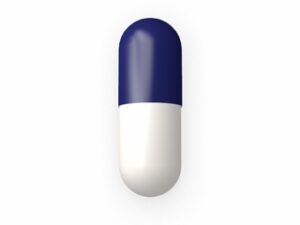
Cymbalta (Duloxetine) — Patient-Friendly Guide (Australia)
Cymbalta is a prescription medicine containing duloxetine, used to treat certain chronic pain conditions and mood-related disorders. This guide explains what Cymbalta does, how it works in the body, how it is typically taken, and what to consider for safety—written for an online pharmacy audience in Australia.
Always follow the directions provided by your healthcare professional and the product information supplied with your medicine.
1) Basic product information
| Category | Details |
|---|---|
| Brand name | Cymbalta |
| Active ingredient | Duloxetine |
| Medicine type | SNRI (Serotonin–Norepinephrine Reuptake Inhibitor) |
| Common strengths | Often available as capsules in different strengths (availability may vary by supplier) |
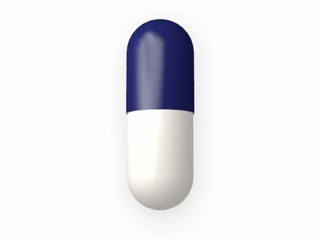
| Dosing form | Oral delayed-release capsules (not for opening/chewing) |
| Typical dosing frequency | Once or twice daily depending on the condition and prescriber advice |
Note: Strengths and availability can vary. Your pharmacist can confirm what is available in stock.
2) How Cymbalta works (mechanism of action)
Duloxetine belongs to the SNRI family of medicines. It helps regulate chemicals in the brain and spinal cord—especially serotonin and norepinephrine. These chemical messengers play a role in:
- Pain processing (including nerve-related and chronic pain pathways)
- Mood regulation
- Stress and anxiety responses
By blocking reuptake (reabsorption) of serotonin and norepinephrine, duloxetine increases their availability in neural pathways. This can reduce pain sensitivity and support improvement in depressive and anxiety symptoms over time.
3) Pharmacokinetics (what the body does to duloxetine)
“Pharmacokinetics” refers to how the medicine is absorbed, distributed, metabolised, and eliminated. Understanding these basics helps explain common practical points such as dosing timing and why certain interactions matter.
- Absorption: Duloxetine is absorbed after oral dosing. Because it is formulated for delayed release, it is designed to release the medicine gradually.
- Distribution: It circulates in the bloodstream and distributes into tissues.
- Metabolism: Duloxetine is primarily metabolised in the liver. This means liver function and liver-interacting medicines can be important.
- Elimination: Metabolites are cleared mainly through the kidneys. Kidney function can affect exposure in some people.
- Steady state: With regular dosing, blood levels build up gradually and stabilise over several days.
Your clinician may use this information to guide starting dose, dose adjustments, and monitoring.
4) What Cymbalta is used for (indications in plain language)
Cymbalta is used to treat a range of conditions, particularly where pain and mental health overlap. The exact indications depend on local product information and clinical assessment.
Commonly treated conditions include:
- Major depressive disorder (depression)
- Generalised anxiety disorder (anxiety)
- Chronic musculoskeletal pain, including chronic low back pain and osteoarthritis pain (in some cases)
- Neuropathic pain, such as diabetic peripheral neuropathy and other nerve-related pain conditions (in some cases)
- Fibromyalgia (in some treatment settings)
If you’re unsure whether Cymbalta is being used for pain, depression, anxiety, or both, ask your doctor or pharmacist.
5) Typical timing: when to take it and how soon it works
Many people wonder when the “best time” to take Cymbalta is. Practical timing can help reduce side effects and support adherence.
- Once-daily dosing: Some people take it in the morning or evening depending on how they feel and side effects such as nausea or sleep changes.
- Twice-daily dosing: Doses are usually spaced evenly across the day to maintain more stable blood levels.
- With or without food: You may be advised to take it with food to reduce stomach upset (see food section below).
-
How quickly it works:
- Some people notice changes in sleep, appetite, or anxiety within the first 1–2 weeks.
- Pain relief and mood improvement often take several weeks for full effect.
If you miss a dose, don’t double up. Refer to your product information or ask your pharmacist for advice tailored to your dosing schedule.
6) Food interactions and absorption considerations
Food can influence comfort and, in some people, medication tolerance. In general, duloxetine can be taken with or without food, but:
- To reduce nausea: Taking with food may help.
- Avoid abrupt changes: If you change your diet significantly (e.g., appetite, weight-loss regimens, fasting), you may experience altered tolerability.
- Swallow whole: Do not crush or open the capsules. This can affect how the medicine is released.
If you experience persistent stomach upset, it’s worth discussing strategies (timing, meal pairing, dose review) with your pharmacist or doctor.
7) Alcohol and medicine interactions (important safety section)
Alcohol
It’s generally not recommended to drink significant amounts of alcohol while taking duloxetine. Alcohol can increase risk of:
- Worsened side effects (e.g., dizziness, drowsiness, impaired coordination)
- Increased strain on the liver
- Higher risk of mood destabilisation in some people
If you drink alcohol occasionally, discuss your typical intake with your clinician to see what’s safe for you.
Medicines that may interact with Cymbalta
Duloxetine can interact with other medicines, mainly due to effects on brain serotonin/norepinephrine pathways and because it is metabolised in the liver.
Tell your pharmacist or doctor if you take:
-
Other antidepressants or serotonergic medicines (risk of serotonin toxicity)
- Examples may include SSRIs, other SNRIs, MAO inhibitors (and medicines closely related)
- Triptans (used for migraine) (serotonergic risk)
- St John’s wort (herbal antidepressant)
-
Strong CYP inhibitors or inducers (affect duloxetine metabolism)
- Some antibiotic/antifungal medicines and antivirals can influence levels
- Some seizure or smoking-related medicines may change levels
-
Medicines affecting bleeding risk
- Examples may include NSAIDs (e.g., ibuprofen/naproxen) and anticoagulants
- Other medicines that affect the liver
- Medications that increase drowsiness (sedatives, opioids, some antihistamines)
Never start, stop, or change dose of another medicine without advice. If you bring a list of your medicines (including supplements), your pharmacist can help identify possible interactions.
8) Dosing: starting, typical dose range, and adjustments
Dosing is individual and depends on the condition being treated, tolerability, age, liver/kidney function, and other medicines. Below is a general overview of how duloxetine is commonly started and titrated.
General approach:
- Start low, go slow: Many people begin with a lower dose to reduce side effects, then the dose may be increased.
- Condition-based dosing: The recommended dose schedule differs for depression/anxiety versus pain conditions.
- Regular review: Your clinician may review response and side effects after several weeks and adjust accordingly.
Important: Use the exact dose schedule your prescriber provided. Do not change your dose based on general guidance online.
Missed dose guidance
If you miss a dose:
- Take it as soon as you remember if it is not close to your next dose.
- If it’s nearly time for the next dose, skip the missed dose.
- Do not take a double dose to make up for the missed one.
If you’re unsure, ask your pharmacist for advice based on your dosing timetable.
9) Safety profile: common side effects, serious risks, and when to seek help
Like all medicines, Cymbalta can cause side effects. Many are mild and improve as your body adjusts. However, some symptoms may require urgent medical attention.
Common side effects
- Nausea (very common, especially after starting or dose changes)
- Dry mouth
- Dizziness or light-headedness
- Headache
- Sleep changes (insomnia or sleepiness)
- Constipation or diarrhoea
- Reduced appetite
- Increased sweating
- Sexual side effects (reduced libido or difficulties)
Less common but important risks
- Blood pressure changes: Some people may experience increased blood pressure.
- Falls or dizziness: Especially when starting or changing dose.
- Withdrawal symptoms: Stopping suddenly can cause symptoms such as dizziness, “electric shock” sensations, irritability, nausea, and sleep disturbance.
- Mania/hypomania in susceptible people: Watch for increased energy, reduced need for sleep, or impulsive behaviour.
Seek urgent medical attention if you notice
- Symptoms of serotonin toxicity (e.g., agitation, confusion, fever, fast heartbeat, severe tremor, sweating, diarrhoea)
- Signs of severe allergic reaction (swelling of face/lips, trouble breathing, rash)
- Unusual bleeding, severe bruising, or black/tarry stools
- Severe liver-related symptoms (e.g., yellowing of eyes/skin, dark urine, severe abdominal pain)
- Suicidal thoughts or significant worsening mood—especially early in treatment or after dose changes
If you’re in Australia and concerned about immediate safety, contact emergency services (000) or go to the nearest emergency department. If it’s a mental health crisis, you can also contact Lifeline 13 11 14.
10) Practical use tips (making Cymbalta easier to take)
- Take it at the same time each day: Helps maintain consistent levels and reduces missed doses.
- Pair with food if nausea occurs: Many people find taking with a meal reduces discomfort.
- Be cautious when driving or operating machinery: Especially when starting or adjusting dose until you know how it affects you.
- Track your response: For pain, note sleep quality, daily functioning, and pain scores. For mood/anxiety, note changes in worry, energy, and functioning.
- Don’t stop suddenly: If you plan to stop, ask your clinician about a gradual tapering schedule.
- Review other medicines regularly: Interactions can change as your medication list evolves.
- Stay hydrated and manage constipation early: Duloxetine may contribute to constipation in some people.
11) Stopping, tapering, and missed doses
Because duloxetine affects serotonin and norepinephrine signalling, stopping suddenly can cause withdrawal-like symptoms. This is sometimes called discontinuation syndrome.
To reduce discomfort:
- Taper with professional guidance rather than stopping abruptly.
- If you miss doses occasionally, contact your pharmacist if you develop troublesome symptoms.
- Inform your clinician about severe dizziness, flu-like symptoms, or mood changes after stopping or missing doses.
12) Alternative options (depending on why you’re taking Cymbalta)
Alternatives may differ based on whether the goal is depression/anxiety, chronic pain, or nerve pain. A clinician will consider your medical history, other medicines, and risk factors.
Possible alternatives (examples)
- For depression/anxiety: other antidepressants (SSRIs, SNRIs, or other classes), psychotherapy, lifestyle interventions.
- For chronic neuropathic pain: medicines such as certain anticonvulsants (e.g., pregabalin or gabapentin in some cases), and other pain management strategies.
- For musculoskeletal pain: physiotherapy, exercise programs, and sometimes non-opioid analgesics or other targeted treatments.
- For some conditions: multidisciplinary pain management and mental health support may be combined.
Your pharmacist can help you understand differences and common side-effect patterns between options, so you can discuss the best fit with your clinician.
13) Australia: market and legal context
In Australia, duloxetine (Cymbalta) is regulated as a medicine available through the healthcare system. Medicines are supplied through licensed pharmacies and are subject to Australian pharmaceutical regulations.
Availability can vary by pharmacy and stock, and the listing may differ by medicine strength and formulation. Your pharmacist can check the closest match to your prescribed dose and whether any substitution is possible.
As with all medicines in Australia, product information is available via official medicine guides and the sponsor’s documentation. The exact indications and dose schedules should follow the approved product information for the specific formulation and strength.
14) Recent guidance and ongoing monitoring (what people are advised)
Guidance around antidepressants and serotonin-targeting medicines commonly emphasises:
- Close early monitoring for mood changes, anxiety, and sleep effects, particularly after starting or adjusting dose.
- Awareness of drug interactions, especially serotonergic combinations and medicines affecting liver enzymes.
- Safe use in liver and kidney impairment and in people with complex medical histories.
- Preventing withdrawal/discontinuation symptoms through gradual dose changes.
If you have multiple health conditions or take several medicines, it’s especially important to review your medication list at each visit.
15) Delivery and availability (online pharmacy considerations in Australia)
Cymbalta availability may depend on your location, chosen strength/formulation, and supplier stock levels. Many online pharmacies in Australia can deliver to eligible addresses in a timeframe depending on dispatch schedules.
- Stock confirmation: Your order may be confirmed and dispatched once the specific strength is available.
- Packaging: Medicines are typically supplied in manufacturer packaging to maintain correct labelling and storage conditions.
- Temperature/storage: Follow storage instructions on the outer carton and pharmacist guidance.
- Delivery status: Tracking may be provided depending on the delivery provider selected at checkout.
If you need help choosing the right strength or you’re planning a refill, contact the pharmacy support team.
16) FAQ
Is Cymbalta the same as duloxetine?
Yes. Cymbalta is a brand name that contains the active ingredient duloxetine.
How long does it take to feel better?
Many people notice some effects within the first couple of weeks, but full benefit—especially for pain and depression—can take several weeks. Improvement is often gradual.
Should I take Cymbalta in the morning or at night?
It depends on how you respond. If it makes you nauseous or sleepy, some people prefer different times. Discuss timing with your pharmacist or clinician to match your symptoms and routine.
Can I take Cymbalta with food?
Usually yes. Taking with food may improve stomach comfort, particularly early in treatment. Swallow the capsule whole and do not crush or open it.
Can I drink alcohol while taking Cymbalta?
It is generally advised to avoid or limit alcohol due to increased risks, including liver strain and worsened side effects. If you drink occasionally, discuss your intake with your healthcare professional.
What happens if I miss a dose?
Take it when you remember if it’s not close to your next dose. If it’s nearly time for the next dose, skip the missed dose. Do not double up. For your exact schedule, ask a pharmacist.
Can I stop Cymbalta suddenly?
Stopping suddenly can cause withdrawal-like symptoms. It’s usually recommended to taper gradually under healthcare guidance.
Are there medicines I must avoid?
Some combinations can be risky—particularly medicines that affect serotonin, certain liver metabolism pathways, and medicines that increase bleeding risk. Always provide your full medication and supplement list to your pharmacist.
Is Cymbalta safe for everyone?
Not necessarily. People with certain liver or kidney problems, a history of certain bipolar/mania episodes, or those taking interacting medicines may need extra caution. Your clinician will assess suitability.
What should I do if side effects are strong?
If side effects are severe or worsening, contact your healthcare professional promptly. Don’t adjust the dose on your own unless advised.
Disclaimer: This information is intended to help you understand Cymbalta. It does not replace advice from your healthcare professional. If you have questions about your specific situation, speak with a pharmacist or your doctor.