

Clomipramine (Anafranil) — Patient-Friendly Guide (Australia)
Clomipramine is a prescription medicine used to treat certain mental health conditions, including obsessive-compulsive disorder (OCD). It belongs to a group of medicines called tricyclic antidepressants (TCAs). Because it affects brain chemicals involved in mood and anxiety, clomipramine can be effective—but it also requires careful use, monitoring, and awareness of possible interactions.
This guide is designed to help you understand what clomipramine is, how it works, how it’s typically taken, and what to consider for safe use in everyday life in Australia.
Basic product information
| Category | Details |
|---|---|
| Generic name | Clomipramine |
| Common brand | Anafranil (brand may vary) |
| Medicine type | Tricyclic antidepressant (TCA) |
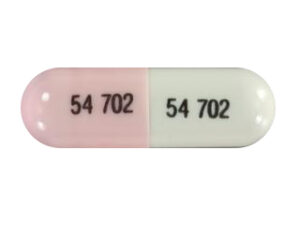
| Common formulations | Tablets (and other forms depending on product availability) |
| How it’s used | Oral (by mouth) |
Important note: Brand names and exact tablet strengths depend on local availability. Always check the product label and your healthcare provider’s instructions.
How clomipramine works (mechanism of action)
Clomipramine primarily works by affecting serotonin (a brain chemical involved in mood, anxiety, and behaviour).
- Serotonin reuptake inhibition: Clomipramine blocks the reuptake of serotonin, increasing its availability in the brain.
- Norepinephrine effects: It also has effects on norepinephrine reuptake (to a lesser extent than serotonin), which may contribute to antidepressant and anti-anxiety effects.
- Anti-obsessional effects: In OCD, increasing serotonin signalling is thought to reduce repetitive thoughts and compulsive behaviours over time.
Like many antidepressant medicines, clomipramine often requires time to reach full effect—especially for OCD symptoms.
Pharmacokinetics (how the body processes clomipramine)
Pharmacokinetics describes how the body absorbs, distributes, metabolises, and eliminates a medicine.
- Absorption: Clomipramine is absorbed after oral dosing.
- Metabolism: It is metabolised mainly in the liver by enzymes including CYP2D6 (which can vary between individuals).
- Active metabolite: It forms a metabolite called desmethylclomipramine, which also contributes to the overall effect.
- Distribution: It spreads through body tissues, including the brain.
- Elimination: It is eliminated through metabolic breakdown and excretion. Clearance may be slower in liver impairment.
Why this matters: People can respond differently due to genetics, liver function, other medicines, and age. This is one reason clomipramine dosing may start low and be increased gradually.
Typical use and indications
Clomipramine is commonly used for:
- Obsessive-Compulsive Disorder (OCD): To reduce obsessions and compulsions.
In some situations, clinicians may consider clomipramine for other conditions where it has shown benefit (depending on clinical assessment and local prescribing practices). If you’re using it for something other than OCD, ask your healthcare provider how your plan fits your diagnosis.
When it starts working (timing)
Clomipramine’s effects usually develop gradually.
- Early changes: Some people notice sleep, anxiety, or tension changes within the first 1–2 weeks.
- OCD improvement: OCD symptoms often take longer—commonly several weeks, and sometimes longer—before meaningful improvement is clear.
- Ongoing response: Full benefits can take time, and treatment plans may involve regular review and dose adjustments.
Tip: Don’t judge effectiveness too quickly. Track symptoms (for example, severity of obsessions/compulsions, sleep quality, side effects) and discuss changes with your healthcare provider.
How to take clomipramine (practical dosing guidance)
Always follow your clinician’s instructions. The information below is general and intended to help you understand how treatment is often structured.
General dosing approach
- Start low and increase slowly: Many people begin with a lower dose to reduce side effects, then the dose may be increased gradually.
- Split dosing may be used: Some regimens divide the total daily dose into morning/evening doses to improve tolerability.
- Maximum dose limits: Clinicians generally keep dosing within established safety limits and may consider blood level monitoring in selected cases.
Typical timing during the day
- With or after food: Some people find clomipramine easier on the stomach when taken with meals.
- Night-time dosing: If you feel drowsy, your clinician may recommend taking more in the evening. If it causes insomnia, dosing timing may be adjusted.
What if you miss a dose?
- If you miss a dose, take it when you remember unless it is close to the next dose.
- Do not double up to make up for a missed dose unless your clinician advises it.
- If you frequently miss doses, discuss strategies to improve adherence (e.g., linking to daily routines or using reminders).
Food interactions
Clomipramine can be taken with or without food, but food may influence comfort and absorption in some people.
- Stomach upset: If you experience nausea, taking clomipramine with meals may help.
- Grapefruit and similar products: While clomipramine interactions are most commonly linked to liver enzymes, it’s wise to avoid unnecessary grapefruit/grapefruit juice unless your pharmacist confirms it’s safe for you.
- Consistency: Keeping your dosing routine consistent can help reduce fluctuations in side effects.
Always check your medicines list: Food interactions are often less significant than medicine–medicine interactions, but individual circumstances matter (for example, liver problems or other GI conditions).
Alcohol interactions
It’s generally recommended to avoid alcohol while taking clomipramine, or at least limit it heavily, because alcohol can:
- Increase sedation (drowsiness, impaired coordination)
- Worsen dizziness and increase fall risk
- Exacerbate mood-related symptoms in some people
- Complicate side-effect monitoring (it can be hard to tell what’s causing fatigue, nausea, or mood changes)
If you choose to drink, discuss safe limits with your pharmacist or clinician. Do not drive or operate machinery if you feel affected.
Interactions with other medicines (including common categories)
Clomipramine has potential interactions with many medicines, especially those that affect serotonin levels or liver enzymes. Always share your full medicine list with your healthcare provider and pharmacist, including:
- Prescription medicines
- Over-the-counter (OTC) medicines
- Herbal products (e.g., St John’s wort)
- Supplements
Medicines that can raise serotonin or increase bleeding risk
- Other antidepressants (including SSRIs and SNRIs) may increase risk of serotonin syndrome when combined.
- Some pain/neurological medicines can also contribute to serotonin-related effects.
- Non-steroidal anti-inflammatory drugs (NSAIDs) and other medicines affecting platelets may increase bleeding risk when combined with serotonergic drugs (individual risk varies).
Medicines affecting heart rhythm or causing QT prolongation
- Clomipramine may affect cardiac conduction in susceptible individuals. Combining with other QT-prolonging medicines can increase risk.
- If you have a history of heart rhythm problems, ask your clinician if an ECG is needed.
Medicines affecting liver metabolism (CYP2D6 and related pathways)
- Some medicines may increase clomipramine levels, potentially raising side effects.
- Others may reduce levels, reducing effectiveness.
St John’s wort and similar herbal products
Herbal products like St John’s wort may increase serotonin-related risks. Avoid combining unless specifically advised.
Safety tip: Use one pharmacy where possible, so the dispensing software can detect interactions more reliably.
Safety profile: common and serious side effects
Like all medicines, clomipramine may cause side effects. Many are manageable and may lessen as your body adjusts.
Common side effects
- Drowsiness or fatigue
- Dizziness (especially when standing up quickly)
- Dry mouth
- Constipation
- Nausea
- Blurred vision
- Increased sweating
- Tremor
- Weight changes (varies between individuals)
- Sexual side effects (reduced libido, changes in sexual function)
Serious side effects — seek urgent medical help
Contact medical services promptly if you experience:
- Signs of serotonin syndrome: agitation, confusion, fever, sweating, fast heartbeat, shaking/tremor, diarrhoea, muscle stiffness
- Fainting, severe dizziness, or palpitations (possible heart rhythm concerns)
- Severe allergic reactions: swelling of face/lips/tongue, difficulty breathing, hives
- Severe mood changes: worsening depression, unusual behaviour, suicidal thoughts, or risk-taking behaviour
- Seizures (rare, but important)
Who needs extra caution?
- People with heart rhythm problems or known cardiac disease
- People with liver disease (dose adjustments may be needed)
- Older adults (higher risk of dizziness, falls, and side effects)
- People taking multiple medicines that can interact
- People with a history of seizures
Practical use tips for day-to-day life
- Take it consistently: Set a routine and use reminders if needed.
- Stand up slowly: If you feel light-headed, rise gradually to reduce dizziness.
- Manage dry mouth: Sip water regularly, consider sugar-free gum/lozenges, and maintain good oral hygiene.
- Prevent constipation: Aim for adequate fluid and fibre; discuss suitable remedies with your pharmacist.
- Be careful with driving: Until you know how you respond, avoid driving or operating machinery if you feel drowsy or dizzy.
- Track symptoms: Use a simple diary for OCD symptom severity and side effects.
- Do not stop suddenly: Abrupt discontinuation can cause problems. If treatment needs to change, clinicians usually taper gradually.
- Check before adding OTC products: Some cold/flu medicines and supplements can interact—ask your pharmacist.
Stopping or changing treatment (what to expect)
If you and your clinician decide to adjust or stop clomipramine, a gradual taper is often used. Stopping suddenly may increase the risk of:
- Withdrawal-like symptoms (e.g., nausea, headaches, dizziness, sleep disturbance)
- Return or worsening of original symptoms
Always follow the plan provided by your healthcare professional.
Alternative options for OCD and related conditions
Depending on your diagnosis, severity, age, other health conditions, and how you respond to medication, alternatives may include:
- Other antidepressants: particularly selective serotonin reuptake inhibitors (SSRIs), which are often first-line for OCD in many clinical pathways.
- Psychological therapy: especially cognitive behavioural therapy (CBT) with exposure and response prevention (ERP) for OCD.
- Combination approaches: medication plus therapy often provides better long-term outcomes for some people.
- Other medication strategies: your clinician may consider dose optimisation, switching medicines, or augmentation strategies in specific cases.
Your pharmacist and clinician can help you weigh benefits, side effects, and suitability of each option.
Clomipramine in Australia: market and legal context
In Australia, medicines are regulated under the TGA (Therapeutic Goods Administration) framework. Clomipramine is generally available as a prescription medicine in standard pharmacy supply chains.
Key points for Australian customers:
- Quality and regulation: Products supplied via licensed pharmacies meet Australian regulatory standards.
- Medicine safety checks: Pharmacists help ensure safe use, including interaction screening and appropriate patient counselling.
- Ongoing review: Clinicians may review your dose and side effects, and may request tests if needed (e.g., ECG in certain cases).
Recent guidance overview (general): Clinical practice continues to emphasise careful monitoring for side effects, attention to drug interactions, and consideration of first-line therapies (including CBT/ERP and SSRIs) for OCD where appropriate. Always follow guidance from your own healthcare provider.
Delivery and availability (online pharmacy essentials)
Availability can vary based on supplier stock and product form. When ordering online in Australia:
- Packaging: Medications are usually dispatched in manufacturer packaging with clear labelling.
- Shipping times: Delivery depends on your location and courier service. You’ll typically be given an estimated delivery window at checkout.
- Cold-chain: Clomipramine tablets do not generally require refrigeration, but always follow instructions on the product label.
- Returns: Returns are often limited for prescription medicines due to safety and regulatory requirements—check the website’s returns policy.
If your chosen brand/strength is temporarily unavailable, the pharmacy may be able to offer an alternative strength or equivalent product subject to availability and prescriber guidance.
Frequently asked questions (FAQ)
1) What is clomipramine used for?
Clomipramine is commonly used to treat obsessive-compulsive disorder (OCD), helping reduce obsessions and compulsive behaviours.
2) How long does clomipramine take to work?
Some people notice early benefits within 1–2 weeks, but for OCD, meaningful improvement can take several weeks (sometimes longer). Consistent use and follow-up are important.
3) Can I take clomipramine with food?
Yes, clomipramine can often be taken with or without food. If you get nausea, taking it with meals may help.
4) Is it safe to drink alcohol while taking clomipramine?
It’s generally advised to avoid alcohol because it can increase drowsiness and dizziness and may worsen mood symptoms. If you’re unsure, ask your pharmacist for personalised advice.
5) What should I do if I feel very sleepy or dizzy?
Avoid driving and dangerous activities. Sit or stand slowly, and contact your healthcare provider if symptoms are severe or persistent. Dose timing or adjustment may be considered.
6) Will clomipramine cause weight gain?
Some people experience weight changes. The direction and amount vary. Monitoring weight and maintaining healthy lifestyle habits can help.
7) Can I stop clomipramine suddenly?
Stopping suddenly is usually not recommended. If you need to stop or switch, your clinician will typically taper gradually to reduce the chance of withdrawal-like effects and symptom rebound.
8) What interactions should I watch for?
Clomipramine can interact with other medicines, especially those affecting serotonin or the heart rhythm, and medicines that influence liver metabolism. Tell your pharmacist about all medicines and supplements you take.
9) Are there any monitoring tests needed?
Some people may need monitoring such as vital signs, side effect reviews, and in certain cases an ECG or blood tests, depending on your health history and other medicines.
10) What if I miss a dose?
Take it when you remember unless it is close to the next dose. Do not double up. If you frequently miss doses, ask your pharmacist for strategies to stay on track.
Need more help?
If you have questions about clomipramine—such as how it fits your situation, managing side effects, or checking interactions with your current medicines—speak with a qualified healthcare professional or your pharmacist. They can provide advice tailored to your medical history and the specific product you are using.