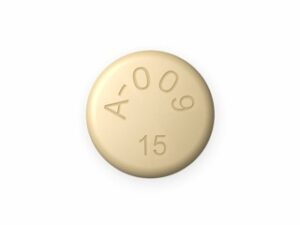
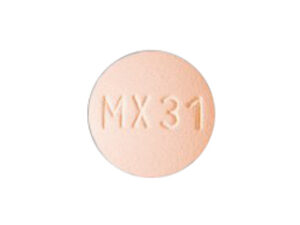
Bupropion (Bupropion Hydrochloride) – Patient-Friendly Guide (Australia)
Bupropion (bupropion hydrochloride) is a medicine used to treat depression and, in some situations, to help people stop smoking. This guide explains how it works, what to expect, how it’s taken, key safety points, interactions (including alcohol), and practical tips for getting the best results. Information below is general—your prescriber and pharmacist may tailor advice to your situation.
1) Basic product information
Active ingredient: Bupropion hydrochloride
Common forms: Tablets in different strengths and release types (immediate-release or sustained/extended-release depending on the product brand).
Therapeutic uses: Depression; nicotine dependence (smoking cessation) in some formulations and clinical pathways.
How it’s supplied: Available through pharmacy channels in Australia; supply depends on the specific product and regulatory category.
Important note on naming: Some brands in Australia may include variations in release mechanism (for example, sustained/extended-release). The way you take the tablet (timing and whether it must be swallowed whole) may differ by formulation—follow your product label directions.
2) How bupropion works (mechanism of action)
Bupropion is thought to work by influencing certain brain chemical pathways involved in mood, motivation, attention, and cravings. It primarily acts by affecting norepinephrine and dopamine signalling.
Unlike some other antidepressants, bupropion is generally not considered a strong serotonin reuptake inhibitor. Its effects can help reduce depressive symptoms such as low mood, loss of interest, fatigue, and difficulty concentrating.
For smoking cessation, bupropion may reduce nicotine cravings and withdrawal-related symptoms by modulating dopamine and noradrenergic systems.
3) Pharmacokinetics (how your body handles it)
Pharmacokinetics describes what the body does with a medicine—how it’s absorbed, distributed, metabolised, and eliminated. Key points:
- Absorption: Bupropion is absorbed from the gastrointestinal tract. Different formulations release the medicine at different speeds.
- Metabolism: Bupropion is mainly metabolised in the liver, producing active metabolites (for example, hydroxybupropion and others).
- Half-life: The overall elimination profile varies by formulation and individual factors. Metabolites contribute to ongoing activity.
- Elimination: Clearance occurs via metabolism and subsequent excretion (largely through the kidneys).
Why this matters: Blood levels may change over the first days to weeks, and steady effects may take time. Your dose schedule aims to maintain helpful levels while reducing side effects such as sleep disturbance.
4) Typical uses and indications
Depression
Bupropion is used for the treatment of major depressive episodes. It may be considered when a patient needs an antidepressant that does not typically cause the same sexual side effects as some other options, or when sedation is undesirable.
Smoking cessation (nicotine dependence)
Some bupropion products are used to support quitting smoking. It helps reduce cravings and withdrawal symptoms, often alongside counselling or behavioural support.
Not for immediate relief: Whether used for depression or smoking cessation, it is not an “instant fix.” Improvement generally builds gradually.
5) When it starts working (timing and expectations)
Timing varies by condition and individual response. Typical patterns include:
- Depression: Some people notice changes in sleep, energy, or concentration within 1–2 weeks, but fuller benefit often takes 4–6 weeks (sometimes longer).
- Smoking cessation: Cravings may lessen quickly for some, but sustained benefit often depends on consistent use and a planned quit approach.
Do not stop early: Even if you feel slightly better, continue for the planned course unless your healthcare team advises otherwise. If you feel worse or have significant side effects, contact your healthcare professional promptly.
6) How to take bupropion (dosing principles)
Dosing should be individualised. The information below is general and may not match your exact product. Always follow your prescribed dose and the instructions on the specific pack/label.
General dosing approach
- Start low, go slow: Many patients begin with a lower dose to reduce side effects, then gradually increase if needed.
- Take at the right time of day: Because bupropion can be activating, it is often taken earlier in the day to reduce insomnia.
- Swallow whole (if required): Some formulations must not be crushed or split. Check your product instructions.
Depression dosing (general guidance)
Prescribers may use a titration schedule that depends on whether the product is immediate-release or sustained/extended-release. Typical adult regimens in practice involve:
- Initial dose: often started in the morning (or divided across the day for immediate-release formulations).
- Gradual increase: increased after several days based on tolerance and response.
- Maximum dose limits: vary by formulation and patient risk factors (including seizure risk, alcohol use, and other medicines).
Smoking cessation dosing (general guidance)
For quitting smoking, clinicians may set a quit date and start bupropion shortly beforehand or on a tailored schedule. Follow the specific quitting plan provided with your product and support program.
Table: Example dosing schedules (illustrative only)
| Condition | Typical approach | Key timing tips |
|---|---|---|
| Depression | Start with a low dose; titrate gradually to an effective dose | Take earlier in the day to reduce insomnia; follow release-type instructions |
| Smoking cessation | Start before the quit date as advised; continue for a planned course | Use a quit plan and consider behavioural support alongside medication |
Missed dose: If you miss a dose, take it when you remember unless it’s close to your next scheduled dose. Do not double up. If you’re unsure, check your pharmacist’s advice for your specific product.
7) Food interactions (including whether to take with meals)
Many people can take bupropion with or without food. Food usually does not cause a major interaction for bupropion itself. However, individual products and release mechanisms can influence tolerability.
- If bupropion upsets your stomach: taking it with food may help.
- If it affects sleep: avoid late-day dosing; keep timing consistent.
- Be cautious with high-fat meals (if advised): some medicines can have changes in absorption with high-fat meals. Follow your product label or pharmacist guidance.
General safety tip: If you have dietary restrictions or consume supplements, tell your healthcare professional so they can check for interactions.
8) Alcohol and medicine interactions
Alcohol
Combining bupropion with alcohol requires careful caution. Alcohol can increase the risk of certain side effects and may affect mood stability. In particular, heavy alcohol intake or abrupt changes in alcohol consumption may increase the risk of seizures in susceptible individuals.
- Avoid binge drinking: keep alcohol intake low or abstain if you are advised to do so.
- Be extra cautious if you have a history of alcohol misuse or if you are at risk of withdrawal.
- If you plan to drink: discuss with your pharmacist or prescriber to understand your personal risk profile.
Medicines that can interact with bupropion
Bupropion can interact with other medicines by affecting liver enzymes and by additive effects on brain excitability or mood. Tell your pharmacist about all medicines you use, including non-prescription products and herbal supplements.
Common interaction categories to discuss:
- Other antidepressants or medicines affecting serotonin/noradrenaline pathways (risk of side effects and mood changes).
- Seizure-threshold–lowering medicines (including some antipsychotics, antidepressants, and stimulants).
- Medicines that alter metabolism (CYP enzyme interactions can change bupropion levels).
- Stimulants and appetite suppressants (may increase nervous system activation).
- Monoamine oxidase inhibitor (MAOI) medicines (avoid combining; washout periods apply—your prescriber will manage this).
Nicotine replacement products: Combining bupropion with nicotine replacement may be considered in some quit plans. However, dosing and monitoring should be personalised.
Never start or stop medicines abruptly without checking for interactions.
9) Safety profile and important precautions
Common side effects
Side effects can vary from person to person, and many improve as your body adjusts, especially during dose titration. Commonly reported effects include:
- Dry mouth
- Nausea or stomach upset
- Headache
- Sleep disturbance (insomnia or restlessness)
- Increased sweating
- Increased heart rate or palpitations in some people
- Reduced appetite
- Tremor or jitteriness
Less common but serious risks
Some adverse events are rare but important. Seek urgent medical advice if you experience:
- Seizure (convulsion, loss of consciousness, or uncontrolled shaking)
- Severe allergic reaction (swelling of face/lips/tongue, breathing difficulty, widespread rash)
- Severe mood changes, agitation, or unusual behaviour
- Signs of mania/hypomania (e.g., feeling unusually energetic, reduced need for sleep, risky behaviour)
- Severe worsening of depression or suicidal thoughts
- High blood pressure symptoms (severe headache, chest pain, shortness of breath)—particularly if advised to monitor
Who should take extra care?
Discuss your medical history with your healthcare team, especially if you have any of the following:
- History of seizures or conditions that increase seizure risk
- Eating disorders such as bulimia or anorexia nervosa
- Regular heavy alcohol use or risk of withdrawal
- Significant liver disease (may require dose adjustment)
- Current or past bipolar disorder (risk of mood switching)
- Use of other medicines that affect seizure threshold or interact with bupropion
Driving and alertness
Bupropion can cause side effects such as dizziness, tremor, or sleep changes in some people. If you feel unwell, drowsy, or unusually activated, avoid driving or operating machinery until you know how you respond.
Pregnancy and breastfeeding
If you are pregnant, trying to conceive, or breastfeeding, discuss risks and benefits with your healthcare professional. The decision to use bupropion should consider your mental health needs and the potential risks during pregnancy/lactation.
10) Practical use tips (how to get the best outcomes)
- Take consistently: aim for the same time each day.
- Protect sleep: if it makes you wired, take earlier rather than later; avoid evening dosing unless your clinician advised otherwise.
- Track side effects: note changes (sleep, appetite, mood, headaches) to help your healthcare team adjust dose if needed.
- Don’t stop suddenly: abrupt discontinuation can worsen symptoms. If stopping is planned, tapering may be recommended.
- Combine with support: for depression, therapy and lifestyle supports can help. For smoking cessation, counselling, quit plans, and nicotine replacement (if appropriate) improve success rates.
- Hydrate and eat regularly: some people experience appetite changes or dry mouth—staying hydrated may help.
- Be cautious with caffeine: since bupropion can be activating, very high caffeine intake may worsen jitteriness or insomnia.
11) Alternative options
If bupropion isn’t suitable or doesn’t work well for you, there may be alternative treatment options depending on your diagnosis and preferences. Options often include other antidepressants, psychological therapies, lifestyle interventions, or for smoking cessation, different medications and nicotine replacement strategies.
For depression
- SSRIs/SNRIs: commonly used antidepressants with different side-effect profiles.
- Other antidepressants: such as mirtazapine, tricyclic antidepressants, and others—chosen based on symptoms and tolerance.
- Non-medicine supports: structured psychotherapy, exercise, sleep routines, and other evidence-based interventions.
For smoking cessation
- Nicotine replacement therapy (NRT): patches, gum, lozenges, inhalers (varies by availability).
- Other prescription quit medicines: your clinician may consider alternatives depending on your history and risk factors.
- Behavioural programs: quitlines, coaching, and structured cessation plans.
Your pharmacist can discuss suitability and help you compare options based on your medical history and current medicines.
12) Australia: market and legal context (what to expect)
In Australia, bupropion is subject to regulatory controls and is typically dispensed under pharmacy supply processes. Availability may depend on the specific product, strength, and formulation (for example, whether it is intended for depression or smoking cessation pathways).
Important: Always follow local pharmacy procedures, including identity checks and consent processes where required. Availability and documentation may differ between brands and formulations.
Recent guidance and clinical updates (high-level)
Clinical practice guidance for depression and smoking cessation evolves over time. In general, Australian clinicians follow evidence-based approaches that include:
- Individualised treatment plans based on symptom severity, comorbidities, and risk factors.
- Careful assessment of suicide risk and monitoring during treatment initiation.
- Attention to seizure risk and medication interactions.
- Shared decision-making about benefits versus risks, including lifestyle and psychological strategies.
Your healthcare team may adjust dosing, monitoring, and duration based on the latest local recommendations and your personal circumstances.
13) Delivery and availability from an online pharmacy (Australia)
Online pharmacies in Australia typically offer delivery services across metropolitan and regional areas, subject to:
- Product stock availability and formulation strength
- Ordering cut-off times for dispatch
- Legibility and completion of any required documentation for supply
- Transport conditions and packaging requirements
Delivery timeframe: Delivery times depend on your location and the pharmacy’s courier network. After dispatch, you usually receive tracking details.
Packaging: Medicines are supplied in manufacturer packaging with expiry details and consumer information. Check that the label matches your intended product and strength.
14) Storage and handling
- Store at room temperature unless the label specifies otherwise.
- Keep away from moisture and heat (e.g., avoid bathrooms).
- Store safely out of reach of children.
- Check expiry date before use.
- Do not use if tablets look damaged, discoloured, or inconsistent with the package appearance.
15) Frequently Asked Questions (FAQ)
How long does it take to feel better with bupropion?
Some people notice early changes in energy or sleep within 1–2 weeks, but meaningful improvement often takes 4–6 weeks or more. Consistency matters. If you don’t feel improvement after several weeks, speak with your pharmacist or prescriber.
Should I take bupropion in the morning or at night?
Many people are advised to take it earlier in the day because it can be activating and may interfere with sleep. The exact timing depends on your formulation and dose schedule—follow your label instructions.
Can I take bupropion with food?
Often yes. If it upsets your stomach, taking it with food may help. However, always follow your product label and pharmacist advice for your specific formulation.
What happens if I drink alcohol while taking bupropion?
Alcohol can increase risk for certain side effects and may increase seizure risk—especially with heavy drinking or withdrawal. It’s best to keep alcohol minimal or avoid it unless your healthcare professional says it’s safe for you.
Can bupropion cause seizures?
Seizures are uncommon, but the risk can increase with certain factors such as higher doses, abrupt alcohol withdrawal, eating disorders, certain medications, or other medical conditions. If you have seizure risk factors, discuss them before starting.
Is bupropion addictive?
Bupropion is not generally considered addictive in the way some substances are. However, it’s important not to stop suddenly without medical advice and to take it exactly as directed.
What should I do if I miss a dose?
Take it when you remember unless it’s close to the next dose. Do not double your dose. If you’re unsure, ask your pharmacist for guidance based on your formulation.
Can bupropion interact with other antidepressants or stimulants?
Yes. Some combinations can increase side effects, alter drug levels, or increase risk to seizure threshold. Always provide your full medication list (including supplements) to your pharmacist.
Are there withdrawal effects when stopping bupropion?
Some people may experience discontinuation symptoms if stopping abruptly. Tapering may be recommended by a clinician. If you want to stop, discuss a safe plan first.
When should I seek urgent help?
Seek urgent medical attention if you experience a seizure, severe allergic reaction, or a significant worsening of mental health, including thoughts of self-harm.
16) Summary
Bupropion (bupropion hydrochloride) is an option for depression and certain smoking cessation needs. It works mainly by affecting norepinephrine and dopamine pathways. Results often build over weeks, and timing (especially to protect sleep) is important. Like all medicines, it has potential side effects and important interaction considerations—particularly with alcohol and medicines that affect seizure risk.
If you have questions about suitability, side effects, or interactions, speak with a pharmacist or healthcare professional. Your local pharmacy can also help confirm the correct product type, dosing schedule, and storage instructions.