
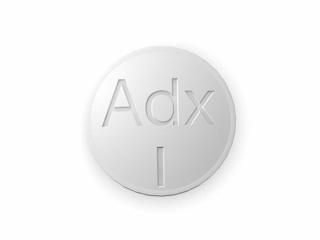


Arimidex (Anastrozole) – Patient Guide (Australia)
Arimidex is the brand name of anastrozole, a medicine used in the treatment of certain hormone-sensitive cancers in post-menopausal women. This guide explains how Arimidex works, how it is typically taken, what to expect, and practical safety information. It is written to be patient-friendly and to help you discuss treatment confidently with your healthcare team.
If you have any concerns about side effects, dosing, or whether this medicine is suitable for you, speak with a doctor or pharmacist. In Australia, information and medicines are regulated through the TGA (Therapeutic Goods Administration).
Quick Facts
- Medicine: Arimidex (anastrozole)
- What it’s used for: Hormone receptor–positive breast cancer in post-menopausal women (and in some settings guided by specialist care)
- How it works: Lowers oestrogen levels by blocking an enzyme called aromatase
- Common dosing form: Tablets (typically 1 mg)
- Typical dosing schedule: Once daily
- Key safety considerations: Bone health, cholesterol changes, joint pain, hot flushes
Basic Product Information
| Category | Details |
|---|---|
| Brand name | Arimidex |
| Generic name | Anastrozole |
| Medicine type | Aromatase inhibitor (hormone-modulating therapy) |
| Common strength | 1 mg tablets (strength may vary by product pack) |
| Who it is generally for | Post-menopausal women with hormone receptor–positive breast cancer |
| How it is taken | Orally, once daily |
| Who should avoid or use caution | People who are not post-menopausal, those with certain liver issues, and individuals who may be pregnant or breastfeeding |
Mechanism of Action
Arimidex (anastrozole) works by lowering oestrogen production. In post-menopausal women, the body’s main source of oestrogen is often aromatase, an enzyme that helps convert androgen hormones into oestrogen.
Anastrozole blocks aromatase, which leads to a reduction in oestrogen levels. Many breast cancers rely on oestrogen to grow. By reducing oestrogen, Arimidex can help slow or prevent the progression of hormone receptor–positive breast cancer.
- Enzyme target: Aromatase
- Result: Reduced oestrogen (estradiol/oestrone) levels
- Clinical impact: Supports treatment strategies including adjuvant (after surgery), prevention of recurrence, and other specialist-directed uses
How the Medicine Behaves in the Body (Pharmacokinetics)
Pharmacokinetics describes what the body does to the medicine—absorption, distribution, metabolism, and elimination. Understanding these basics helps explain timing and why consistent daily use matters.
Absorption
After oral intake, anastrozole is absorbed from the gastrointestinal tract. Food may not substantially reduce effectiveness for most patients, but the medicine can be taken with or without food (see “Food interactions” for details).
Distribution
Anastrozole is distributed throughout the body. Like many medicines used in cancer treatment, it is designed to maintain therapeutically effective levels over time.
Metabolism
Anastrozole is metabolised mainly in the liver. This means liver function may be relevant to dosing and safety monitoring.
Elimination
The medicine is cleared from the body over time by metabolic processes and excretion. Its overall action supports once-daily dosing.
Typical Use in Australia
In Australia, Arimidex is used for hormone receptor–positive breast cancer in people who are post-menopausal. The exact plan depends on your stage of disease, prior treatments, and individual risk factors.
Your treating team may use anastrozole in different clinical contexts, such as:
- Adjuvant treatment (after surgery to lower recurrence risk)
- Treatment of early-stage disease under specialist guidance
- Management of advanced or metastatic hormone receptor–positive breast cancer
Important: Eligibility (including menopausal status) and the best duration of therapy should be confirmed with your healthcare provider.
Indications (When Arimidex May Be Used)
Indications can vary based on current evidence and product information. Commonly, anastrozole is indicated for:
- Hormone receptor–positive breast cancer in post-menopausal women
- Adjuvant treatment to reduce the risk of recurrence
- Advanced disease where cancer growth may be oestrogen-dependent
If you’re unsure why Arimidex is part of your treatment plan, ask your doctor or pharmacist to explain the intended goal (for example, adjuvant risk reduction versus treatment of established disease).
Dosing and Timing
Many patients take Arimidex as a once-daily oral tablet. The most common dose is:
- Typical adult dose: 1 mg by mouth once daily
When to take your dose
- Choose a time that fits your routine (morning or evening).
- Try to take it at about the same time each day.
- If you feel side effects at a particular time, discuss timing adjustments with your healthcare team.
What if you miss a dose?
If you miss a dose, take it when you remember unless it is close to the next dose. Do not double up. Follow your healthcare team’s advice or the instructions provided with your medicine.
How long is treatment usually continued?
Treatment duration depends on the clinical situation and specialist plan. Some patients take an aromatase inhibitor for several years as part of long-term recurrence risk reduction strategies. Confirm your individual duration with your doctor.
Food Interactions and What to Eat
Food interactions: Arimidex can generally be taken with or without food. Many patients find taking it with a meal helps with stomach comfort, but food is not typically required for effectiveness.
- If food makes you feel more comfortable, take your tablet with breakfast or dinner.
- Avoid making large diet changes without discussing with your healthcare team, especially if you have conditions affecting bone health or cholesterol.
Alcohol Interactions
Alcohol: Moderate alcohol intake may not directly interact with anastrozole in a way that is well known to be clinically significant, but alcohol can worsen side effects such as:
- Hot flushes or sleep disturbance
- Fatigue or nausea
- Liver strain (especially if drinking is heavy)
For the safest approach, keep alcohol modest and discuss your situation with your pharmacist or doctor—particularly if you have liver problems.
Medicine Interactions (Including Over-the-Counter Products)
Interactions occur when medicines change each other’s effects in the body. It’s important to tell your healthcare team about all medicines you use, including:
- Prescription medicines
- Over-the-counter (OTC) medicines
- Herbal products and supplements
- Vitamins, minerals, and “natural” remedies
Oestrogen-containing products
Avoid using oestrogen-containing therapies unless specifically advised by your specialist. Oestrogen products may work against anastrozole’s goal of reducing oestrogen levels.
Certain cancer therapies
Some hormone therapies can interact at the level of hormone pathways. Always follow your specialist’s treatment sequence.
Liver-metabolised medicines
Because anastrozole is metabolised in the liver, medicines that strongly affect liver enzymes could theoretically influence levels. Your pharmacist can check common interactions based on your current medicines.
Examples of items to double-check
- Herbal remedies (especially those affecting hormones or liver metabolism)
- Strong enzyme inducers or inhibitors
- Any medicine that you started or changed recently
If you’re starting a new medicine (including antibiotics, antifungals, or anti-seizure medicines), ask your pharmacist whether it’s safe to combine with Arimidex.
Safety Profile: Common, Serious, and When to Seek Help
Like all medicines, Arimidex can cause side effects. Many are manageable, but some require prompt medical attention. Your healthcare team can help you weigh benefits against risks.
Common side effects
- Joint and muscle pain (arthralgia, myalgia)
- Hot flushes
- Headache
- Fatigue
- Nausea
- Skin rash (in some patients)
- Vaginal dryness or related symptoms
Bone health considerations (important)
Lowering oestrogen can contribute to bone thinning (osteopenia/osteoporosis) and increase fracture risk. Many patients benefit from monitoring and preventive strategies.
- Your clinician may check bone density (DEXA scans)
- Calcium and vitamin D may be recommended (depending on your diet and blood levels)
- Weight-bearing exercise can support bone strength
Cholesterol changes
Arimidex may affect blood lipid levels in some people. Your doctor may monitor cholesterol and advise diet or medication if needed.
Serious but less common side effects
Seek medical advice urgently if you experience:
- Signs of severe allergic reaction (swelling of face/lips, difficulty breathing, severe rash)
- Chest pain, severe shortness of breath, or signs of stroke
- Severe or persistent bone pain or symptoms suggesting fracture
- Severe liver-related symptoms such as yellowing of skin/eyes (jaundice), dark urine, or significant abdominal pain
When to contact your pharmacist
- You develop troubling joint pain that affects daily activities
- Symptoms of depression, significant sleep disturbance, or worsening mood occur
- You have questions about managing side effects or supportive therapies
Practical Use Tips (Lifestyle & Adherence)
Many patients do better when they approach long-term therapy with small, practical steps. These suggestions may help you stay comfortable and consistent.
1) Take it every day
- Use a phone reminder, pill organiser, or blister pack system.
- If you’re travelling, keep enough stock and remember to account for time-zone changes.
2) Manage joint pain early
- Gentle stretching and regular low-impact exercise (walking, swimming) may help.
- Discuss pain relief options with your pharmacist (avoid starting new medicines without checking interactions).
3) Support bone health
- Ensure adequate calcium and vitamin D intake (through diet and/or supplements if recommended).
- Ask about bone density monitoring and fracture risk assessment.
4) Hot flush coping strategies
- Keep your environment cool; dress in layers.
- Limit triggers like spicy foods and overheating.
- Discuss safe treatments for hot flushes with your healthcare team.
5) Vaginal dryness and comfort
- Non-oestrogen vaginal moisturisers and lubricants may help (confirm suitability with your pharmacist).
- Seek guidance before using products that may contain oestrogens.
Alternative Options (What Else Might Be Used)
Alternative hormonal treatments may be considered depending on your cancer type, menopausal status, prior therapy, and tolerance. Alternatives may include other aromatase inhibitors or different hormone therapies.
Other aromatase inhibitors
- Letrozole
- Exemestane (note: spelling varies by region; your pharmacist can confirm the product name)
Other hormone-modulating strategies
- Tamoxifen (often used in certain settings and may be an option depending on menopausal status)
- Ovarian suppression strategies (for pre-menopausal patients when used in specialist protocols)
Only a clinician can determine which option fits best. If you have side effects or wish to discuss alternatives, ask your doctor about the benefits and risks of each approach.
Market and Legal Context for Australia
In Australia, medicines are regulated under the Therapeutic Goods Act and overseen by the Therapeutic Goods Administration (TGA). Medicines distributed to the public must meet quality, safety, and regulatory requirements.
Pharmacy supply commonly involves systems that track product origin, batch information, and storage conditions. When purchasing medicines online, it is important to use a reputable Australian pharmacy and confirm:
- That the site provides clear details about Australian compliance and medicine supply
- Product authenticity and proper packaging
- Correct storage recommendations (for example, keeping medicines at appropriate temperatures)
If you have concerns about authenticity or availability, contact the pharmacy directly.
Recent Guidance and Monitoring (What to Expect)
Treatment guidance evolves as new clinical data emerges. For aromatase inhibitors like anastrozole, key ongoing themes in routine practice include:
- Bone monitoring: risk assessment and bone density checks when appropriate
- Side effect management: proactive strategies for joint pain, hot flushes, and sleep issues
- Metabolic monitoring: lipid profiles and overall cardiovascular risk awareness
- Adherence support: understanding long-term goals and managing barriers to daily dosing
Your clinician may schedule periodic blood tests and reviews, especially during the early months of therapy. Attend follow-up appointments and report new symptoms promptly.
Delivery, Availability, and Storage (Australia)
Availability can vary depending on supply and pharmacy ordering systems. When ordering online in Australia, many pharmacies provide:
- Standard or express delivery options depending on location
- Tracking details once dispatch occurs
- Clear estimated delivery windows
Storage tips
- Store tablets according to the instructions on the packaging (often at controlled room temperature).
- Keep out of reach of children.
- Do not use after the expiry date.
If your pack arrives damaged or with broken seals, contact the pharmacy before use.
FAQ – Frequently Asked Questions
1) What is Arimidex used for?
Arimidex (anastrozole) is commonly used for hormone receptor–positive breast cancer in post-menopausal women. It helps reduce oestrogen levels, which can slow or prevent the growth of oestrogen-dependent cancer.
2) How do I take Arimidex?
It’s typically taken as a tablet by mouth once daily at around the same time each day. It can usually be taken with or without food. Follow the instructions given by your healthcare team and the packaging.
3) Can I take it with food?
Yes. Arimidex can generally be taken with or without food. If you experience stomach discomfort, taking it with a meal may help.
4) What should I do if I miss a dose?
Take it when you remember unless it is nearly time for your next dose. Do not double up. If you’re unsure, ask your pharmacist.
5) What are the most common side effects?
Common side effects include joint pain, hot flushes, headache, fatigue, nausea, and skin rash. Vaginal dryness can also occur.
6) Does Arimidex affect bone density?
It can. Lowering oestrogen may increase bone thinning risk, so bone health monitoring may be recommended. Discuss calcium/vitamin D intake and whether you need bone density testing.
7) Are there alcohol interactions?
There’s no widely established direct interaction that prevents moderate alcohol intake for everyone, but alcohol may worsen side effects and heavy alcohol use can affect the liver. Keep alcohol modest and discuss your situation with a healthcare professional.
8) Can I take herbal supplements or “natural” products with Arimidex?
Be cautious. Herbal supplements can interact with medicines or affect hormone pathways and liver metabolism. Tell your pharmacist what you take so they can check safety.
9) What medicines should I avoid?
Oestrogen-containing therapies may oppose the medicine’s purpose and may not be suitable unless your specialist says otherwise. Also check any new medicines for possible interactions.
10) When should I seek medical help urgently?
Seek urgent medical advice for signs of severe allergic reaction (swelling, breathing difficulty), chest pain, stroke-like symptoms, severe shortness of breath, or severe persistent symptoms such as jaundice.
References and Further Information
For Australian information and safety resources, you can discuss with a pharmacist or consult trusted health sources such as:
- Medicines Information resources provided through Australian pharmacies and health services
- TGA (Therapeutic Goods Administration) medicine details and updates
- Cancer-related support organisations for side effect and wellbeing guidance
This page provides general information. Your personal treatment plan may differ depending on your diagnosis, menopausal status, medical history, and tolerance. Always follow guidance from your healthcare team.