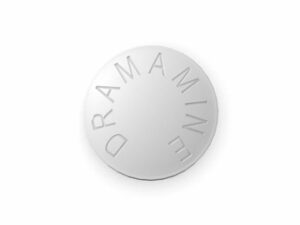


Antivert (Meclizine) – Patient Information (Australia)
Antivert is a brand of meclizine, an antihistamine medicine commonly used to help relieve symptoms of vertigo (a spinning or “moving” sensation) and related dizziness. This page provides patient-friendly information about how it works, when to take it, common uses, dosing guidance, safety considerations, and practical tips for everyday use in Australia.
Always read the product packaging and speak with a pharmacist or doctor if you have questions—especially if you are pregnant, breastfeeding, take other medicines, or have ongoing medical conditions.
Quick Overview
- Medicine: Antivert (meclizine)
- Medicinal type: Antihistamine used for vertigo-related symptoms
- Main use: Relief of dizziness and vertigo
- Common forms: Tablets (strengths vary by brand/market)
- Typical onset: Often within about 1 hour (varies by person)
- Duration: Symptoms may be controlled for several hours
What Antivert (Meclizine) Is
Meclizine belongs to a group of medicines called antihistamines. Unlike some antihistamines that are primarily used for allergies, meclizine is specifically useful for conditions that cause vertigo and motion-related dizziness.
Vertigo can have many causes—such as problems affecting the inner ear—and can lead to nausea, imbalance, and difficulty with everyday activities. Antivert helps to reduce these sensations and can improve comfort while you manage the underlying issue.
How It Works (Mechanism of Action)
Meclizine works mainly within the nervous system to reduce the signals that contribute to vertigo and motion sensitivity. Its actions include:
- Antihistamine effect: Blocks certain histamine receptors (notably H1) involved in nausea and dizziness pathways.
- Reduced vestibular stimulation: Helps dampen abnormal activity from the inner ear (vestibular system), which can reduce spinning sensations.
- Antinausea support: By calming vestibular-driven nausea, it may also help with vomiting associated with vertigo.
In simple terms: Antivert helps “settle” the balance and nausea signals that lead to dizziness and spinning.
Pharmacokinetics (How the Body Handles It)
“Pharmacokinetics” describes how the body absorbs, distributes, metabolises, and eliminates a medicine. While exact values can vary between individuals, general patterns for meclizine include:
- Absorption: After oral dosing, meclizine is absorbed via the gastrointestinal tract.
- Onset: Some relief may be felt within about 1 hour, with effects varying by person and the cause of vertigo.
- Distribution: It acts on the central nervous system, which is why drowsiness can occur.
- Metabolism: Meclizine is metabolised in the liver.
- Elimination: Metabolites are excreted primarily via urine (and to a lesser extent via other routes).
- Duration of effect: The symptom-relieving effects may last several hours.
If you have kidney or liver impairment, the balance between benefit and side effects may change—consult a pharmacist for individual advice.
Typical Use in Australia
Antivert is used to help relieve symptoms of:
- Vertigo (including dizziness from vestibular disturbances)
- Dizziness associated with motion sensitivity
- Nausea and vomiting that accompany vertigo
People often use it for short-term relief—such as during episodes of inner-ear vertigo—or before situations that may trigger symptoms (for example, travel). However, ongoing or severe dizziness should always be assessed by a healthcare professional.
When to Take It (Timing and Duration)
For vertigo/dizziness episodes
Many people take a dose when symptoms begin or when they notice early warning signs. If you have recurrent episodes, your pharmacist or doctor can advise a practical routine.
For motion-related symptoms (travel/plans)
If your dizziness is triggered by travel, taking a dose before the activity can help prevent symptoms. A common approach is:
- Take in advance: Often about 1 hour before travel or activity (follow your specific label/instructions).
- Plan for effects: Allow time to see how you respond, especially if this is your first dose.
Avoid stacking multiple doses too quickly. If symptoms persist or worsen, seek medical advice rather than simply taking more.
Food Interactions
Meclizine can generally be taken with or without food. However, food-related factors can influence how you feel:
- With meals: Some people find taking it with food reduces stomach discomfort.
- Fatty meals: May delay absorption for some medicines; the practical effect on meclizine varies.
- Grapefruit/antacids: There is no universal requirement to avoid grapefruit, but always check with a pharmacist if you are taking multiple medicines.
Because meclizine can cause nausea relief, eating may also be easier once symptoms settle. If you’re vomiting, focus on hydration and consider medical advice if you cannot keep fluids down.
Alcohol and Medicine Interactions
Alcohol
Avoid alcohol while taking Antivert unless your pharmacist has advised it is safe for you. Alcohol can increase the risk of:
- Drowsiness and impaired coordination
- Slower reaction times
- Falls, especially in older adults
Other medicines that may interact
Meclizine can enhance the effects of other medicines that affect the brain. Tell your pharmacist if you take any of the following:
- Other antihistamines (including allergy/cold medicines)
- Sleep medicines and sedatives
- Opioid pain medicines
- Antianxiety medicines (benzodiazepines)
- Some antidepressants that may cause drowsiness
- Antipsychotics
- Muscle relaxants
- Anti-nausea medicines (to ensure combined side effects are safe)
If you are unsure whether a product “counts,” check the label or ask a pharmacist. In Australia, many “cold and flu” combinations contain antihistamines that could add to drowsiness.
Indications (What It’s Used For)
Antivert (meclizine) is indicated for the relief of symptoms associated with:
- Vertigo and dizziness due to vestibular disorders
- Nausea and vomiting linked to vertigo
- Motion-induced dizziness (as advised by a healthcare professional)
Not all dizziness is vertigo. If you have new, severe, or unusual symptoms—such as weakness, numbness, difficulty speaking, chest pain, severe headache, or fainting—seek urgent medical care.
Dosing Information (General Guidance)
Dosing can vary by age, the specific product strength, and the condition being treated. Always follow the directions on the pack or the advice you receive from a pharmacist.
Adults (typical approach)
Common adult dosing regimens for meclizine used for vertigo/dizziness may include doses taken as needed or at intervals over the day. Because product strengths differ, please rely on the dosage stated on the Antivert pack you receive.
Children
Use in children should be guided by a healthcare professional. Dosage and suitability depend strongly on age. Do not give Antivert to a child unless the pack instructions or a clinician has advised it.
Older adults
Older adults are more sensitive to drowsiness and balance effects. If you are over 65, begin cautiously and allow time to see how you respond. Ask your pharmacist about the safest timing and whether you should avoid driving.
Missed dose
If you miss a dose, take it when you remember unless it is near the time for the next dose. Do not take double doses to catch up.
How long to use it
If you need Antivert for more than a short period, or if symptoms keep returning, discuss with a pharmacist or doctor. Persistent vertigo may require investigation into the underlying cause.
Safety Profile
Common side effects
Like all medicines, meclizine can cause side effects. Common ones include:
- Drowsiness or tiredness
- Dry mouth
- Blurred vision (in some people)
- Constipation
- Headache
Less common but important reactions
- Allergic reaction (rash, swelling of face/lips, wheezing, difficulty breathing)
- Severe dizziness or fainting (could indicate a different problem)
- Confusion, especially in older adults
- Difficulty urinating (more likely if you have prostate enlargement)
When to stop and seek medical help
Seek urgent medical help if you develop symptoms of a serious allergic reaction, severe or worsening neurological symptoms, or signs of an emergency condition.
Who should be extra careful
Talk to a pharmacist before using Antivert if you have:
- Glaucoma (narrow-angle type)
- Enlarged prostate or trouble urinating
- Chronic lung conditions such as COPD or severe asthma
- Severe liver impairment
- History of falls or significant balance problems
- Myasthenia gravis (certain medicines can worsen symptoms)
Practical Use Tips (Getting the Best Results)
- Try the first dose at home: If you can, take it when you don’t need to drive or operate machinery, so you can judge how drowsy it makes you feel.
- Go easy on driving: Avoid driving until you know how Antivert affects you. Drowsiness and blurred vision can impair safe driving.
- Hydrate: Vertigo can come with nausea. Sip water or oral rehydration fluids if you can’t eat normally.
- Move carefully: Sudden head movements may trigger vertigo. Sit up slowly and use support when standing.
- Keep a symptom diary: Note triggers, time of onset, and how long the medicine helps. This can help your pharmacist fine-tune your plan.
- Do not combine with multiple “drowsy” products: Avoid doubling up with other antihistamines or sedatives. Check labels for allergy and cold medicines.
Alternative Options
Depending on the cause of vertigo, alternatives may include both non-medicine strategies and other medication options. A pharmacist or doctor can help tailor options to your symptoms and medical history.
Non-medicine strategies
- Vestibular rehabilitation exercises (often helpful for certain inner-ear causes)
- Trigger management (reducing head movements that provoke attacks)
- Hydration and rest, especially during viral illness or migraine-associated vertigo
Medication alternatives
Depending on availability and suitability, clinicians may consider:
- Other vestibular suppressants (different agents may be used depending on symptoms)
- Antinausea medicines if vomiting is prominent
- Targeted migraine treatments if vertigo is related to migraine
Don’t switch medicines without advice—especially if you’re taking other medicines, as side effects and interaction risks can differ.
Australia: Market and Legal Context (What to Expect)
In Australia, medicines are regulated through the TGA (Therapeutic Goods Administration). Availability and wording on packaging can differ depending on the product’s regulatory category and manufacturer. Online pharmacies must comply with Australian health and consumer laws, including supplying medicines responsibly.
Product classification (for example, whether it is available without prescription or requires professional involvement) depends on the formulation and brand. Your pharmacy listing should clearly show the status and any purchase limits.
Always follow the directions on the pack and ask a pharmacist if you’re unsure about safe use.
Recent Guidance and Important Considerations
Over recent years, key themes in medication safety include:
- Reducing avoidable harm from drowsiness: Increased attention to sedation, falls risk, and driving impairment.
- Checking “hidden antihistamines”: Many cough/cold/allergy products contain antihistamines that can increase side effects when combined.
- Emphasis on assessing persistent or severe vertigo: If dizziness is new, worsening, or accompanied by neurological symptoms, it should be medically evaluated rather than masked.
If you’ve had vertigo for a long time, are using Antivert frequently, or notice a change in your usual pattern, it’s sensible to seek professional advice to ensure the underlying cause is being managed appropriately.
Delivery and Availability (Online Pharmacy)
Antivert (meclizine) may be available through online pharmacies depending on stock and your location in Australia. Delivery times vary based on the pharmacy’s dispatch schedule and the shipping method selected at checkout.
- Availability: Stock can change—check the product page for current status.
- Packaging: Medicines are supplied in manufacturer packaging with labelling and consumer medicine information.
- Delivery: Typically dispatched quickly once payment is confirmed (exact time varies).
- Cold chain: Meclizine tablets generally do not require refrigeration.
Keep medicines in a cool, dry place away from direct sunlight, and store out of sight and reach of children.
Product Details (Example Information)
Because strengths and pack sizes can vary, always check your specific carton/label for exact details. The table below summarises the most common product information you may see.
| Category | Information |
|---|---|
| Brand | Antivert |
| Active ingredient | Meclizine |
| Medicinal type | Antihistamine (vestibular symptom relief) |
| Common symptom targets | Vertigo, dizziness, nausea associated with vertigo |
| Key precautions | Drowsiness, avoid alcohol, caution with other sedating medicines |
| Typical dosing approach | Follow label directions; dose timing varies by indication |
FAQ – Antivert (Meclizine)
1) How quickly does Antivert (meclizine) work?
Many people feel symptom relief within about 1 hour, although onset can vary. If you don’t notice improvement, don’t keep increasing the dose—talk to your pharmacist.
2) Will Antivert make me drowsy?
Yes, drowsiness is possible. Some people feel very sleepy, while others feel only mildly affected. Avoid driving or operating machinery until you know how it affects you.
3) Can I take it with food?
Usually yes. Taking it with food may improve comfort for some people. Follow your pack instructions and consider speaking with a pharmacist if you have stomach problems or take other medications.
4) Is it safe to drink alcohol while using Antivert?
It’s generally best to avoid alcohol because it can increase drowsiness and impair coordination. If you’re unsure, ask a pharmacist for individual advice.
5) What if my vertigo is severe or new?
Seek medical advice urgently if dizziness is new, rapidly worsening, or accompanied by warning signs such as: weakness or numbness, difficulty speaking, severe headache, fainting, chest pain, or trouble walking. Antivert may relieve symptoms, but it may also delay attention to a serious cause.
6) How long can I take Antivert?
Use it for the duration recommended on the pack or by a healthcare professional. If you need it repeatedly or long-term, consult a pharmacist or doctor to ensure the underlying cause is managed.
7) Can I take Antivert with other allergy or cold medicines?
Use caution. Many cold and allergy medicines contain antihistamines or other ingredients that can add to drowsiness. Check labels carefully and ask a pharmacist if you’re taking multiple products.
8) Is Antivert suitable for older adults?
Older adults may be more sensitive to side effects like drowsiness and falls risk. Discuss with a pharmacist for the safest approach, and take extra care when standing or walking.
9) What should I do if I miss a dose?
Take it when you remember unless it’s close to the next dose time. Do not take double doses.
10) Are there alternatives if Antivert doesn’t help?
Alternatives may include different medicines for nausea/vertigo, and non-medicine options such as vestibular rehabilitation. The best option depends on the underlying cause of your vertigo.
Final Safety Reminder
Antivert (meclizine) can be helpful for many people experiencing vertigo-related dizziness and nausea, but it may cause drowsiness and can interact with other medicines—especially those that also affect the brain. If symptoms persist, worsen, or change, seek professional advice rather than continuing to self-manage.
For personalised guidance, speak with a pharmacist who can consider your health history and other medicines you use.