Acetazolamide (Acetazolamide) — Patient Information
Acetazolamide is a medicine used for specific medical purposes where it helps the body adjust fluid balance and reduce abnormal nerve signalling. In Australia, acetazolamide is available through pharmacies and is commonly used for conditions such as glaucoma (certain types), altitude sickness prevention, and some forms of oedema under clinician guidance.
This page explains how acetazolamide works, how it’s taken, key safety considerations, interactions (including with alcohol and other medicines), and practical tips to help you use it confidently.
Basic product information
- Generic name: Acetazolamide
- Common brand names: Varies by product availability
- Medicine type: Carbonic anhydrase inhibitor
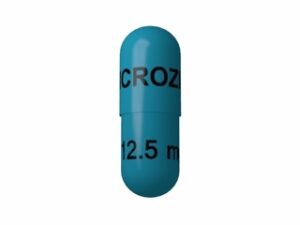
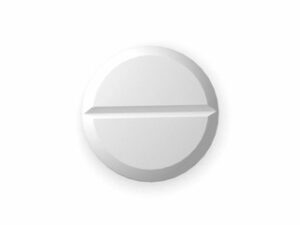
- Form: Tablets (strengths vary by brand)
- How it’s supplied: Available via pharmacies in Australia depending on stock and regulation
If you have questions about the specific brand and strength you’re purchasing, check the label or speak with a pharmacist.
How acetazolamide works (mechanism of action)
Acetazolamide blocks an enzyme called carbonic anhydrase in several tissues, including the kidney, eyes, and parts of the nervous system. This has several downstream effects:
- Reduced fluid formation in the eye: It lowers aqueous humour production, helping reduce intraocular pressure in certain types of glaucoma.
- Increased urine output and altered electrolyte balance: In the kidneys, it reduces bicarbonate reabsorption, leading to diuresis (increased urine) and changes in acid-base balance.
- Helps the body adapt to high altitude: By encouraging a mild metabolic acidosis, it can improve breathing regulation and oxygenation during ascent.
Because acetazolamide acts on carbonic anhydrase, its effects are not identical to “typical water tablets.” Its impact on acid-base balance and electrolytes is central to both benefits and side effects.
Pharmacokinetics (how the body absorbs, distributes, and clears it)
While exact values can vary by formulation and patient factors, acetazolamide generally behaves as follows:
- Absorption: Absorbed from the gastrointestinal tract after oral doses.
- Distribution: Spreads through body tissues. It can cross into ocular fluids and the central nervous system, which helps explain its use in eye conditions and altitude-related symptoms.
- Metabolism: Minimal metabolism is expected; the medicine largely remains unchanged.
- Elimination: Mainly eliminated through the kidneys.
- Half-life: The effect may last for several hours; dosing schedules reflect the drug’s clearance and clinical need.
Kidney function matters: Because the medicine is cleared by the kidneys, people with impaired renal function may require different dosing and closer monitoring.
Typical uses of acetazolamide
Acetazolamide is used for a range of clinical indications. The most common include:
- Prevention of altitude sickness (also used to help reduce risk of acute mountain sickness).
- Glaucoma (certain types or as part of short-term management where appropriate).
- Oedema related to certain medical conditions (less commonly today compared with other options, depending on local practice).
- Other specialist uses where clinicians aim to alter acid-base balance or reduce specific fluid dynamics.
Uses can differ depending on product formulation and current prescribing practices. Always follow the direction provided with your medicine.
Timing and how to take acetazolamide
Taking acetazolamide consistently helps you get the intended effect. Timing can vary depending on the condition being treated. As a general guide:
- For prevention of altitude sickness: Start before ascent and continue during the high-altitude period as advised.
- For eye-related indications: Dosing schedules are often divided (e.g., multiple times daily) to maintain effect.
- For other indications: Follow your clinician’s recommended schedule and adjust only with professional advice.
Many people find it helps to take tablets with or after food to reduce stomach upset. If your dose is split into several times per day, spacing doses evenly can improve tolerability.
Practical tip: If you miss a dose, take it when you remember unless it’s close to your next dose. Do not take a double dose to make up for a missed tablet. If you’re unsure, ask a pharmacist for advice.
Food interactions and dietary considerations
Acetazolamide has limited direct “food-drug” interaction in the usual sense, but food can influence tolerability and overall electrolyte balance.
- Taking with food: Often helps reduce nausea or stomach discomfort.
- Hydration: Drink adequate fluids (unless you’ve been told to restrict fluids). Because acetazolamide can increase urine output, maintaining hydration helps reduce side effects like dizziness.
- Electrolytes: The medicine may affect potassium and bicarbonate. Your clinician may recommend dietary adjustments or monitoring if you’re at higher risk.
If you have a condition such as heart failure, kidney disease, or are on electrolyte-altering medicines, seek specific guidance about diet and fluid intake.
Alcohol and medicine interactions
Alcohol may worsen certain side effects such as dizziness, drowsiness, or dehydration—especially if you’re also exposed to heat, travel, or high altitude. While acetazolamide does not typically have a single “forbidden” interaction with alcohol, it’s generally wise to:
- Limit alcohol while taking acetazolamide.
- Avoid heavy drinking, especially at high altitude.
- Be cautious if you feel light-headed or unwell.
Important medicine interactions can occur with other drugs that affect electrolytes, kidney function, acid-base balance, or seizure threshold. Tell your pharmacist about all medicines you use, including over-the-counter products and supplements. Examples of medicines that may interact include:
- High-dose aspirin (salicylates): May increase risk of acid-base problems.
- Other diuretics: May increase changes in electrolytes and dehydration risk.
- Medicines affecting potassium: Such as some heart medications and supplements. Changes in potassium can influence heart rhythm and muscle function.
- Anticonvulsants (e.g., phenytoin, carbamazepine, others): may interact through acid-base effects.
- Oral antidiabetic medicines: In some patients, acid-base and fluid changes may affect glucose control.
- Carbamazepine (and related): Special caution is sometimes recommended due to electrolyte and blood count considerations.
- Other medicines cleared by the kidneys: If kidney function is reduced, medicine levels may be affected.
This is not an exhaustive list. A pharmacist can check your specific medicine list and highlight potential interactions.
Indications (when acetazolamide may be recommended)
Acetazolamide may be used in Australia for indications including:
- Acute mountain sickness prevention in appropriate travellers.
- Glaucoma management in select situations, often under ophthalmology care.
- Oedema in certain clinical scenarios where carbonic anhydrase inhibition is appropriate.
- Other specialist conditions requiring alteration of fluid and acid-base regulation.
Suitability depends on your health history, age, kidney function, and the medicines you already take.
Dosing: general guidance
Doses vary widely by indication, age, and kidney function. The correct dose for you should be confirmed by the prescriber/pharmacist based on your situation and the specific product strength.
Important: The following is general information only, not a personal dosing instruction.
| Condition | Typical approach (general) | Notes |
|---|---|---|
| Altitude sickness prevention | Started before ascent; continued during exposure as advised. | Follow travel timing guidance and local clinician advice. Side effects may include tingling. |
| Glaucoma (selected cases) | Often divided doses throughout the day. | Eye pressure targets and schedules are set by specialist guidance. |
| Oedema / fluid-related conditions | May be short-term or intermittent depending on underlying cause. | Electrolytes and kidney function may require monitoring. |
Kidney impairment: If you have reduced kidney function, your dose and monitoring may need adjustment. Do not self-adjust your schedule.
Children and adolescents: Dosing must be determined by a clinician based on weight, age, and indication.
Safety profile and side effects
Most people tolerate acetazolamide reasonably well, but it can cause side effects due to its carbonic anhydrase effects. Report any concerning symptoms promptly to a healthcare professional.
Common side effects
- Tingling sensations (often in hands/feet) due to electrolyte and acid-base changes
- Frequent urination (diuretic effect)
- Altered taste (sometimes reported)
- Nausea or mild stomach upset
- Fatigue or mild dizziness
- Headache
Less common but important risks
- Electrolyte abnormalities (e.g., low potassium, metabolic acidosis). Symptoms may include weakness, cramps, palpitations, or unusual breathlessness.
- Kidney-related issues: acetazolamide is cleared by the kidneys; dehydration may increase risk of complications.
- Allergic reactions (rash, swelling, breathing difficulty): seek urgent medical attention if these occur.
- Severe skin reactions (rare): urgent assessment is needed if you develop blistering rash, mouth sores, or widespread rash.
- Blood cell or immune-related effects (rare): watch for fever, sore throat, unusual bruising, or persistent fatigue.
When to seek urgent help
Get urgent medical advice or emergency care if you experience:
- Signs of a severe allergic reaction (swelling of face/lips, trouble breathing, severe rash)
- Severe or persistent vomiting, confusion, fainting, or severe weakness
- Blood in urine or severe flank pain
- Worsening shortness of breath or chest pain
Practical use tips (getting the best results)
- Stay hydrated: Especially if it makes you urinate more. Balance fluids appropriately for your health condition.
- Plan for bathroom access: Frequent urination is more likely in the initial days.
- Expect “tingling” if it happens: It can be a predictable effect. If severe or accompanied by other symptoms, contact a pharmacist or doctor.
- Don’t drive if dizzy: If you feel light-headed, avoid driving or operating machinery.
- Follow monitoring advice: If you have kidney disease, take regular medicines, or are on long courses, your clinician may request blood tests.
- Keep a medicine list: Include all prescription medicines, over-the-counter products, and supplements for interaction checks.
Alternative options
Alternatives depend on the condition being treated. If acetazolamide isn’t suitable due to side effects, interactions, or availability, clinicians may consider other approaches such as:
- Altitude sickness prevention: Gradual ascent strategies, hydration, and sometimes other preventive medicines depending on your risk profile.
- Glaucoma management: Different classes of eye drops and/or systemic medicines used by ophthalmologists.
- Fluid retention (oedema): Other diuretics or treatment of the underlying cause.
A pharmacist can help discuss suitable alternatives in Australia once you share your indication and medicine list.
Market and legal context for Australia
In Australia, the availability of medicines can vary based on classification and scheduling under the Australian regulatory framework. Medicines may be supplied as over-the-counter, pharmacist-only, or require specific prescribing arrangements depending on the product.
Availability may also be influenced by supply chain conditions and brand changes. Pharmacy staff can provide the most up-to-date guidance about whether a specific product is stocked and the expected delivery time.
Always check the package label and the Consumer Medicine Information (CMI) for your specific brand.
Recent guidance and clinical updates (general)
Guidance for acetazolamide use can evolve based on emerging safety data, travel medicine recommendations, and specialist protocols for eye conditions. In general, healthcare providers focus on:
- Individual risk assessment (especially kidney function and electrolyte status)
- Appropriate timing for altitude prophylaxis
- Monitoring when therapy is prolonged or when patients are on interacting medicines
- Recognising early side effects (tingling, dizziness, nausea) and ensuring patients can continue safely
For travel, it’s also common to review guidance about gradual ascent, acclimatisation, and recognising symptoms that require descent or urgent medical attention.
Delivery and availability in Australia
Online pharmacy orders may be delivered within Australia depending on location, stock levels, and delivery service availability. Some products are maintained as regular stock, while others may be supplied as limited availability with variable dispatch times.
- Availability: May depend on brand and strength.
- Dispatch time: Typically shown at checkout or in your order confirmation.
- Packaging: Medicines are supplied in manufacturer or pharmacy packaging appropriate for distribution.
- Storage: Follow the label instructions (commonly stored at room temperature away from moisture and heat).
If you’re travelling soon (e.g., to higher altitude), consider ordering early to allow for processing and delivery time.
FAQ
1) What is acetazolamide used for?
Acetazolamide is used for conditions such as prevention of altitude sickness, certain types of glaucoma, and specific fluid-related medical scenarios where carbonic anhydrase inhibition is helpful.
2) When should I start taking it for altitude sickness prevention?
Start timing is usually before ascent and continue while you are at risk. The exact start time depends on your travel plan and your healthcare provider’s advice. Always follow the instructions provided with your medicine and travel guidance.
3) What side effects should I expect?
Common effects include tingling in hands or feet, more frequent urination, mild nausea, fatigue, or dizziness. If you develop severe rash, breathing problems, or significant weakness, seek urgent medical help.
4) Can I take acetazolamide with food?
Yes. Taking acetazolamide with or after food can help reduce stomach upset. Stay hydrated unless you’ve been told to restrict fluids.
5) Does acetazolamide interact with other medicines?
Yes, interactions can occur, particularly with medicines that affect electrolytes, kidney function, acid-base balance, or seizure control. Tell your pharmacist about all medicines and supplements you use so they can check for compatibility.
6) Is it safe to drink alcohol while taking acetazolamide?
Alcohol may increase the likelihood of dizziness or dehydration. It’s generally best to limit alcohol and avoid heavy drinking. If you feel unwell or light-headed, avoid driving and seek advice.
7) What if I miss a dose?
Take it when you remember unless it’s close to your next scheduled dose. Do not take an extra double dose. If unsure, ask a pharmacist for guidance.
8) Who should use acetazolamide with extra caution?
People with kidney disease, a history of electrolyte imbalance, sulfonamide allergy concerns, or those taking multiple interacting medicines may require extra monitoring. Always confirm suitability with a pharmacist or clinician.
9) Can acetazolamide be stopped suddenly?
If acetazolamide was started for a short-term purpose (such as altitude exposure), it is often stopped once the risk period ends. If it was started for a longer medical reason, do not stop without professional advice, especially for eye-related or chronic indications.
10) How should I store acetazolamide?
Store according to the label (typically room temperature, away from moisture and heat). Keep out of reach of children.
Note: This information is general and designed to help you understand acetazolamide. For personal advice about suitability, dosing schedule, and interactions, ask a pharmacist or clinician and review your medicine’s Consumer Medicine Information (CMI).