Zyban (Bupropion) — Patient Guide (Australia)
Zyban is a brand of bupropion, a medicine used to help people quit smoking. This guide explains how Zyban works, how to take it, important safety information, and what to expect during treatment. It is written for general information only; always follow the instructions provided by your healthcare professional and read the product information in the box.
Key Product Information
- Brand name: Zyban
- Active ingredient: Bupropion (as bupropion hydrochloride)
- Medicinal use: Helps with smoking cessation (quitting smoking)
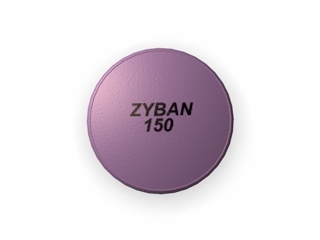
- Common presentation: Sustained-release tablets (for once- or twice-daily dosing, depending on the plan)
- Therapeutic category: Smoking-cessation aid; also used in some countries for depression (the smoking-cessation use depends on local approvals)
In Australia, access to medicines and the specific prescribing/dispensing process are governed by TGA (Therapeutic Goods Administration) and the relevant scheduling rules. Availability may vary by pharmacy and local stock.
How Zyban Works (Mechanism of Action)
Zyban (bupropion) supports smoking cessation mainly by affecting brain pathways involved in addiction and withdrawal. It does not “remove nicotine” from the body. Instead, it helps reduce cravings and withdrawal symptoms by changing the balance of certain neurotransmitters.
Neurotransmitter effects
- Norepinephrine (noradrenaline) and dopamine: Bupropion increases the availability of these neurotransmitters through reuptake inhibition.
- Nicotine withdrawal support: By altering signaling in reward pathways, it may reduce the urge to smoke and improve mood/irritability during quit attempts.
- Craving reduction: Many people find cravings feel less intense over time, helping them stay with their quit plan.
Zyban’s effects build gradually as the dose is taken consistently—so it is usually started before the target quit date.
Pharmacokinetics (How the Body Handles Zyban)
Pharmacokinetics describes what the body does to a medicine—absorption, distribution, metabolism, and elimination. While individual responses vary, the following provides a practical overview.
Absorption and sustained release
- Zyban tablets are formulated for slow release, helping maintain blood levels between doses.
- Peak levels generally occur after oral dosing, consistent with a sustained-release design.
Metabolism
- Bupropion is extensively metabolised in the liver.
- Several metabolites form; one prominent metabolite is hydroxybupropion.
Elimination
- Metabolites are eliminated mainly via the kidneys (urine).
- Because elimination depends on liver and kidney function, dose adjustments may be considered for some patients.
If you have known liver impairment or kidney problems, discuss this with your clinician, as it may affect how suitable Zyban is for you.
Typical Use in Australia
Zyban is used as an aid to help adults quit smoking. It is often recommended for people who:
- Want to stop smoking and need support with withdrawal and cravings
- Prefer an option that is not nicotine-only (though it can be used alongside nicotine therapies in some plans)
- Have previously tried to quit but struggled with urges or mood changes
Zyban is most effective when combined with behavioural support—for example, counselling, quitline programs, coping strategies, and setting a clear quit date.
When to Start and Timing (Before and During Your Quit Attempt)
A common approach is to begin Zyban before your quit date. This helps the medicine reach effective levels and prepares you for the change in smoking habits. Timing may vary depending on your clinician’s plan and your tolerance.
Typical timeline (general example)
- Start treatment: often about 1–2 weeks before the planned quit date.
- Pick a quit date: choose a day to stop cigarettes completely.
- Continue treatment: usually for a period that supports staying smoke-free (commonly several months; the exact duration varies by response and guidance).
How to take it
- Take tablets at the same times each day.
- Do not crush, chew, or split sustained-release tablets unless instructed otherwise by your product information.
- Swallow whole with water.
If you miss a dose, follow the “missed dose” guidance in the product information or ask your pharmacist.
Food Interactions and Taking With Meals
In general, Zyban may be taken with or without food. However, individual tolerability (such as nausea or stomach discomfort) can vary.
- If you experience nausea, taking your tablet with a meal or after food may help.
- Avoid very heavy meals right before bedtime if it worsens reflux or discomfort.
Keep consistent habits; changes in how you take Zyban (for example, suddenly taking doses with or without meals) are less important than maintaining correct dosing times.
Alcohol and Medicine Interactions
Alcohol
Alcohol can increase the risk of side effects with bupropion, and it may affect seizure risk—particularly with heavy drinking or sudden changes in alcohol intake.
- Avoid binge drinking.
- If you drink regularly, talk to your clinician about the safest approach while taking Zyban.
- Do not stop or start alcohol abruptly if you have dependence—seek medical advice for safe management.
Medicine interactions (important)
Zyban can interact with other medicines. Some interactions may increase side effects or reduce effectiveness. Always tell your pharmacist or clinician about:
- All prescription and non-prescription medicines
- Herbal products and supplements
- Any recent or planned changes in medicines
High-risk interaction categories
- Medicines that lower the seizure threshold (some antidepressants, antipsychotics, stimulants, certain antibiotics, and others).
- Other bupropion-containing products (avoid accidental double-dosing).
- Medications affecting liver enzymes involved in bupropion metabolism (may change blood levels).
- Some medicines for Parkinson’s disease or other conditions, depending on the active ingredient.
- Strong enzyme inhibitors/inducers may require dose changes.
Because interaction risk depends on the exact active ingredients, always check with your pharmacist.
Indications (What Zyban Is Used For)
The primary indication for Zyban is to assist with smoking cessation in adults.
In some contexts worldwide, bupropion has additional uses (such as for depression). In Australia, your supply and instructions will reflect the indication authorised for your product and local guidance.
Dosing (General Information)
Dose schedules can vary depending on your health profile and tolerance. The information below is a general overview. For your exact dose and schedule, follow the instructions on your medicine label and product information.
Common dose structure
- Initial period: a lower dose is often used at the beginning to improve tolerability.
- Maintenance: dose is then increased to the target amount.
Once vs twice daily
Zyban sustained-release tablets are typically taken once or twice daily, depending on your plan. Many regimens involve spacing doses to avoid late-day dosing that could affect sleep.
Important dosing safety tips
- Do not exceed the prescribed dose.
- Do not take extra tablets if you feel cravings—cravings often improve over days to weeks.
- Allow time: nicotine cravings can be intense at first; Zyban works as part of a broader quit strategy.
- Discuss dose adjustments if you have liver impairment or kidney disease.
Safety Profile (What to Watch For)
Like all medicines, Zyban can cause side effects. Many people tolerate it well, but it’s important to know what’s normal and what requires urgent help.
Common side effects
- Dry mouth
- Headache
- Nausea or stomach discomfort
- Insomnia or sleep disturbance
- Increased restlessness or agitation
- Dizziness
- Changes in appetite
- Constipation
Less common but serious risks
Some adverse effects require immediate medical assessment. The most important serious risk is seizure, though it is uncommon when Zyban is taken as directed and risk factors are considered.
- Seizures: seek urgent care if a seizure occurs.
- Severe allergic reactions: swelling, rash, breathing difficulty—seek urgent help.
- Severe mood changes: new or worsening depression, agitation, or unusual behaviour—contact a clinician promptly.
- Signs of liver problems (yellowing skin/eyes, dark urine, severe fatigue) require medical evaluation.
Who should be extra careful
- History of seizures or conditions that increase seizure risk
- Known eating disorders (such as bulimia or anorexia nervosa)
- Use of medicines that lower seizure threshold
- Heavy alcohol use or abrupt changes in alcohol intake
- Severe liver impairment
Your pharmacist or clinician can help determine suitability by reviewing your medical history and current medicines.
Practical Use Tips for Better Success
Zyban works best when you pair it with a clear quitting plan. Here are practical steps that improve your chances of success.
1) Set a quit date and plan for cravings
- Choose a date when you can be prepared (work schedule, social events, triggers).
- Identify your top smoking triggers (stress, coffee, alcohol, driving, breaks).
- Create “replacement behaviours” (e.g., sugar-free gum, a short walk, breathing exercises).
2) Manage sleep early
- If you feel wired or have insomnia, discuss timing with your clinician or pharmacist.
- Try to avoid late-day dosing if your regimen allows flexibility.
- Keep caffeine moderate, particularly in the afternoon/evening.
3) Expect the first days to be challenging
Many people notice cravings reduce gradually over the first couple of weeks. Withdrawal symptoms can peak early after quitting cigarettes. Having coping strategies ready helps you persist through the hardest period.
4) Consider combination therapies (with guidance)
Some people use Zyban alongside nicotine replacement (such as patches or gum) as part of a tailored plan. Combination approaches should be discussed with your clinician to ensure safety and appropriate dosing.
5) Keep track of side effects and progress
- Note sleep issues, nausea, mood changes, or headaches.
- Use a simple diary: “craving level now,” “what triggered it,” and “what helped.”
6) Stay connected to support
- Quitline and counselling services can provide behavioural support and practical coping tools.
- Support is associated with better long-term success.
Alternative Options to Consider
Quitting smoking is achievable with different tools. Depending on your needs and medical history, alternatives may include:
Nicotine replacement therapy (NRT)
- Nicotine patches (steady background nicotine)
- Nicotine gum or lozenges (for breakthrough cravings)
- Inhalators or other forms (availability varies)
Other prescription options for smoking cessation
Some countries use medicines such as varenicline for smoking cessation. Availability and suitability in Australia depend on approvals and individual factors.
Non-medicine support
- Structured behavioural counselling
- Quitline coaching
- Digital support programs and practical relapse-prevention planning
If you have side effects or Zyban isn’t right for you, speak to your pharmacist or clinician about the most appropriate alternative.
Market and Legal Context in Australia (What It Means for You)
In Australia, medicines are regulated by the Therapeutic Goods Administration (TGA). Medicines are supplied according to local scheduling and pharmacy requirements. This helps ensure quality, appropriate use, and patient safety.
- Quality and manufacturing: Approved products must meet Australian standards for quality and consistency.
- Pharmacy processes: Pharmacists help screen for suitability and interactions, and provide counselling.
- Health information: Product information leaflets include the most up-to-date safety details for your medicine.
Guidance can be updated as new evidence emerges. Your healthcare professional can provide the latest recommendations for smoking cessation support.
Recent Guidance and Updates (General Information)
Smoking-cessation guidance in Australia commonly emphasises:
- Combining medication with behavioural support when possible
- Individual tailoring based on medical history, side effects, and preferences
- Monitoring during the early weeks (sleep, mood, cravings, and adherence)
- Relapse prevention planning—slips can happen, but they don’t have to become a full return to smoking
While specific recommendations for Zyban use should follow the approved product information and clinician advice, these principles remain consistent across smoking-cessation programs.
Delivery and Availability (Online Pharmacy Overview)
Availability of Zyban can vary depending on your location and pharmacy stock levels. When ordering online in Australia:
- Your pharmacy may confirm suitability and provide counselling before dispensing.
- Packaging and dosing information will be included with your supply.
- Delivery times can vary by region and courier service.
What to check when your medicine arrives
- Confirm the strength and dose instructions match your plan.
- Check the expiry date.
- Store according to the product information (typically at controlled room temperature, away from moisture and heat).
FAQ: Zyban (Bupropion) — Common Questions
1) How long does it take Zyban to work?
Many people begin noticing reduced cravings within the first days to weeks, but a quit attempt can be challenging early on. Zyban is usually started before the quit date so it is “on board” when you stop smoking.
2) Can I smoke while I’m starting Zyban?
Often, people are advised to begin Zyban before the quit date and then stop completely on the chosen quit date. Follow your clinician or product instructions for your specific plan.
3) What if I miss a tablet?
Check the product information for missed-dose instructions. In general, avoid taking extra doses to make up for a missed dose. If you’re unsure, ask your pharmacist for advice based on your dosing schedule.
4) Can I take Zyban with nicotine patches or gum?
Some quit plans may use Zyban alongside nicotine replacement to manage cravings. This should be discussed with your pharmacist or clinician to ensure appropriate use and to monitor for side effects.
5) Is Zyban safe with coffee or caffeine?
There are no direct “food group” rules, but caffeine can worsen sleep disturbance or anxiety in some people. If you experience insomnia or restlessness, reduce caffeine—especially after midday—and discuss timing with your pharmacist if needed.
6) Will Zyban help with weight gain after quitting smoking?
Smoking cessation can be associated with weight gain in some people. Zyban may help some individuals by reducing cravings and supporting quitting, but it is not a weight-loss medicine. Healthy eating and activity plans still matter.
7) What should I do if I feel very low, agitated, or “not myself”?
Contact your healthcare professional promptly. If you have severe symptoms or feel unsafe, seek urgent medical help. Mood changes should never be ignored.
8) Who should not use Zyban?
Suitability depends on your medical history and current medicines. People at higher risk (for example, those with seizure history, certain eating disorders, or specific interacting medications) may need an alternative. Your pharmacist or clinician can advise.
9) Can I drink alcohol while taking Zyban?
Alcohol may increase risk of side effects and may affect seizure risk. It’s best to minimise alcohol and discuss your situation with your pharmacist or clinician, especially if you drink regularly or in high amounts.
10) What should I do if I get side effects?
Many side effects improve as your body adjusts. However, severe or concerning symptoms (such as seizure, severe allergic reactions, or significant mood changes) require prompt medical attention. Contact your pharmacist for advice.
Summary
Zyban (bupropion) can be an effective support for adults trying to quit smoking. It helps reduce cravings and withdrawal discomfort by influencing brain neurotransmitters involved in addiction. Treatment usually starts before the quit date and continues for a planned period. Like any medicine, it has potential side effects and drug–alcohol interaction considerations. For the best results, combine Zyban with a structured quit plan, behavioural support, and practical strategies for dealing with triggers.
| Topic | What to know |
|---|---|
| Medicine | Zyban (bupropion) |
| Main use | Helps with smoking cessation |
| How it helps | Affects dopamine and norepinephrine pathways to reduce cravings/withdrawal |
| Timing | Often started 1–2 weeks before the quit date; continue for the planned course |
| With food | Generally with or without food; food may help nausea for some |
| Alcohol | Minimise/avoid binge drinking; discuss if you drink regularly |
| Key safety watch-outs | Seizure risk (rare) and mood/allergy symptoms—seek urgent help if severe |
| Best results | Medication + behavioural support + clear trigger management |