

Phenazopyridine (Urinary Tract Pain Relief) — Patient Guide (Australia)
Phenazopyridine is a medicine used to provide fast relief from the painful, burning sensation that can occur when you’re passing urine. It’s often used short-term alongside other treatments for urinary symptoms. This guide explains what phenazopyridine does, how it works, when to take it, possible side effects, and practical tips for safe use in Australia.
| At a glance | Details |
|---|---|
| Medicine name | Phenazopyridine |
| What it helps | Relieves urinary tract pain, burning, urgency, and discomfort (temporary symptom relief) |
| How it works | Acts locally in the urinary tract to reduce pain signals |
| Typical duration | Usually a short course (commonly up to 2 days) unless a clinician advises otherwise |
| Common side effect | Orange/red urine staining (expected) and possible nausea or headache |
| Key safety point | Not ideal for people with kidney impairment; seek advice if unsure |
Basic product information
Phenazopyridine belongs to a group of medicines known as urinary analgesics (pain relievers for urinary tract discomfort). It is designed to make you feel more comfortable while the underlying cause of your urinary symptoms is being treated or settles.
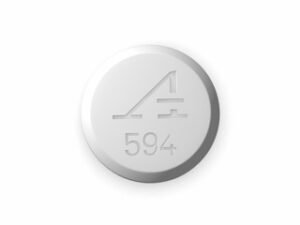
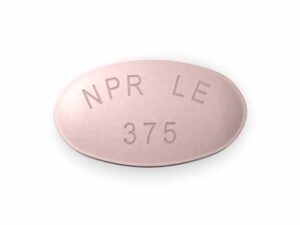
In Australia, availability and brand presentations can vary. Phenazopyridine may be supplied as tablets and is commonly used for short-term symptom management associated with urinary tract irritation.
Mechanism of action (how phenazopyridine works)
Phenazopyridine works locally in the urinary tract. It helps reduce the burning and pain sensations by acting on the lining of the urinary tract and reducing pain signals transmitted from the irritated urinary system.
Important: Phenazopyridine is a symptom relief medicine. It does not treat the underlying infection (if present) and is not an antibiotic.
Pharmacokinetics (what the body does to it)
- Absorption: Phenazopyridine is absorbed after oral dosing.
- Distribution: It exerts its main effect in the urinary tract, and urine can become orange/red.
- Metabolism: The medicine is metabolised in the body.
- Excretion: It and its metabolites are primarily eliminated via the kidneys.
Why this matters: Because elimination involves the kidneys, impaired kidney function can increase the risk of adverse effects. If you have known kidney disease, reduced kidney function, or are elderly with reduced kidney clearance, it’s especially important to seek advice before using phenazopyridine.
Typical use and indications
Phenazopyridine is commonly used for short-term relief of urinary discomfort such as:
- Burning or painful urination
- Urinary urgency and frequency (irritation-related)
- Urinary tract discomfort
When it may be useful
Phenazopyridine may be used to ease symptoms while you wait for additional treatment (such as evaluation or targeted therapy) or while mild irritation settles.
When it should not be used as the only treatment
Do not rely on phenazopyridine alone if you suspect a urinary infection that may need further management. Phenazopyridine can make you feel better while the underlying problem persists.
Timing: when to take phenazopyridine
Follow the instructions on the product label and/or the advice provided by your healthcare professional or pharmacist.
General practical timing considerations:
- Start early when you first notice burning or discomfort, for best symptom relief.
- Space doses evenly across the day if multiple doses are recommended.
- Use for the shortest necessary time—often up to two days—unless otherwise directed.
- Stop and seek advice if symptoms do not improve quickly, worsen, or new symptoms appear (e.g., fever or back/flank pain).
Expected urine colour change: Phenazopyridine commonly turns urine orange to red. This can start soon after dosing and may persist for a short period after the last dose.
Food interactions: can you take it with meals?
Phenazopyridine may be taken with or without food depending on what suits you and the product instructions. Taking it with food can help reduce stomach upset in some people.
- If you experience nausea or stomach discomfort, consider taking doses with a meal or snack.
- Avoid taking it on an empty stomach if it disagrees with you.
General note: Always check the specific brand’s consumer medicine information (CMI) for the most accurate guidance.
Alcohol interactions and safety considerations
Alcohol can irritate the bladder in some people and may worsen urinary discomfort. While there are no universal “absolute” rules for everyone, it’s generally wise to:
- Limit or avoid alcohol while you have urinary symptoms.
- If you choose to drink, do so in moderation and stop if you notice increased burning or discomfort.
Interaction caution: If you drink alcohol heavily or have liver/kidney concerns, discuss with a healthcare professional before using phenazopyridine.
Medicine interactions (other medicines to consider)
Drug interactions can depend on your dose, kidney function, and the other medicines you take. While major interactions are not always present, it’s still important to review your medication list.
Please speak with a pharmacist or clinician if you take:
- Medicines affecting kidney function (including certain diuretics or non-steroidal anti-inflammatory drugs) where relevant to your situation
- Medicines that may affect blood or urine tests (phenazopyridine can affect urine appearance and may interfere with interpretation)
- Any prescription or over-the-counter medicines for ongoing conditions
Urine tests: Because phenazopyridine can change urine colour, inform the testing clinician if you have recently taken it. This is particularly important if you have a urine dipstick or laboratory analysis underway.
Safety profile: who should be cautious?
Common side effects
- Orange/red urine (expected)
- Nausea
- Headache
- Dizziness or general discomfort
- Stomach upset
Serious side effects — seek urgent medical advice if
Serious adverse reactions are uncommon, but get urgent help if you experience:
- Shortness of breath, swelling of the face/lips, or widespread rash (possible allergy)
- Unusual fatigue, weakness, pale skin, or easy bruising (possible blood-related effects)
- Yellowing of skin or eyes (jaundice)
- Severe or worsening symptoms including fever, shaking chills, or pain in your back/flank
Who should avoid phenazopyridine or seek advice first?
Use extra caution or seek professional advice before taking phenazopyridine if you have:
- Kidney disease or reduced kidney function
- History of blood disorders or unusual reactions to medicines
- G6PD deficiency (if known) or concern for red blood cell sensitivity
- Pregnancy or breastfeeding (discuss with a healthcare professional)
- Children—age and dosing requirements vary; follow product guidance and professional advice
Pregnancy and breastfeeding
If you are pregnant or breastfeeding, it’s important to check the suitability of phenazopyridine with a pharmacist or clinician. They can assess the benefits for symptom relief versus any potential risks for your specific situation.
Practical use tips (safe, effective symptom relief)
- Take only as directed: Use the shortest time needed for symptom relief.
- Hydrate: Drink adequate fluids unless you’ve been told to restrict fluids by a clinician.
- Watch for “red flags”: Fever, back/flank pain, nausea/vomiting, or worsening symptoms may indicate something more serious than bladder irritation.
- Don’t mask the problem: If symptoms persist beyond the short recommended period, arrange medical review.
- Inform testing services: Tell your healthcare provider if you’ve used phenazopyridine before urine testing.
Alternative options for urinary discomfort
Depending on the cause of symptoms, different approaches may be more appropriate.
Symptom-relief alternatives
- Other urinary analgesics (availability varies)
- Simple supportive care: increased water intake, avoiding bladder irritants, and using heat packs for comfort
When infection is suspected
If you have signs suggestive of a urinary tract infection (UTI), supportive measures may not be enough. A healthcare professional may recommend a targeted treatment based on your symptoms, exam, and/or urine testing. Pain relief can make you more comfortable while that evaluation takes place.
Note: Avoid using multiple “bladder relief” products together unless you’ve checked ingredients and dosing with a pharmacist.
Market and legal context for Australia
In Australia, medicines are regulated through the Therapeutic Goods Administration (TGA) and are classified into categories such as prescription-only or pharmacist-only depending on safety and evidence requirements.
Phenazopyridine availability may be subject to local supply patterns and product formulations. For the most accurate status for a specific product listing, check the item details and the instructions on the packaging and the associated consumer medicine information.
For ongoing concerns such as recurrent UTIs or complicated symptoms, Australian guidance emphasises appropriate assessment and testing rather than repeated symptom suppression.
Recent guidance and clinical approach (what matters most)
Across many healthcare systems, clinical practice commonly focuses on two principles:
- Relieve discomfort while you manage the underlying cause.
- Avoid delays in assessment if symptoms suggest a complicated infection or another condition.
When urinary symptoms persist, recur frequently, or include fever or pain in the sides/back, it is important to seek medical review. Phenazopyridine is intended for short-term symptom relief and should not replace evaluation.
Delivery and availability (online pharmacy experience)
At an online pharmacy, phenazopyridine availability can depend on supply and product formulation. Typical delivery considerations include:
- Dispatch times: Often same-day or next business day, depending on order cut-off times.
- Delivery network: Australia-wide courier services may be used.
- Age and eligibility checks: The pharmacy may request confirmation of suitability based on product instructions.
- Cold chain: Usually not required for this type of tablet medicine.
Storage: Store tablets as directed on the pack (commonly at room temperature, away from moisture and heat). Keep out of reach of children.
Dosing (general information)
Dosing varies by formulation (strength per tablet), age, and product instructions. Always follow the specific label directions for your product.
General principles:
- Use only the recommended dose and do not exceed the maximum frequency.
- Short course: Many products are intended for brief use—commonly up to 2 days—unless a healthcare professional advises otherwise.
- Children: Dosing must be age-appropriate and should follow the product guidance or professional advice.
If symptoms are not improving within the expected short timeframe, stop and seek advice. Ongoing urinary burning may indicate infection requiring more specific treatment.
What to expect after taking phenazopyridine
- Symptom relief often begins within a short time of taking the medicine.
- Urine colour change is common (orange/red).
- If symptoms worsen or new symptoms appear (fever, flank pain), this is not something to “push through” with pain relief—seek medical review.
When to seek urgent medical attention
Get urgent medical help if you have urinary symptoms plus any of the following:
- Fever or chills
- Back/flank pain (pain in the sides or lower back)
- Vomiting or severe illness
- Blood in the urine that is significant or worsening
- Severe pain or symptoms rapidly deteriorating
- Pregnancy with suspected urinary infection symptoms
FAQ — Phenazopyridine
1) Is phenazopyridine an antibiotic?
No. Phenazopyridine is a urinary pain-relief medicine. It helps with burning and discomfort but does not treat bacterial infections.
2) How long can I take phenazopyridine?
Most product instructions recommend a short course for symptom relief (often up to two days). If symptoms persist, you should seek advice rather than continuing.
3) Will it change the colour of my urine?
Yes. Phenazopyridine commonly makes urine orange to red. This is expected and usually resolves after stopping the medicine.
4) Can I take it with food?
Often yes. Taking it with a meal or snack may reduce stomach upset, but follow your product label directions.
5) Does alcohol affect phenazopyridine?
Alcohol may worsen bladder irritation in some people. For best comfort, limit or avoid alcohol while you have urinary symptoms.
6) Can phenazopyridine interfere with urine tests?
It can affect urine appearance and may confuse interpretation of urine tests. Tell the clinician or laboratory if you have recently taken phenazopyridine.
7) What if my symptoms don’t improve?
If you don’t get relief within the short recommended timeframe, or symptoms worsen, stop using it and seek professional assessment. Persistent symptoms may indicate an underlying infection or another condition requiring targeted care.
8) Who should avoid phenazopyridine?
People with kidney impairment should use caution and may need advice before using it. Those with a history of adverse reactions to phenazopyridine, known blood disorders, or specific sensitivities should also seek guidance.
9) Is phenazopyridine safe in pregnancy or breastfeeding?
Suitability depends on individual circumstances. If you are pregnant or breastfeeding, ask a pharmacist or clinician for advice before use.
10) Where can I buy phenazopyridine in Australia?
Availability varies by brand and product status. Check the listing details on your online pharmacy and read the provided medicine instructions carefully before purchasing.
Reminder: Phenazopyridine provides temporary relief of urinary discomfort. If you experience fever, back/flank pain, worsening symptoms, or symptoms that do not improve quickly, seek timely medical advice. Always follow the product label and any guidance provided with your specific medicine.