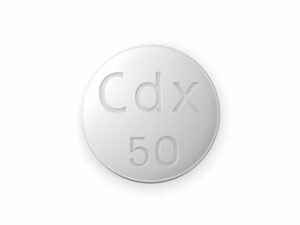



Enclomiphene (Enclomiphene citrate) – Patient-Friendly Medicine Information (Australia)
Enclomiphene is a medicine used to support healthy testosterone production in the body. It belongs to a class of drugs that act by influencing the signals between the brain and the testes. In Australia, it may be discussed as a treatment option for certain testosterone-related conditions, depending on a person’s individual circumstances and clinician guidance.
This page provides general information about enclomiphene: how it works, how it’s used, what to expect, and practical safety considerations. Always follow advice from your healthcare professional and the medicine label.
Key Product Information
| Topic | Summary |
|---|---|
| Generic name | Enclomiphene (often as enclomiphene citrate) |
| Drug class | Selective oestrogen receptor modulator (SERM) |
| How it works | Blocks oestrogen receptors in the hypothalamus/pituitary → increases LH/FSH signals → supports endogenous testosterone production |
| Typical form | Oral tablets/capsules (exact strength varies by product) |
| Common goal | Improve testosterone levels and related symptoms in suitable individuals |
| Monitoring | Blood tests (e.g., testosterone, oestradiol, LH/FSH, lipids, liver enzymes) are often used to guide safety and effectiveness |
| Important note | Individual dosing and eligibility depend on your medical history and test results |
How Enclomiphene Works (Mechanism of Action)
Enclomiphene is a SERM, meaning it can interact with oestrogen receptors in a tissue-selective way. In many men, low testosterone can be associated with decreased signalling in the hypothalamus and pituitary—parts of the brain that regulate hormone production.
Enclomiphene works primarily by blocking oestrogen receptors in the hypothalamus and pituitary. When the brain senses less “oestrogen feedback,” it sends stronger signals to the testes:
- Increased LH (luteinising hormone): stimulates the testes to produce testosterone.
- Increased FSH (follicle-stimulating hormone): supports spermatogenesis (sperm production) in some cases.
- Reduced negative feedback: helps the hormone axis respond more effectively.
The result is often an increase in endogenous (naturally produced) testosterone and related downstream changes, which may include changes in oestradiol levels as well.
Pharmacokinetics (Absorption, Distribution, Metabolism, Excretion)
While precise values can vary by formulation and individual factors, the general pharmacokinetic pattern of enclomiphene includes:
- Oral absorption: enclomiphene is taken by mouth and absorbed into the bloodstream.
- Long half-life: enclomiphene has a relatively prolonged duration in the body, which can support once-daily or similarly frequent dosing schedules.
- Metabolism: it is processed by the liver through metabolic pathways typical of many SERMs.
- Elimination: primarily through hepatic metabolism and subsequent excretion routes.
Because of the longer persistence in the body, steady-state levels may take time and changes in symptoms or lab results may evolve over several weeks. This is one reason clinicians often recheck blood tests after an appropriate interval.
Typical Use and Indications
Enclomiphene is used to support testosterone production in men with hypogonadism (low testosterone) due to certain causes where the body still has the capacity to respond. It may be considered when the goal is to stimulate the body’s own hormone production rather than adding testosterone from outside the body.
Common contexts where clinicians may discuss enclomiphene:
- Men with testosterone deficiency who are seeking an alternative to external testosterone
- Cases where maintaining fertility and testicular function is a consideration (individual suitability varies)
- Selected situations requiring management of hormone axis signalling (as determined by clinical assessment and blood work)
Enclomiphene may not be appropriate for everyone. Treatment choice depends on: the cause of low testosterone, baseline hormone levels, testicular function, comorbidities, and ongoing monitoring needs.
When and How to Take Enclomiphene (Timing)
Enclomiphene is taken by mouth typically on a daily basis. Many people choose to take it at the same time each day to maintain consistent drug exposure.
Timing relative to meals: enclomiphene can often be taken with or without food, but individual product instructions may vary. If stomach discomfort occurs, taking it with food may be more comfortable.
- Start time: follow the schedule recommended for your specific product strength and plan
- Consistency: taking daily helps maintain hormone axis stimulation
- Lab monitoring: blood tests are commonly repeated after an interval to assess response
Food Interactions
Enclomiphene is not generally known for major “must avoid” food interactions. However, as with many oral medicines, the effect of high-fat meals can sometimes influence absorption.
Practical approach:
- Most days: take it consistently with or without food according to your healthcare professional’s advice.
- If you change your routine: note any changes in how you feel and ensure your clinician is aware, especially if you’re also changing other medications.
Alcohol Interactions and Considerations
Moderate alcohol intake may not directly “interact” with enclomiphene in a predictable way, but there are important safety considerations:
- Liver health: enclomiphene is metabolised by the liver. Alcohol can also affect liver function, particularly with heavier or frequent use.
- Monitoring: if you have abnormal liver enzymes or other risk factors, discuss alcohol intake with your healthcare professional.
- Hormonal symptoms: alcohol can worsen sleep quality and overall wellbeing, which may indirectly affect how you feel during treatment.
If you drink alcohol, consider keeping intake moderate and consistent, and ask your clinician what level is safe for you.
Medicine Interactions (Other Drugs and Supplements)
Interaction risk depends on your personal medication list and liver enzyme activity. Enclomiphene is metabolised through pathways that can be affected by other medicines.
Tell your healthcare professional before starting enclomiphene if you use:
- Medicines that affect liver enzymes (some antibiotics, antifungals, anti-seizure medicines, HIV medicines, and certain heart medications may do this)
- Other hormone-related therapies (including testosterone, oestrogen modulators, or other SERMs)
- Anticoagulants (“blood thinners”) (dose adjustments may be needed for some patients due to monitoring changes)
- Herbal supplements (some can affect liver metabolism)
In general, avoid starting, stopping, or doubling supplements and medications without checking first. If you have a complex medication regimen, a pharmacist can help review potential interaction risks.
Dosing (General Guidance)
Dosing for enclomiphene varies by individual goals, baseline testosterone levels, and how you respond to treatment. The medicine is commonly initiated at a conservative starting dose and adjusted based on symptoms and blood test results.
Typical dosing approach (general):
- Start low, go slow: many regimens begin with a lower dose to assess tolerance and response.
- Use blood work to guide changes: testosterone, oestradiol, LH/FSH, and other safety markers help determine whether dose adjustments are needed.
- Adjust if side effects occur: if you develop symptoms of excess oestradiol or other adverse effects, clinicians may reduce dose or alter the plan.
Important: Always use the dose provided with your specific product and plan. Do not change your dose without medical advice, particularly because enclomiphene may have a long-lasting effect in the body.
Indications and Treatment Goals
When enclomiphene is suitable, the treatment goal is to improve hormone status and related symptoms such as:
- Low libido
- Reduced energy or fatigue
- Reduced erectile quality
- Low mood or decreased motivation (which can be related to low testosterone, though causes vary)
- Reduced muscle mass/strength changes (not specific to testosterone alone)
Symptoms alone are not enough to confirm diagnosis—appropriate evaluation and confirmation with blood tests are important. Enclomiphene is used as part of a broader clinical assessment rather than as a standalone solution.
What to Expect: Timing of Results
Results are often gradual because hormonal systems adjust over time. People commonly notice changes in symptoms earlier than lab values fully stabilise, but the pattern differs between individuals.
- First 1–2 weeks: you may notice subtle changes (or none). Lab monitoring may not yet reflect steady-state.
- 3–6 weeks: many patients see measurable improvements in testosterone and related parameters.
- 6–12 weeks: for some individuals, this is where response is clearer and dose adjustments (if needed) are more confidently guided.
If you feel worse, develop new symptoms, or have concerning side effects, seek medical advice promptly rather than waiting for scheduled testing.
Safety Profile and Potential Side Effects
Like all medicines, enclomiphene can cause side effects. Not everyone experiences them. Side effects may be influenced by dose, baseline hormone levels, and individual sensitivity.
Common or notable possible effects:
- Headache
- Hot flushes or changes in temperature sensations
- Mood changes (for example, irritability) in some people
- Nausea or stomach discomfort
- Changes in libido (improving or occasionally fluctuating)
- Changes in oestradiol activity—since the hormone axis is stimulated, oestradiol levels may shift, which can contribute to fluid retention or breast tenderness in some individuals
Possible effects requiring prompt attention:
- Severe or persistent headaches, vision changes
- Signs of liver problems such as yellowing of skin/eyes, dark urine, or significant unexplained fatigue
- Chest pain, shortness of breath, or leg swelling (urgent evaluation is required)
- Allergic reaction symptoms such as rash, swelling, or difficulty breathing
Your healthcare professional may recommend periodic blood tests to monitor safety, including liver function and lipid profiles, especially if you have existing risk factors.
Practical Use Tips
- Take it consistently: use a daily routine and avoid missed doses when possible.
- Keep a symptom diary: track libido, energy, mood, sleep, and any discomfort—this helps your clinician interpret lab results.
- Attend follow-up blood tests: monitoring is a key part of safe and effective therapy.
- Be alert to oestradiol-related symptoms: if you develop breast tenderness, swelling, or new fluid retention, contact your clinician.
- Avoid duplicating hormone therapies: don’t combine with other hormone-altering products unless specifically advised.
- Consider lifestyle foundations: sleep, exercise, and nutrition support overall hormone health and can improve outcomes.
If you forget a dose, a common approach is to take it when you remember unless it’s close to the next dose. Follow the advice from your product instructions or pharmacist; do not double up without guidance.
Alternative Options
Depending on the cause of low testosterone and your goals (symptoms, fertility plans, and risk profile), alternatives may include:
- Lifestyle and supportive care: addressing sleep apnoea, weight, alcohol intake, stress, and nutritional deficiencies
- Other medications that stimulate the reproductive hormone axis (availability and suitability vary)
- External testosterone therapies (not always preferred, especially where fertility is a key goal)
- Treating underlying causes: such as pituitary or testicular disorders, medication-induced hypogonadism, or systemic illness
The “best” option depends on diagnosis and personal circumstances. If you’re comparing therapies, ask your clinician about expected benefits, monitoring needs, and long-term safety.
Market and Legal Context in Australia
Medicines available in Australia are regulated by the Therapeutic Goods Administration (TGA). Whether enclomiphene is supplied as a registered product, obtained via specific prescribing frameworks, or accessed under different arrangements can vary over time.
For online pharmacy supply, we focus on compliant processes consistent with Australian requirements. Availability, brand/formulation, and the exact regulatory pathway for enclomiphene may depend on current TGA status and importing or supply policies.
If you’re unsure about eligibility or availability, contact your pharmacist or healthcare professional for up-to-date information.
Recent Guidance and Monitoring Approach
While guidance can evolve, current clinical practice commonly emphasises:
- Confirming diagnosis with blood tests (including repeat morning measurements when appropriate)
- Assessing reversible causes (sleep, obesity, medication effects, endocrine disorders)
- Monitoring testosterone and safety markers during therapy
- Managing oestradiol-related effects if they occur
- Reviewing cardiovascular and metabolic risk as part of holistic care
Your clinician may schedule follow-up testing after starting enclomiphene, and may adjust the approach based on your results and symptom response.
Delivery and Availability (Australia)
Availability can depend on stock levels and the supply model used in Australia. When you order from an online pharmacy, delivery options typically include:
- Secure, trackable shipping to eligible Australian addresses
- Packaging for privacy where available
- Estimated delivery timeframes shown during checkout
Delivery times may vary depending on your location and whether items are in local stock or require sourcing. You can also ask support for restock timelines before placing an order if you need treatment to start promptly.
Enclomiphene FAQ
1) What is enclomiphene used for?
Enclomiphene is used to support the body’s own testosterone production in men with suitable hormone-related conditions, based on clinical assessment and blood test results.
2) How long does it take to work?
Many people notice changes gradually. Lab values may take several weeks to stabilise, and clearer results are often seen over 3–6 weeks, with further refinement up to 6–12 weeks. Your clinician may recheck blood tests to guide progress.
3) Can I take enclomiphene with food?
It’s often possible to take it with or without food. For comfort and consistency, many people choose the same method each day. Follow product directions and your pharmacist’s advice.
4) Are there alcohol interactions?
There is no single universal “absolute” alcohol ban, but heavy or frequent alcohol use can increase liver-related risk. If you drink alcohol, keep intake moderate and discuss safe limits with your clinician—especially if you have liver concerns.
5) What medicines should I avoid while taking enclomiphene?
Tell your healthcare professional about all prescription medicines, over-the-counter drugs, and supplements. Some medicines can affect liver metabolism or hormone pathways. A pharmacist can help check interaction risks with your specific list.
6) Will enclomiphene affect fertility?
Because enclomiphene works by stimulating the hormone axis rather than providing external testosterone, it may be considered in contexts where fertility matters. However, suitability is individual and depends on the underlying cause and baseline hormone/testicular function.
7) What side effects are most common?
Possible side effects include headache, hot flushes, mood changes, nausea, and changes related to oestradiol activity (such as breast tenderness or fluid retention in some people). If side effects are severe or persistent, seek medical advice promptly.
8) Do I need blood tests?
Most care plans include monitoring. This may include testosterone, oestradiol, LH/FSH, liver enzymes, and other safety markers—especially after starting and during dose adjustments.
9) What should I do if I miss a dose?
Generally, take it when you remember unless it’s near the next dose. Do not double up without guidance. Refer to product instructions or ask a pharmacist for advice specific to your regimen.
10) Are there alternatives to enclomiphene?
Depending on your cause of low testosterone and goals, alternatives may include other axis-stimulating therapies, testosterone therapies, or addressing underlying factors like sleep apnoea, weight, medication effects, or endocrine disorders.
Important Safety Note
This information is general and designed to help you understand enclomiphene. It is not a substitute for personal medical assessment. If you have symptoms of hormone imbalance, a known endocrine condition, liver disease, or you’re taking other medicines, talk to your healthcare professional to determine whether enclomiphene is appropriate for you and what monitoring is needed.